Overview
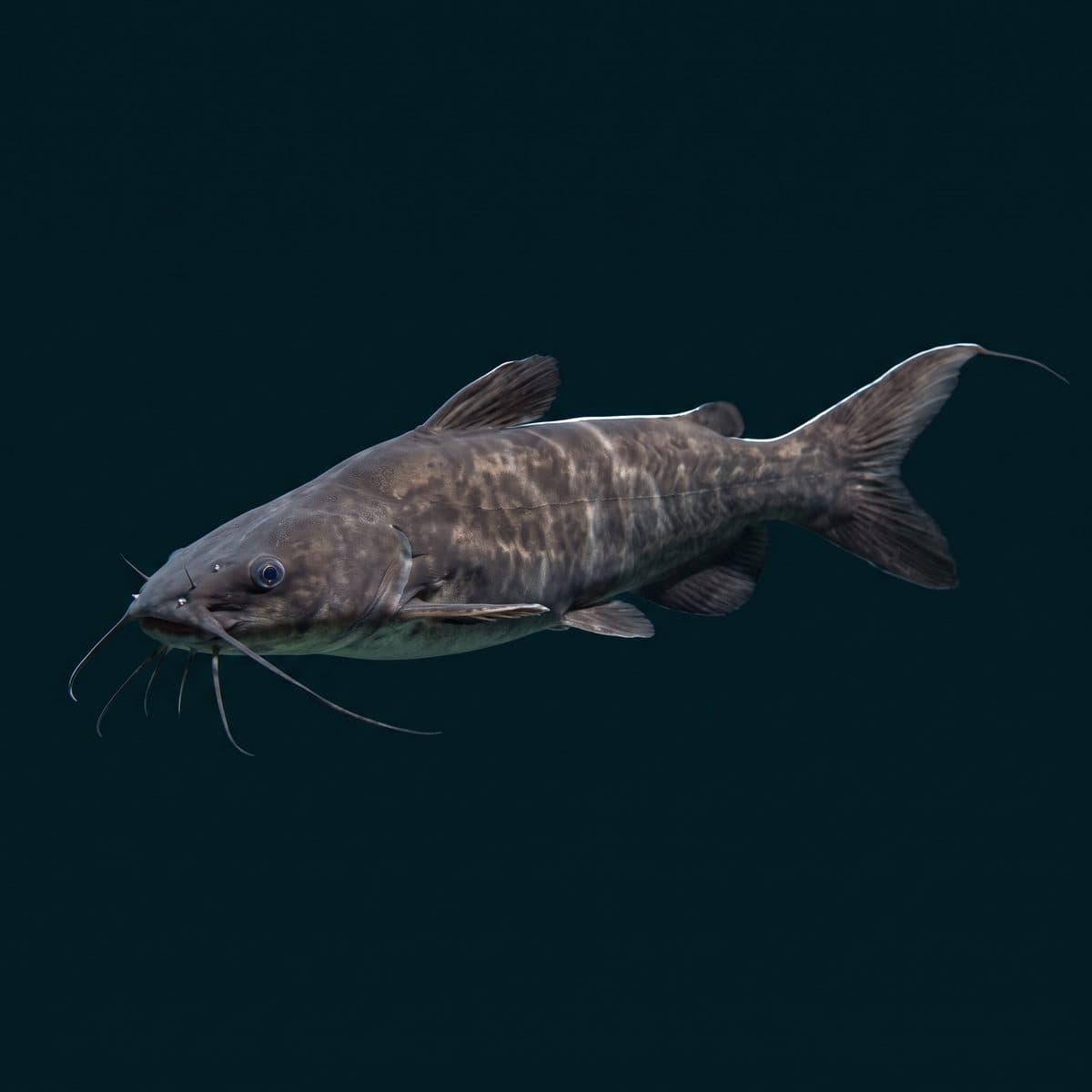
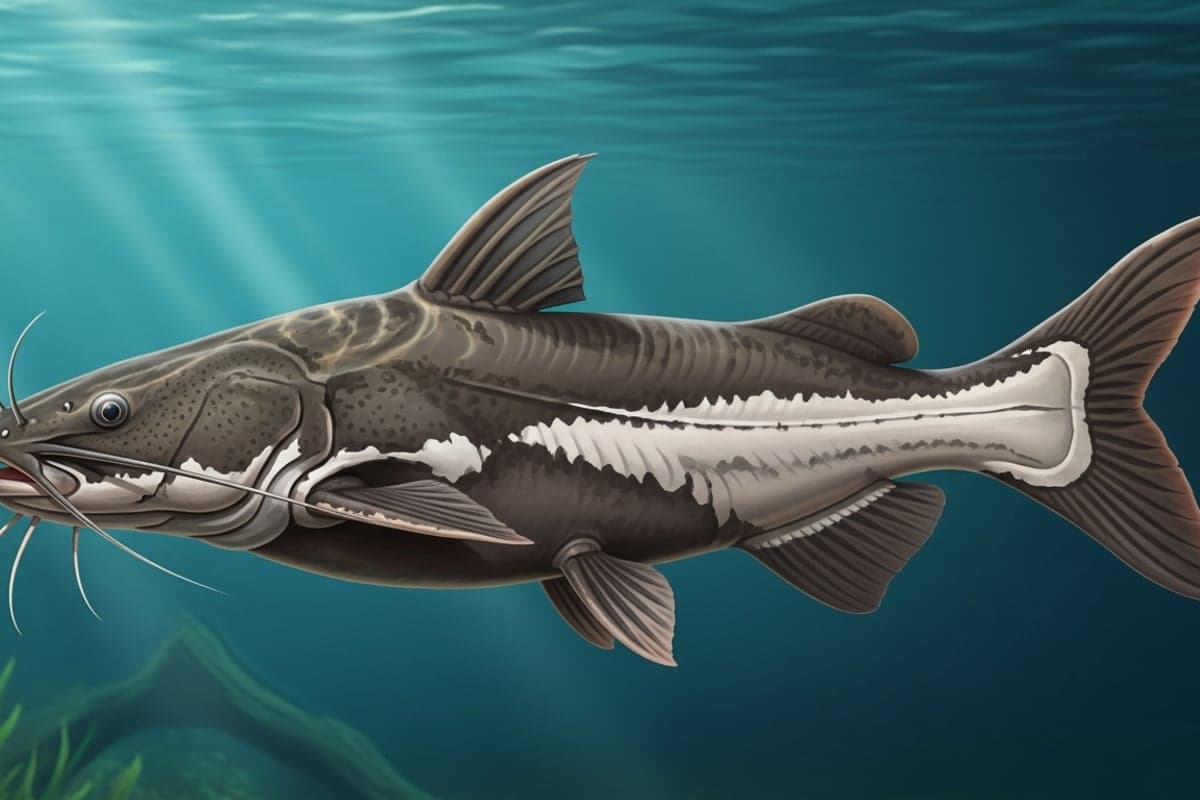
The Irwini Catfish (Paulicea lutkeni) is a large pimelodid catfish native to South America's major river systems — the Amazon, Paraná, and São Francisco basins. Known in the Brazilian aquarium trade as "Jau" and in the international hobby as the Irwini or Gilded Catfish, this species combines impressive size (120+ cm in the wild) with a striking appearance: a muscular, torpedo-shaped body marked with irregular dark bars and blotches against a golden-olive to grey background, and a characteristically broad, flattened head with thick sensory barbels.
At The Fish Collection, we handle Irwini Catfish exclusively for clients who have demonstrated the infrastructure to house them permanently. This is not a species for upgraders or planners — if you do not already own a 500+ gallon system or have one under construction, an Irwini Catfish is not appropriate for your current setup. The juveniles sold at 10–15 cm grow with startling speed, and an undersized aquarium during the growth phase causes permanent skeletal deformities and behavioural dysfunction.
For keepers with the space, however, the Irwini is a magnificent aquarium resident. It is less aggressive than many monster catfish species, develops a calm demeanour in well-maintained systems, and its nocturnal emergence from hiding is one of the most dramatic spectacles in the large-fish hobby.
Natural Habitat
Wild Paulicea lutkeni inhabit the deep channels and confluence zones of large South American rivers. They are particularly associated with the main channels of the Paraná, Paraguay, and São Francisco rivers in southern Brazil, as well as tributaries of the upper Amazon. These are powerful riverine environments with substantial current, rocky and sandy substrates, and depths that can exceed 20 metres during flood season.
Water conditions vary by drainage but are generally warm (22–28 °C), slightly acidic to neutral (pH 6.0–7.5), and soft to moderately hard (2–12 dGH). During the flood season (October–March in the southern hemisphere), Irwini disperse into inundated areas to feed; during the dry season, they concentrate in deeper river pools and channel confluences where current creates oxygenated holding water.
Irwini Catfish are apex predators in their native habitat, occupying the same trophic level as large Pseudoplatystoma species and Brachyplatystoma. Their diet consists primarily of fish, crustaceans, and occasionally small mammals or birds that fall into the water. They are nocturnal hunters that shelter in submerged rock formations, deep undercut banks, and log jams during daylight hours.
Tank Requirements
Tank Dimensions & Layout
An adult Irwini Catfish requires a minimum 500-gallon (1,900 L) aquarium with dimensions of at least 300 cm long × 90 cm wide × 70 cm tall (120 × 36 × 28 inches). Like most large pimelodids, width is critical — these are broad-bodied fish that need room to turn without bending against the glass. Custom-built plywood-and-fibreglass systems or large acrylic tanks are the most practical options at this volume.
The tank should feature a fine sand substrate (Irwini have smooth, scaleless skin that is easily abraded by gravel), large cave structures built from rock or oversized PVC pipe (20+ cm diameter), and minimal additional décor. These catfish are powerful and will displace anything that is not firmly secured or too heavy to move. Ensure cave entrances are large enough for the fish's full body — Irwini will attempt to enter caves even when they have outgrown them, potentially becoming stuck.
Leave at least 60–70% of the tank floor as open space. Irwini are active nocturnal swimmers that patrol the entire tank length during feeding hours and need unobstructed swimming lanes.
Filtration & Flow
Filtration must handle the substantial waste output of a large carnivorous catfish. Target 8–10× turnover per hour, which for a 500-gallon system means 15,000–19,000 litres per hour of combined pump capacity. A large sump (100+ gallons) with mechanical prefiltration, a moving-bed bio-reactor, and UV sterilisation (80+ watts) is the standard approach. Weekly water changes of 30–40% are essential to maintain nitrate below 20 ppm.
Moderate current is appropriate and replicates riverine conditions. A spray bar or multiple return outlets distributed along the back wall create even flow without creating turbulent zones that stress resting fish.
Lighting
Irwini Catfish are strictly nocturnal and will not emerge from hiding under bright lighting. Use dimmable LEDs at 15–30% intensity during the day, with a gradual 30–60 minute dusk transition. Moonlight LEDs (deep blue or red spectrum at very low intensity) are essential for observing nocturnal activity. The fish's golden-olive colouration and dark barring display best under warm-neutral light (5,500–6,500 K).
Water Parameters
Irwini Catfish tolerate a range of freshwater conditions but perform best with parameters that reflect their native South American river habitats:
- Temperature: 22–28 °C (72–82 °F). They tolerate a wider range than many tropical species, including cooler temperatures that would stress Amazonian fish from blackwater habitats.
- pH: 6.0–7.5. Slightly acidic to neutral is preferred.
- GH: 2–15 dGH. Soft to moderately hard water is acceptable.
- KH: 2–8 dKH. Maintain sufficient buffering for pH stability.
- Ammonia / Nitrite: 0 ppm — always. Scaleless catfish are acutely sensitive to dissolved nitrogenous wastes.
- Nitrate: <20 ppm. With the heavy biological load this species generates, twice-weekly water changes may be necessary in systems without supplementary nutrient export.
Indian almond leaves and driftwood provide beneficial tannins that create a more natural chemical environment and have mild antibacterial properties. The resulting water tint also reduces ambient light, encouraging daytime activity.
Diet & Feeding
Irwini Catfish are obligate carnivores that require a protein-rich diet. In captivity, they accept a range of meaty foods and should be offered variety for nutritional completeness:
- Primary: Whole silversides, smelt, tilapia fillets, and lance fish — vitamin-soaked before feeding. For adults, offer 3–5 large fish per feeding session, 3 times per week.
- Secondary: Large market prawns (shell-on), whole crayfish, earthworm bundles, and squid strips.
- Pellets: High-quality sinking carnivore pellets (Hikari Massivore, Northfin Predator Formula) are readily accepted and provide balanced nutrition including vitamins that may be deficient in a whole-fish diet.
- Avoid: Feeder goldfish (parasites, thiaminase, poor nutrition), mammalian proteins, and fatty fish as regular dietary components.
Feed exclusively after lights-out. Irwini are reluctant daytime feeders and may refuse food under bright conditions. Juvenile specimens (under 30 cm) should be fed daily; subadults (30–60 cm) every other day; adults (60+ cm) three times per week. One fasting day per week supports digestive health and prevents obesity.
Behaviour & Temperament
Irwini Catfish are less aggressive than many large pimelodids, displaying a relatively calm temperament in spacious, well-structured aquariums. During daylight hours, they rest in caves or against dark surfaces, occasionally shifting position but rarely engaging in active swimming. At dusk, they emerge and patrol the tank methodically, using their barbels to scan the substrate and water column for food.
Toward conspecifics, Irwini are moderately territorial but generally tolerant in tanks with adequate cave space. Two to three individuals can coexist in 1,000+ gallon systems with separate hiding places. Aggression escalates primarily around cave occupation — ensure one large cave per fish to minimise conflict.
As predators, Irwini will consume any fish small enough to swallow. Their large mouth can accommodate prey up to 40% of their body length. All tank mates must be sized accordingly.
Compatible Tank Mates
Tank mates must be too large to eat and robust enough to share space with a powerful nocturnal catfish. Compatible species include:
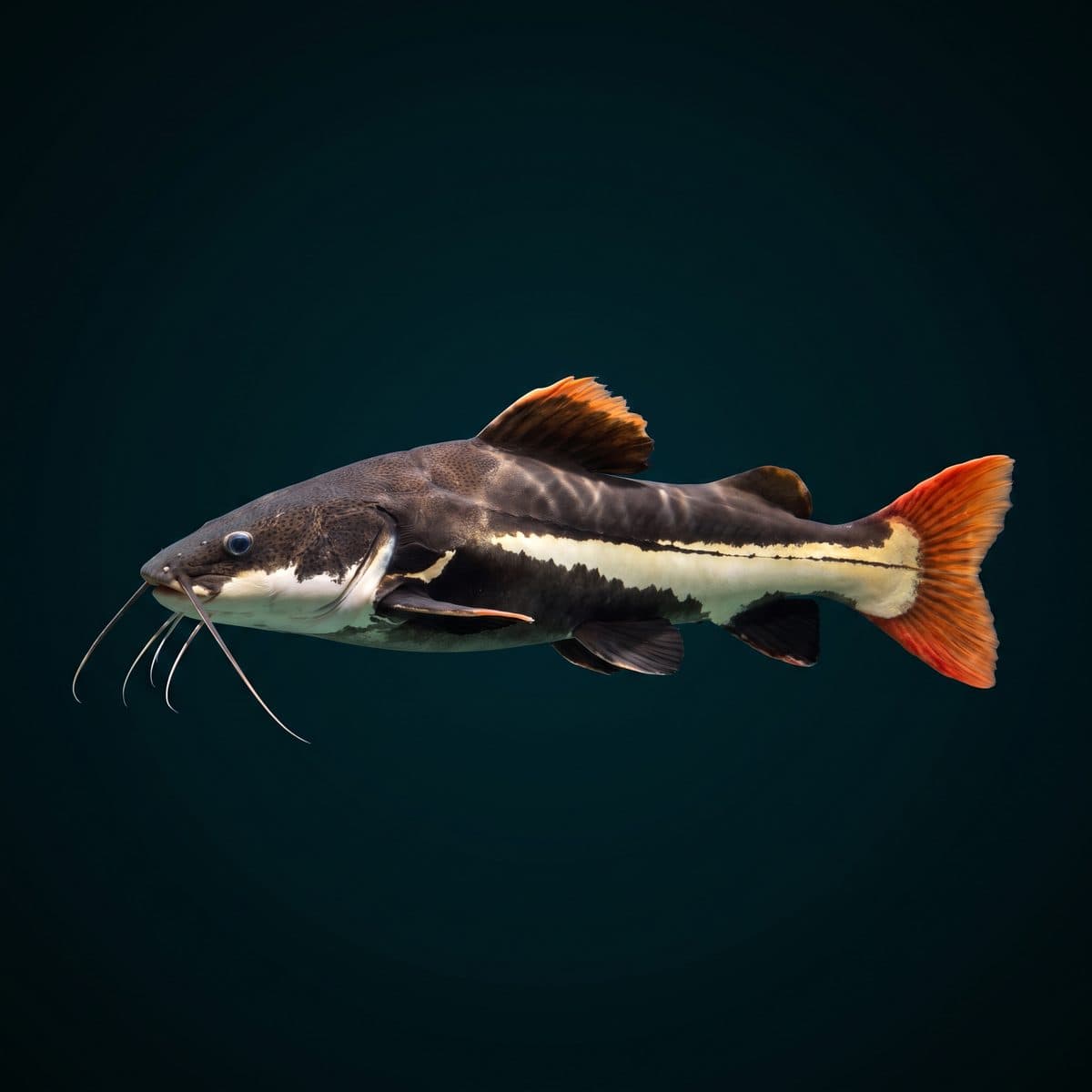
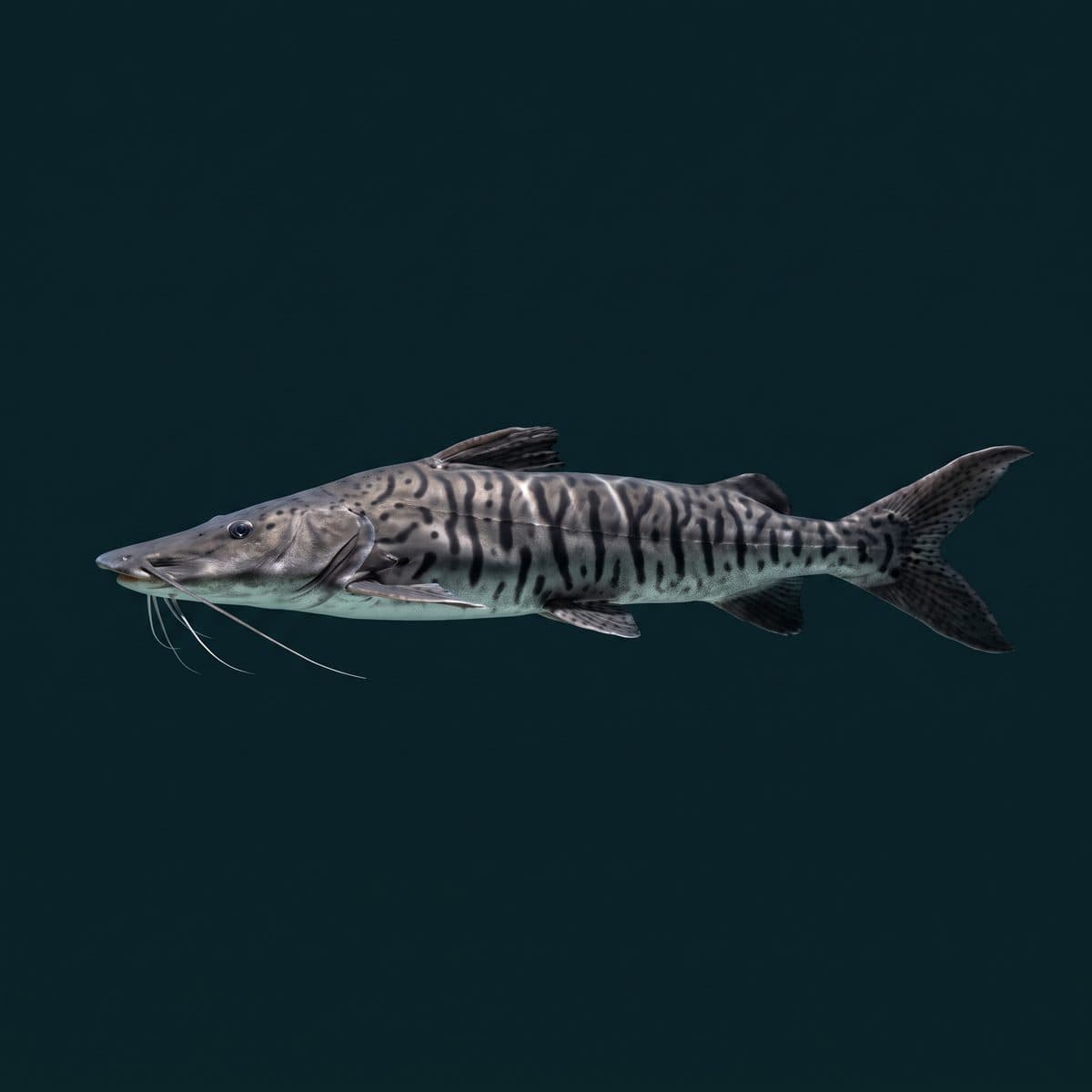
- Other large catfish — Shovelnose Tiger Catfish, Red Tail Catfish (1,000+ gallon systems only), and large Plecostomus species.
- Arowana — Silver Arowana and Platinum Arowana as top-dwelling companions.
- Large Bichirs — Polypterus endlicherii and P. ornatipinnis share nocturnal habits and have protective armoured scales.
- Large cichlids — Peacock Bass, large Oscars, and Wolf Fish in appropriately massive systems.
- Freshwater stingrays — Motoro and Black Diamond stingrays in wide tanks.
Avoid all fish under 25 cm, aggressive species that target resting catfish during the day, and bottom-dwelling species too small to defend their space.
Breeding
Captive breeding of Paulicea lutkeni has not been documented in the aquarium hobby. In the wild, the species is believed to undertake long-distance migratory spawning runs during the flood season, depositing eggs in shallow, oxygenated rapids upstream of normal holding habitat. This migratory reproductive strategy makes captive breeding impractical — the fish require environmental triggers (flood simulation, current changes, thousands of metres of swimming distance) that cannot be replicated in any home aquarium.
Commercial aquaculture of the Jau/Irwini for the food fish market in Brazil uses hormone-induced spawning with carp pituitary extract, but this requires institutional-scale pond facilities and veterinary expertise. All Irwini Catfish in the ornamental trade are wild-caught, primarily from the Paraná and São Francisco river systems.
Common Health Issues
Bacterial Infections
Scaleless pimelodid catfish are inherently more vulnerable to bacterial infections than scaled species. Aeromonas and Pseudomonas infections present as reddened patches, ulcerative lesions, and fin erosion, typically arising from poor water quality, physical abrasions from rough substrate or décor, or stress from inadequate tank size. Treatment involves correcting water quality, applying topical antiseptic (povidone-iodine) to accessible lesions, and systemic antibiotic therapy with kanamycin or enrofloxacin. Prevention centres on maintaining pristine water conditions, using smooth sand substrate, and ensuring all cave edges are free of sharp protrusions.
Obesity & Organ Damage
Irwini Catfish are prone to obesity when overfed, particularly with high-fat food items. Hepatic steatosis (fatty liver disease) develops insidiously and presents as abdominal distension, reduced activity, and appetite loss in advanced stages. Prevent obesity by adhering strictly to the recommended feeding schedule (three times weekly for adults, with one fasting day), avoiding mammalian proteins and fatty fish, and monitoring body condition regularly. A healthy Irwini should have a muscular, streamlined profile — visible abdominal rounding indicates overfeeding.
Internal parasites are common in wild-caught specimens. Prophylactic treatment with praziquantel (5 mg/L bath for 24 hours, repeated at day 14) during a 6-week quarantine period is essential. Watch for white stringy faeces and progressive weight loss as indicators of parasite burden.