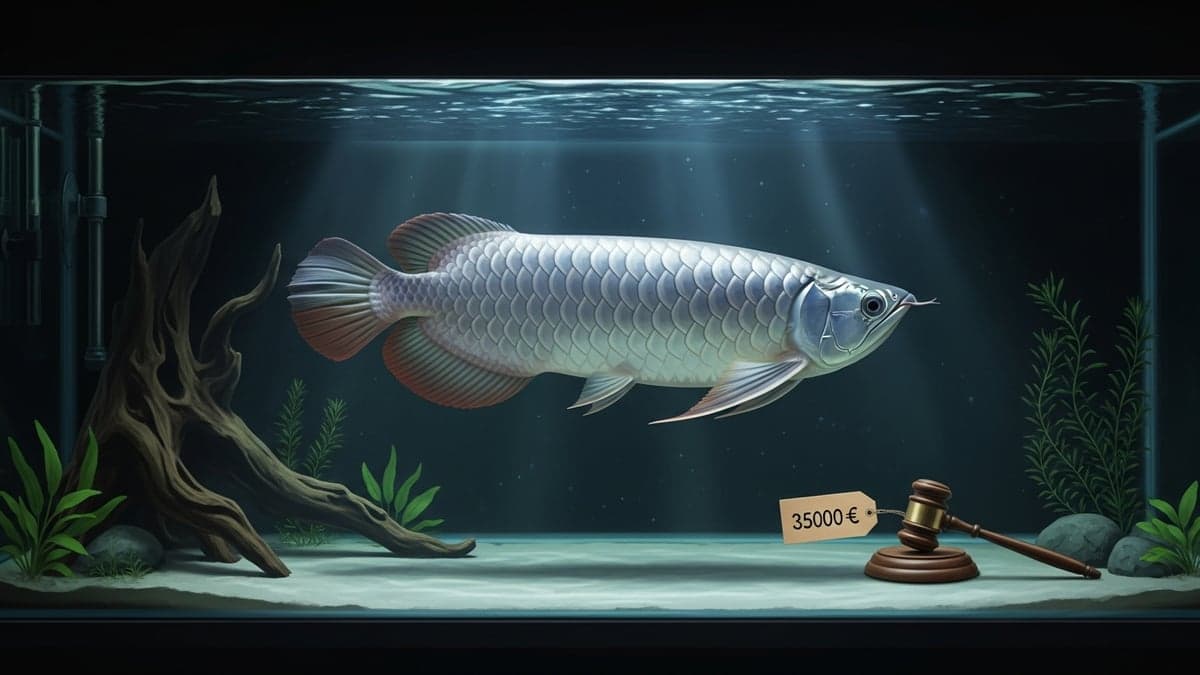
Why Platinum Arowana Are So Expensive
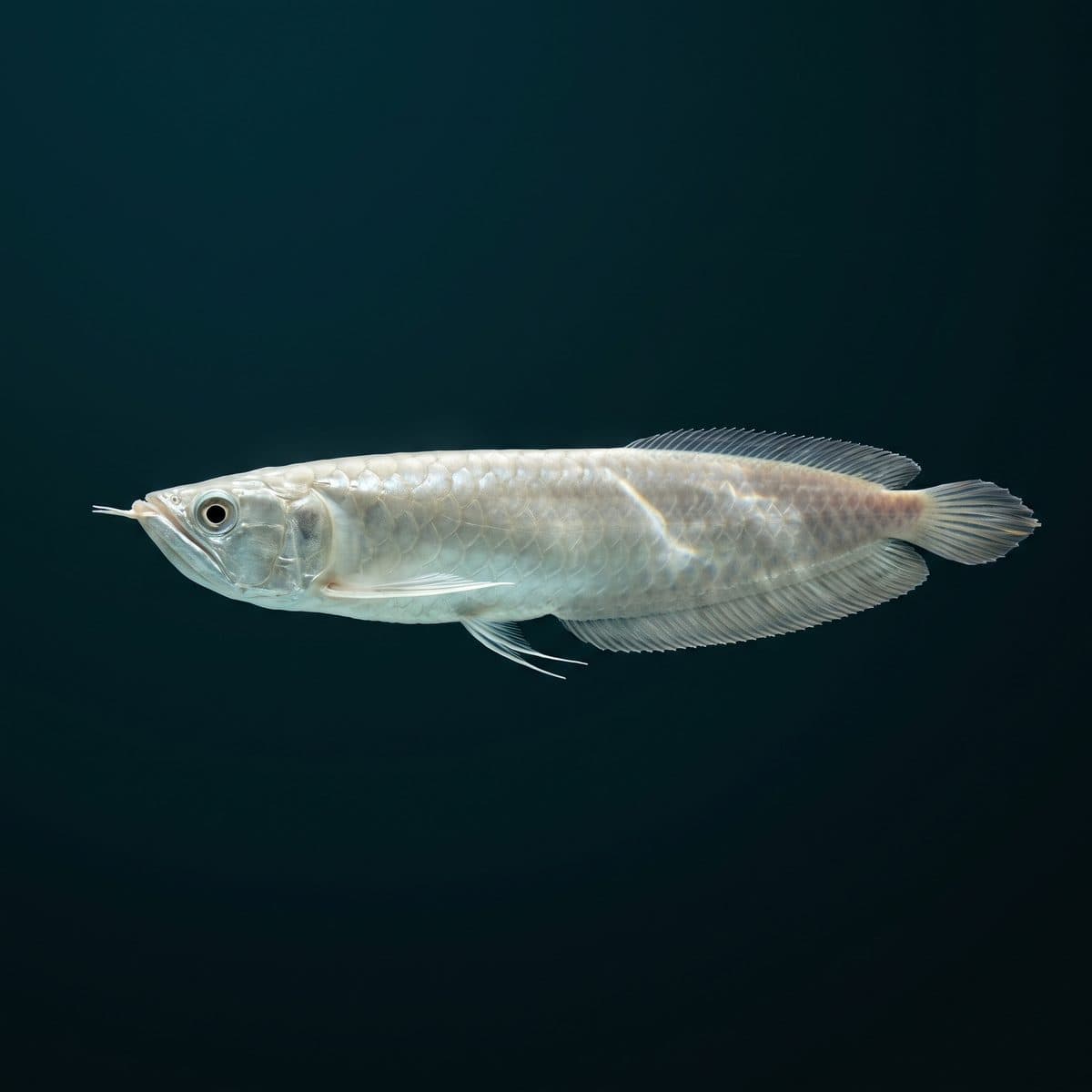
The Platinum Arowana is not simply an expensive fish — it is the most valuable ornamental aquatic animal on Earth. Its price derives from a convergence of factors that cannot be engineered or accelerated: the leucistic mutation appears in approximately one of every 100,000 Asian Arowana (Scleropages formosus) fry, and of those, fewer than half retain flawless metallic-white coloration through adulthood. Add CITES Appendix I protection, mandatory microchipping, and the cultural significance of Arowana across Asian markets, and you have a specimen class with demand that permanently outstrips supply.
Unlike colour morphs in other species that can be line-bred with increasing reliability, the Platinum mutation has resisted selective breeding efforts. Top farms in Malaysia, Indonesia, and Singapore have invested decades in attempting to increase Platinum yield rates — with marginal success at best. This biological ceiling on production is the ultimate price floor.
Platinum Arowana Price Ranges in 2026
Based on verified dealer transactions and auction records through early 2026, Platinum Arowana prices fall into three tiers:
- Entry Platinum ($100,000–$200,000): Juvenile or sub-adult specimens (15–30 cm) with confirmed leucistic genetics but minor imperfections — slight yellowing on the ventral surface, minor fin asymmetry, or less-prestigious farm origin. These fish may improve with age but carry no guarantee of reaching show quality.
- Premium Platinum ($200,000–$400,000): Adult specimens (40–55 cm) with near-flawless coloration, clean finnage, and certification from top-tier farms (e.g., Qian Hu, Kim Kang). These represent the core of the Platinum market and are the most commonly transacted tier among serious collectors.
- Museum Grade ($400,000–$600,000+): Exceptional adults with perfect metallic-white coloration from nose to tail, ideal body proportions (3:1 length-to-depth ratio), pristine fins with no splits or regrowth marks, and documented lineage from the most prestigious breeding programs. The $600,000 auction record falls in this category.
For comparison pricing across all Asian Arowana colour morphs — including Super Red, Cross Back Golden, and Green — see our comprehensive Arowana cost and pricing guide.
Grading Criteria That Determine Value
Colour Purity
The single most important factor. A true Platinum Arowana should exhibit uniform metallic-white coloration across the entire body, including scales, gill plates, and fin membranes. Any yellowish or pinkish tinge — particularly common on the ventral surface and lower jaw — reduces value by 30–50 %. Coloration is assessed under standardised lighting conditions (6500K daylight spectrum) to prevent colour-temperature distortion.
Juveniles may display slight pigmentation that fades with maturity, which is why sub-adult pricing carries a speculation premium: the fish may or may not achieve full Platinum expression. Experienced graders evaluate scale-edge clarity, dorsal reflectivity, and pectoral-fin transparency to predict adult coloration.
Body Proportions and Size
The ideal Platinum Arowana exhibits a length-to-depth ratio of approximately 3:1, with a gently rounded dorsal profile and no spinal curvature. Larger specimens command higher prices — an 60 cm adult is worth significantly more than a 35 cm sub-adult of equivalent colour quality. Jaw alignment is also critical: underbite or overbite reduces value, as does any evidence of prior jaw injury or surgical correction.
Fin Condition
Fins must be complete, symmetrical, and free of splits, tears, or visible regrowth lines. The pectoral and caudal fins should spread fully when the fish is in motion, with no clamping or curling. Fin damage is the most common condition issue in Platinum Arowana, as the metallic-white coloration makes even minor imperfections highly visible.
Farm Certification and Lineage
Not all breeding farms carry equal prestige. Specimens from established operations like Qian Hu Corporation (Singapore), Kim Kang Aquaculture (Malaysia), or Raffles Arowana (Indonesia) command a 10–20 % premium over equivalent fish from lesser-known farms. Farm reputation reflects decades of breeding expertise, genetic record-keeping, and post-sale support. Every legally sold Platinum Arowana must be microchipped and accompanied by a CITES certificate traceable to the originating farm.
Platinum vs Other Arowana Morphs
To contextualise Platinum pricing, here is how other Asian Arowana colour morphs compare in 2026:
- Green Arowana: $300–$1,500 — the most accessible Asian Arowana morph
- Banjar Red / Yellow Tail: $500–$3,000
- Cross Back Golden (Malaysian Golden): $2,000–$15,000
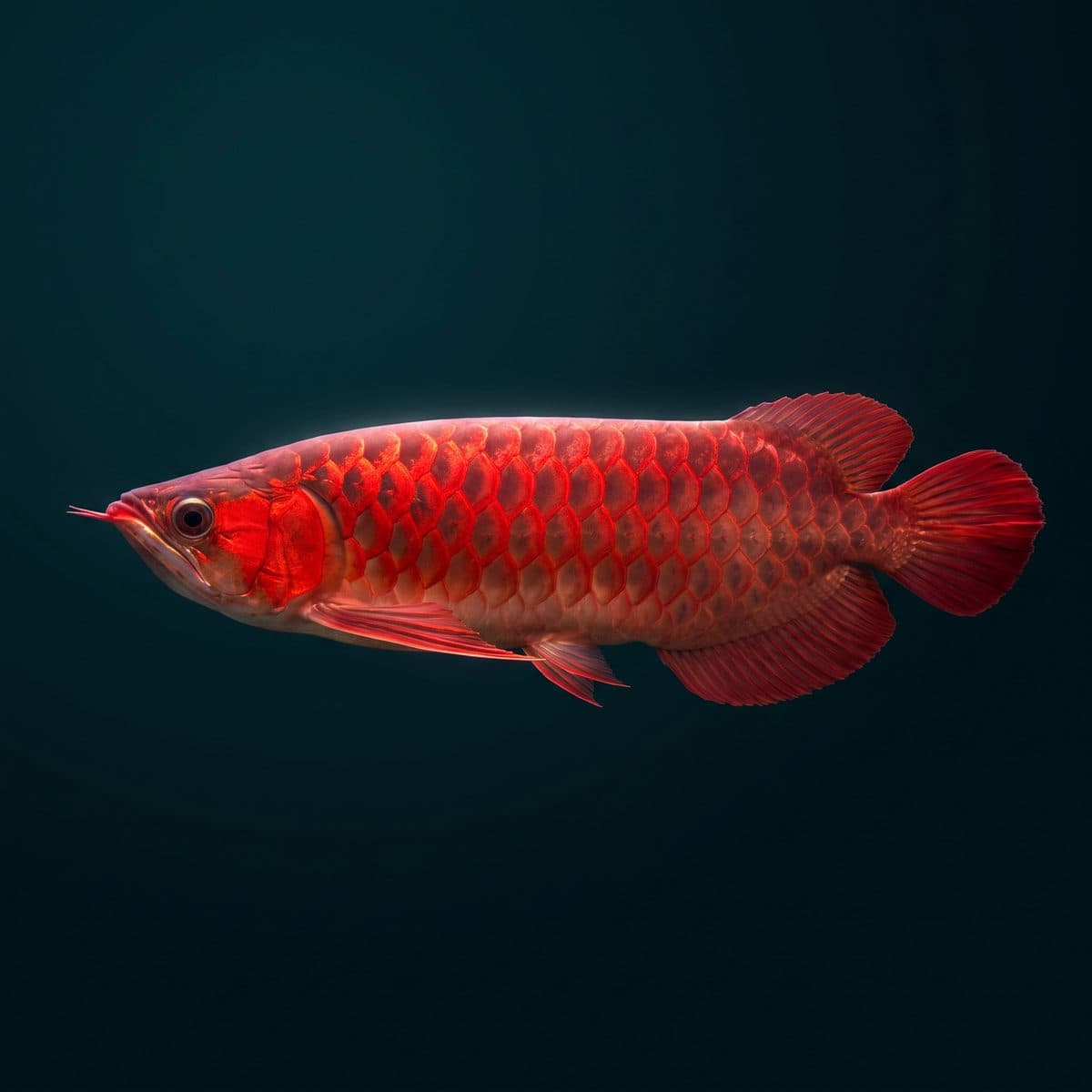
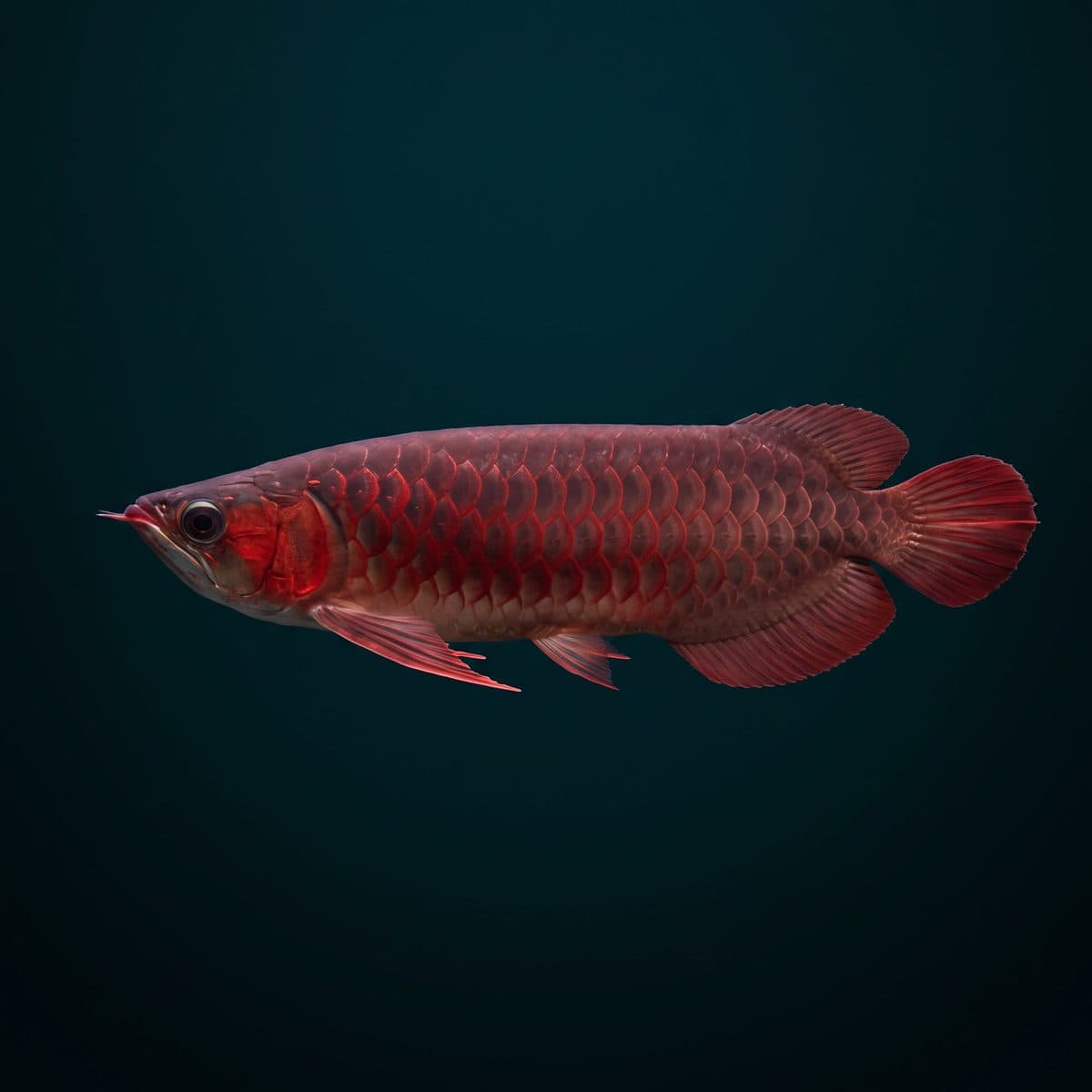
- Super Red: $3,000–$25,000
- 24K Golden: $5,000–$30,000
- Platinum: $100,000–$600,000
The price gap between the most expensive "standard" morph and Platinum is enormous — reflecting the fundamental difference between selective breeding (which can increase yield of Super Red or Golden) and spontaneous mutation (which cannot be reliably produced). For full details on every morph, consult our Arowana cost and pricing guide.
The Authentication Process
Given the sums involved, authentication of Platinum Arowana is rigorous and multi-layered:
- Microchip verification: Every Asian Arowana is microchipped at the breeding farm, typically at 3–4 months of age. The microchip number must match the accompanying CITES certificate. Scanners are available for under $100 — verify before purchase, every time.
- CITES certificate review: The certificate must include the specimen's microchip number, breeding-farm registration, species identification, and export country. Certificates are numbered and can be verified with the issuing CITES authority.
- Visual grading: Ideally conducted in person under standardised 6500K lighting. If purchasing remotely, demand high-resolution video (minimum 4K) of the specimen swimming freely, with close-ups of the head, scales, fins, and ventral surface.
- Veterinary assessment: For specimens above $200,000, a pre-purchase examination by an aquatic veterinary specialist is prudent. This should include assessment of internal organs via ultrasound, fin and scale condition, and behavioural evaluation.
The Fish Collection's Arowana inventory includes full CITES documentation, microchip verification, and 4K video for every specimen. We coordinate third-party veterinary assessments on request for premium purchases.
Where to Buy a Platinum Arowana
Platinum Arowana are sold through three channels: directly from breeding farms (typically requiring a trip to Southeast Asia and local contacts), through specialist dealers with established farm relationships, and at auction events hosted by major aquarium societies or farms.
For US-based collectors, purchasing through a specialist dealer is the most practical route. The dealer handles CITES export and import paperwork, coordinates freight logistics, and provides quarantine and acclimation services. At The Fish Collection, we maintain direct relationships with the top breeding farms and can source specific quality tiers on commission for clients.
Avoid unverified online sellers offering "Platinum Arowana" at suspiciously low prices. Leucistic specimens can be confused with — or deliberately misrepresented as — high-grade Silver Arowana or albino morphs of non-CITES species. If the price seems too good to be true, it invariably is.
Ongoing Costs of Ownership
The purchase price is only the beginning. Maintaining a Platinum Arowana at a level befitting the investment requires:
- Tank system: 240-gallon (900-litre) minimum, with many collectors opting for 500+ gallon custom builds. Expect $5,000–$30,000 for the complete system including sump, filtration, and cabinetry.
- Monthly operating costs: $300–$800 covering electricity, water treatment, premium pellet food (Hikari, NorthFin, or similar), and filter media replacement.
- Annual veterinary care: $300–$600 for check-ups from an aquatic specialist.
- Insurance: Specialist aquatic insurers offer livestock coverage. Premiums for a $300,000 specimen typically run $3,000–$6,000 annually.
- Backup systems: Generator ($2,000–$5,000), battery-operated air pumps, and redundant heaters are non-negotiable for a six-figure fish.
For a complete guide to building the ideal system, read our exotic fish tank setup guide, which covers filtration architecture, water chemistry, and equipment selection in detail.