Overview
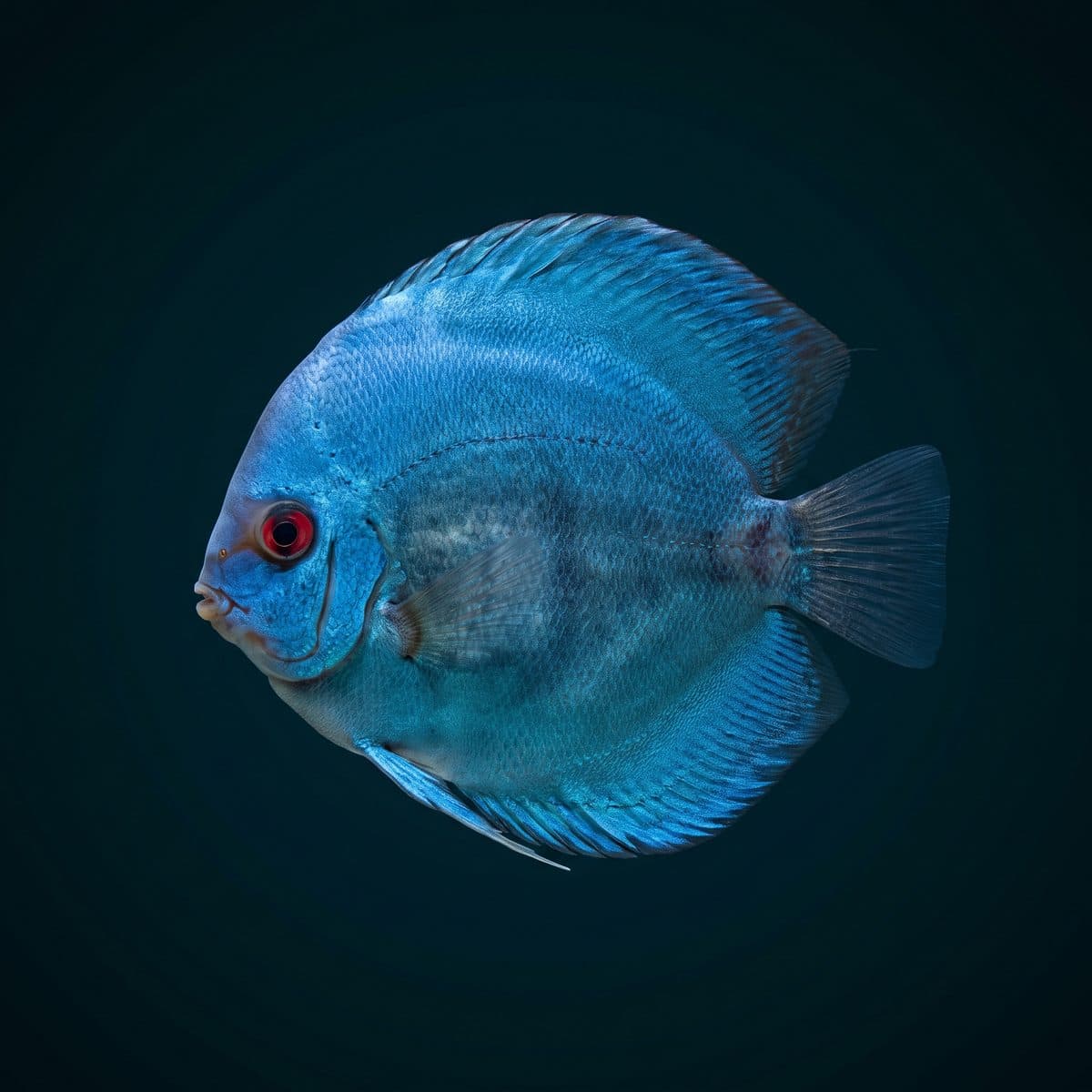
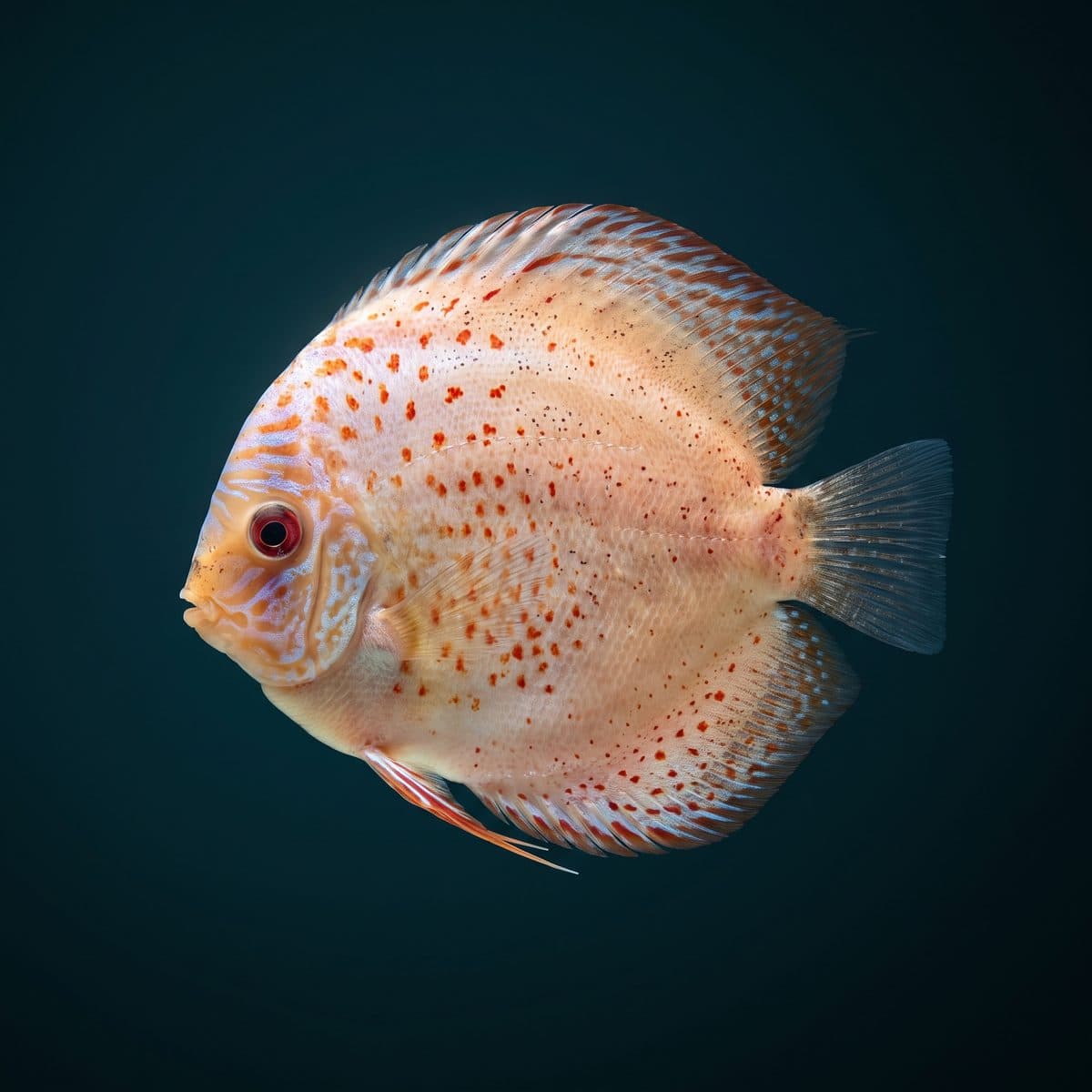
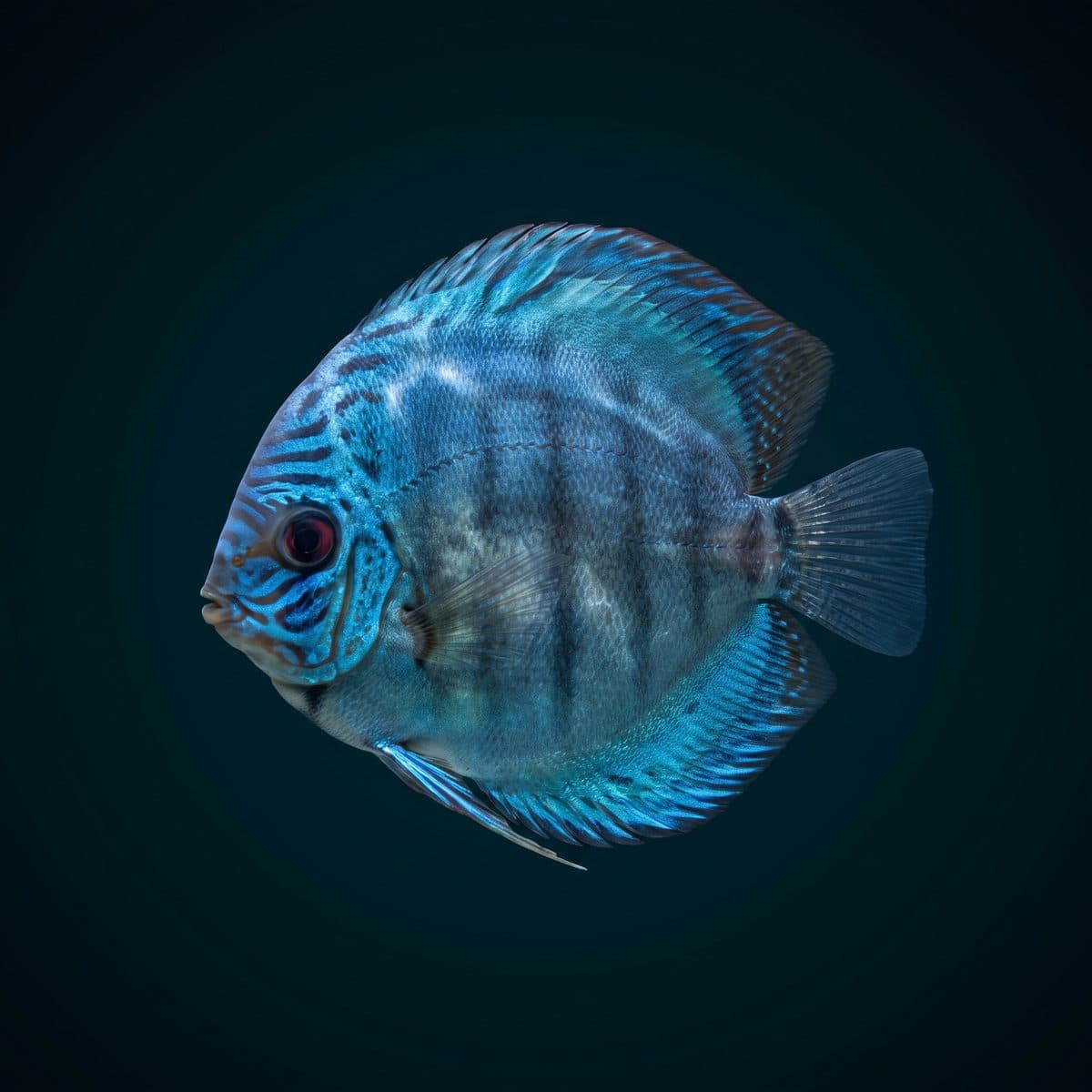
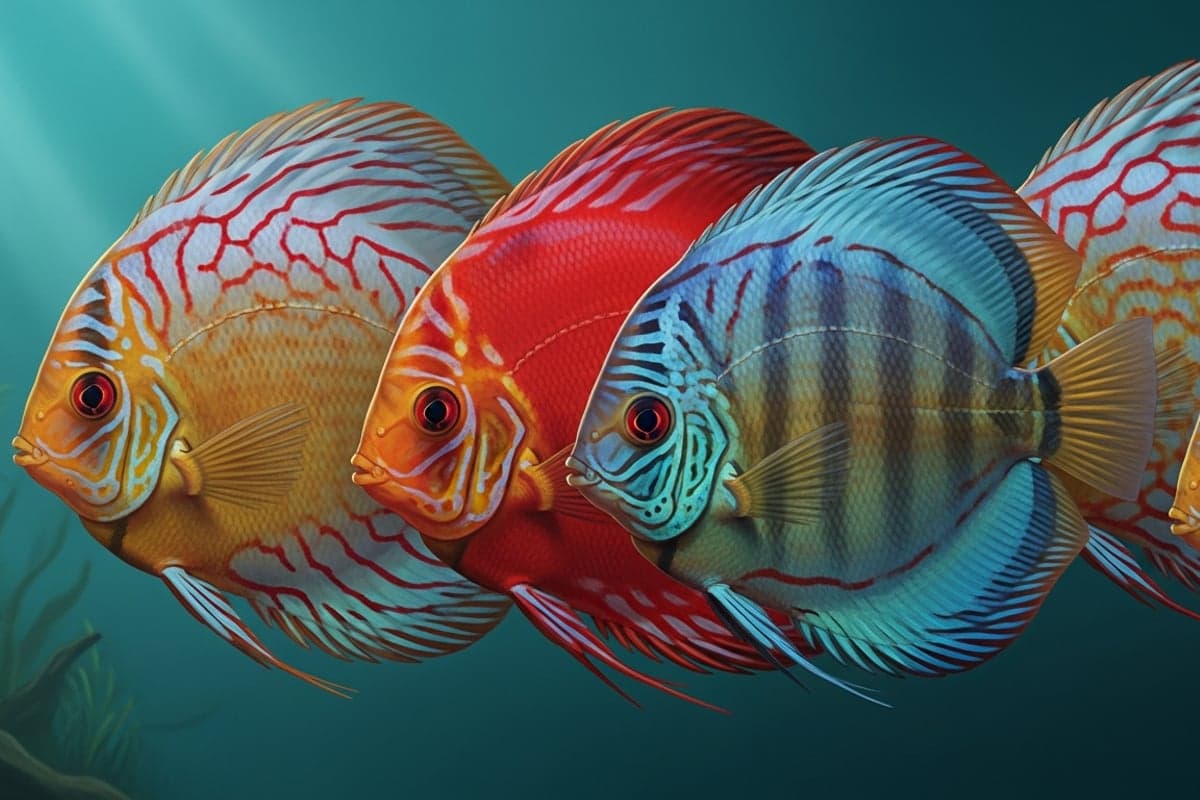
Few freshwater fish command the reverence afforded to the Discus (Symphysodon aequifasciatus). Originating from the slow-moving tributaries, floodplain lakes, and oxbow lagoons of the Amazon River basin, these laterally compressed cichlids have earned the title "King of the Aquarium" through a combination of striking disc-shaped morphology, an extraordinary palette of colour variants, and a social intelligence rarely seen outside of marine species. Three recognised species within the genus Symphysodon — S. aequifasciatus (green/brown Discus), S. discus (Heckel Discus), and S. tarzoo (blue Discus) — form the genetic foundation for hundreds of selectively bred colour morphs now available in the hobby.
At The Fish Collection, we have imported wild-caught Discus from Tefé, Manacapuru, and the Rio Negro drainage since 2013, and we maintain conditioning protocols for both wild and domestic strains. The species' reputation as "difficult" is only partly deserved: Discus are not fragile, but they are unforgiving of inconsistency. Stable water chemistry, a disciplined water-change regimen, and a protein-rich diet are the three pillars of successful Discus keeping. Deviate from any one of them, and the fish will let you know — through colour fade, appetite loss, and susceptibility to opportunistic pathogens.
This guide provides a comprehensive framework for keeping Discus in the home aquarium, from selecting healthy stock through to breeding pairs and raising fry. Whether you are setting up your first Discus tank or refining an established colony, every recommendation below is grounded in hands-on practice, not forum lore.
Natural Habitat
Wild Discus inhabit the lentic and slow-lotic waters of the greater Amazon drainage, with the highest population densities found along the central and lower Amazon — particularly the Rio Negro, Rio Madeira, and the Lake Tefé complex. These blackwater and clearwater habitats share several defining characteristics: extremely low mineral content (TDS often below 30 ppm), acidic pH ranging from 4.5 to 6.8 depending on season, and temperatures that hover between 28 °C and 32 °C year-round.
Discus favour areas with submerged root tangles, fallen hardwood branches, and overhanging riparian vegetation that provides shade and refuge from aerial predators. The substrate is typically fine sand blanketed by decomposing leaf litter, which leaches tannins and humic acids into the water column and contributes to the characteristic tea-brown colouration of blackwater rivers. Light penetration in these environments is minimal — an important consideration when designing aquarium lighting.
Seasonally, the Amazon basin experiences dramatic flood cycles. During the wet season (December–May), water levels can rise 10–15 metres, inundating the surrounding várzea and igapó forests and dispersing Discus into shallow, food-rich floodplain habitats. The dry season concentrates fish into deeper pools where competition intensifies and social hierarchies become more rigid. This seasonal fluctuation likely drives the species' strong social bonding behaviour and hierarchical group structure, traits that persist in captivity and make group housing essential for psychological well-being.
Tank Requirements
Tank Dimensions & Layout
Discus are a shoaling cichlid that must be kept in groups of six or more to diffuse aggression and allow natural social hierarchies to form. For a group of six adults, a 75-gallon (285 L) aquarium is the working minimum, with dimensions of at least 120 cm long × 45 cm wide × 50 cm tall (48 × 18 × 20 inches). Because Discus are deep-bodied fish that occupy the mid-water column, tank height matters more than it does for most freshwater species — aim for a minimum internal height of 50 cm.
For groups of eight to twelve, step up to a 125-gallon (475 L) system measuring 180 × 50 × 55 cm. This provides the swimming volume needed to prevent territorial compression while also creating enough visual barriers for subordinate fish to escape dominant individuals. Furnish the tank with vertically oriented driftwood pieces (Malaysian bogwood, Manzanita) and broad-leaved plants such as Amazon swords (Echinodorus spp.), Anubias, and Java fern. Avoid sharp decorations that could damage the Discus' delicate lateral skin.
Many experienced Discus keepers opt for bare-bottom or thin-sand-substrate tanks to facilitate the aggressive cleaning regimen the species demands. Bare bottoms allow uneaten food and waste to be siphoned easily during daily water changes. If aesthetics are a priority, a 1–2 cm layer of fine pool-filter sand is acceptable, but avoid gravel deeper than 3 cm, which traps detritus and creates anaerobic pockets.
Filtration & Flow
Biological filtration should deliver a turnover rate of 6–8× the tank volume per hour. For a 75-gallon system, that translates to a combined pump output of roughly 1,700–2,300 litres per hour. A large canister filter (Fluval FX4/FX6 or Eheim 2262) paired with a sponge pre-filter is the most common setup. Sump-based systems are superior for larger colonies because they increase total water volume and centralise equipment, but they introduce additional plumbing that must be leak-proofed — Discus keepers change water daily, and every connection is a potential failure point.
Flow must be gentle. Discus are not strong swimmers and will become stressed in high-current environments. Direct the filter outlet along the back glass or use a spray bar to diffuse flow across the tank length. Surface agitation should be sufficient for gas exchange but not so vigorous that it creates visible rippling — Discus prefer calm, almost still water.
Lighting
Moderate lighting in the 6,500–7,500 K colour temperature range displays Discus colouration accurately without the intensity that causes washed-out pigmentation. A dimmable LED fixture set to 40–60% output on a 7–9 hour photoperiod works well. Floating plants (Salvinia, Amazon frogbit) can be used to create dappled shade zones that mimic the natural canopy cover Discus are accustomed to. Avoid metal halides and high-output T5 fixtures positioned too close to the water surface — the heat output can destabilise tank temperature.
Water Parameters
Water quality is the single most important factor in Discus husbandry. These fish evolved in some of the cleanest, most mineral-poor freshwater environments on Earth, and they remain physiologically adapted to those conditions. Target the following parameters:
- Temperature: 28–30 °C (82–86 °F). This is non-negotiable. Discus kept below 27 °C become lethargic, refuse food, and develop suppressed immune function. Use a reliable inline or titanium heater with a digital controller accurate to ±0.5 °C.
- pH: 5.5–7.0. Wild-caught Discus from blackwater localities may require pH below 6.0, while tank-bred Asian strains tolerate up to 7.0. Stability is paramount — a steady pH of 6.8 is far safer than oscillating between 5.5 and 6.5.
- General Hardness (GH): 1–8 dGH (18–140 ppm). Soft water is preferred; very hard water (>12 dGH) inhibits mucus coat health.
- KH: 1–4 dKH. Buffer with crushed coral or sodium bicarbonate only if your KH drops below 1 dKH, which risks pH crashes.
- Ammonia / Nitrite: 0 ppm — always.
- Nitrate: <10 ppm. Discus are more sensitive to nitrate accumulation than most tropical fish. This is why daily or every-other-day water changes of 25–50% are standard practice in dedicated Discus tanks.
- TDS: 50–200 ppm. An RO/DI unit is essential if your tap water exceeds 250 ppm TDS.
The daily water-change regimen is the aspect of Discus keeping that deters most hobbyists. It is, however, the single practice that separates thriving Discus from merely surviving ones. Automate the process with a drip system connected to an RO reservoir, or commit to manual changes with temperature-matched, dechlorinated water. There is no shortcut.
Diet & Feeding
Discus are omnivores with a strong preference for protein-rich foods. In the wild, they graze on algal biofilms, small invertebrates, detritus, and the mucus secretions of conspecifics (fry feed exclusively on parental mucus for the first two weeks of life). In captivity, a varied diet promotes vivid colouration, robust immune function, and breeding condition.
A proven feeding schedule for adult Discus (10+ cm) includes:
- Morning: Frozen bloodworms (Hikari or San Francisco Bay Brand — gamma-irradiated to reduce parasite risk) or frozen brine shrimp enriched with Spirulina.
- Midday: High-quality Discus granules — Sera Discus Granules, Tetra Prima, or NorthFin Discus Formula. Soak pellets for 30 seconds before feeding to prevent air ingestion.
- Evening: Homemade beef heart mix (lean beef heart blended with prawns, spinach, garlic, paprika, and multivitamin supplement, frozen in flat sheets and broken into portions). Despite controversy in online forums, beef heart remains the cornerstone diet of virtually every award-winning Discus breeder in Asia and Europe.
Feed two to three times daily, offering only what the group consumes within 3–5 minutes. Remove uneaten food promptly. Juveniles (under 8 cm) should be fed four to five times daily to support rapid growth — underfeeding juveniles is the most common cause of stunted Discus in the hobby. Supplement once weekly with blanched spinach or zucchini to provide dietary fibre.
Behaviour & Temperament
Discus are social, hierarchical cichlids that form stable dominance structures within their group. A well-established colony will have one or two dominant individuals who feed first and claim preferred positions in the tank, with subordinate fish arranging themselves accordingly. This hierarchy is normal and beneficial — it reduces overall aggression by establishing clear social roles.
Problems arise when group sizes are too small. In groups of fewer than six, dominant individuals concentrate aggression on one or two subordinates, which can lead to chronic stress, colour darkening, appetite loss, and eventual death. The solution is always to increase group size, not decrease it. If a fish is being bullied, add more Discus to diffuse the aggression rather than removing the victim (which simply redirects bullying to the next-lowest-ranking individual).
Discus communicate through body language: colour intensity, fin posture, lateral displays, and head-down threat postures. Darkening of the vertical bars typically indicates stress or submission, while vibrant, evenly coloured fish with erect dorsal fins are dominant and healthy. Learning to read these signals allows you to identify problems before they become clinical.
Compatible Tank Mates
Tank mates must tolerate the high temperatures (28–30 °C) Discus require and must not be fin-nippers, food competitors, or disease vectors. Proven companions include:
- Cardinal Tetras (Paracheirodon axelrodi) — The classic Discus dither fish. Keep in schools of 20+ for the best visual effect and natural behaviour.
- Rummy-Nose Tetras (Hemigrammus rhodostomus) — Excellent temperature-compatible schooling fish that also serve as water-quality indicators (their nose colouration fades in poor conditions).
- Corydoras sterbai — One of the few Corydoras species comfortable above 28 °C. Keeps the substrate clean without disturbing Discus.
- Bristlenose Pleco (Ancistrus spp.) — Useful algae control, though monitor for nocturnal latching onto Discus flanks.
- Ram Cichlids (Mikrogeophagus ramirezi) — Share identical water parameter preferences and occupy the lower water column.
Avoid Angels (Pterophyllum), which carry and transmit pathogens that Discus are particularly susceptible to. Also avoid barbs, larger cichlids, and any fast-moving species that will outcompete Discus at feeding time.
Breeding
Discus are biparental substrate spawners. A bonded pair will clean a vertical surface — typically a broad leaf, a piece of slate, or the aquarium glass — and deposit 100–400 adhesive eggs in neat rows. Both parents guard the clutch, fanning the eggs to maintain oxygenation and removing any that develop fungus. Eggs hatch in approximately 48–60 hours at 30 °C, and the wrigglers remain attached to the spawning surface via adhesive head glands for an additional 48–72 hours before becoming free-swimming.
The most remarkable aspect of Discus reproduction is parental mucus feeding. For the first 10–14 days after becoming free-swimming, fry attach to the flanks of both parents and feed on a nutrient-rich mucus secretion produced by specialised epidermal cells. This behaviour is obligatory — fry cannot be raised successfully without parental mucus during this critical window (though some breeders have developed artificial mucus-substitute protocols with mixed results).
To trigger spawning, condition the pair with high-protein feeds (bloodworms, beef heart) for two to three weeks, then perform a 50% water change with slightly cooler (26 °C), very soft (1–2 dGH) RO water to simulate the onset of the rainy season. Raise temperature to 30–31 °C. Most pairs will spawn within 48–96 hours of this conditioning protocol. Separate the breeding pair into a dedicated 40–50 gallon tank with a sponge filter and a spawning cone or vertical slate — this prevents egg predation by tank mates and reduces parental stress.
Common Health Issues
Hole-in-the-Head Disease
Hole-in-the-head (HITH), also called head and lateral line erosion (HLLE), presents as pitted lesions on the head and along the sensory lateral line. The condition is multifactorial: the flagellate protozoan Hexamita is frequently implicated, but nutritional deficiency (particularly vitamins C and D), poor water quality, and activated carbon use have all been correlated with outbreaks. Treatment involves metronidazole (250 mg per 40 litres, repeated every 48 hours for three doses) combined with improved diet and water-change frequency. Remove activated carbon from filtration during treatment.
Internal Parasites
Wild-caught Discus almost universally harbour intestinal flagellates (Hexamita, Spironucleus) and nematodes (Capillaria). Symptoms include white, stringy faeces, appetite loss, and progressive emaciation despite feeding. Prophylactic deworming with levamisole (13 mg/L bath for 24 hours) followed by a metronidazole course is standard quarantine protocol for new arrivals. Captive-bred Discus from reputable farms are less likely to carry heavy parasite loads but should still be quarantined for a minimum of four weeks before introduction to an established colony.
Other conditions to monitor include bacterial gill disease (often triggered by ammonia spikes), Ichthyophthirius (white spot — treat by raising temperature to 32 °C and adding 2 g/L aquarium salt for 10 days), and Discus plague, a poorly characterised viral condition that causes rapid darkening, mucus overproduction, and high mortality in newly mixed groups. The best prevention for all pathologies is strict quarantine, stable water chemistry, and a robust immune system maintained through proper nutrition.