Overview
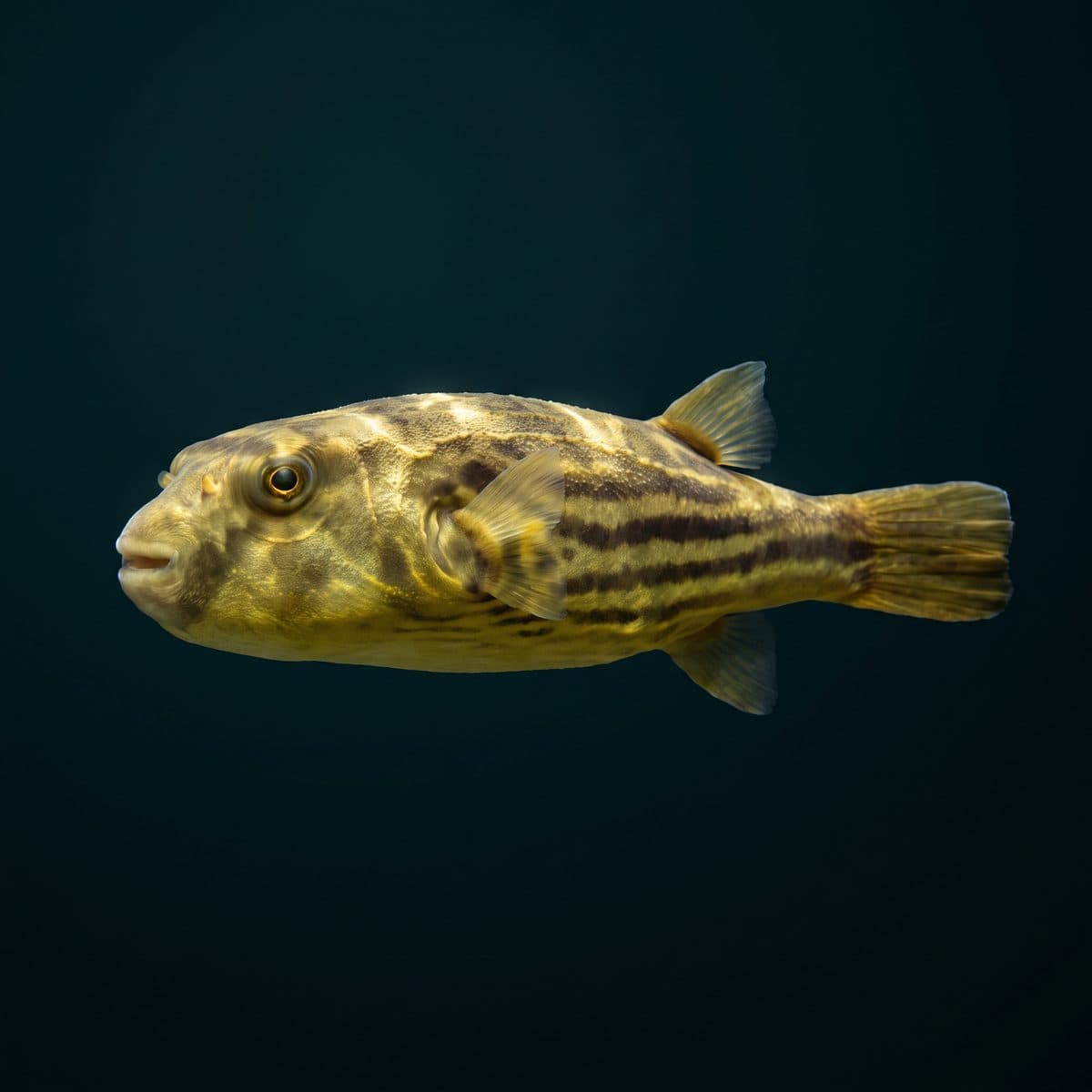
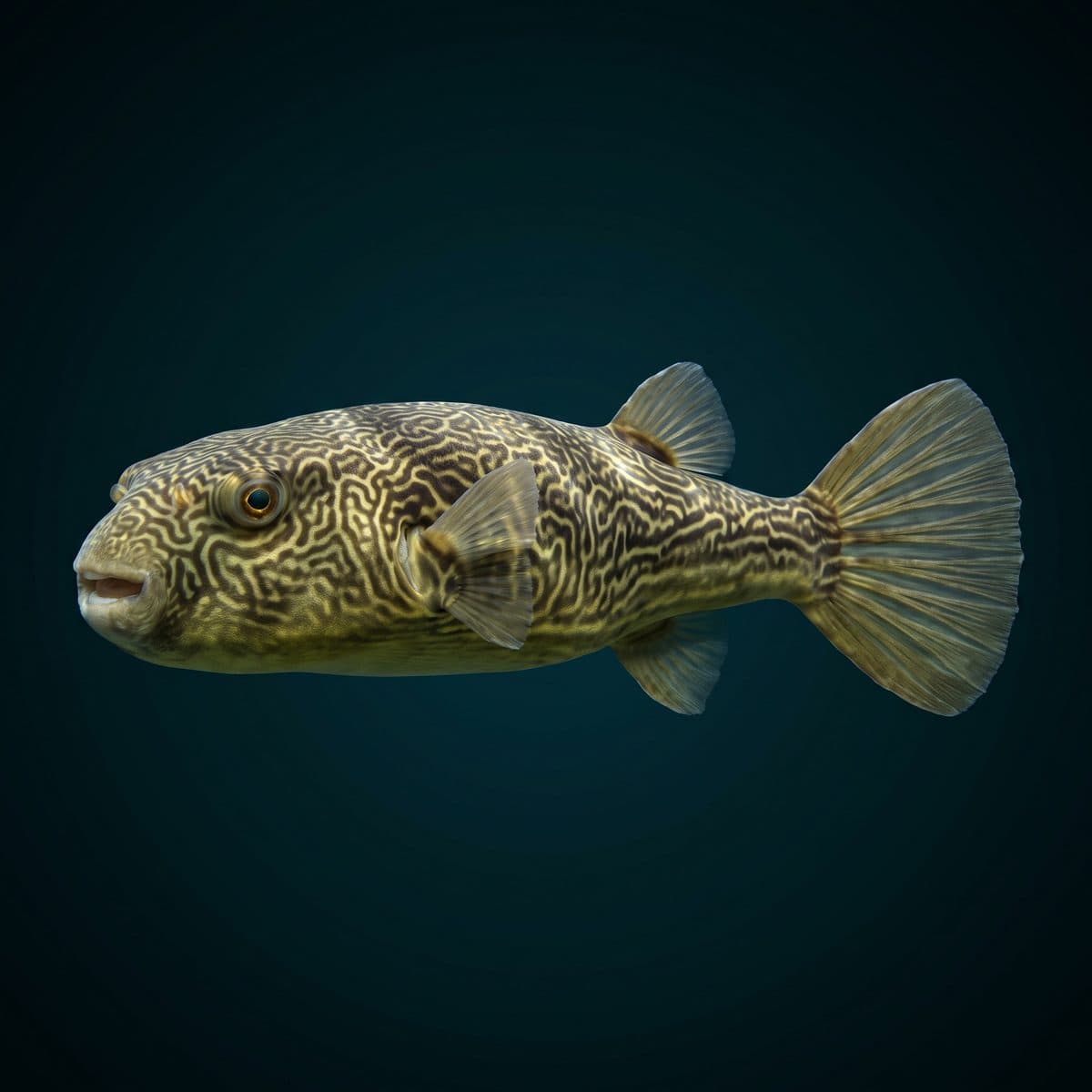
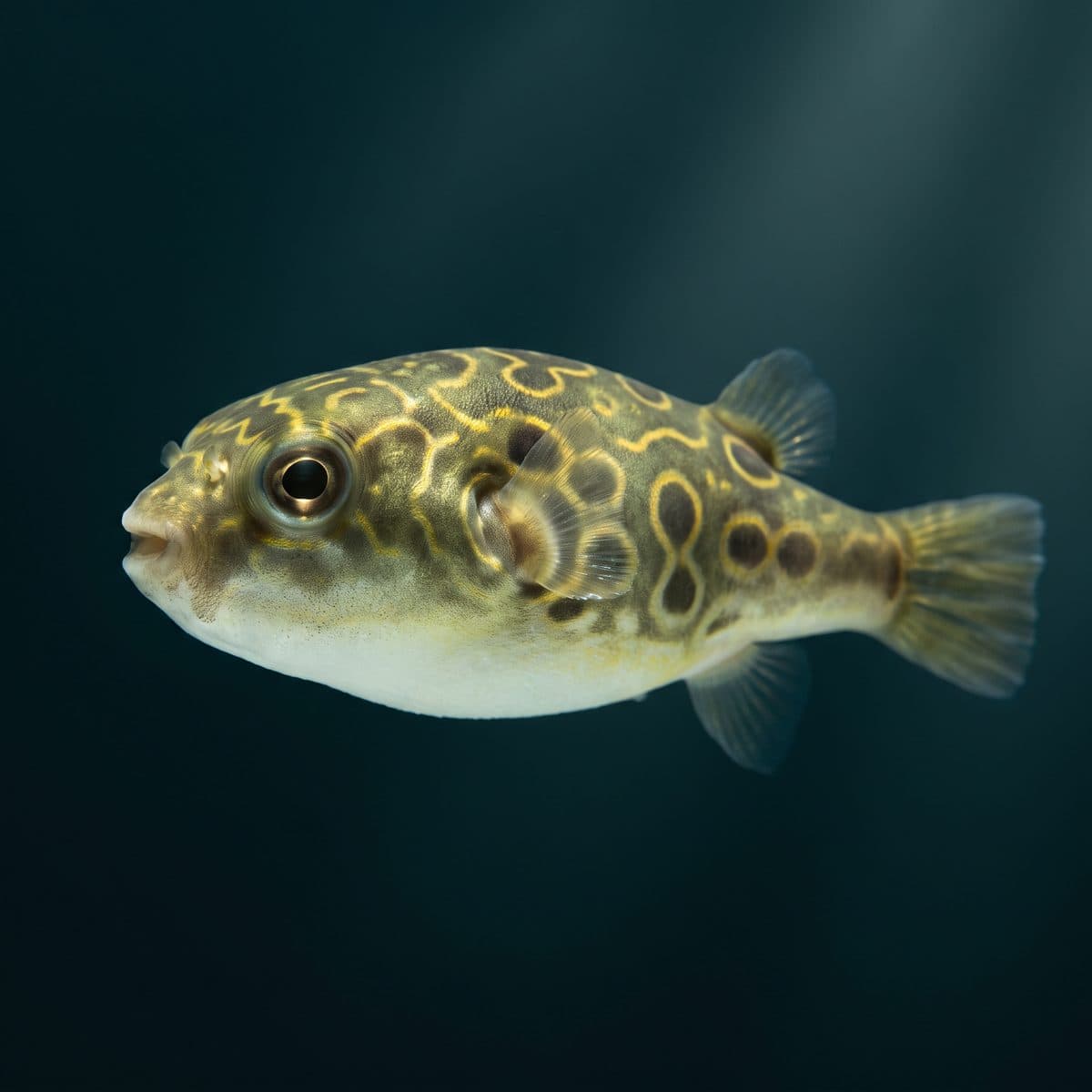
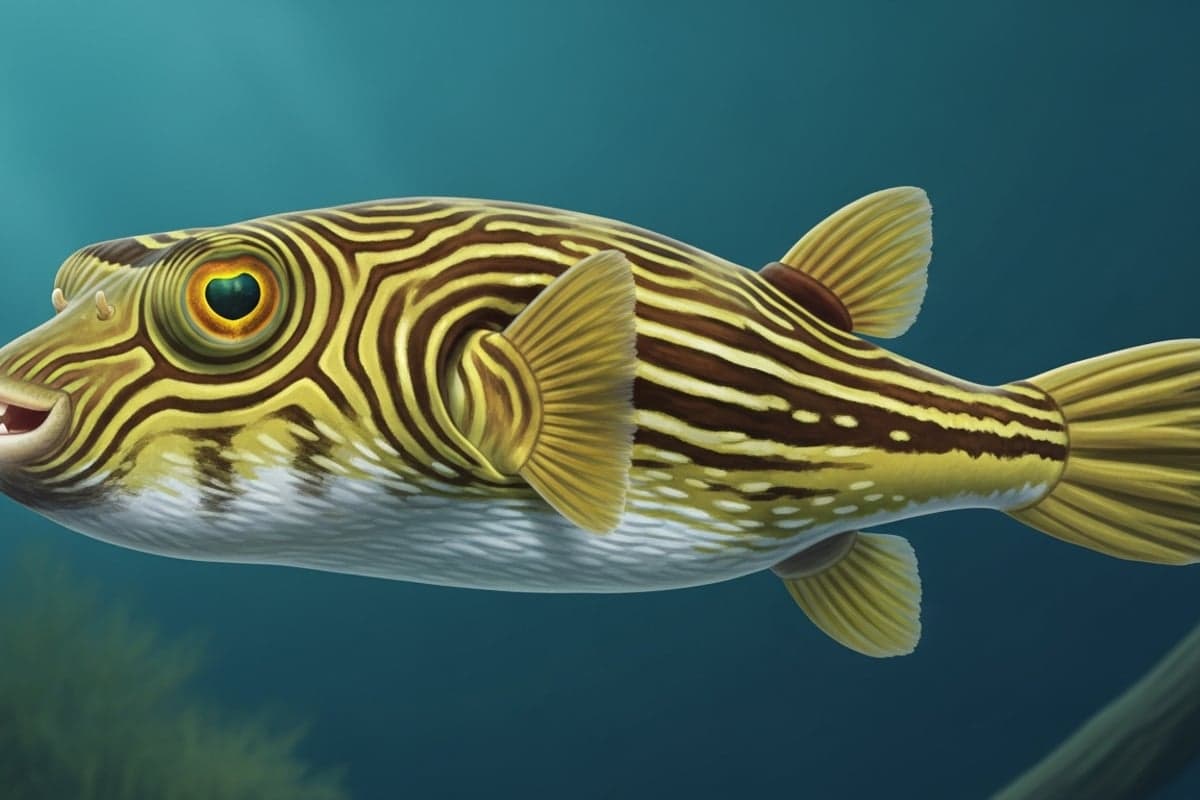
The Fahaka Pufferfish (Tetraodon lineatus), also known as the Nile Puffer or Lineatus Puffer, is an apex freshwater predator from the river systems of Africa. Among the family Tetraodontidae, the Fahaka stands out for its sheer size — adults routinely exceed 40 cm (16 inches) in captivity — its extraordinary intelligence, and its capacity for outright violence toward any living creature that enters its territory. These are not community fish by any definition. They are solo-specimen animals that demand a dedicated pufferfish aquarium, a specialised diet, and an owner prepared for a long-term, one-fish commitment.
What makes the Fahaka uniquely rewarding despite these challenges is its behavioural complexity. Fahakas recognise their keepers, follow fingers along the glass, beg for food with exaggerated body language, and display problem-solving abilities rarely documented in freshwater fish. They are, in many respects, more comparable to keeping a reptile or a small mammal than a typical aquarium fish. At The Fish Collection, we consider the Fahaka one of the most engaging species we work with — provided the keeper understands exactly what they are signing up for.
This guide covers every aspect of Fahaka Pufferfish husbandry, from the critical importance of hard-shell feeding for beak maintenance to the realities of managing a powerful, messy predator that produces waste at a rate disproportionate to its body size. If you are considering a Fahaka, read this guide in its entirety before purchasing — returns are not possible once this fish has decided your tank is its territory.
Natural Habitat
Wild Tetraodon lineatus are distributed across the Nile River drainage from Egypt south to Lake Turkana, and throughout the major river systems of West Africa including the Niger, Volta, Senegal, and Chad basins. They inhabit a variety of freshwater environments: main river channels with moderate current, vegetated floodplain margins, lake shores, and irrigation canals. Unlike many pufferfish species that require brackish or marine conditions, the Fahaka is an obligate freshwater species throughout its entire life cycle.
The waters these fish inhabit are typically alkaline (pH 7.0–8.5), moderately hard (10–20 dGH), and warm (24–30 °C). Substrate ranges from sandy riverbeds to rocky outcrops depending on locality. Fahakas are ambush predators that position themselves among submerged vegetation, root structures, or rock crevices and strike at passing prey — primarily gastropod molluscs, bivalves, crustaceans, and smaller fish. Their powerful beak (a fused dental plate unique to the Tetraodontidae) is specifically adapted to crush the shells of these hard-bodied prey items.
During seasonal flooding, Fahakas disperse into inundated floodplain areas where food is abundant. As waters recede, they concentrate in deeper river channels and lake margins. This seasonal cycle of abundance and scarcity may explain the species' voracious appetite and aggressive resource-guarding behaviour in captivity — in the wild, defending a productive feeding territory during the dry season is a survival imperative.
Tank Requirements
Tank Dimensions & Decor
An adult Fahaka Pufferfish requires a minimum 125-gallon (475 L) aquarium, with dimensions of at least 180 cm long × 50 cm wide × 50 cm tall (72 × 20 × 20 inches). For specimens that reach full 45 cm potential, a 180-gallon (680 L) system is strongly preferred. Length and width are more important than height — Fahakas patrol all levels of the water column but need lateral swimming space to maintain muscle tone and healthy behaviour.
Décor should provide visual barriers and environmental enrichment without creating entrapment hazards. Fahakas are curious and will attempt to wedge themselves into gaps — use smooth river rocks, large driftwood pieces with no sharp edges, and robust artificial or live plants (Anubias, Java fern — anything delicate will be destroyed). Leave at least 60% of the tank as open swimming space. A sand substrate is preferred; Fahakas enjoy digging and will rearrange fine sand as part of their natural behaviour. Avoid gravel, which can be ingested and cause impaction.
Filtration & Flow
Fahakas are extraordinarily messy eaters. They crush hard-shelled prey, spitting fragments of shell, tissue, and organs into the water column. Filtration must be massively overrated — target a combined turnover of 10–12× the tank volume per hour. A large sump (60+ gallons) with a wet/dry trickle tower and a canister filter for mechanical polishing is the most reliable configuration. UV sterilisation (36–57 watts) is highly recommended to control the bacterial blooms that result from the protein-rich waste this species generates.
Moderate flow is tolerated and even beneficial — Fahakas are strong swimmers that appreciate a gentle current along the tank length. Avoid dead spots where waste can accumulate, particularly behind décor items.
Lighting
Standard aquarium LED lighting on a 8–10 hour photoperiod is appropriate. Fahakas are diurnal and active under normal lighting conditions. There are no special spectral requirements, though moderate intensity (50–70% output) provides the best visual display of the fish's striking striped patterning without causing stress.
Water Parameters
Fahaka Pufferfish are adaptable to a range of freshwater conditions but perform best in slightly alkaline, moderately hard water that reflects their native Nile-basin habitat:
- Temperature: 24–28 °C (75–82 °F). A reliable heater with a digital controller is sufficient.
- pH: 7.0–8.0. Stability matters more than exact value. The species tolerates up to 8.5 without issue.
- GH: 8–20 dGH. Moderate hardness supports beak health and overall osmoregulation.
- KH: 5–15 dKH. The higher buffering capacity of alkaline conditions provides excellent pH stability.
- Ammonia / Nitrite: 0 ppm — always. Fahakas are scaleless and lack the protective mucus coat of scaled fish, making them more sensitive to dissolved wastes.
- Nitrate: <20 ppm. Given the heavy waste load, 30–40% weekly water changes are standard, with many keepers performing twice-weekly changes.
Avoid all copper-based medications — pufferfish are extremely sensitive to copper, and doses safe for scaled fish can be lethal for Tetraodontids. When treating disease, always use pufferfish-safe alternatives and dose conservatively.
Diet & Feeding
Diet is the single most critical aspect of Fahaka Pufferfish care, because it directly determines beak health. Fahakas possess a fused dental plate — the "beak" — composed of four continuously growing tooth plates (two upper, two lower). In the wild, crushing hard-shelled prey naturally wears these plates down. In captivity, a diet lacking sufficient hard-shelled items causes beak overgrowth, which can prevent the fish from eating and ultimately proves fatal without veterinary intervention.
A balanced weekly feeding schedule for an adult Fahaka includes:
- 3–4 times weekly: Hard-shelled items — pond snails (Ramshorn, Malaysian Trumpet Snails), whole unshelled prawns, crayfish, mussels in half-shell, and clams. These are non-negotiable and must form the bulk of the diet.
- 1–2 times weekly: Supplementary protein — market shrimp (shell-on), earthworms, silversides, and squid strips.
- 1 time weekly: Fast day. Fahakas are prone to obesity and fatty liver disease if overfed.
Feed every other day for adults, daily for juveniles under 15 cm. Offer only what the fish consumes within 5 minutes and remove all shell fragments and uneaten food promptly. Breeding your own snail colonies (Ramshorn snails breed prolifically in a dedicated 10-gallon tank with vegetable scraps) provides a continuous, cost-effective supply of the most important dietary component.
Beak Maintenance
Monitor beak length by observing the fish head-on during feeding. The upper and lower plates should meet evenly, allowing the fish to crush food without difficulty. If you notice the fish struggling to eat, dropping food, or if the beak plates are visibly protruding beyond the lip line, the beak is overgrown and requires trimming. Beak trimming is a veterinary procedure performed under clove oil anaesthesia using bone rongeurs or a Dremel tool — it is not a DIY procedure for inexperienced keepers. Prevention through proper diet is vastly preferable to corrective trimming.
Behaviour & Temperament
Fahaka Pufferfish are the most aggressive commonly kept freshwater pufferfish species. They are territorial, predatory, and will attack and kill any fish, invertebrate, or amphibian placed in their tank — including fish twice their size. This aggression is not circumstantial or manageable through tank design; it is a fundamental behavioural trait. Fahakas must be housed alone in a species-only aquarium. No exceptions.
Despite their aggression toward tank mates, Fahakas are remarkably interactive with their keepers. They learn to recognise individual people, will swim to the front of the tank when their owner approaches, and can be hand-fed (with caution — their beak can cause serious injury). They exhibit exploratory behaviour, rearranging substrate and investigating new objects with a curiosity more reminiscent of a parrot than a fish. This intelligence, combined with their expressive eyes and range of body language (colour changes, inflation, gill flaring), makes them one of the most psychologically engaging species in the freshwater hobby.
Compatible Tank Mates
None. Fahaka Pufferfish are obligate solitary specimens. Any fish, snail, shrimp, or other animal placed in their tank will eventually be killed and eaten. This includes armoured catfish, fast-moving fish, and species that keepers sometimes assume are "too tough" to be bothered — Fahakas are persistent and will wear down any tank mate over time. The only living organisms that can share their tank are nuisance snails intentionally added as food. Committing to a Fahaka means committing to a single-species display.
Breeding
Captive breeding of Tetraodon lineatus has been achieved on rare occasions but remains exceptionally difficult. In the wild, spawning occurs during the flood season in shallow, vegetated floodplain areas. Males establish territories and court females with colour intensification and circling displays. Eggs are scattered among fine-leaved vegetation and left unguarded.
The primary obstacle to captive breeding is the species' extreme aggression. Introducing a second Fahaka to an established territory almost invariably results in severe injury or death, even between opposite-sex individuals. The few successful breeding reports describe very large (500+ gallon) pond-style setups where a pair was raised together from juvenile stage, with elaborate visual barriers and multiple feeding stations to reduce confrontation. Eggs hatched in 5–7 days at 26 °C, and fry were raised on infusoria followed by baby brine shrimp. This is not a breeding project for hobbyists — it requires institutional-scale resources and accepted risk of losing specimens.
Common Health Issues
Overgrown Beak
Beak overgrowth is the most common and most preventable health issue in captive Fahakas. When the four fused tooth plates are not worn down through regular consumption of hard-shelled prey, they grow inward and outward, eventually preventing the mouth from closing properly. Early signs include difficulty eating, food dropping, asymmetric jaw movement, and visible plate protrusion. Treatment requires anaesthesia (clove oil, 3–5 drops per litre until gill movement slows) and careful trimming by an experienced aquatic veterinarian. Prevention is straightforward: ensure hard-shelled foods comprise at least 60% of the diet. A thriving snail breeding colony is the Fahaka keeper's most important piece of equipment.
Internal Parasites
Wild-caught Fahakas frequently carry intestinal nematodes and flagellates. Symptoms include stringy white faeces, appetite reduction, and gradual weight loss. Treat with praziquantel (5 mg/L bath for 24 hours, repeat in 14 days) for nematodes and metronidazole (250 mg per 40 L every 48 hours for three treatments) for flagellates. Never use copper-based medications or malachite green on pufferfish — these compounds are highly toxic to scaleless Tetraodontids. Quarantine all new specimens for six weeks before finalising placement in a display tank.
Other concerns include Ichthyophthirius (treat with raised temperature to 30 °C and 2 g/L aquarium salt — no formalin or malachite green), and obesity/fatty liver disease from overfeeding. Maintain a strict feeding schedule with one fasting day per week, and avoid feeding mammalian proteins (beef heart, chicken) which Fahakas cannot metabolise efficiently.