
Easy
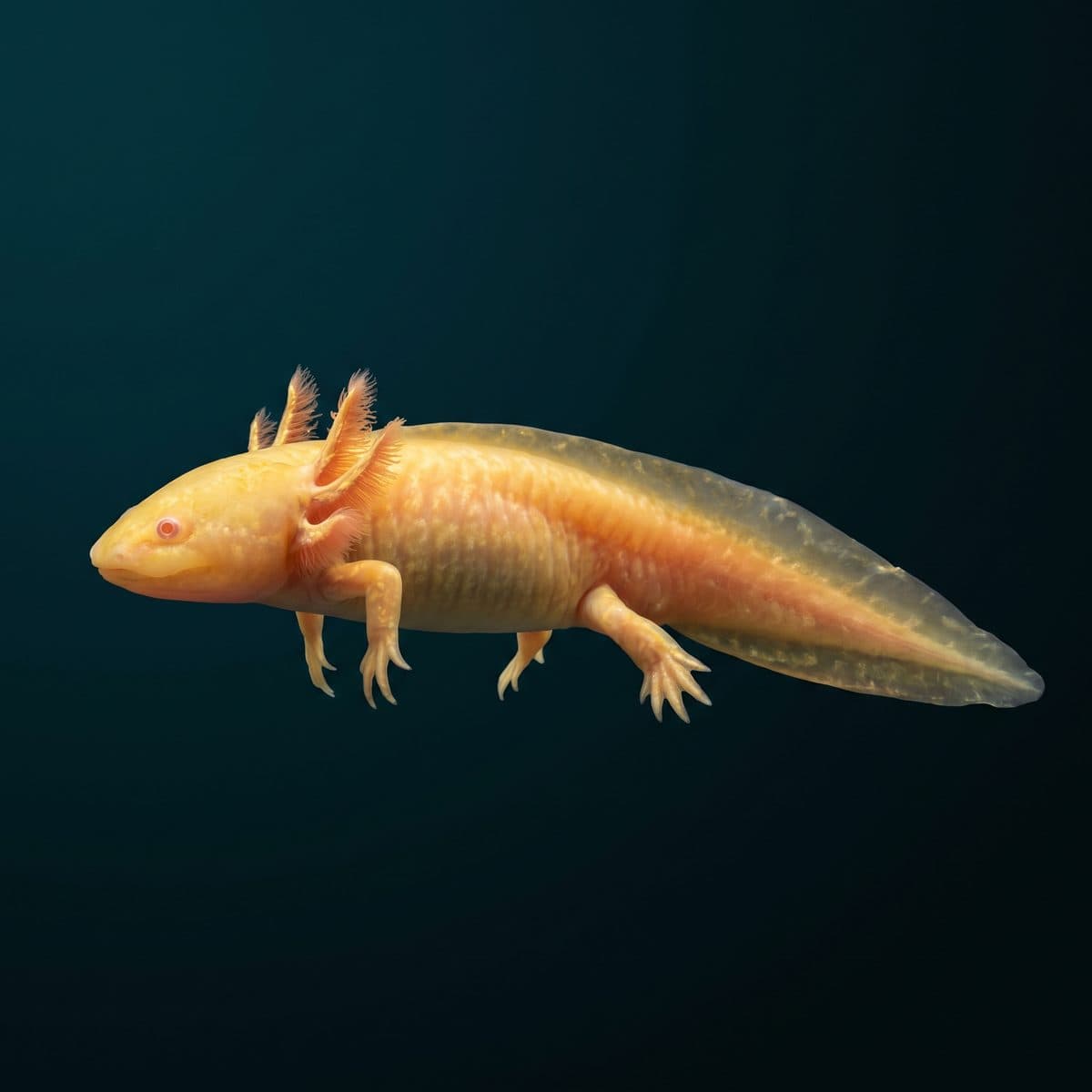
Golden Albino Axolotl
Ambystoma mexicanum
a partir de R$ 273,35Get a quote
Ambystoma mexicanum
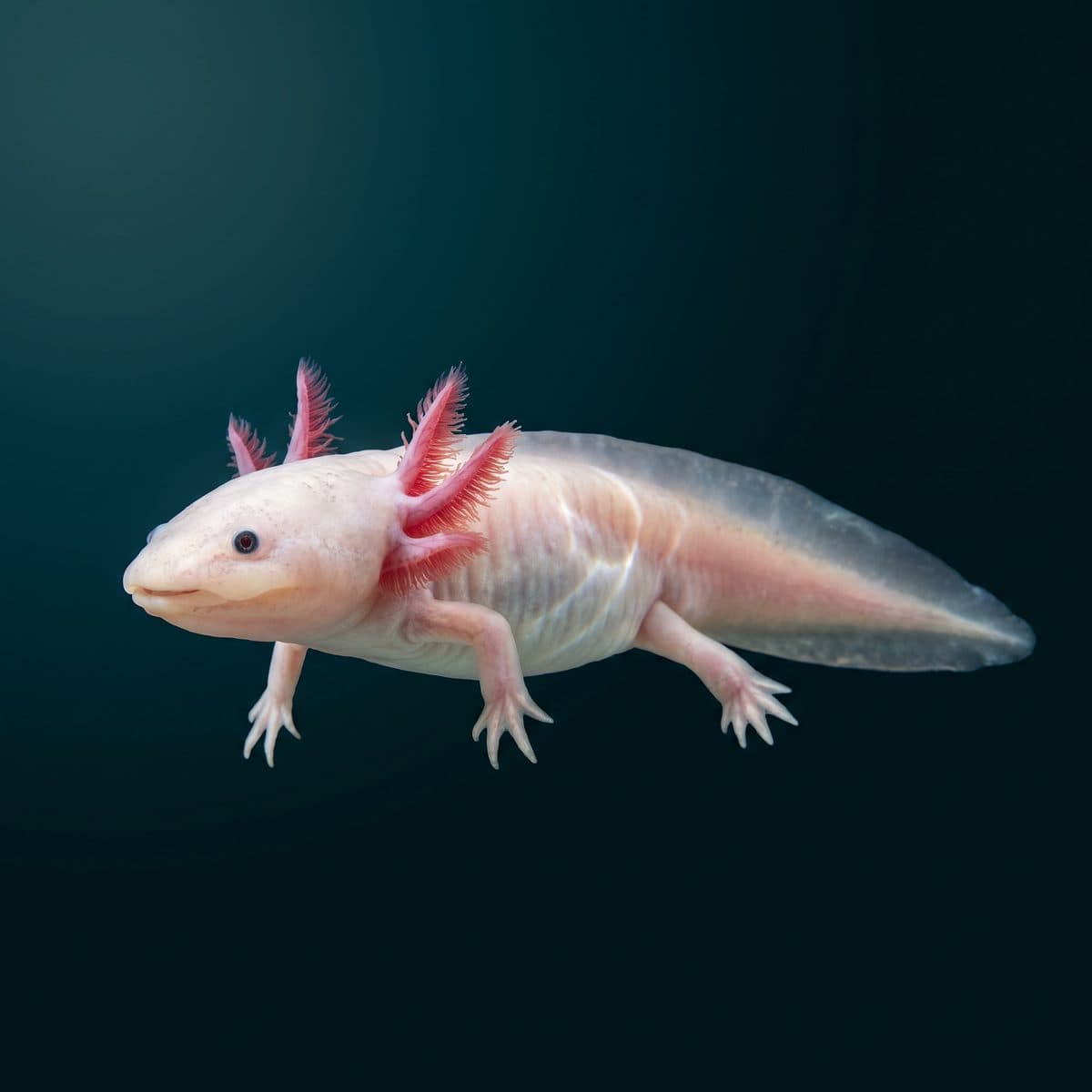
The Leucistic Axolotl — affectionately known as the "Lucy" among keepers — is the most iconic colour morph of Ambystoma mexicanum and the specimen that has single-handedly propelled axolotls from niche oddity to mainstream fascination. Its translucent, pale pink-white body is punctuated by dark, expressive eyes and a crown of feathery external gills that flush a deep crimson when the animal is well-oxygenated and relaxed. The visual effect is otherworldly: a creature that looks as though it was designed for a fantasy film, yet is entirely real and thriving in properly maintained cold-water aquaria around the globe. The Fish Collection sources our Leucistic Axolotls from established captive-bred lineages descended from verified Mexican stock, ensuring genetic diversity and robust health from the moment they arrive at your door.
Insulated, oxygen-packed transit · live-arrival guaranteed
Tank size
20+ gallons
Temperamento
Peaceful
Dieta
Carnivore
Water
60–68°F · pH 6.5–8
Tell us what you're dreaming of — we'll reply with a price tailored to you.
Happy together
Not sure if this fish is right for you?
Our team will happily help you choose.
The Leucistic Axolotl — affectionately known as the "Lucy" among keepers — is the most iconic colour morph of Ambystoma mexicanum and the specimen that has single-handedly propelled axolotls from niche oddity to mainstream fascination. Its translucent, pale pink-white body is punctuated by dark, expressive eyes and a crown of feathery external gills that flush a deep crimson when the animal is well-oxygenated and relaxed. The visual effect is otherworldly: a creature that looks as though it was designed for a fantasy film, yet is entirely real and thriving in properly maintained cold-water aquaria around the globe. The Fish Collection sources our Leucistic Axolotls from established captive-bred lineages descended from verified Mexican stock, ensuring genetic diversity and robust health from the moment they arrive at your door.
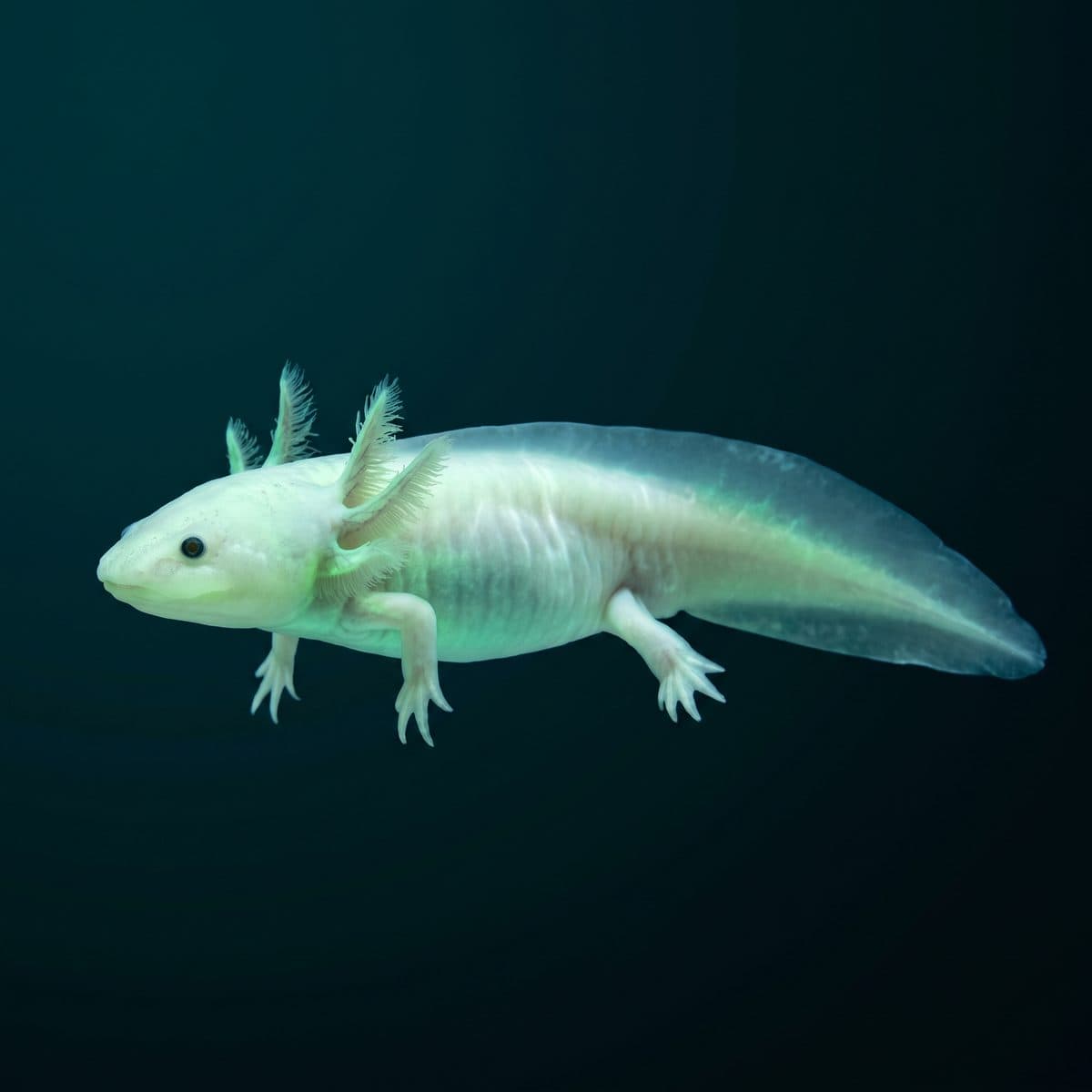
Understanding the leucistic morph requires a brief genetics primer. Unlike true albinos, leucistic axolotls retain melanin in their eyes, which is why their pupils are dark rather than the pink-red seen in albino variants. The rest of the body lacks the normal distribution of melanophores that would produce dark pigmentation, resulting in a creamy white to pale pink appearance. The gills, rich in blood vessels, display their natural red colouration unmasked by pigment — a feature that serves as a real-time health barometer. Pale, shrunken gills can indicate poor water quality or stress, while full, deeply red gill filaments confirm that conditions are optimal.
Housing a Leucistic Axolotl is a rewarding exercise in cold-water aquarium keeping — a refreshing departure from the heated tropical setups that dominate the hobby. A minimum 20-gallon long aquarium is required for a single adult, with an additional 10 gallons per extra axolotl if you plan to keep a group. The critical parameter is temperature: axolotls are cold-water animals that require 60 to 68 degrees Fahrenheit year-round. Temperatures above 72 degrees cause chronic stress, suppressed immune function, and eventually fatal fungal infections. In warmer climates, an aquarium chiller or a dedicated cool room is non-negotiable. Substrate should be fine sand or bare-bottom — gravel poses an impaction risk, as axolotls are indiscriminate suction feeders that will ingest anything that fits in their wide mouths.
Filtration must balance mechanical efficiency with gentle flow. Axolotls are not strong swimmers and become stressed in high-current environments. A sponge filter or a canister filter with a spray bar diffuser works well. The nitrogen cycle must be fully established before introducing an axolotl — these animals are sensitive to ammonia and nitrite at any detectable level. Weekly water changes of twenty to thirty percent maintain the pristine conditions that keep a leucistic axolotl's skin clear and gills vibrant.
Diet is straightforward and satisfying to manage. Earthworms (nightcrawlers) are the gold-standard staple — nutritionally complete and eagerly accepted by axolotls of all ages. Supplement with high-quality sinking pellets formulated for aquatic salamanders, frozen bloodworms for juveniles, and the occasional piece of raw, unseasoned shrimp or fish fillet as a treat. Feed juveniles daily and adults every two to three days. Overfeeding is the most common husbandry error; a slightly lean axolotl is far healthier than an obese one.
The Leucistic Axolotl occupies a unique cultural position. Ambystoma mexicanum is critically endangered in its native habitat — the ancient lake system of Xochimilco in Mexico City — making every captive-bred specimen a small act of species preservation. The axolotl's remarkable regenerative abilities, including the capacity to regrow entire limbs, portions of the heart, and even sections of the brain, have made it one of the most studied animals in biomedical research. Owning a leucistic axolotl connects you to a living lineage that stretches back to Aztec mythology, where the creature was associated with the god Xolotl.
The Fish Collection ships all axolotls in insulated cold-pack containers designed to maintain temperatures below 68 degrees throughout transit. Our live arrival guarantee is absolute, and our aquatics team is available post-purchase to advise on setup, feeding, and long-term care.
Perguntas Comuns
Recursos Especializados
Você Também Pode Gostar
a partir de R$ 223,65
Indicative price