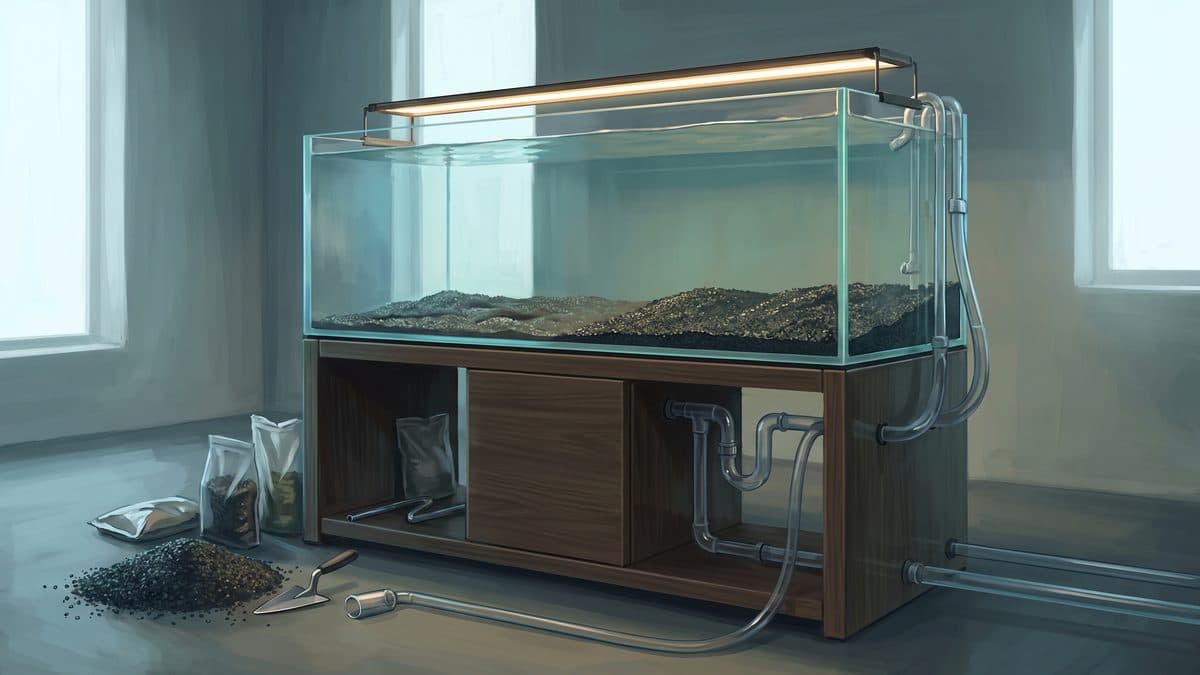
Planning Your Exotic Aquarium
Every successful exotic fish setup begins months before the first fish arrives. The single greatest predictor of long-term success is not budget — it is planning. You need to answer three questions before purchasing a single piece of equipment: What species will you keep? What are their non-negotiable environmental requirements? And what is the maximum footprint and electrical capacity your space can accommodate?
Exotic species are less forgiving than their common counterparts. A Discus will not tolerate pH swings that a Platy would shrug off. An Arowana that outgrows its tank develops permanent spinal deformity. A freshwater stingray housed on gravel instead of sand will abrade its ventral surface and develop fatal infections. The margin for error is narrow, and the cost of mistakes — measured in both money and animal welfare — is high.
At The Fish Collection, we consult with every client before shipping a specimen. This guide distils the same advice our aquatic biologists provide during those conversations.
Choosing the Right Tank
Bigger is almost always better, but dimensions matter as much as volume. A tall, narrow tank is useless for a stingray that needs floor space. A short, wide tank wastes potential for an Arowana that patrols the upper water column. Match the tank shape to your species' natural swimming behaviour.
Tank Size by Species Category
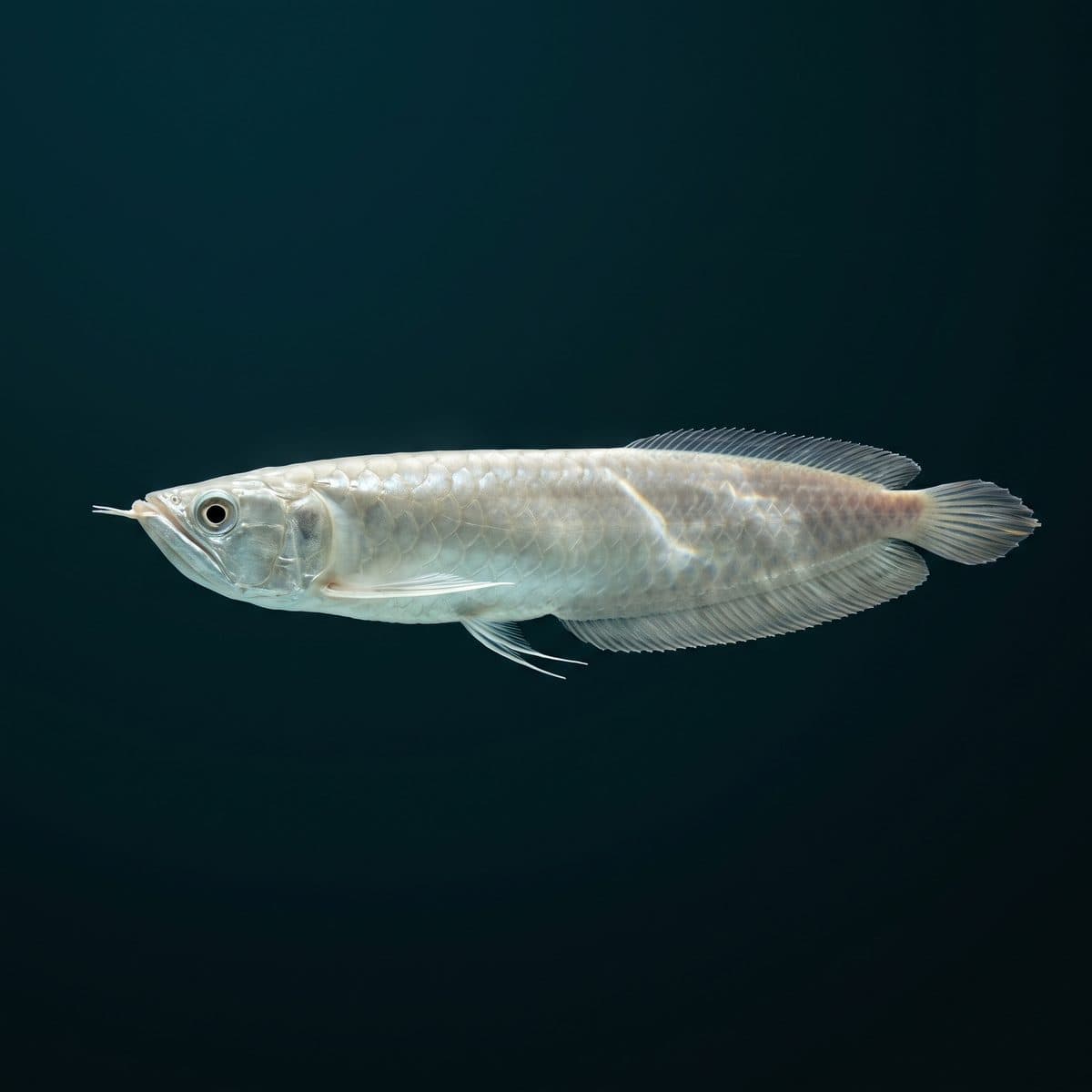
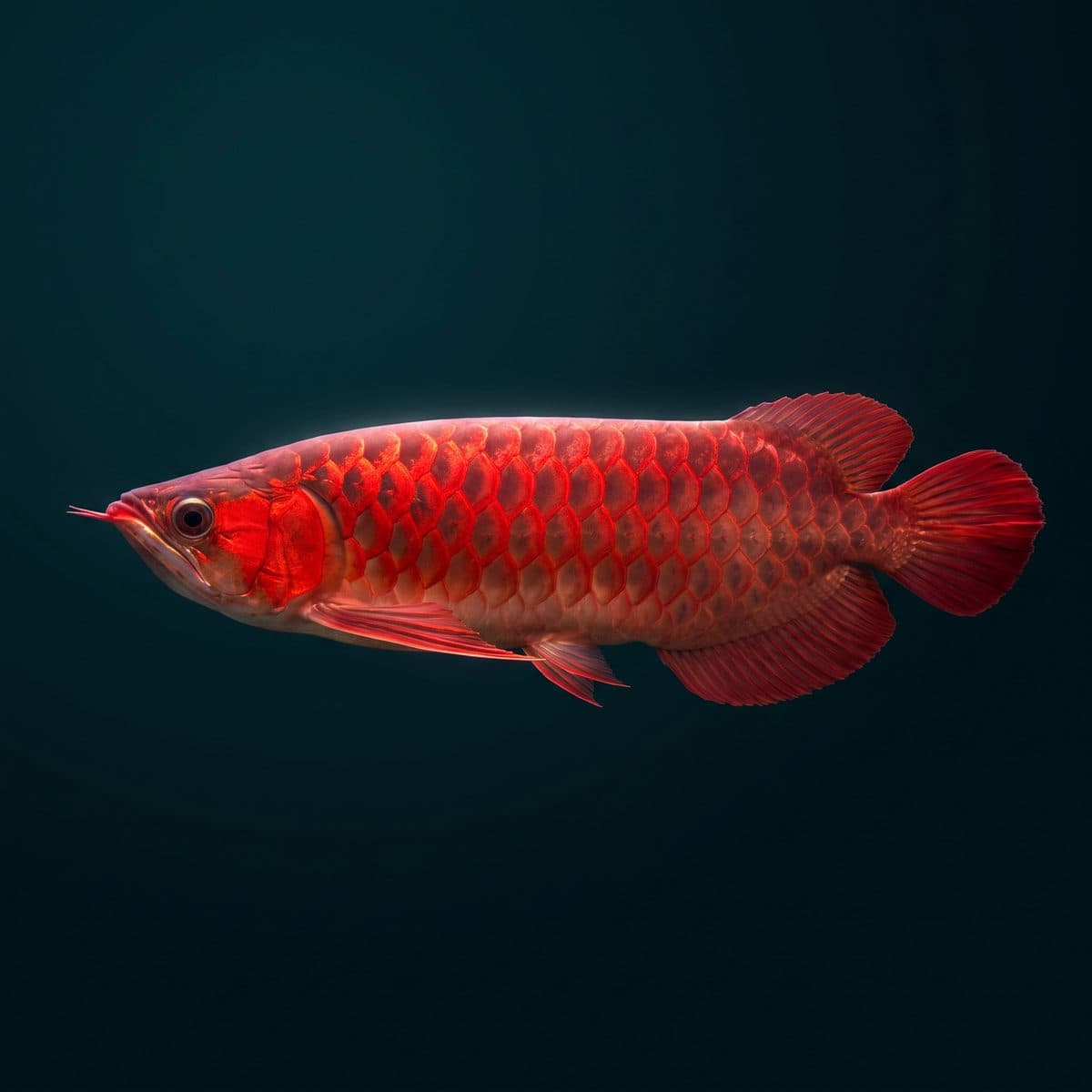
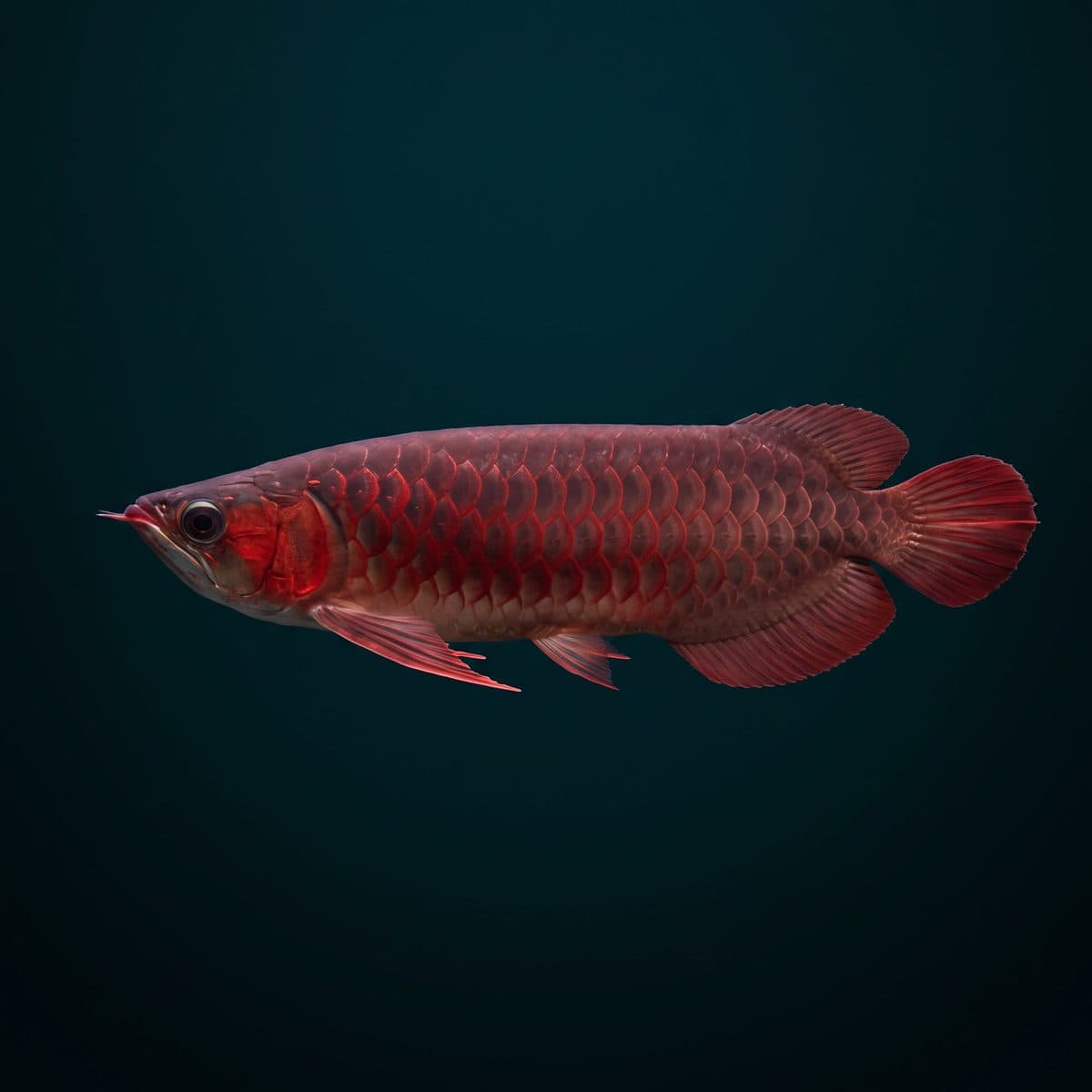
- Arowana: 240 gallons (900 L) minimum — 8 × 3 × 2 feet. Adults reach 60–90 cm and need uninterrupted swimming length.
- Freshwater Stingrays: 300+ gallons with a 8 × 4-foot footprint minimum. Rays are disc-shaped and need turning radius, not depth.
- Discus: 75 gallons minimum for a school of 6. Tall tanks (24"+ height) suit their body shape.
- Large Cichlids (Flowerhorn, Oscar): 75–125 gallons per fish. Aggression demands territory — provide line-of-sight breaks with hardscape.
- Rare Plecos (Zebra, Royal): 30–55 gallons. Floor space and cave density matter more than volume.
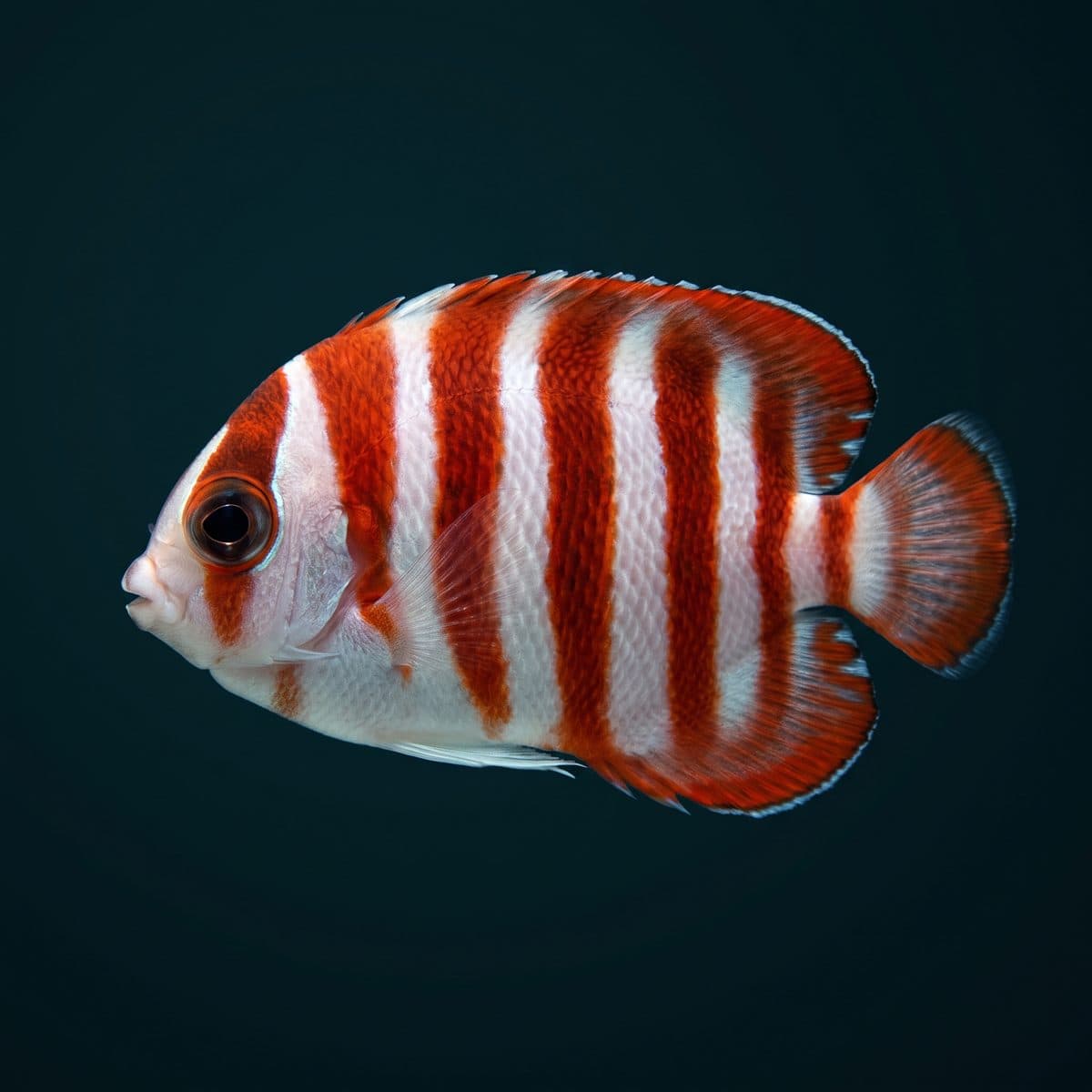
- Marine Angelfish (Clarion, Peppermint): 125–180 gallon reef with ample live rock. Stable parameters are paramount.
Glass vs Acrylic
For tanks under 150 gallons, glass is the default — it resists scratching, is cheaper, and retains clarity over decades. Above 200 gallons, acrylic becomes the practical choice: it weighs 50 % less than glass at equivalent volume, allows curved front panels, and offers superior insulation (reducing heater energy consumption by roughly 15 %). The trade-off is scratch susceptibility — never use abrasive algae pads on acrylic surfaces.
For serious collectors running 300+ gallon systems, custom-built acrylic tanks with eurobracing and built-in overflow weirs are standard. Budget $15–$40 per gallon for a quality custom build, excluding the stand and sump.
Filtration Architecture
Filtration is the life-support system of your aquarium. For exotic species, it is not an area to economise. Target a total turnover rate of 8–10× the tank volume per hour. A 200-gallon system should move 1,600–2,000 gallons per hour through its filtration loop.
Mechanical Filtration
Mechanical media physically traps particulate waste. Use a staged approach: coarse foam (30 PPI) catches large debris, followed by fine foam (45 PPI) or filter floss for polishing. In sump-based systems, a filter sock (200-micron) on the overflow drain line provides excellent first-stage mechanical filtration. Clean or replace mechanical media weekly — a clogged sock becomes a nitrate factory.
Biological Filtration
Biological filtration converts toxic ammonia (NH₃) to nitrite (NO₂⁻) and then to comparatively harmless nitrate (NO₃⁻) via nitrifying bacteria. Surface area is everything. Premium biomedia like sintered glass or ceramic rings provide 800–1,400 m² of surface area per litre, vastly outperforming basic bio-balls (200 m²/L). For a 200-gallon exotic system, we recommend at least 10 litres of high-grade biomedia housed in a dedicated chamber of your sump.
Never replace all your biomedia at once — you will crash the cycle. Rotate 25 % of the media every 6 months.
Chemical Filtration
Activated carbon removes dissolved organics, tannins, medications, and odours. Use high-grade bituminous or coconut-shell carbon at a rate of 100 g per 100 litres, replaced every 3–4 weeks. For marine systems, granular ferric oxide (GFO) controls phosphates — essential for preventing nuisance algae in reef tanks housing valuable angelfish or tangs.
Note: remove carbon before dosing medications. Carbon will adsorb the treatment before it can act on the pathogen.
Water Chemistry Fundamentals
Exotic fish come from specific biotopes with narrow parameter ranges. Matching these parameters in captivity is the difference between a fish that survives and one that thrives.
- pH: Amazonian species (Arowana, Discus, Stingrays) prefer acidic water — pH 5.5–6.8. African Cichlids need alkaline conditions — pH 7.8–8.6. Marine fish require pH 8.1–8.4. Use a calibrated digital pH meter, not test strips.
- Temperature: Most tropical exotics thrive at 26–28 °C (79–82 °F). Discus prefer the upper end (28–30 °C). Deep-reef marine species like the Peppermint Angelfish need cooler water (22–24 °C). Use a titanium heater with an external controller for precision within ±0.5 °C.
- General Hardness (GH): Soft-water species (Discus, Arowana) need 1–4 dGH. African Cichlids require 10–20 dGH. Adjust with RO/DI water blended with remineralising salts to hit your target.
- Carbonate Hardness (KH): Acts as a pH buffer. Low-KH water is prone to dangerous pH crashes, especially overnight when CO₂ rises. Maintain at least 2 dKH even in soft-water systems, and 8–12 dKH for African Cichlid setups.
- Ammonia / Nitrite: Both must read 0 ppm at all times in a cycled system. Any detectable level indicates a biological filtration failure — investigate immediately.
- Nitrate: Below 20 ppm for freshwater exotics; below 5 ppm for sensitive marine species. Weekly water changes of 20–30 % are the most reliable method of nitrate control.
The Nitrogen Cycle
Cycling a tank means establishing colonies of nitrifying bacteria before adding fish. There is no shortcut that eliminates this step — bottled bacteria products can accelerate it, but they do not replace it.
Fishless cycling protocol:
- Set up the tank with all equipment running (heater, filter, circulation pumps).
- Add pure ammonia (reagent grade, no surfactants) to raise the concentration to 2–4 ppm.
- Test daily with a liquid test kit (API Master Kit or equivalent). Ammonia will spike, then drop as Nitrosomonas bacteria colonise.
- Nitrite will then spike. Continue dosing ammonia to 2 ppm whenever it drops to zero.
- When both ammonia and nitrite drop from 2 ppm to 0 ppm within 24 hours, the cycle is complete. This typically takes 4–6 weeks.
- Perform a 50 % water change to reduce accumulated nitrate before adding your first fish.
Patience here saves lives — and potentially thousands of dollars in livestock.
Essential Equipment
Beyond the tank, filter, and heater, serious exotic setups require:
- Backup power: A battery-operated air pump at minimum; a UPS or generator for systems above $5,000 in livestock value. A 4-hour power outage can crash a reef tank.
- LED lighting: Programmable units with tuneable spectrum (6,500 K for planted freshwater; 14,000–20,000 K for marine). Sunrise/sunset ramping reduces stress in light-sensitive species.
- Wavemakers / circulation pumps: Create natural flow patterns. Target 20–40× turnover for marine systems, 5–10× for freshwater. Avoid dead spots where detritus accumulates.
- Auto top-off (ATO): Maintains stable water level as evaporation occurs. Essential for marine tanks where salinity rises with evaporation. Use RO/DI water in the reservoir.
- Quarantine tank: A separate 20–40 gallon system with basic sponge filtration, heater, and PVC hiding spots. Every new fish — regardless of price — should spend 30–45 days here before joining your display.
- Water testing equipment: Liquid reagent kits (ammonia, nitrite, nitrate, pH, KH, GH) at minimum. Digital meters for pH and TDS are worth the investment for daily monitoring.
Ongoing Maintenance Schedule
- Daily: Check temperature, inspect fish for signs of disease, verify all equipment is running, feed 1–2 times.
- Weekly: 20–30 % water change with temperature- and chemistry-matched water. Clean glass, rinse mechanical filter media in old tank water. Test ammonia, nitrite, nitrate, pH.
- Monthly: Replace activated carbon and filter floss. Inspect heater and pump impellers. Calibrate pH meter. Trim plants if applicable.
- Quarterly: Deep-clean sump and plumbing. Replace 25 % of biomedia. Test GH, KH, and recalibrate RO/DI system if used. Inspect silicone seals on glass tanks.
Common Setup Mistakes to Avoid
- Skipping the cycle. Adding fish to an uncycled tank is the number-one killer of expensive livestock. No exceptions.
- Undersizing the tank. A juvenile Arowana looks fine in 75 gallons — for about six months. Plan for adult size from day one.
- Cheap filtration. A $50 hang-on-back filter cannot support a $5,000 fish. Invest in a sump-based system with redundant pumps.
- Ignoring water source quality. Tap water varies wildly in chloramine levels, heavy metals, and phosphates. An RO/DI unit ($150–$400) gives you complete control.
- No quarantine. Introducing a pathogen to a display tank housing $20,000+ in livestock because you were impatient is an avoidable catastrophe.
- Overfeeding. Excess food decays, spikes ammonia, and fouls water. Feed only what is consumed in 2–3 minutes.
Building an exotic aquarium is a serious commitment — but when done correctly, there is no more rewarding pursuit in the hobby. Start with the right infrastructure, respect the science, and the fish will reward you for years. The Fish Collection's team is available for one-on-one setup consultations — reach out to us before you build.