Axolotl Pricing Overview
The axolotl (Ambystoma mexicanum) has exploded in popularity over the past decade, evolving from an obscure laboratory animal and niche exotic pet into a mainstream aquatic companion with a dedicated global following. Native exclusively to Lake Xochimilco in Mexico City — where wild populations are critically endangered — all pet axolotls are captive-bred, with breeding colonies established in labs and hobbyist facilities worldwide since the 1860s.
Axolotl pricing in 2026 is driven primarily by colour morph. The same species comes in a remarkable array of colours thanks to well-understood pigment cell genetics (melanophores, xanthophores, and iridophores). Common morphs are affordable and widely available; rare morphs with unusual genetic combinations can command prices that rival high-end reptiles.
Price Ranges by Morph
Common Morphs ($30–$75)
The most widely available and affordable axolotl colour morphs:
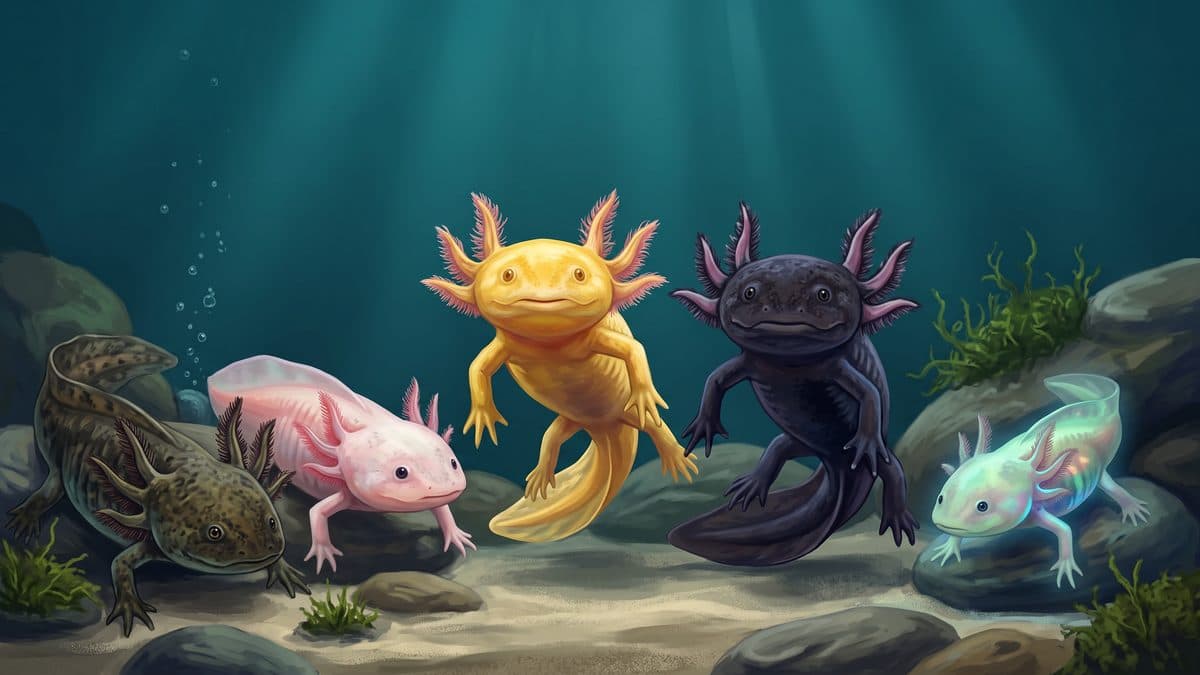
- Wild Type: $30–$50. Dark brown-green body with golden speckles and dark eyes. Closest in appearance to wild axolotls. The most commonly bred morph.
- Leucistic: $35–$60. Pale pink-white body with dark eyes and pink/red external gills. The iconic "cute" axolotl morph that dominates social media. Extremely popular and widely bred.
- Golden Albino: $35–$65. Golden-yellow body with clear/pink eyes and bright red gills. Lacks melanophores (dark pigment cells). Attractive and readily available.
- White Albino: $30–$55. Pure white body with clear/pink eyes and red gills. Lacks both melanophores and xanthophores. Sometimes confused with leucistic but distinguished by eye colour (albinos have pink/red eyes).
At this price point, you are getting a healthy, captive-bred axolotl from an established breeding colony. These morphs are produced in large numbers by hobbyist and commercial breeders, keeping prices accessible. Juveniles (2–4 inches) sit at the lower end; sub-adults and adults (5–8 inches) at the higher end.
Mid-Range Morphs ($50–$200)
Less common morphs that require specific breeding combinations:
- Melanoid: $50–$100. Solid dark black or very dark brown body with no iridescent speckling. Lacks iridophores. Striking in its uniformity — like a living shadow.
- Copper: $60–$150. Warm copper-brown body with lighter belly and copper-tinted eyes. A recessive morph that requires both parents to carry the copper gene. Less commonly bred than standard morphs.
- GFP (Green Fluorescent Protein) variants: $50–$150. Any morph carrying the GFP gene, which causes the axolotl to glow bright green under blue or UV light. Originally introduced from laboratory lines. GFP Leucistic and GFP Albino are the most popular — they look normal under regular light but fluoresce dramatically under UV.
- Lavender: $75–$150. Pale purple-grey body with darker spots and silvery gills. A morph produced from specific melanoid and albino crosses. Subtle but beautiful.
- Heavily-marked Leucistic (Dirty Lucy): $60–$120. Leucistic axolotls with significant dark freckles and patches across the body. Some collectors specifically seek heavily-marked specimens for their unique appearance.
Rare and Designer Morphs ($200–$1,500+)
The premium tier of axolotl morphs:
- Piebald: $200–$500. Leucistic or albino base with large, asymmetric dark patches across the body. Each piebald is unique. Not a true genetic morph but rather a somatic mutation — piebalds cannot reliably produce piebald offspring, making each one a one-off.
- Mosaic: $500–$1,500+. A true genetic rarity: mosaic axolotls result from the fusion of two embryos (or a chromosomal irregularity), producing an animal with two genetically distinct cell populations. One side may be dark and the other light, or patches of different colours intermingle unpredictably. Mosaics cannot be intentionally bred — they occur spontaneously and are extraordinarily rare.
- Chimera: $800–$1,500+. Similar to mosaics but resulting from the fusion of two separate embryos. True chimeras show a clear split — often half-and-half — between two distinct colour morphs. Like mosaics, chimeras cannot be bred on demand and are the rarest axolotl morph.
- Enigma: $200–$600. A relatively new morph with dark base colour and iridescent green/gold patches or speckling. Still being established in breeding programmes, making supply limited and prices elevated.
- Firefly: $300–$800. An artificially created morph where GFP cells from one embryo are transplanted into another, creating an axolotl with a GFP tail on a non-GFP body (or vice versa). The tail glows under UV light while the body does not. Created in laboratory settings and occasionally available in the pet trade.
Axolotl Price Comparison Table
- Wild Type | Juvenile: $30–$40
- Leucistic | Juvenile: $35–$50
- Golden Albino | Sub-adult: $45–$65
- Melanoid | Sub-adult: $50–$100
- Copper | Sub-adult: $60–$150
- GFP Leucistic | Juvenile: $50–$100
- Lavender | Sub-adult: $75–$150
- Piebald | Any size: $200–$500
- Enigma | Sub-adult: $200–$600
- Mosaic | Any size: $500–$1,500+
- Chimera | Any size: $800–$1,500+
What Affects Axolotl Prices
- Morph rarity: The primary price driver. Morphs requiring rare genetic combinations (Copper, Enigma) or spontaneous mutations (Mosaic, Chimera, Piebald) command premiums because they cannot be mass-produced.
- Size and age: Juveniles (2–4 inches) are cheapest; sub-adults (4–6 inches) are the sweet spot; adults (8+ inches) command premiums because they have survived the fragile juvenile stage and their morph expression is confirmed.
- GFP status: Adding GFP (Green Fluorescent Protein) to any morph increases its value by $20–$50 because the UV glow effect is highly desirable.
- Breeder reputation: Established breeders with documented genetics, health guarantees, and proper shipping protocols charge more than unknown sellers. The premium is justified by lower mortality and genetic transparency.
- Legal status: Axolotls are illegal to own in California, Maine, New Jersey, Virginia, and Washington DC, and require permits in New Mexico and Hawaii. Restricted states have no legal supply, which affects overall market dynamics.
- Seasonal availability: Axolotl breeding is somewhat seasonal. More juveniles are available in spring and summer, which can temporarily soften prices for common morphs.
Where to Buy Axolotls
- Specialist axolotl breeders: Dedicated hobbyist breeders are the best source for quality axolotls. They offer documented genetics, health guarantees, and morph-specific expertise. Find them on Morphmarket, Facebook axolotl groups, and breeder websites.
- Online exotic pet retailers: The Fish Collection and similar curated shops offer selected axolotl morphs with proper cold-shipping protocols (axolotls require cool temperatures during transit).
- Reptile and exotic pet expos: Events like Repticon, NARBC, and regional herp shows frequently feature axolotl vendors. The advantage is seeing animals in person and selecting specific individuals.
- Local fish and exotic pet stores: Some progressive LFS now stock axolotls. Quality varies — ensure the store maintains proper cool water temperatures (16–18 degrees C) and does not house axolotls with fish.
- Morphmarket: The dominant online marketplace for axolotls and reptiles, connecting buyers directly with breeders across the country. Excellent for finding specific rare morphs.
Avoid purchasing axolotls from big-box pet stores or unverified online sellers. Axolotls from questionable sources may carry disease, lack genetic documentation, or be inbred.
Is It Worth the Investment?
Axolotls are excellent pets that offer a unique combination of low maintenance, fascinating biology, and genuine personality. A $35 leucistic axolotl in a properly set up 20-gallon tank provides years of enjoyment — they can live 10–15 years in captivity.
The total setup cost is reasonable: a 20-gallon long tank ($30–$60), aquarium fan or chiller to maintain cool temperatures ($30–$200 depending on climate), sponge filter ($10–$15), and fine sand substrate ($10–$20). Total: $80–$300 for equipment, plus $30–$75 for the animal. Ongoing costs are minimal — axolotls eat earthworms, pellets, and frozen bloodworms ($10–$20/month).
For morph collectors, axolotls offer a rewarding breeding project. Understanding the genetics behind morph inheritance (which follows well-documented Mendelian patterns) and producing specific morphs is intellectually engaging. A breeding pair of uncommon morphs ($100–$300 investment) can produce dozens of offspring per clutch. Browse The Fish Collection for currently available axolotl specimens.