Overview
The Ryukin goldfish traces its lineage to Chinese fancy goldfish varieties imported to Japan via the Ryukyu Islands (Okinawa) in the 1600s. Japanese breeders selectively developed the variety's signature traits — the pronounced dorsal hump, deeply compressed body, and extravagant double-tail finnage — creating a fish that remains one of the most popular and competitive goldfish varieties in the world.
Compared to other fancy goldfish like the Oranda or Ranchu, the Ryukin is relatively hardy. It lacks the wen (head growth) that requires special care in Orandas, and its swimming ability, while reduced compared to single-tail varieties, is superior to that of extremely round-bodied types like the Pearlscale or Celestial Eye. This combination of visual drama and relative ease of care makes the Ryukin an excellent choice for hobbyists moving from common goldfish to fancy varieties.
Appearance & Varieties
The Ryukin's defining physical features are:
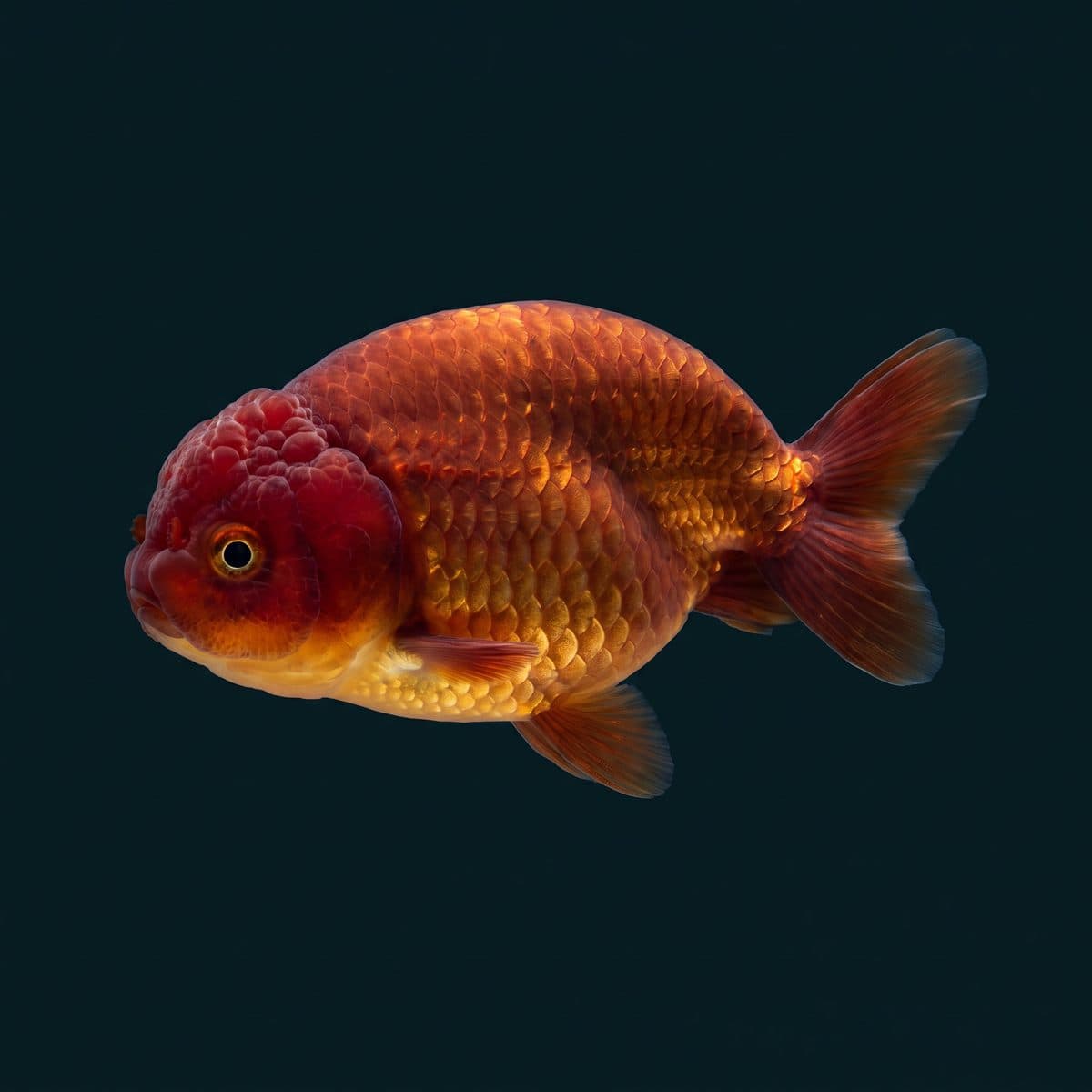
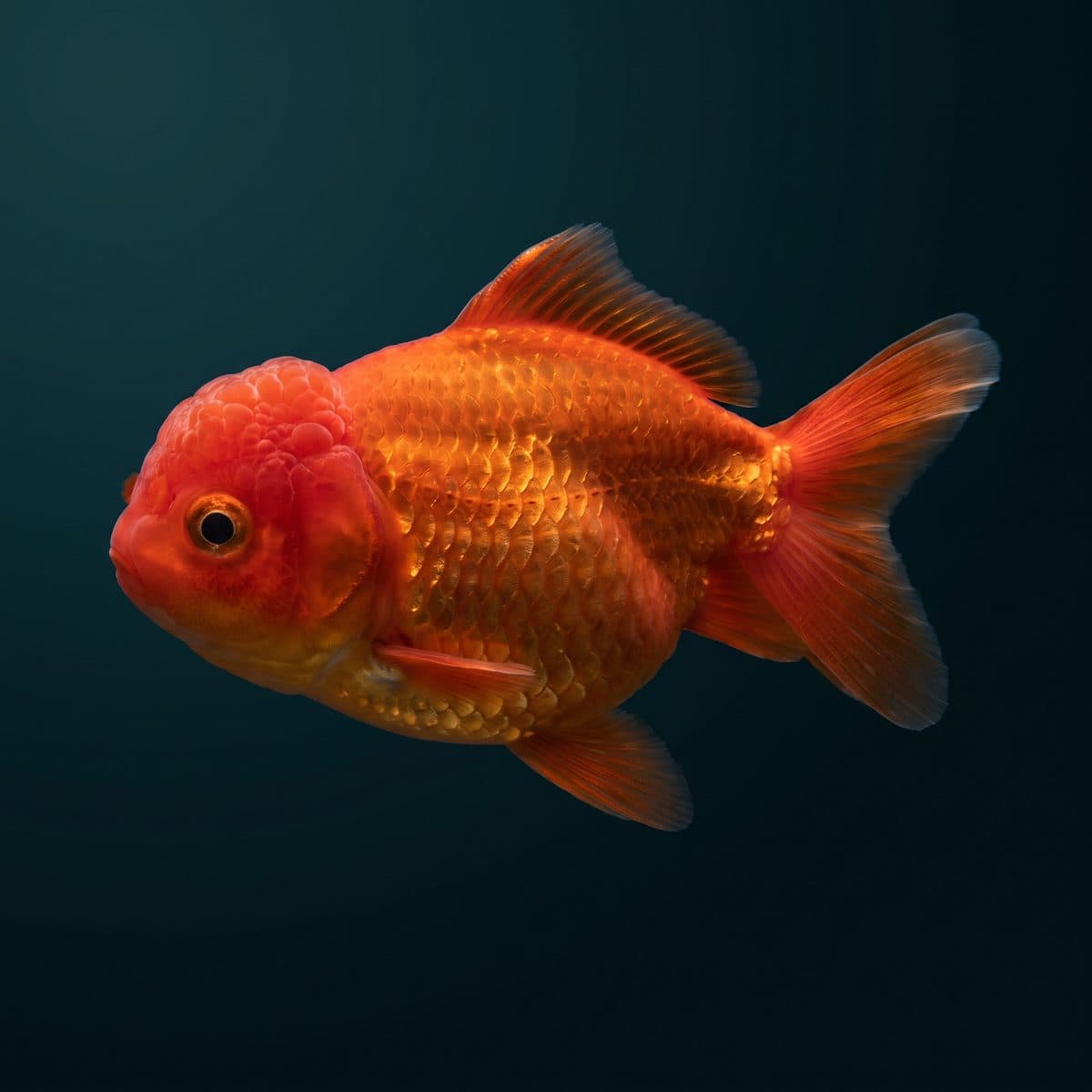
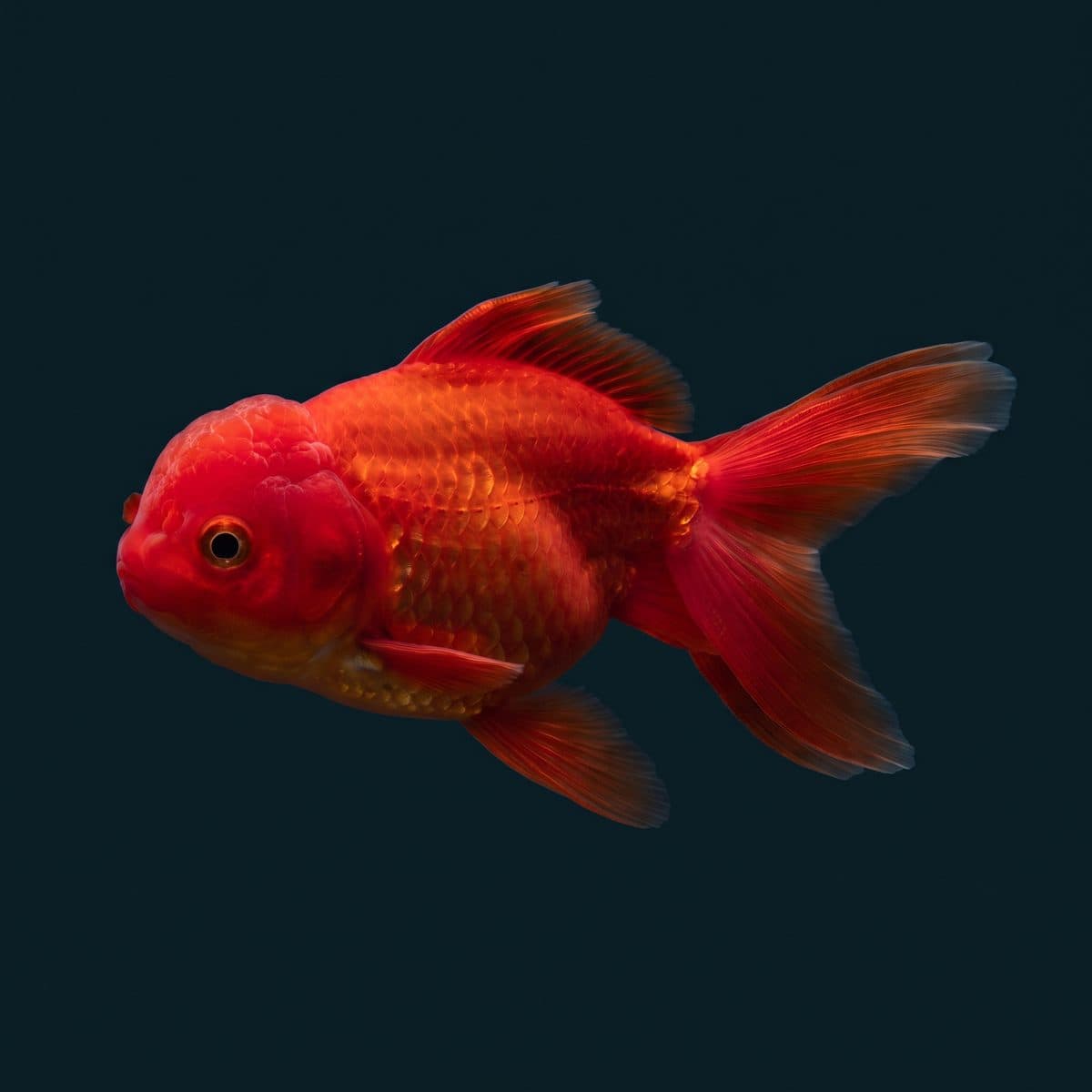
- Dorsal hump: A pronounced raised profile behind the head, giving the fish a characteristic "humped" silhouette. In show-quality specimens, the hump should be smooth, high, and symmetrical.
- Body shape: Deep and round, laterally compressed. The depth of the body should ideally approach the body length (excluding fins).
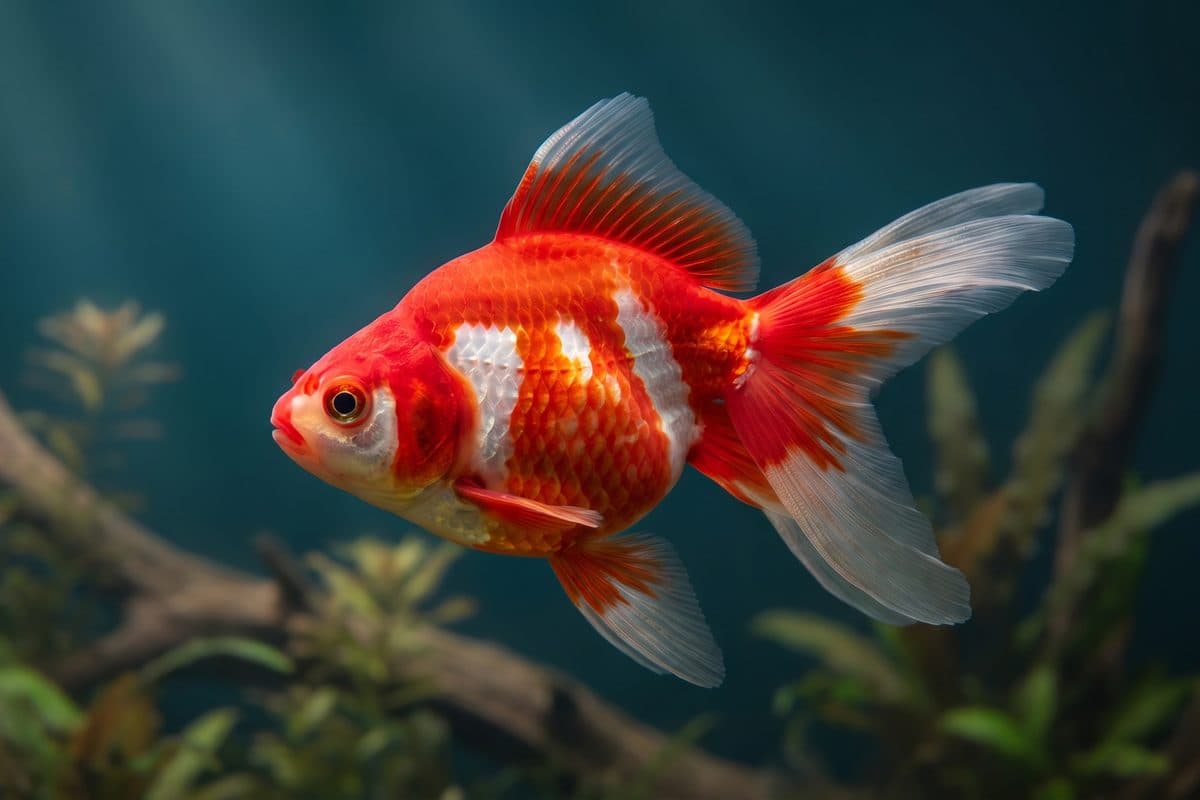
- Finnage: Paired pectoral, ventral, and anal fins with a flowing double (split) caudal tail. Tail types include standard double-tail, butterfly tail (viewed from behind, the lobes spread horizontally like butterfly wings), and long-tail variants with extended, ribbon-like caudal fins.
Common colour varieties include:
- Red / Orange: Solid, deep red-orange — the classic Ryukin colour.
- Red and White (Sarasa): Bold patches of red on a white base — highly prized when the pattern is well-balanced.
- Calico: Patchwork of red, black, white, and blue on nacreous scales.
- White: Pure white with metallic scales — elegant and understated.
- Chocolate: Rich brown, uncommon and sought-after.
Tank Requirements
- Tank size: 20 gallons (76 L) absolute minimum for a single fish; 30 gallons preferred. Add 10 gallons per additional Ryukin.
- Tank shape: Tall tanks complement the Ryukin's deep body shape, but width is also important for swimming room. Avoid narrow tanks.
- Filtration: Robust filtration rated for 1.5–2× the tank volume. Goldfish are heavy waste producers. Canister or large HOB filters with ample biological media are recommended.
- Décor: Smooth-edged decorations only. Avoid rough rocks, sharp driftwood, or plastic plants with hard edges that could snag the flowing finnage. Live plants (Anubias, Java Fern) attached to smooth wood provide natural filtration without risk. Smooth sand substrate is ideal.
Water Parameters
- Temperature: 65–75 °F (18–24 °C). Like all goldfish, Ryukins are coldwater fish. A heater is rarely needed.
- pH: 6.5–7.5.
- GH: 5–15 dGH.
- Ammonia/Nitrite: 0 ppm.
- Nitrate: Below 20 ppm.
Weekly 30–40% water changes are essential. Consistent, clean water is the foundation of goldfish health.
Diet & Feeding
- Staple: Sinking goldfish pellets or gel food (Repashy Super Gold, Hikari Fancy Goldfish). Sinking foods reduce air ingestion — critical for swim-bladder-prone fancy varieties.
- Protein: Frozen bloodworms, brine shrimp, and daphnia 2–3 times weekly.
- Vegetables: Blanched, skinned peas (the single most important food for goldfish digestion), blanched spinach, cucumber, and zucchini. Aim for 20–30% of total diet.
- Feeding schedule: 2–3 small meals daily. Small, frequent meals reduce the risk of swim bladder compression from the stomach.
Swim Bladder Health
The Ryukin's deep, compressed body shape puts pressure on the swim bladder, making buoyancy disorders one of the most common health issues. Prevention strategies:
- Feed sinking foods only — floating pellets and flakes cause the fish to gulp air at the surface.
- Pre-soak dry foods for 2–3 minutes before offering — this prevents the food from expanding inside the fish's gut.
- Include peas regularly — blanched, skinned green peas are high in fibre and promote healthy digestion. Offer at least once per week.
- Fast weekly — one day without food per week allows the digestive system to clear completely.
- Maintain water temperature above 65 °F — goldfish digestion slows significantly in cold water, increasing the risk of gas and constipation-related buoyancy problems.
If a Ryukin develops buoyancy issues (floating at the surface, struggling to dive, or sinking to the bottom), fast for 48–72 hours, then offer only blanched peas for 2–3 days. Raise temperature to 74–76 °F to speed digestion. Most cases resolve within a few days with this protocol.
Tank Mates
Ryukins are best kept with other fancy goldfish of similar swimming ability: Orandas, Ranchu, Fantails, and Moors. They are slightly faster swimmers than the most extreme fancy types (Telescope Eyes, Celestial Eyes, Bubble Eyes), so exercise caution when mixing — ensure slower varieties can access food.
Avoid single-tail goldfish, tropical fish, and any fin-nipping species.
Breeding
Ryukins breed readily in captivity. Spawning is triggered by temperature changes — a gradual increase from 60 °F to 70–74 °F (16 to 21–23 °C) over 1–2 weeks simulates spring conditions and induces spawning behaviour. Males develop breeding tubercles (white spots) on the gill covers and pectoral fins. Eggs are scattered on plants or spawning mops and hatch in 4–7 days depending on temperature. Fry can be started on infusoria and liquid fry food, transitioning to baby brine shrimp at 1–2 weeks.
History & Origins
The Ryukin's name points straight to its history: it takes its name from the Ryukyu Islands (modern Okinawa), the trading stepping-stone through which Chinese fancy goldfish reached mainland Japan in the 1600s. Japanese breeders took those imported Carassius auratus and selectively developed the tall dorsal hump, deep rounded body, and long flowing tail that define the variety today. Within a couple of centuries the Ryukin had become one of Japan's most popular and competitively bred goldfish.
What makes the Ryukin interesting historically is that it kept its dorsal fin. Many of the most prized Japanese fancies — the Ranchu above all — were bred toward a dorsal-less back, but the Ryukin went the other way, exaggerating a high-backed silhouette topped by a proud dorsal fin. That decision is why the Ryukin swims noticeably better than the dorsal-less varieties and is generally hardier and easier to keep.
Today the Ryukin is bred worldwide, with Japanese and Chinese lines prized for the height of the hump and the quality of colour. For a keeper, the takeaway from all this history is reassuring: the Ryukin is an old, well-established variety that was never bred to the point of fragility. It's dramatic to look at but still fundamentally a robust goldfish, which is exactly why it's such a good first step into the fancy world.
Health & Common Problems
Beyond the buoyancy issues covered in the swim bladder section, Ryukins are prone to the usual goldfish ailments — nearly all of them preventable with clean water and sensible feeding:
- Ich (white spot): The most common goldfish parasite, usually triggered by a temperature drop or the stress of a new arrival. Raise the temperature gradually and treat; caught early it's easily cleared.
- Flukes: Gill and skin flukes cause flashing, clamped fins, and laboured breathing. They often ride in on new fish, which is why quarantine matters.
- Ulcers and fin rot: Bacterial infections that take hold in poor water. Red sores, ragged fins, or raised scales need prompt attention and improved water quality.
- Dropsy: Not a disease itself but a sign of internal (often organ) failure, shown by a swollen body and raised scales. It's hard to reverse, which is another reason prevention beats cure.
The through-line is water quality. Goldfish are heavy waste producers, and a Ryukin in a properly filtered tank with weekly 30–40% water changes, stable temperature, and a varied diet simply doesn't get sick very often. Quarantine every new fish and plant, watch for the early signs above, and you'll rarely need the medicine cabinet.
Choosing a Quality Ryukin
Ryukins vary enormously in quality, so it's worth knowing what to look for whether you want a show fish or a healthy pet. Health comes first: pick a fish that's active and swimming on an even keel, with a rounded (not bloated) belly, clear eyes, erect fins, and no red streaking, ulcers, or clamped fins.
For conformation, the signature feature is the dorsal hump — in a good Ryukin it rises sharply and smoothly right behind the head, and the taller and more symmetrical it is, the more prized the fish. The body should be deep and round, ideally with the depth approaching the body length, and the tail should be full, well-split, and carried gracefully. In red-and-white (Sarasa) fish, look for crisp, well-balanced colour borders.
Watch how the fish swims, too. Even though Ryukins aren't the strongest swimmers, a quality specimen should hold itself upright and move with control, not list to one side or struggle to stay off the bottom or surface — those are early signs of the swim bladder trouble the variety is prone to. As with all fancy goldfish, buying young means gambling a little on how the body and colour develop, so reputable stock from a good breeder or importer stacks the odds in your favour.
Keeping Ryukin Outdoors
Ryukins can make lovely pond fish for part of the year, and their bright colours show beautifully from above — but they're not the all-weather pond fish that common goldfish or koi are. Their deep bodies and flowing fins make them slower and more vulnerable than single-tailed varieties, so outdoor keeping takes a bit more thought.
Through the warmer months, once water is reliably above 55 °F (13 °C), Ryukins do well in a pond with good filtration and depth. The extra space and natural food often bring out excellent growth and colour. The catch is predators and cold: their slow swimming makes them easy targets for herons and cats, so netting or deep refuges are essential, and their round bodies cope poorly with the temperature extremes and low oxygen of a hard winter.
In mild climates you may be able to overwinter them outdoors in a deep, well-maintained pond, but in cold regions the safe move is to bring them inside before the water approaches freezing. If you do overwinter them outside, stop feeding once the water drops below about 50 °F, keep a section of the surface ice-free for gas exchange, and make sure the pond is deep enough (ideally 3–4 feet) not to freeze through. When in doubt, an indoor tank over winter is the lower-risk choice for a fish this heavily bred.
Is a Ryukin Right for You?
Of all the fancy goldfish, the Ryukin is one of the easiest to recommend — it delivers plenty of drama without the fragility of the most extreme varieties. Here's whether it fits you.
A Ryukin is a great choice if you:
- Want a striking fancy goldfish that's still relatively hardy and forgiving.
- Can provide at least 20–30 gallons for one fish, plus 10 gallons per extra.
- Are happy to do weekly water changes and feed a considered, sinking diet.
- Want a fish that's a good stepping-stone from common goldfish into the fancy world.
It's less ideal if you:
- Want a fish for a small bowl or an unfiltered tank — goldfish need real filtration and space.
- Keep fast single-tailed goldfish that will outcompete it at feeding time.
- Are after a year-round outdoor pond fish in a cold climate.
With no wen to maintain and a decent turn of speed for a fancy, the Ryukin asks less of you than an Oranda or Lionhead while still turning heads. Give it space, clean water, and a swim-bladder-conscious diet, and it'll be a hardy, colourful companion for 10–15 years or more.