Moderate
Nog 2
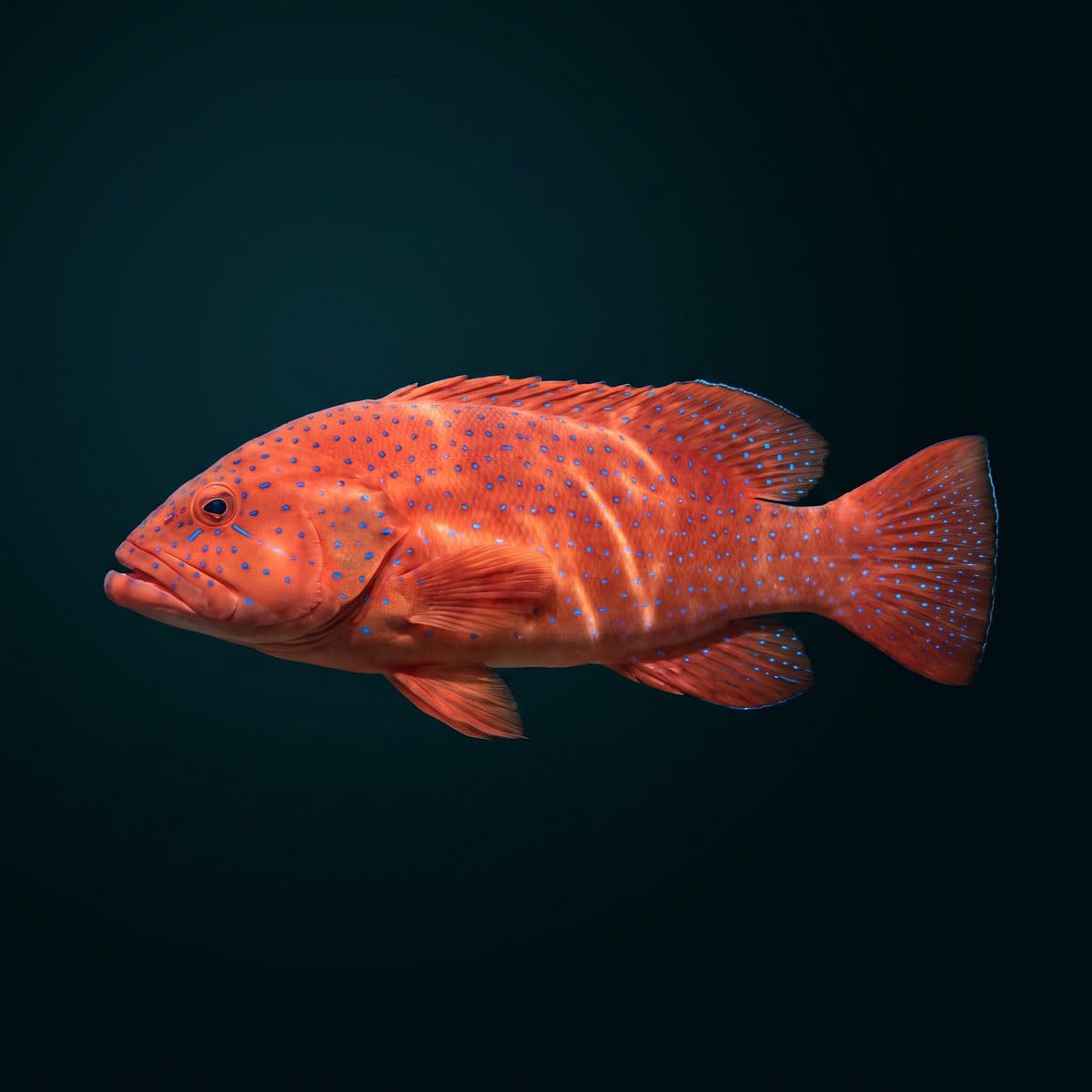
Miniatus Grouper
Cephalopholis miniata
vanaf € 101,20Get a quote
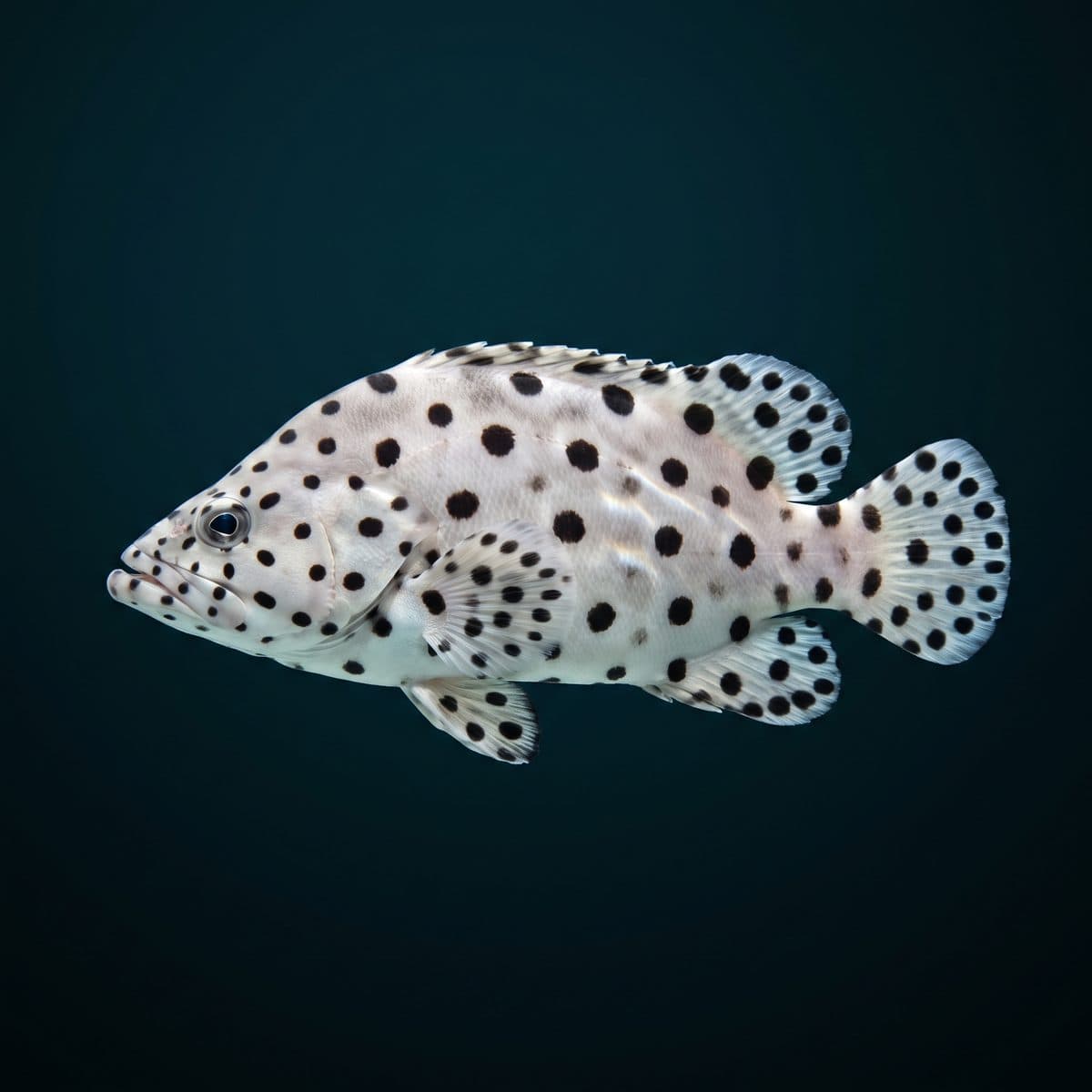
Cromileptes altivelis
The Panther Grouper is one of the most visually distinctive marine fish in the hobby — a sleek, high-bodied grouper covered in bold black polka dots on a white to pale grey background that creates an unmistakable dalmatian-like pattern. Cromileptes altivelis, also known as the Humpback Grouper for its distinctive head profile, is found across the Indo-Pacific from the Red Sea to Australia, inhabiting coral reefs and rocky outcrops at moderate depths. The Fish Collection sources our Panther Groupers from reputable marine collectors who practice sustainable harvest methods, selecting specimens with vivid dot contrast and strong feeding response.
Insulated, oxygen-packed transit · live-arrival guaranteed
Tank size
300+ gallons
Temperament
Aggressive
Voeding
Carnivore
Water
72–79°F · pH 8.1–8.4
Tell us what you're dreaming of — we'll reply with a price tailored to you.
Not sure if this fish is right for you?
Our team will happily help you choose.
The Panther Grouper is one of the most visually distinctive marine fish in the hobby — a sleek, high-bodied grouper covered in bold black polka dots on a white to pale grey background that creates an unmistakable dalmatian-like pattern. Cromileptes altivelis, also known as the Humpback Grouper for its distinctive head profile, is found across the Indo-Pacific from the Red Sea to Australia, inhabiting coral reefs and rocky outcrops at moderate depths. The Fish Collection sources our Panther Groupers from reputable marine collectors who practice sustainable harvest methods, selecting specimens with vivid dot contrast and strong feeding response.
What makes the Panther Grouper so popular among marine aquarists is its combination of striking pattern, engaging personality, and relative hardiness. Juveniles are particularly endearing — small, white, and heavily spotted, they swim with an exaggerated head-down posture that appears almost comical, a mimicry behavior thought to imitate a toxic flatworm or nudibranch to deter predators. As the fish matures, the dots become proportionally smaller against the growing body, and the overall coloration may shift toward a darker grey-white. The swimming posture normalizes, and the adult develops a powerful, predatory presence that commands attention in any marine setup.
Tank requirements escalate significantly as the Panther Grouper grows. Juveniles at 2 to 4 inches do fine in a 75-gallon tank, but adults reach 20 to 27 inches in captivity and require a minimum 300-gallon aquarium. This growth trajectory catches many keepers off guard — the adorable 3-inch spotted fish from the store becomes a tank-dominating predator within two to three years. We emphasize long-term planning at point of sale, and strongly recommend that buyers have a 300-gallon or larger system in place or planned before purchasing.
Water parameters follow standard tropical marine conditions. Temperature between 72 and 79 degrees Fahrenheit, pH between 8.1 and 8.4, and specific gravity of 1.020 to 1.025. Panther Groupers are hardy by marine fish standards and tolerate minor parameter fluctuations that would stress more sensitive species. Efficient protein skimming and robust biological filtration are essential to handle the waste output of a large predatory fish.
Diet is carnivorous and aggressive. Panther Groupers eat virtually any meaty food offered — market shrimp, silversides, squid, clam, and high-quality marine pellets. They are not fussy eaters and will consume any tankmate small enough to swallow. Our specimens accept frozen foods enthusiastically. Feed two to three times per week for adults, daily for growing juveniles. Monitor body condition — groupers are prone to obesity in captivity if overfed.
The Fish Collection ships all Panther Groupers in insulated, oxygen-enriched marine containers with our live arrival guarantee.
Veelgestelde vragen
Expertbronnen
Misschien vindt u dit ook leuk
vanaf € 69
Indicative price