Intermediate
Ranchu Goldfish
Carassius auratus
vanaf € 110,40Get a quote
Carassius auratus
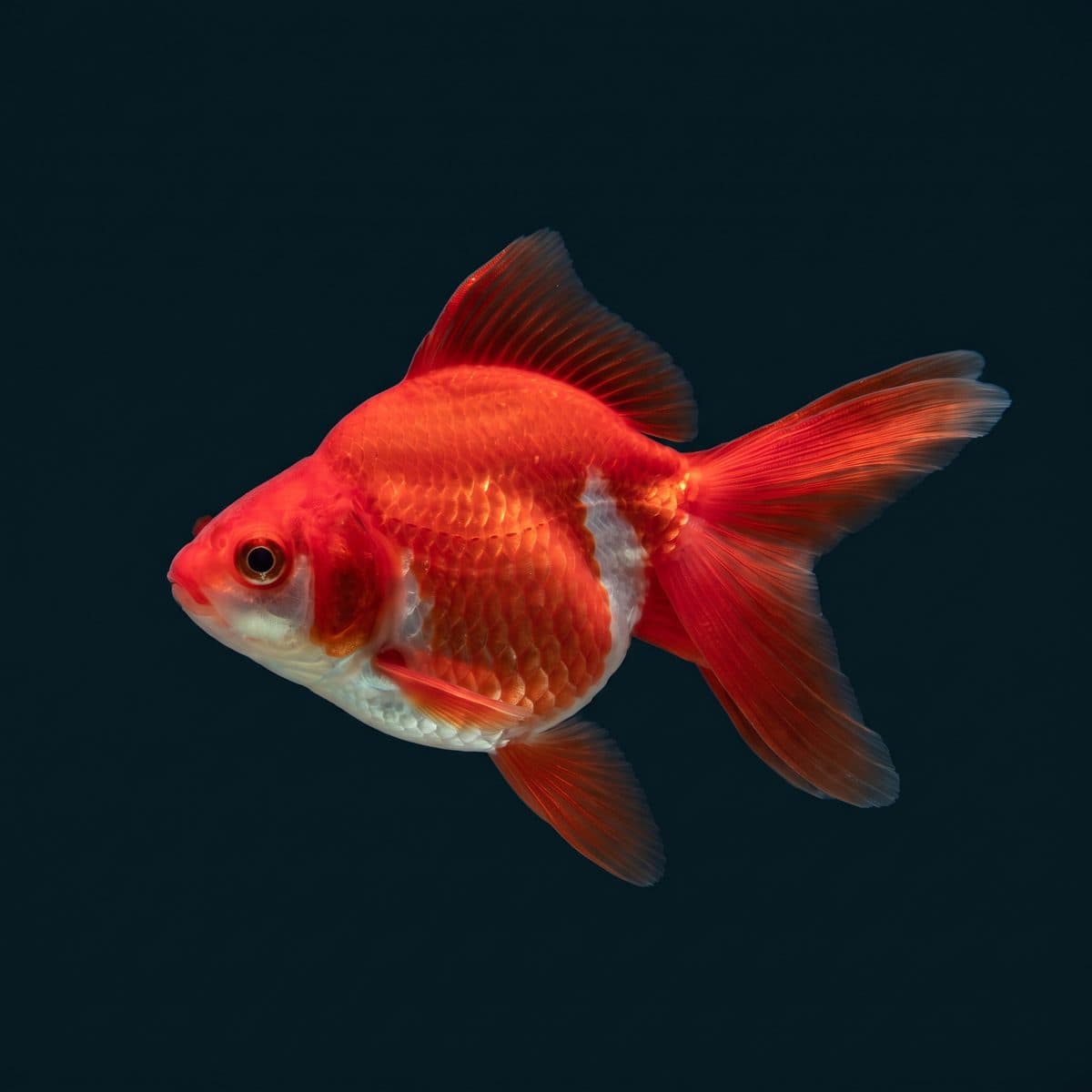
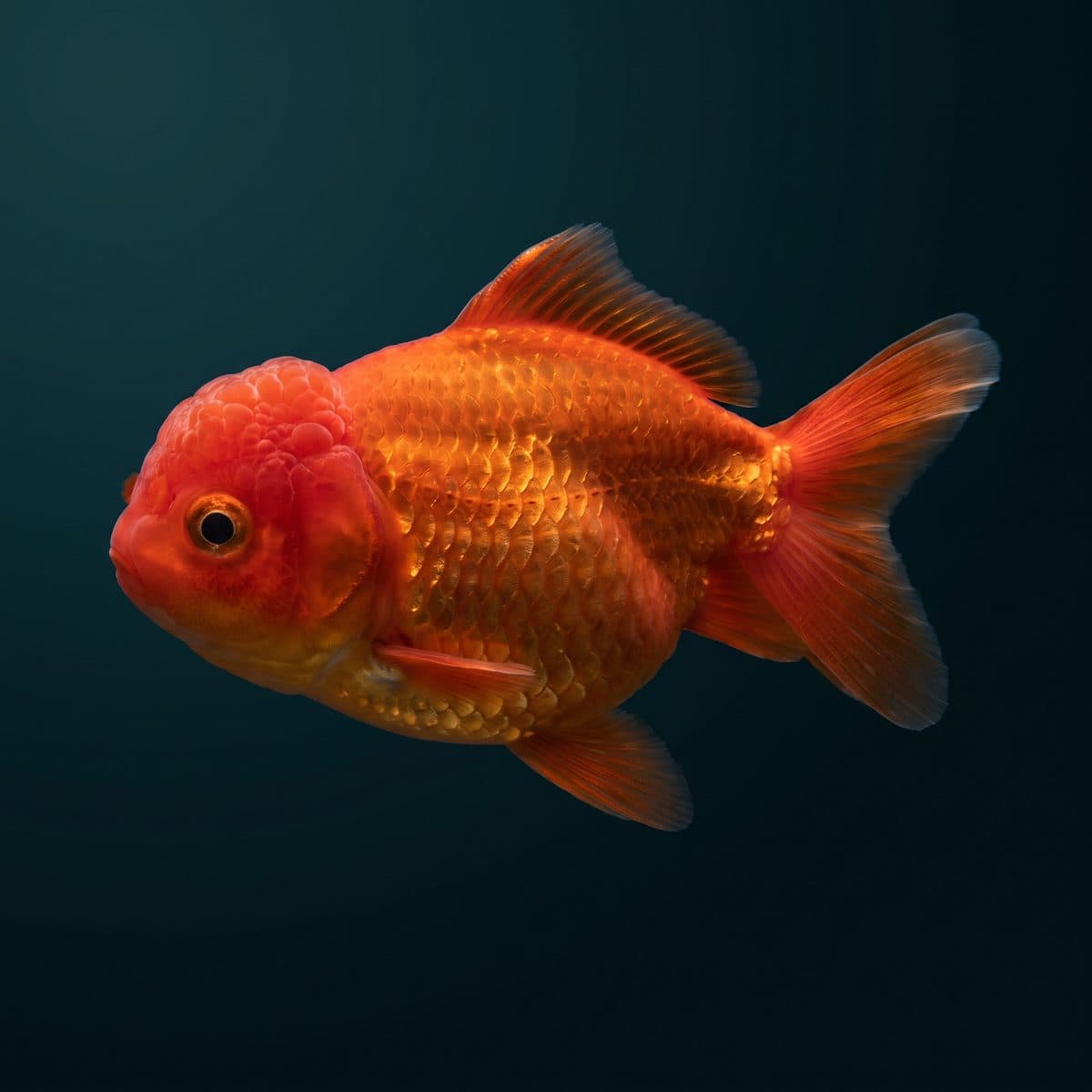
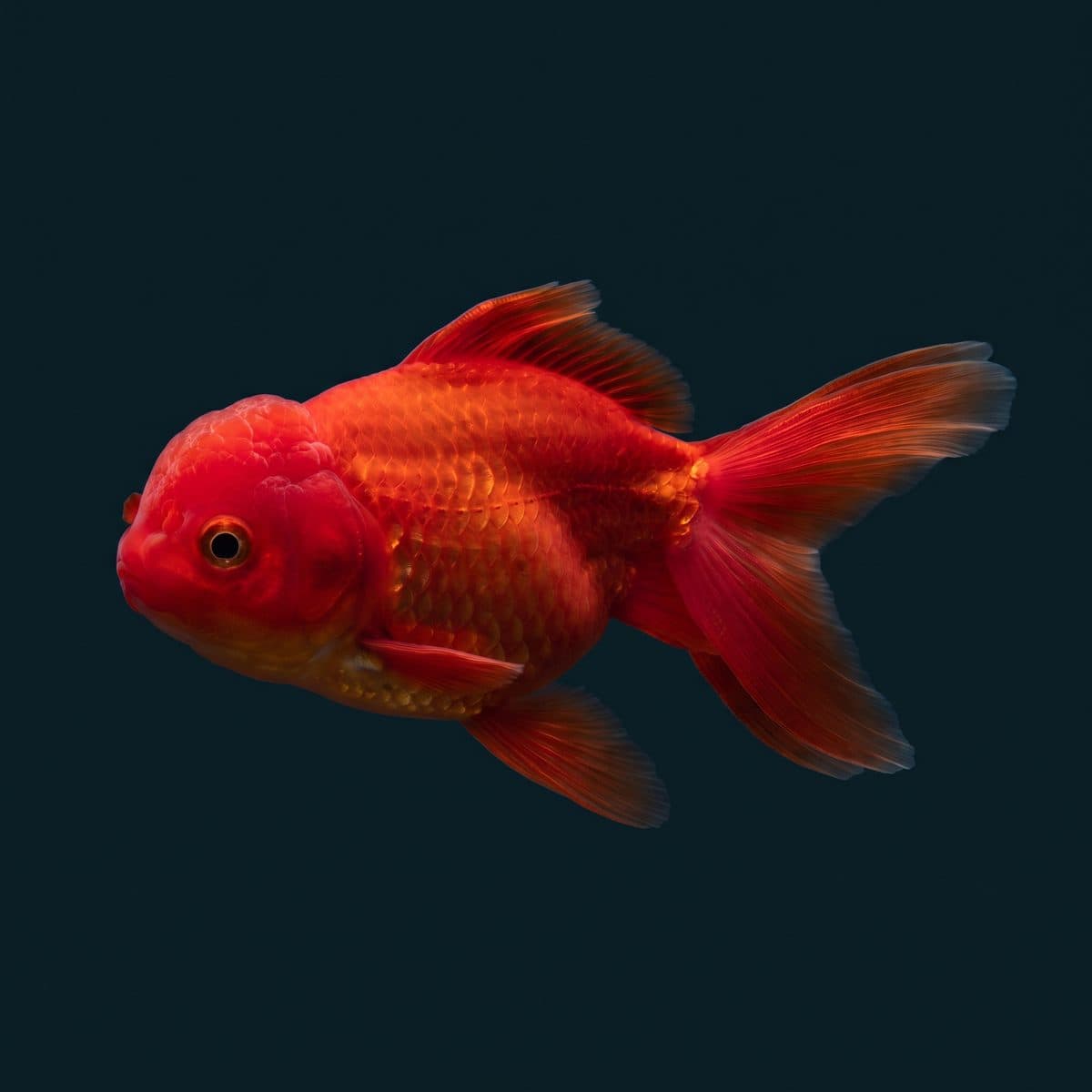
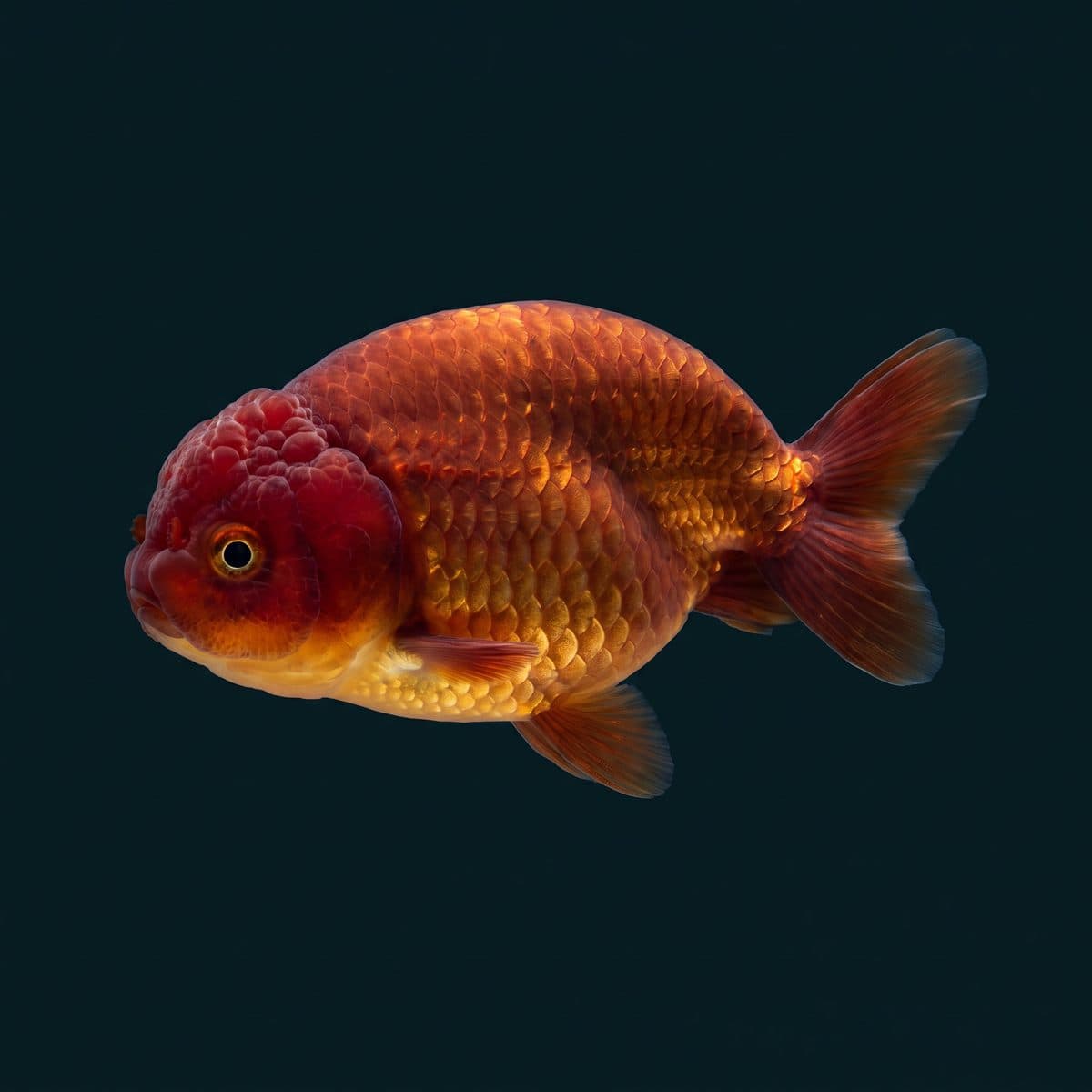
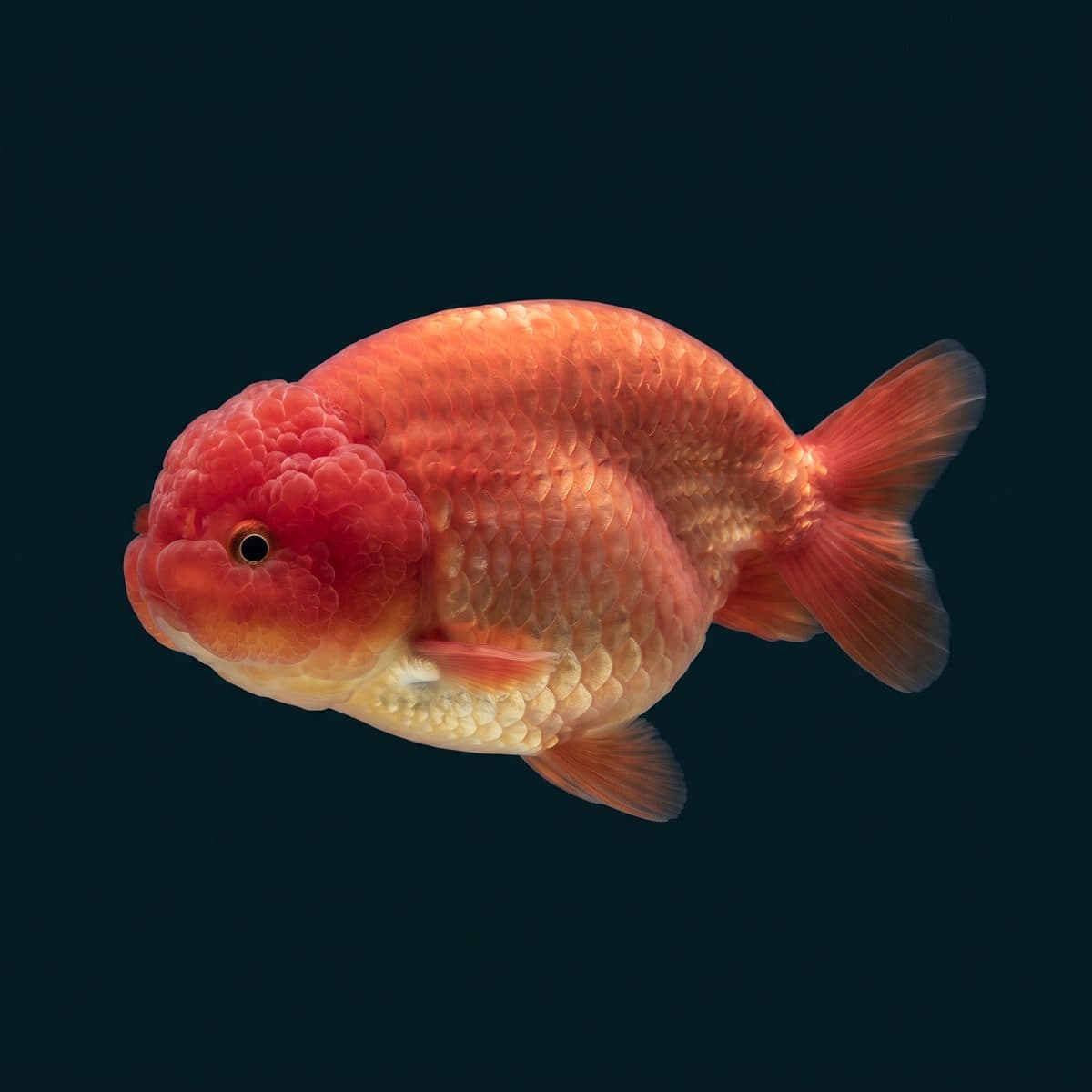
The Lionhead Goldfish is the ancient ancestor of the modern Ranchu — a dorsal-less fancy goldfish variety that originated in China centuries ago and remains one of the most revered forms of Carassius auratus in its homeland. The Lionhead's defining feature is its expansive wen growth, which in quality specimens covers the entire head, cheeks, and gill plates in a dense, textured mass that gives the fish its leonine common name. Compared to the Japanese Ranchu, the Lionhead typically shows a more extreme wen, a less arched back profile, and a straighter tail set — differences that reflect centuries of divergent breeding philosophy between Chinese and Japanese goldfish culture. The Fish Collection sources our Lionheads from specialist breeders who maintain traditional Chinese bloodlines known for exceptional wen development and robust health.
Insulated, oxygen-packed transit · live-arrival guaranteed
Tank size
30+ gallons
Temperament
Peaceful
Voeding
Omnivore
Water
65–72°F · pH 7–8.4
Tell us what you're dreaming of — we'll reply with a price tailored to you.
Happy together
Not sure if this fish is right for you?
Our team will happily help you choose.
The Lionhead Goldfish is the ancient ancestor of the modern Ranchu — a dorsal-less fancy goldfish variety that originated in China centuries ago and remains one of the most revered forms of Carassius auratus in its homeland. The Lionhead's defining feature is its expansive wen growth, which in quality specimens covers the entire head, cheeks, and gill plates in a dense, textured mass that gives the fish its leonine common name. Compared to the Japanese Ranchu, the Lionhead typically shows a more extreme wen, a less arched back profile, and a straighter tail set — differences that reflect centuries of divergent breeding philosophy between Chinese and Japanese goldfish culture. The Fish Collection sources our Lionheads from specialist breeders who maintain traditional Chinese bloodlines known for exceptional wen development and robust health.
The historical significance of the Lionhead cannot be overstated. It is among the oldest documented fancy goldfish varieties, with references in Chinese aquaculture texts dating back several hundred years. The variety was the foundation stock from which Japanese breeders developed the Ranchu in the late 1800s, refining the back profile and tail set to meet Japanese aesthetic preferences while the Chinese continued to develop their Lionhead along different lines — prioritising wen size and head coverage above all else. Understanding this shared heritage illuminates why the two varieties are so similar in structure yet distinct in emphasis. The Lionhead is the original, the Ranchu its Japanese interpretation.
Our current Lionhead displays the characteristic features of a quality Chinese-line specimen: a compact, egg-shaped body without dorsal fin, a substantial developing wen that promises continued growth, and a well-held double tail. The colour is rich and uniform, and the fish swims with the steady, deliberate pace characteristic of dorsal-less fancy goldfish. This is not a fast-swimming fish — the Lionhead moves through the water with a dignified, unhurried cadence that many keepers find more appealing than the frenetic activity of slim-bodied varieties.
Housing requirements are typical of fancy goldfish. A minimum 30-gallon aquarium with gentle filtration and stable temperature between 65 and 72 degrees Fahrenheit. The absence of a dorsal fin makes the Lionhead a poor swimmer in strong currents, so flow must be gentle and diffused. Smooth decorations, fine sand or bare-bottom substrate, and careful wen maintenance through pristine water quality are all essential. The extensive wen tissue is vulnerable to bacterial infection if water parameters deteriorate — consistent maintenance is the price of keeping these magnificent fish in peak condition.
Diet should focus on sinking foods to minimise air ingestion: quality goldfish pellets, gel foods, blanched vegetables, and frozen treats like bloodworms and daphnia. Feed small amounts multiple times daily. The Lionhead's somewhat limited vision — wen growth can partially obscure the eyes in extreme specimens — means food should be placed where the fish can easily find it. Many experienced Lionhead keepers hand-feed their fish, which builds an interactive bond between keeper and animal.
The Fish Collection ships all goldfish in insulated, temperature-regulated containers with our live arrival guarantee.
Veelgestelde vragen
Expertbronnen
Soortgids
The Lionhead is one of the oldest and most revered fancy goldfish varieties, prized in Chinese goldfish culture for over 500 years. Distinguished by the absence of a dorsal fin and the development of a full, prominent wen (head growth) that ideally covers the entire head, cheeks, and gill plates — resembling a lion's mane — the Lionhead is closely related to the Japanese Ranchu but maintains distinct breed characteristics. This guide covers the differences between Lionhead and Ranchu, care considerations specific to dorsal-less varieties, wen management, and optimal husbandry.
Lees de volledige gids →Verzorgingsgids
A definitive care guide for goldfish (Carassius auratus), covering both fancy varieties (ranchu, oranda, ryukin, lionhead) and single-tail types. Addresses the most common goldfish care myths and provides expert guidance on tank size, water quality, feeding, and disease prevention.
Lees verzorgingsgids →Misschien vindt u dit ook leuk
vanaf € 87,40
Indicative price