The MBU Pufferfish: An Overview
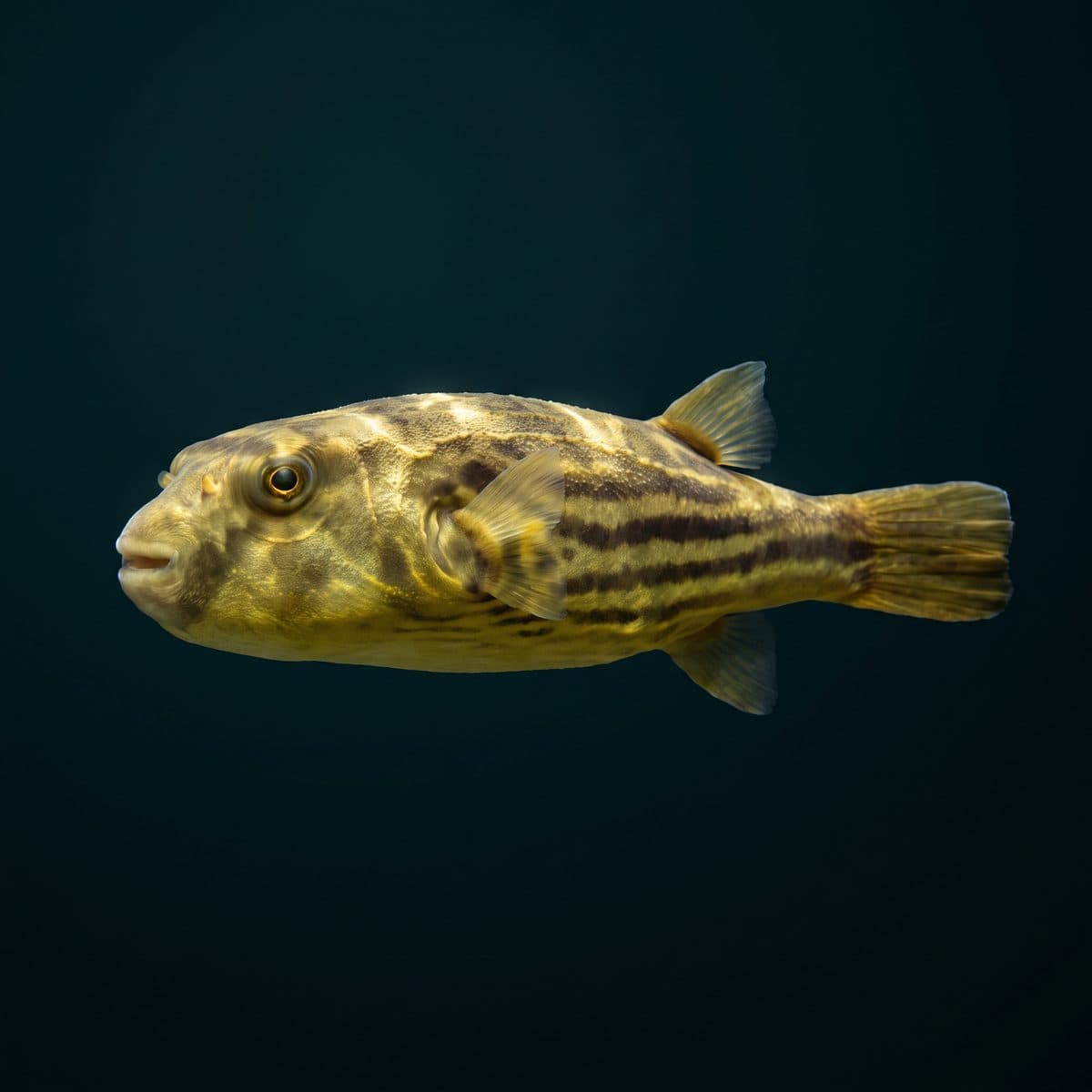
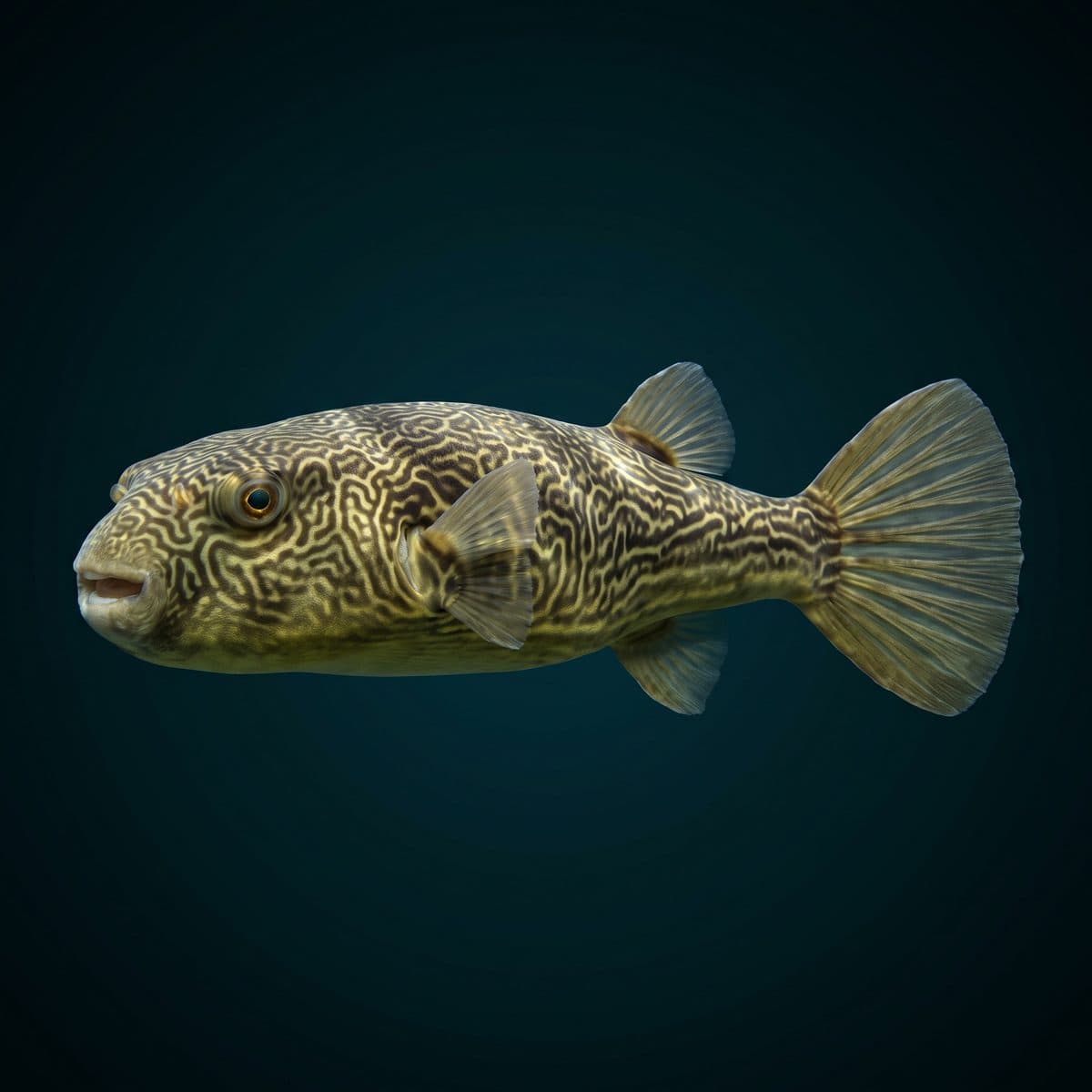
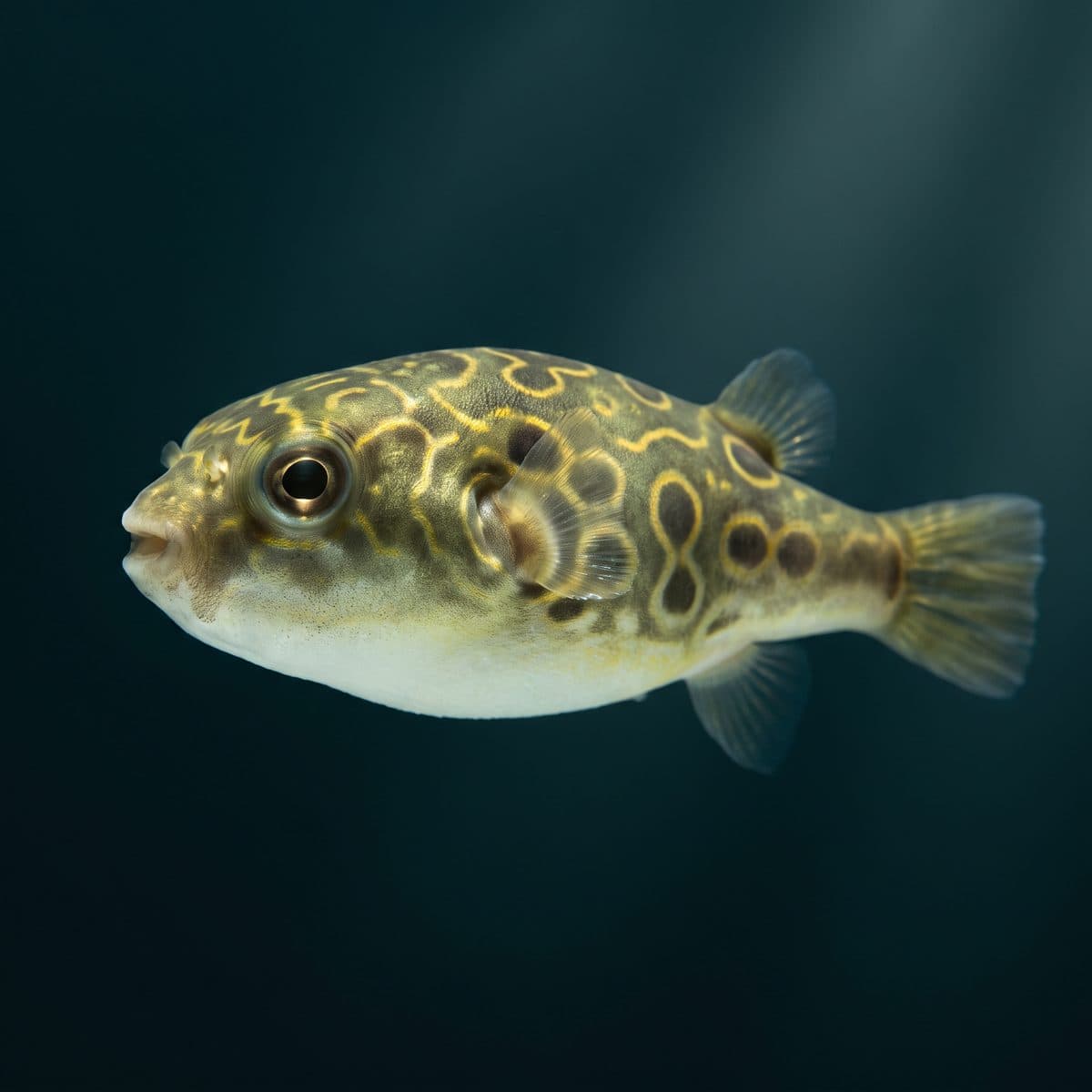
The MBU Pufferfish (Tetraodon mbu) is the largest freshwater pufferfish in the world, reaching 60–75 cm (24–30 inches) and potentially exceeding 10 kg. Native to the Congo River basin and Lake Tanganyika in Central Africa, MBUs are imposing, intelligent, and remarkably interactive fish that develop genuine relationships with their keepers. They are frequently described as "aquatic dogs" — following their owner's movement, begging for food, and displaying excitement when approached.
The flip side of this extraordinary personality is extraordinary demand. An adult MBU requires a 500+ gallon tank, industrial-strength filtration, a constant supply of expensive hard-shelled foods, and weekly water changes measured in the hundreds of gallons. This is a fish for dedicated hobbyists with the space, budget, and long-term commitment to provide what it needs.
Tank Requirements
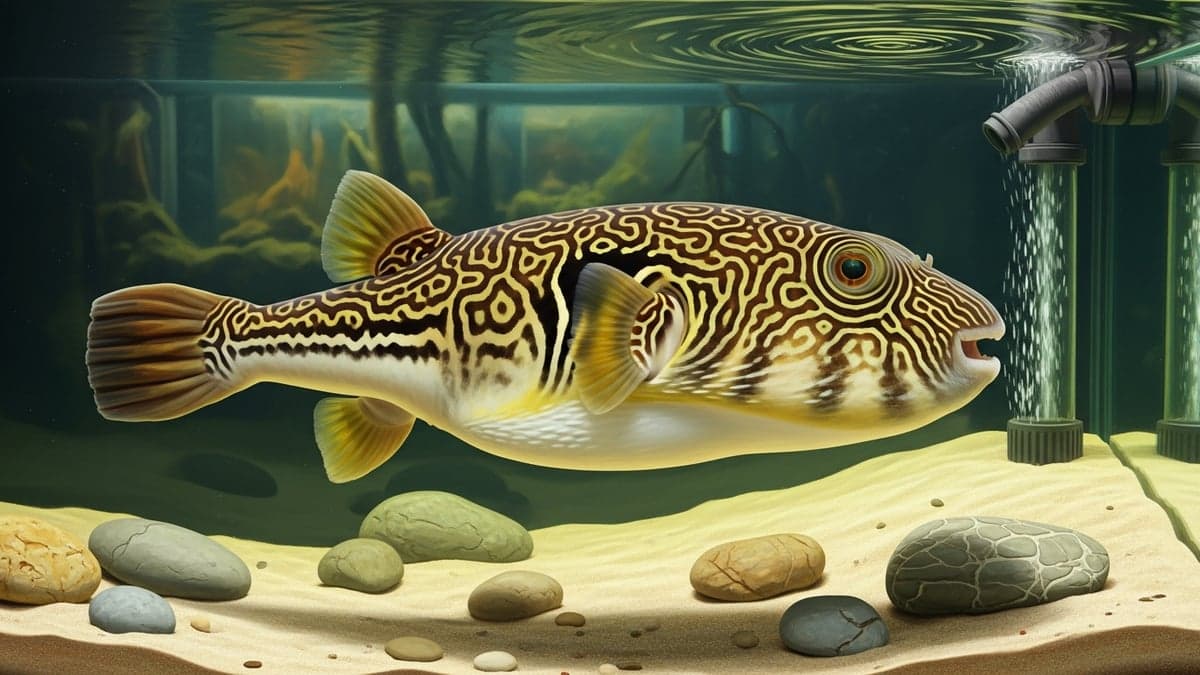
A juvenile MBU (10–15 cm at purchase) can temporarily inhabit a 125-gallon tank, but adults require a minimum of 500 gallons — and larger is always better. The ideal MBU tank is 8–10 feet long, 3–4 feet wide, and 2–3 feet tall. Custom builds are standard at this scale; off-the-shelf tanks this size are rare.
- Substrate: Fine sand. MBUs dig, rearrange, and interact with substrate actively. Bare bottoms work but are less enriching.
- Décor: Large, smooth driftwood and rocks. MBUs are destructive — anything not secured will be moved. Plants will be uprooted or eaten. Use robust, well-anchored hardscape only.
- Heater: Titanium, rated for 500+ gallons. MBUs bite everything — glass heaters will be destroyed. Place heaters behind protective guards or in a sump.
- Lid: MBUs splash enthusiastically during feeding. A secure lid prevents water loss and accidental escapes (rare but possible with panicked juveniles).
Filtration for MBU
MBU Pufferfish produce staggering amounts of waste. An adult MBU's bioload is comparable to that of several large cichlids combined. Filtration must be massively oversized:
- Sump: A sump of 150–200 gallons (30–40 % of display volume) is the minimum. Multiple chambers for mechanical, biological, and chemical filtration are essential.
- Biological media: 30+ litres of sintered glass or ceramic biomedia. The nitrogen cycle in an MBU system processes more ammonia daily than many entire community tanks.
- Water changes: Weekly 30–50 % changes are mandatory — at 500 gallons, that is 150–250 gallons of water per week. Many MBU keepers install permanent plumbing with drain lines and float-valve refill systems.
Water Parameters
- Temperature: 24–26 °C (75–79 °F). MBUs prefer slightly cooler water than Fahaka Pufferfish.
- pH: 7.0–8.0
- Hardness: 10–20 dGH. Their Congolese origin means they are adapted to moderately hard, slightly alkaline water.
- Ammonia/Nitrite: 0 ppm — scaleless and highly sensitive to dissolved waste.
- Nitrate: Below 20 ppm. With the enormous bioload of an adult MBU, maintaining this requires aggressive water changes and massive biological filtration.
Diet and Beak Maintenance
Like all pufferfish, MBUs have a continuously growing fused beak that must be worn down through hard-shelled food consumption. Given their size, the volume of shellfish required is substantial — budget accordingly.
Essential foods:
- Snails: Large quantities. Many MBU keepers maintain multiple breeding tanks of Mystery Snails, Ramshorn Snails, and Malaysian Trumpet Snails specifically for this purpose.
- Mussels and clams: Whole, shell-on. Purchase in bulk from seafood markets. An adult MBU can consume 10–15 mussels per feeding session.
- Crab and crayfish: Whole crayfish are both food and enrichment — the MBU hunts and cracks them open. Purchase live crayfish from bait shops or breed your own.
- Whole shrimp: Shell-on, heads included. Carotenoid content supports colour.
Supplementary foods: Earthworms, frozen fish fillets, and squid provide variety. Feed 3–4 times per week for adults with hard-shelled items at every meal. Monthly food costs for an adult MBU typically range from $80–$200 depending on sourcing. See our pufferfish diet and feeding guide.
Personality and Interaction
MBU Pufferfish are widely considered the most interactive freshwater fish in the hobby. Documented behaviours include:
- Recognising individual humans and responding differently to their keeper versus strangers
- Swimming to the front of the tank and "begging" when the keeper approaches
- Following the keeper's movement from one end of the tank to the other
- Displaying excitement (colour brightening, rapid swimming) at feeding time
- Investigating new objects placed in the tank with apparent curiosity
- Rearranging décor to personal preference (and stubbornly returning items you move back)
This personality is what makes MBU keeping addictive despite the demands. Keepers routinely describe their MBU as "the best pet they've ever had" — a fish with genuine individual character.
Tank Mates
MBU Pufferfish are significantly less aggressive than Fahaka Pufferfish, and some individuals coexist with tank mates in sufficiently large systems (700+ gallons). Potential companions include:
- Large Bichirs: Armoured, bottom-dwelling, and occupying a different niche. Polypterus endlicherii is a common choice.
- Large catfish: Synodontis species from the same Congolese habitat. Armoured and largely nocturnal.
- Large, fast cichlids: Some keepers successfully house MBUs with large Congolese cichlids in 700+ gallon systems.
However, individual MBU temperament varies dramatically. Some tolerate tank mates for years; others become aggressive without warning. Always have a backup plan and monitor continuously. When in doubt, keep the MBU alone — they do not need company and are perfectly content as a solitary fish with human interaction.
Health and Common Issues
- Beak overgrowth: Same concern as all pufferfish. Prevented by consistent hard-shelled diet. Treatment requires anaesthesia and manual trimming.
- Obesity: MBUs are voracious and will eat until physically unable to consume more. Strict feeding schedules (3–4 times per week for adults) prevent weight gain.
- Skin infections: Scaleless skin is vulnerable to bacterial and fungal infection if water quality drops. Maintain impeccable parameters.
- Stress puffing: MBUs inflate when stressed. While dramatic (an adult MBU fully inflated is the size of a basketball), repeated inflation events can cause internal injury. Minimise stressors.
- Intestinal parasites: Treat newly acquired specimens prophylactically with praziquantel.
The Commitment Reality
An MBU Pufferfish is a 10–15+ year commitment involving:
- A 500+ gallon tank that weighs over 2,000 kg fully loaded — ground-floor placement only
- 150–250 gallons of water changes per week
- $80–$200/month in shellfish food
- $50–$150/month in electricity (heater, filtration, lighting)
- Ongoing maintenance of snail breeding colonies
- Inability to travel without arranging a knowledgeable fish-sitter
If these requirements are within your means, an MBU Pufferfish will provide an experience unlike any other aquarium fish. If they are not, the Fahaka Pufferfish offers a similar personality in a more manageable (125-gallon) package.
Browse The Fish Collection's exotic fish collection for MBU availability — these fish are sporadically available and sell quickly.