Advanced
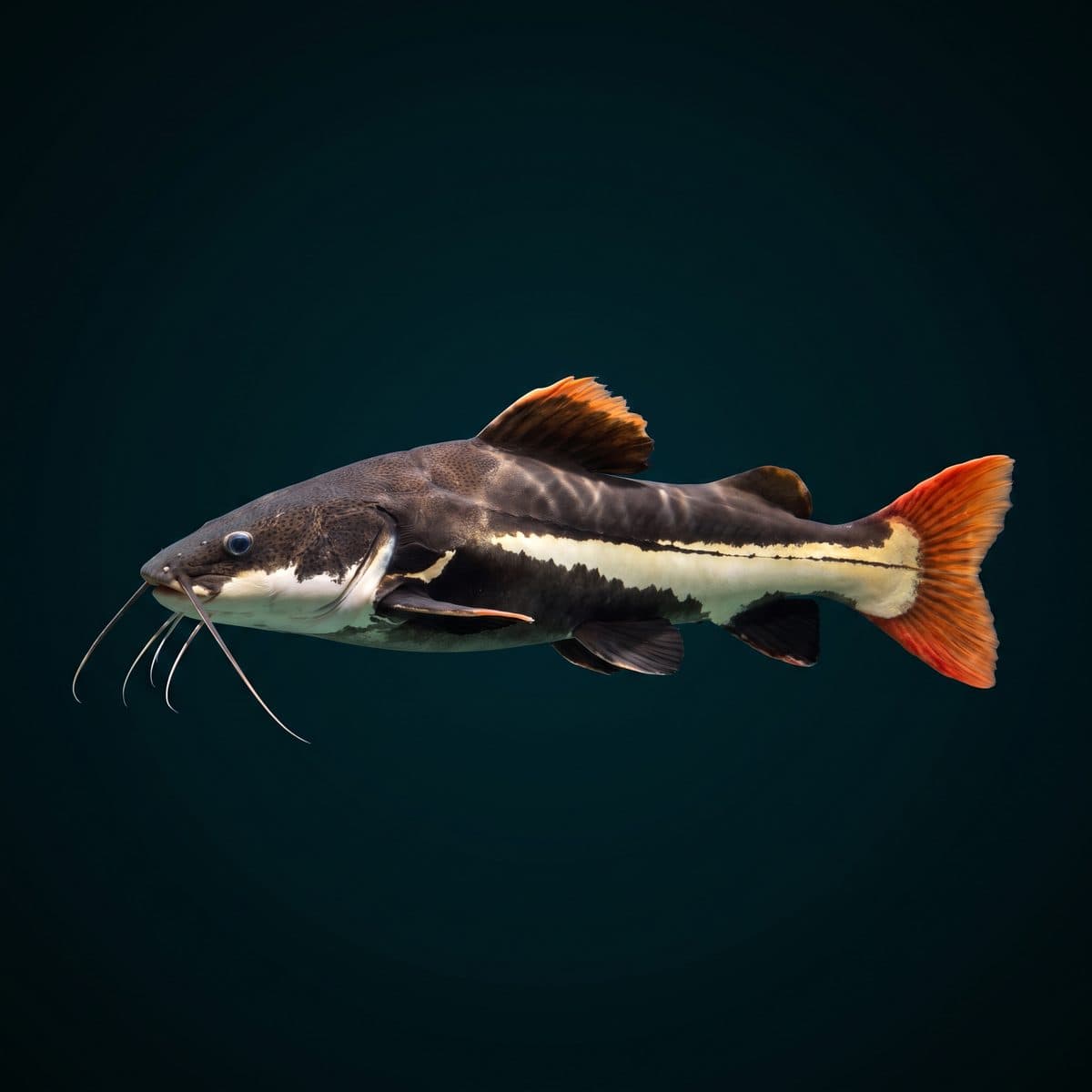
Red Tail Catfish
Phractocephalus hemioliopterus
₩237,600~Get a quote
Paulicea lutkeni
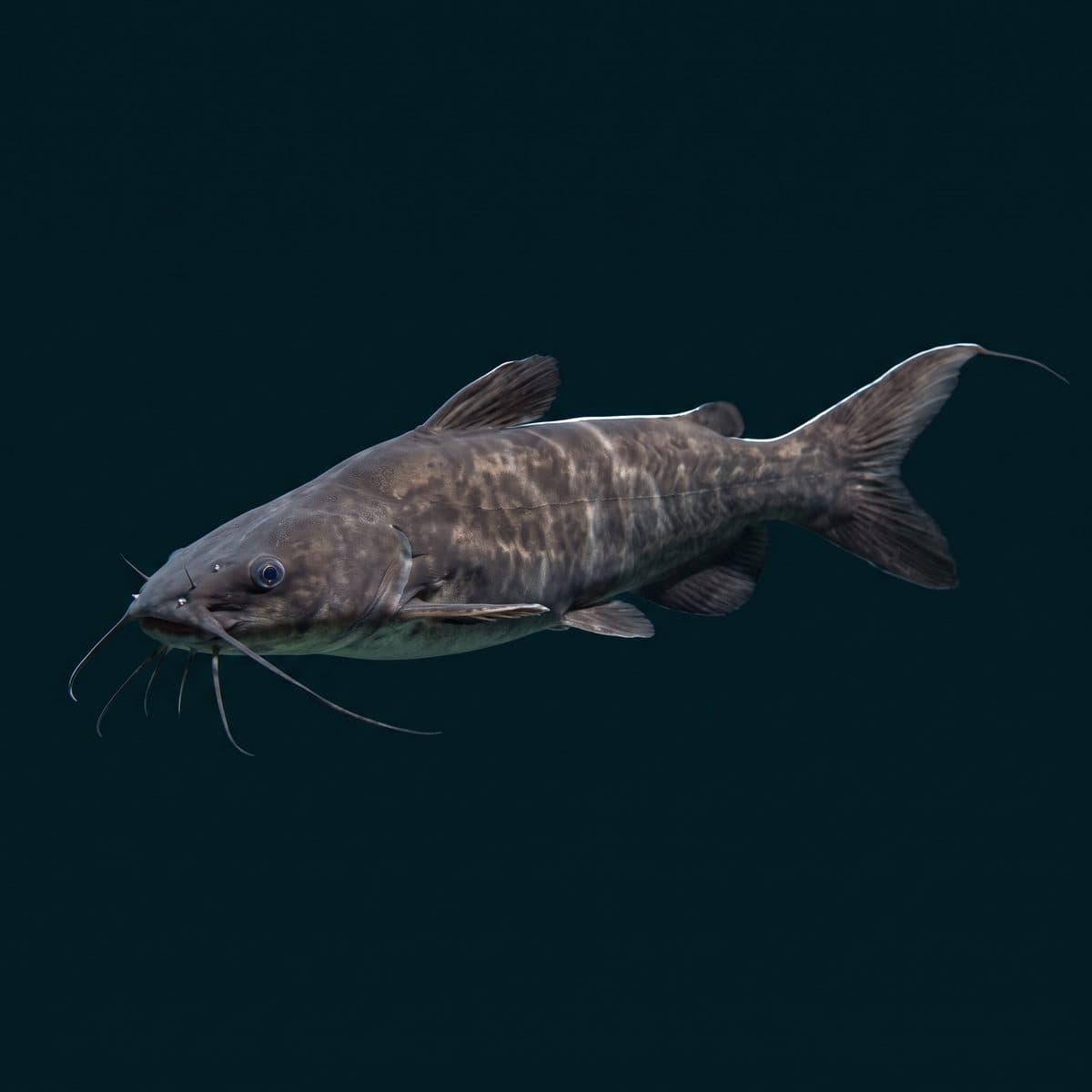
The Irwini Catfish is one of the most powerful and imposing freshwater catfish available to dedicated monster-fish keepers. Paulicea lutkeni, also known as the Jau Catfish in its native Brazil, is a true river giant that inhabits the deep channels and rapids of the Parana River system, where it grows to staggering proportions and occupies the apex predator niche alongside the largest pimelodid catfish on Earth. At The Fish Collection, we offer this species exclusively to experienced keepers who understand that an Irwini Catfish is not a casual acquisition — it is a lifelong project that demands expert-level husbandry and serious infrastructure.
Insulated, oxygen-packed transit · live-arrival guaranteed
Tank size
300+ gallons
성격
Predatory
먹이
Carnivore
Water
72–82°F · pH 6.5–7.5
Tell us what you're dreaming of — we'll reply with a price tailored to you.
Not sure if this fish is right for you?
Our team will happily help you choose.
The Irwini Catfish is one of the most powerful and imposing freshwater catfish available to dedicated monster-fish keepers. Paulicea lutkeni, also known as the Jau Catfish in its native Brazil, is a true river giant that inhabits the deep channels and rapids of the Parana River system, where it grows to staggering proportions and occupies the apex predator niche alongside the largest pimelodid catfish on Earth. At The Fish Collection, we offer this species exclusively to experienced keepers who understand that an Irwini Catfish is not a casual acquisition — it is a lifelong project that demands expert-level husbandry and serious infrastructure.
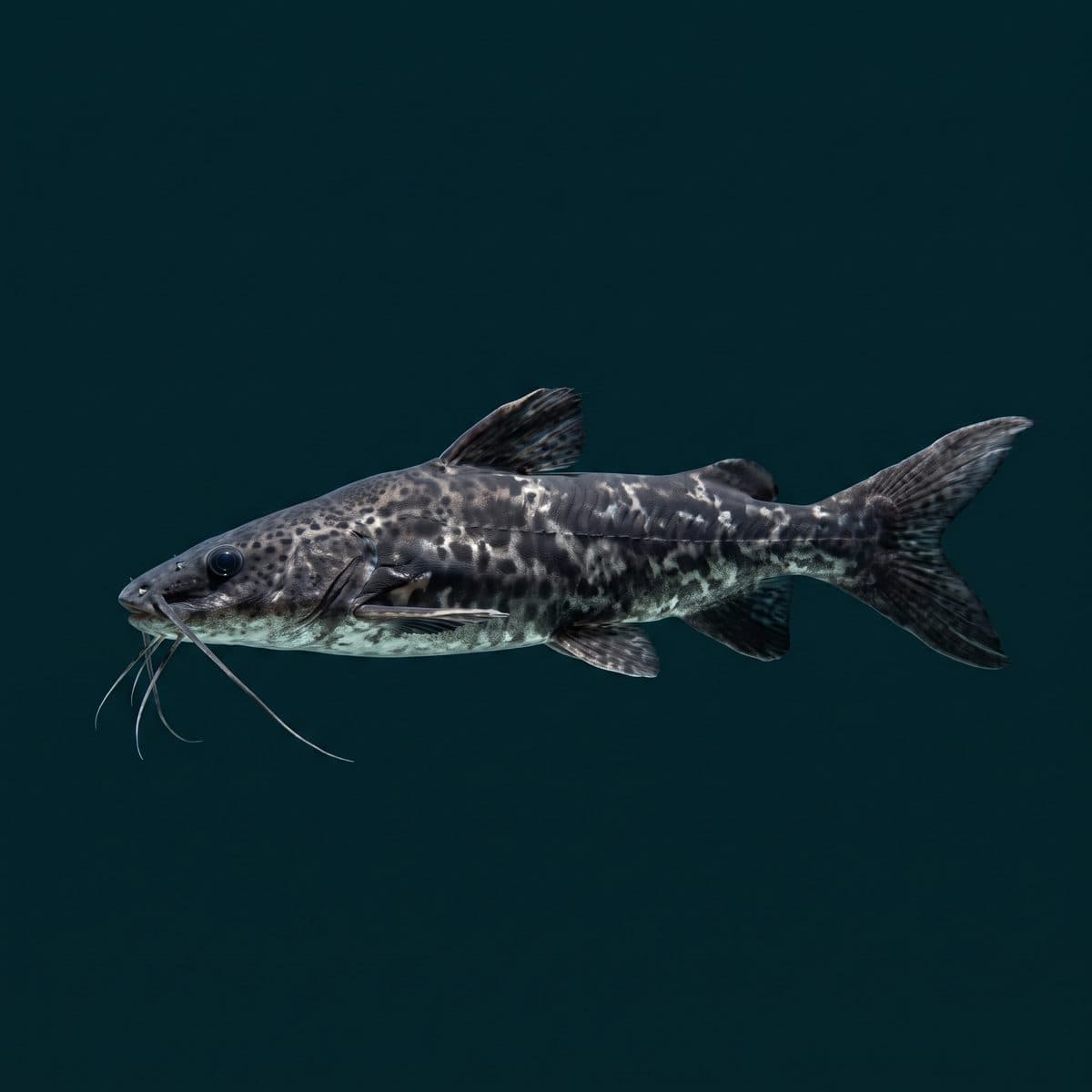
What distinguishes the Irwini from other large catfish in the hobby is its sheer physical presence. This is a heavily built, broad-headed species with a muscular body that conveys raw power even at rest. The coloration is a mottled pattern of dark olive, brown, and grey that provides excellent camouflage against rocky river substrates — subtle compared to the bold striping of a Shovelnose Tiger, but undeniably impressive when you consider the scale of the animal. Adults reach approximately 55 inches in captivity, and wild specimens have been documented at significantly larger sizes. The Irwini's mouth is cavernous, perfectly adapted for engulfing large prey items in the swift currents of its native habitat.
A 300-gallon aquarium is the bare minimum for a juvenile Irwini Catfish, and this should be viewed as temporary housing. A full-grown adult requires 500 gallons or more, with indoor ponds being the preferred solution among serious keepers. The tank must feature powerful filtration and strong water movement to replicate the well-oxygenated riverine conditions the species requires. Sump-based filtration rated for at least three times the tank volume, combined with supplementary powerheads, creates the current and dissolved oxygen levels that keep an Irwini in peak condition.
Diet is uncomplicated but must be protein-rich. The Irwini is an ambush carnivore that feeds on fish, crustaceans, and other aquatic organisms in the wild. In captivity, we feed ours a rotation of frozen silversides, whole prawns, smelt, tilapia fillets, and high-quality sinking pellets. Live feeder fish are an option from quarantined sources but are not essential. Feed juveniles daily, tapering to every two to three days for sub-adults and twice weekly for mature adults. As with all large catfish, overfeeding is a serious risk — these fish will gorge if given the opportunity, leading to obesity and organ stress.
Water conditions should reflect the Irwini's natural habitat: 72 to 82 degrees Fahrenheit, pH of 6.5 to 7.5, and soft to moderately hard water. Weekly water changes of 30 to 50 percent are critical given the massive bioload these fish produce. The Irwini is a hardy species that adapts well to captive conditions, but it does not tolerate ammonia or nitrite spikes — robust biological filtration is non-negotiable.
The Irwini Catfish is predatory by nature and will consume any tankmate small enough to fit in its mouth. Housing with other large predatory species is possible in very large systems but requires careful planning. With a lifespan that can exceed 20 years, this is a fish that grows with you and rewards your investment of space, time, and expertise with one of the most commanding presences in freshwater fishkeeping.
일반적인 질문
전문가 자료
이런 물고기도 좋아하실 수 있습니다
₩396,000~
Indicative price