Overview
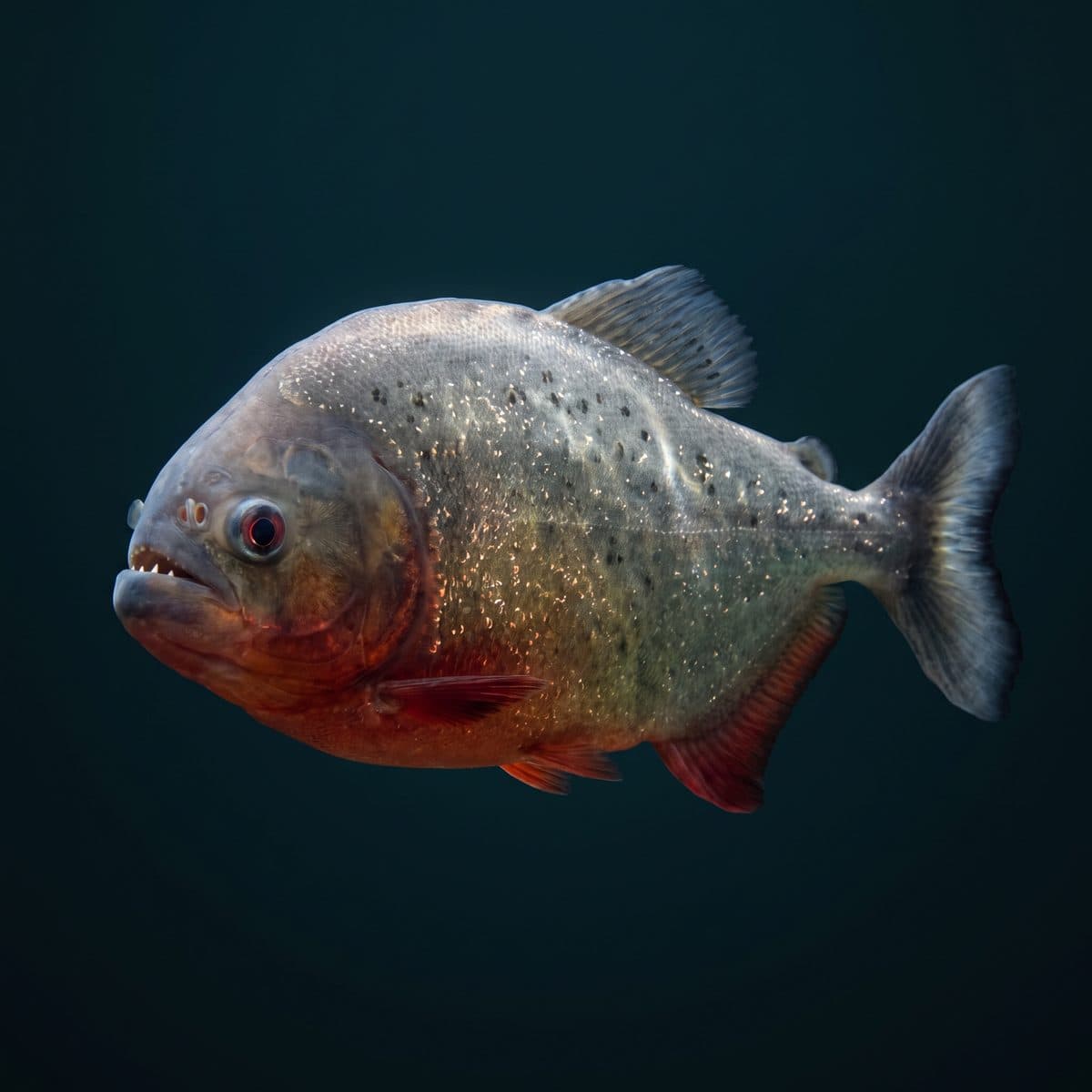
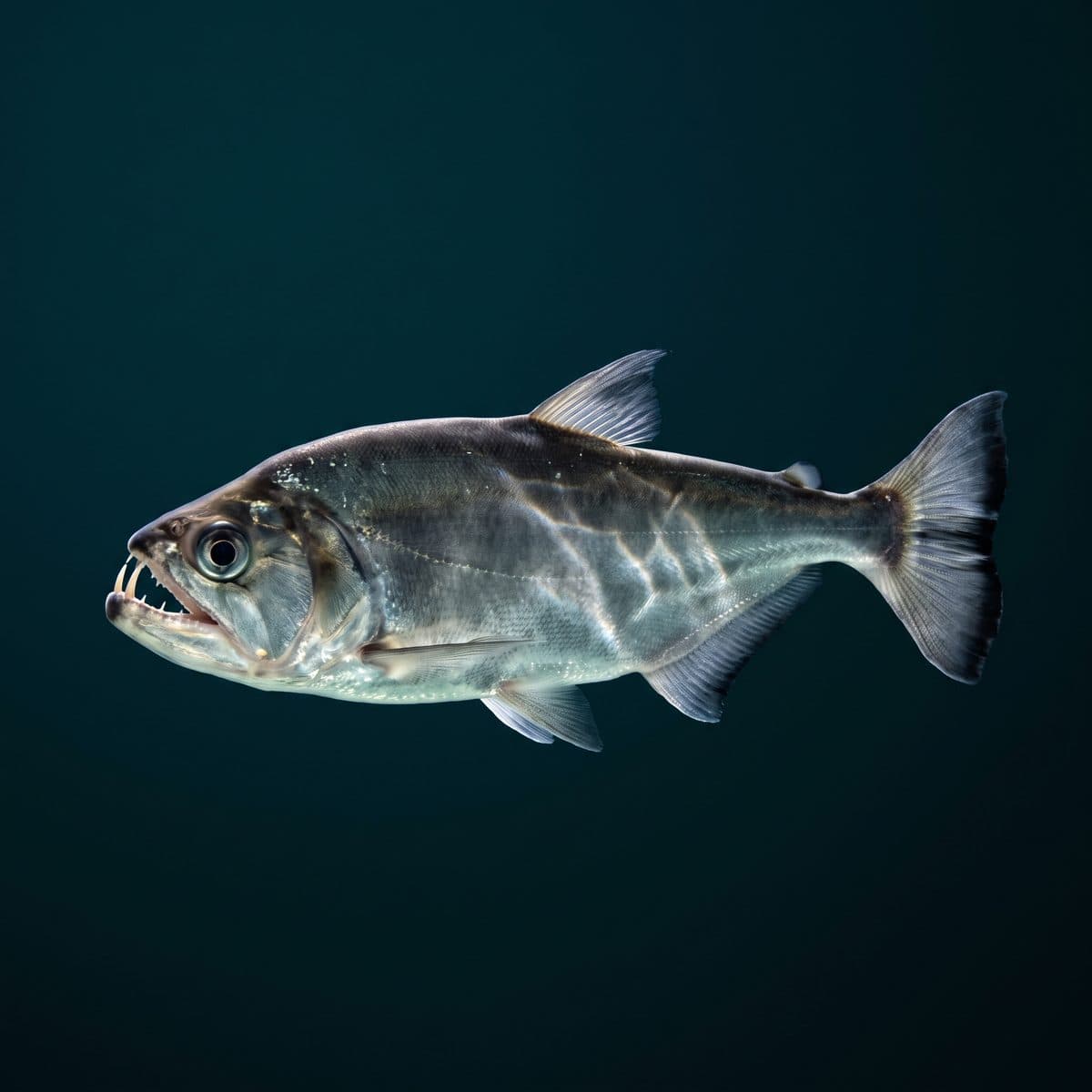
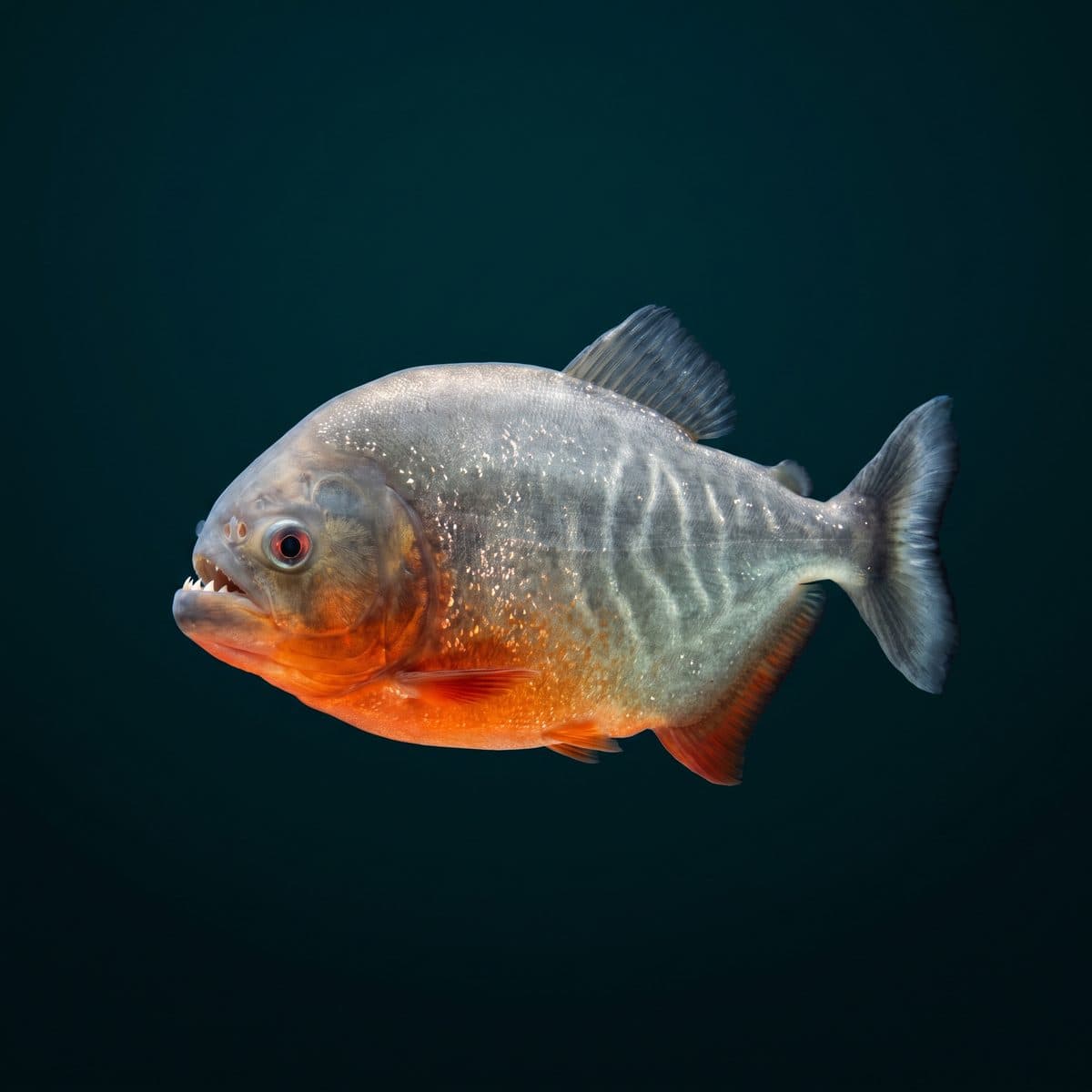
Piranhas belong to the family Serrasalmidae and are native to South American river systems. The red-bellied piranha (Pygocentrus nattereri) is the most commonly kept species, renowned for its silver body with vivid red-orange ventral colouration. Despite Hollywood mythology, piranhas are not mindless killing machines — in captivity they are typically nervous, easily startled schooling fish that rely on group numbers for confidence.
Legality
Piranha ownership is illegal in many US states including California, Texas, New York, and approximately 25 others. Check your state and local regulations before purchasing. States that permit piranha keeping may require permits. Releasing piranhas into wild waterways is a federal offence. The Fish Collection only ships piranhas to states where they are legal to own.
Tank Setup
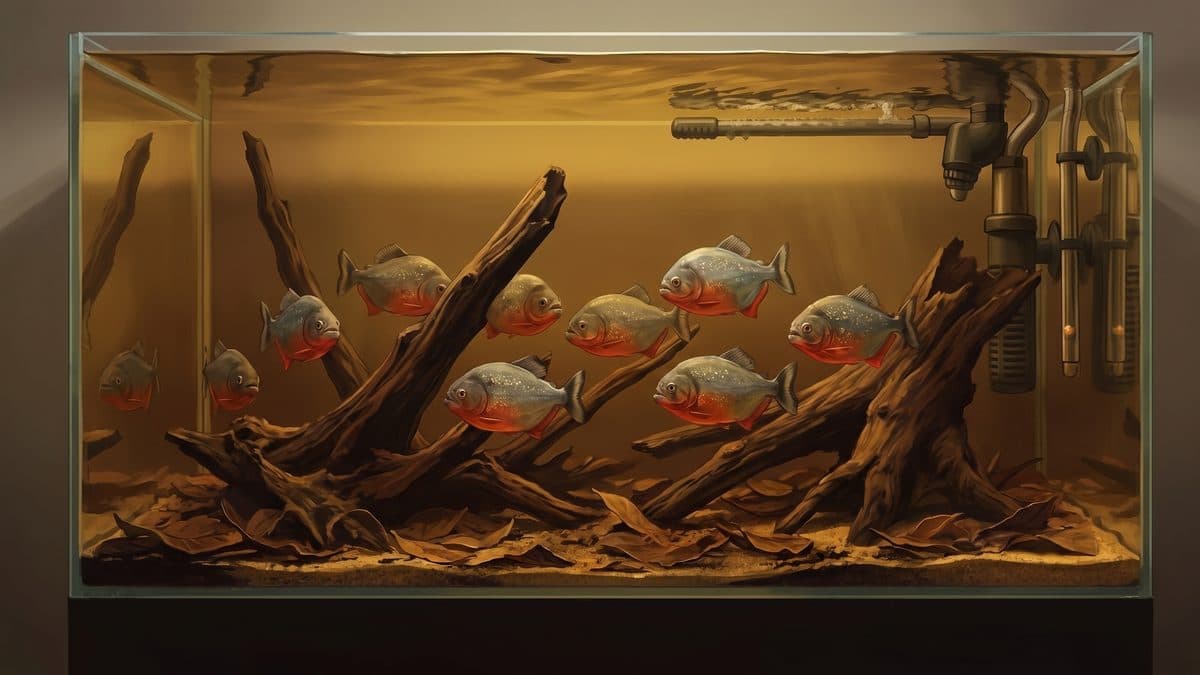
Piranhas must be kept in groups — a solitary piranha is a stressed piranha. Minimum school: 4 fish in a 75-gallon tank; 6+ fish in 125 gallons. Provide subdued lighting, dark substrate, driftwood, and live or artificial plants to create visual barriers and reduce aggression. A tight-fitting lid is essential — piranhas can leap when startled.
Water Parameters
- Temperature: 75–82 °F (24–28 °C)
- pH: 6.0–7.5 (soft, slightly acidic preferred)
- GH: 4–15 dGH
- Ammonia/Nitrite: 0 ppm
- Nitrate: Below 30 ppm
Heavy filtration is essential — piranhas are messy carnivores. Run a canister filter rated for 8–10× turnover plus supplemental aeration. Weekly 30% water changes.
Diet and Feeding
Feed piranhas a varied diet of raw fish fillets (tilapia, white fish), raw shrimp, earthworms, mussels, and quality carnivore pellets (Hikari Massivore, Northfin Predator). Do not use live feeder fish — they carry parasites and disease. Feed every other day for adults; the food should be consumed within 5 minutes. Remove leftovers immediately to maintain water quality.
Behaviour in Captivity
Captive piranhas are surprisingly timid. They startle easily, may hide when approached, and can become stressed by excessive movement near the tank. Confidence comes from numbers — larger schools display more natural behaviour. Aggression within the group (fin-nipping, hierarchical displays) is normal. Ensure each fish has adequate space and sightline breaks to manage conspecific aggression.
Tank Mates
Piranhas are best kept in a species-only setup. Some keepers have success with large, armoured plecos (Common Pleco, Sailfin Pleco) as they are too bony for piranhas to bite effectively. However, no tank mate is truly "safe" — piranhas may attack any fish during feeding frenzies or periods of stress.
Health Considerations
Piranhas are generally hardy when water quality is maintained. Common issues include fin damage from conspecific nipping (heals rapidly in clean water), ich (raise temperature to 86 °F), and eye cloudiness from poor water quality. Piranhas can also develop jaw deformities from biting hard décor — use smooth driftwood and avoid sharp rocks.
Safe Tank Maintenance
Let's be practical: you'll have your hands in this tank weekly for the next decade, so build safe habits from day one. Captive red-bellies almost never bite their keepers — but "almost never" isn't "never", and most documented bites happen during maintenance, not feeding.
- Know where every fish is before your hand enters the water, and keep the school in view the whole time. The risk scenario is a startled fish in cloudy water, not a hungry one.
- Never do maintenance on feeding day. Schedule water changes for the day after a meal, when the school is calm and uninterested.
- Use long tools: a 24-inch gravel vacuum, an algae scraper on a handle, and feeding tongs mean your fingers rarely need to be near the fish at all.
- Get a second person for big jobs like moving décor or catching fish — one watches the school while the other works.
- Skip cheap nets. Piranhas bite through mesh and tangle their teeth in it. Move them with a rigid container or a heavy-duty double net.
A Sample Weekly Feeding Plan
Variety keeps piranhas healthy and their colour vivid. Here's a rotation that works well for adult red-bellies — feed juveniles under 4 inches daily instead, and size every portion so it's gone within 5 minutes:
| Day | Food | Notes |
|---|---|---|
| Monday | Raw tilapia or white fish strips | Skinless, cut to bite size |
| Wednesday | Raw shrimp, shell-on | Shell adds minerals and roughage |
| Friday | Carnivore pellets | Keeps them pellet-trained; vitamin insurance |
| Sunday | Earthworms or mussels | Rotate the treat each week |
Skip the beef heart and chicken you'll still see in old forum posts — mammal and poultry fats don't digest properly in fish and cause organ damage over time. And spread food across the tank so the whole school eats at once; competition over a single piece is how feeding-time injuries happen.
Growing Out Juveniles
Most keepers start with quarter-sized juveniles, and the grow-out phase has its own rules. Young red-bellies grow roughly an inch a month for the first six months when fed daily, reaching 5–6 inches by month six and 8+ inches around 18 months.
Two things matter most during grow-out. First, feed generously and evenly — the classic cause of cannibalism in juvenile schools is hunger plus a size gap. The smallest fish in an underfed group becomes food; keep everyone in the same size class and well fed, and losses are rare. Second, upgrade before you're forced to. Six juveniles look lost in a 125-gallon tank, but they'll fill it within two years, and moving an established school mid-life is genuinely stressful for fish and keeper alike. Buying the final tank up front skips all of that.
Expect the school's character to change with age, too: juveniles school tightly and spook easily, while adults spread out into loose territories and hold position in the current. Both are normal.
Breeding Notes
Red-bellied piranhas breed surprisingly readily in large, mature aquariums — often to their keeper's complete surprise. Watch for a pair darkening to near-black, fanning a pit into the substrate, and circling each other in tight loops. The female lays several hundred to a few thousand adhesive eggs in the pit, and the male guards them ferociously — postpone the water change for a few days, because tank maintenance gets genuinely hazardous during guard duty.
Eggs hatch in 2–3 days at 80 °F. If you want to raise fry, siphon them into a separate grow-out tank after hatching — left in the main tank, they're eventually eaten. Free-swimming fry take baby brine shrimp after about a week. Then comes the real work: sorting by size every couple of weeks, because siblings cannibalise anything smaller than themselves. Raising even 50 fry to sellable size ties up multiple tanks for months — worth doing once for the experience, but go in with a rehoming plan for dozens of juvenile piranhas in a state where they're legal.