The species library

Meet your next fish

ヘッドアクアリストのTeemu Suoninenが執筆した詳細な飼育ガイドです。各ガイドでは、水槽の要件、水質パラメーター、食性、性格、繁殖、混泳について網羅しており、お客様の魚を健やかに育てるために必要なすべての情報をお届けします。

50件のガイドを公開中

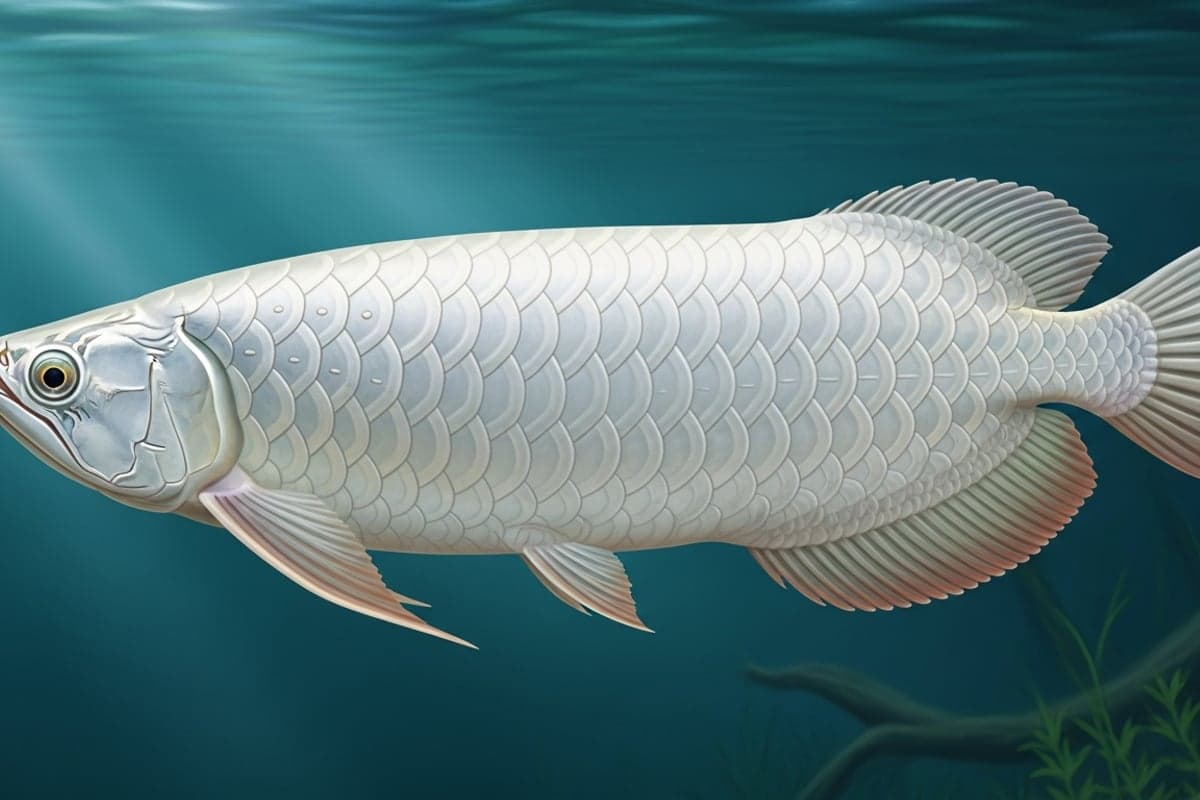
Adult Platinum Arowana displaying its iconic metallic silver-white scales in a dimly lit aquariumExpert

種別ガイド

Platinum Arowana Care Guide

Scleropages formosus

The Platinum Arowana is the single most coveted freshwater fish in the collector market, with verified sales exceeding $400,000 for flawless specimens. A naturally occurring leucistic variant of the Asian Arowana (Scleropages formosus), it demands expert-level husbandry, a spacious aquarium, and strict adherence to CITES documentation. This guide covers every aspect of Platinum Arowana care — from water chemistry and tank dimensions to diet protocols and common pathologies — drawing on The Fish Collection's 15 years of hands-on breeding and trading experience.

8分で読めるRead it
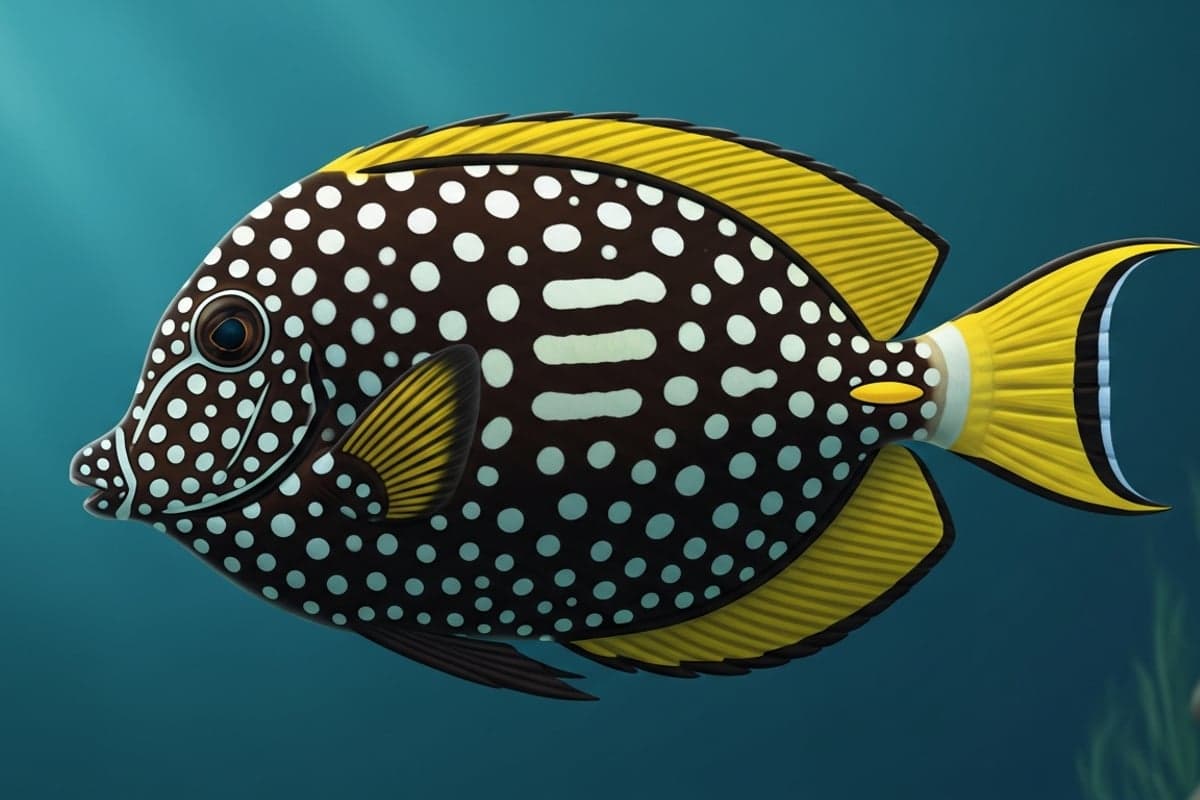
Gem Tang displaying brilliant white spots against its jet-black body in a mature reef aquariumExpert

種別ガイド

Gem Tang Care Guide

Zebrasoma gemmatum

The Gem Tang (Zebrasoma gemmatum) is widely considered the holy grail of marine aquarium fish, with specimens routinely commanding $2,000–$4,000 at retail. Endemic to a narrow band of the western Indian Ocean — primarily around Mauritius, Réunion, and Madagascar — its limited collection range, deepwater habitat, and export restrictions make it one of the rarest tangs in the trade. This guide provides collector-grade care instructions based on The Fish Collection's direct experience maintaining and shipping this extraordinary surgeonfish.

8分で読めるRead it
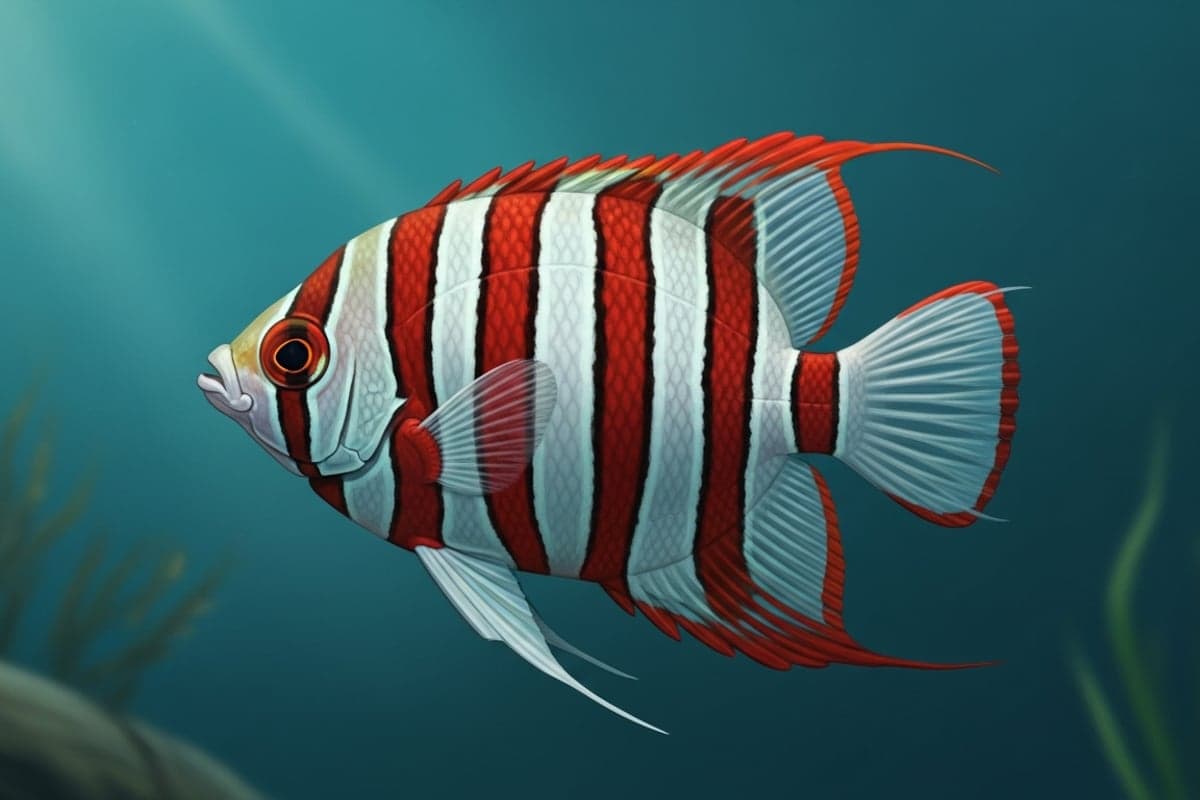
Peppermint Angelfish with its distinctive red and white striping swimming among deep-reef coralsExpert

種別ガイド

Peppermint Angelfish Care Guide

Centropyge boylei

The Peppermint Angelfish (Centropyge boylei) is arguably the rarest marine aquarium fish in the world, with only a handful of specimens ever collected for the trade. First described in 1992 from deep reefs around the Cook Islands, this diminutive angelfish lives at depths of 55–120 metres, making collection exceptionally difficult and expensive. Specimens that have entered the aquarium trade have sold for $20,000–$30,000, cementing the Peppermint Angelfish as the ultimate prize for elite marine collectors. This guide consolidates what is known about its captive care from the few successful long-term keepers and public aquarium holdings.

8分で読めるRead it
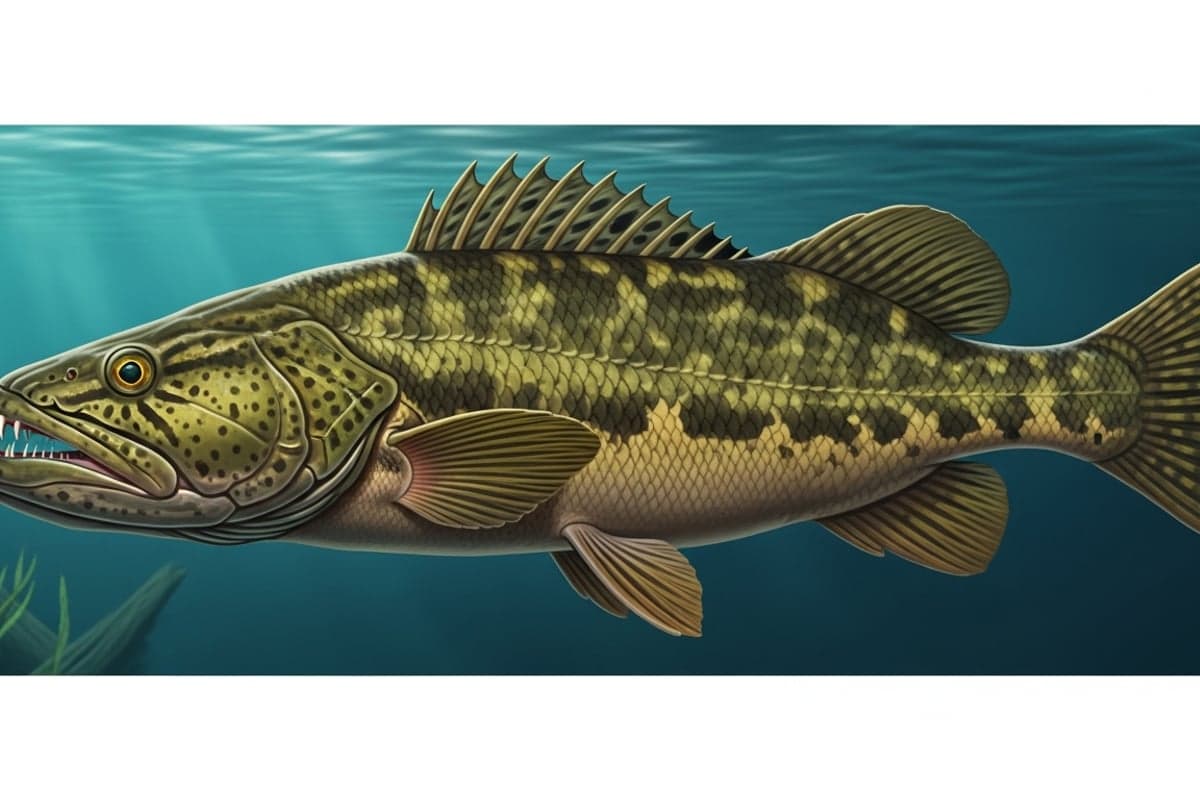
Adult Wolf Fish (Hoplias malabaricus) resting among submerged driftwood in a blackwater aquarium setupMedium

種別ガイド

Wolf Fish Care Guide

Hoplias malabaricus

The Wolf Fish (Hoplias malabaricus) is the apex freshwater predator of South America, found in virtually every river system from the Orinoco to the Paraná. Known in its native range as "Traíra," this robust characiform is built for one purpose: to hunt. With a mouth full of canine-like teeth, explosive strike speed, and the tenacity to survive in oxygen-depleted swamps, the Wolf Fish is the ultimate predator-keeper's fish. This guide covers everything from tank requirements and feeding protocols to breeding behaviour and safe handling practices.

9分で読めるRead it
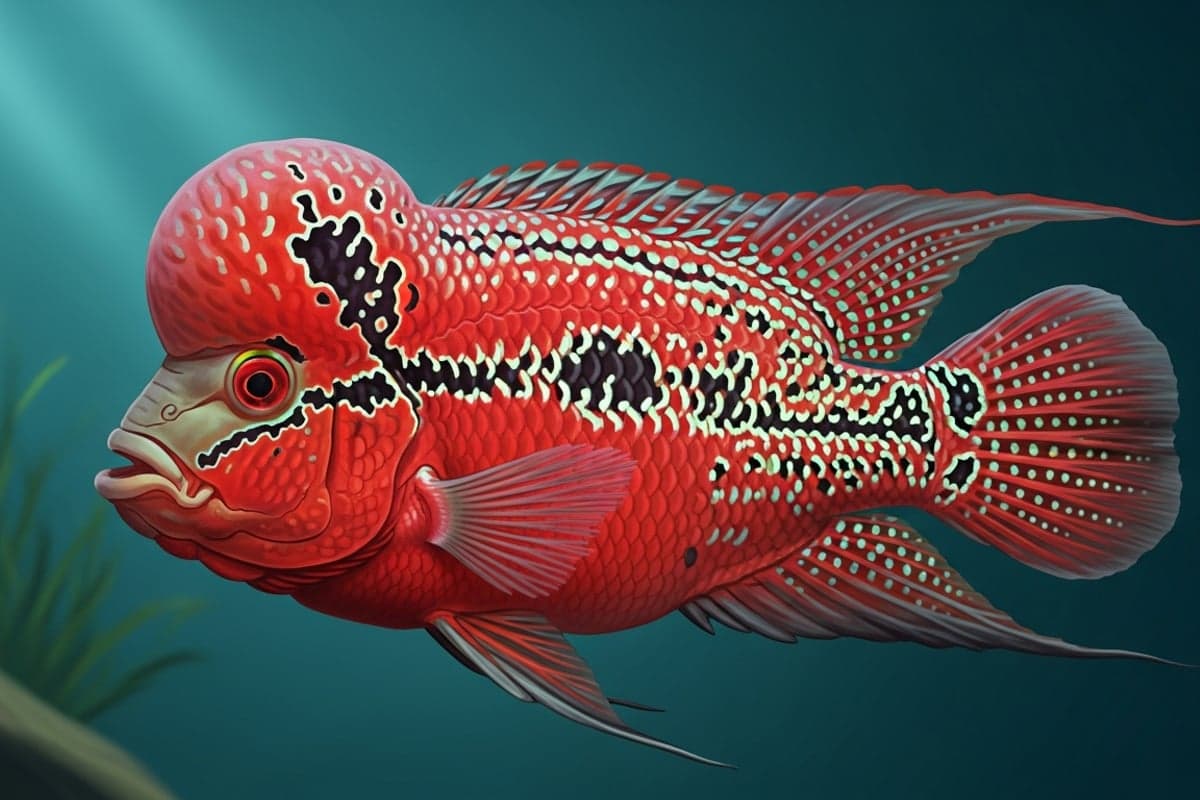
Mature Flowerhorn Cichlid displaying a prominent nuchal hump and vivid red-and-pearl colourationMedium

種別ガイド

Flowerhorn Cichlid Care Guide

Hybrid (Amphilophus spp.)

The Flowerhorn Cichlid is a man-made hybrid originating from Malaysian and Taiwanese breeding programmes in the late 1990s, primarily involving crosses between Amphilophus citrinellus (Midas Cichlid), Amphilophus trimaculatus (Trimac), and various Central American cichlid species. Celebrated for its prominent nuchal hump (kok), vivid colouration, and interactive personality, the Flowerhorn has become one of the most commercially successful ornamental fish in history. This guide covers the husbandry of all major Flowerhorn strains — from the classic Zhen Zhu (Pearl) to the Super Red Dragon and King Kamfa — with specific attention to hump development, colour enhancement, and the aggressive temperament that makes this fish both fascinating and challenging.

10分で読めるRead it
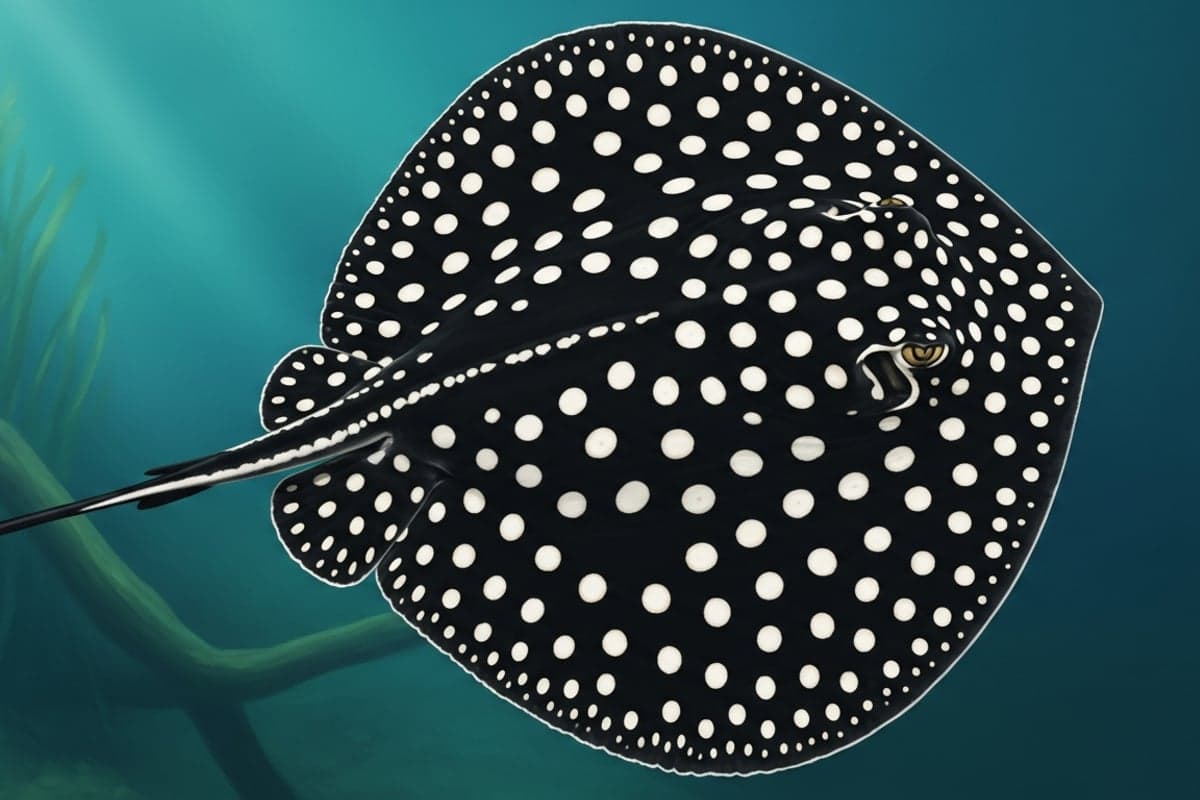
Black Diamond Stingray resting on sandy substrate displaying vivid white polka-dot pattern against jet-black discExpert

種別ガイド

Black Diamond Stingray (Potamotrygon leopoldi)

Potamotrygon leopoldi

The Black Diamond Stingray (Potamotrygon leopoldi), endemic to the Xingu River basin in Brazil, is one of the most striking freshwater rays in the hobby. Its jet-black disc adorned with bold white spots commands premium prices and demands expert-level husbandry. This guide covers every aspect of Black Diamond Stingray care — from water chemistry and tank dimensions to diet, breeding, and disease prevention — drawing on The Fish Collection's years of direct import and keeping experience.

8分で読めるRead it
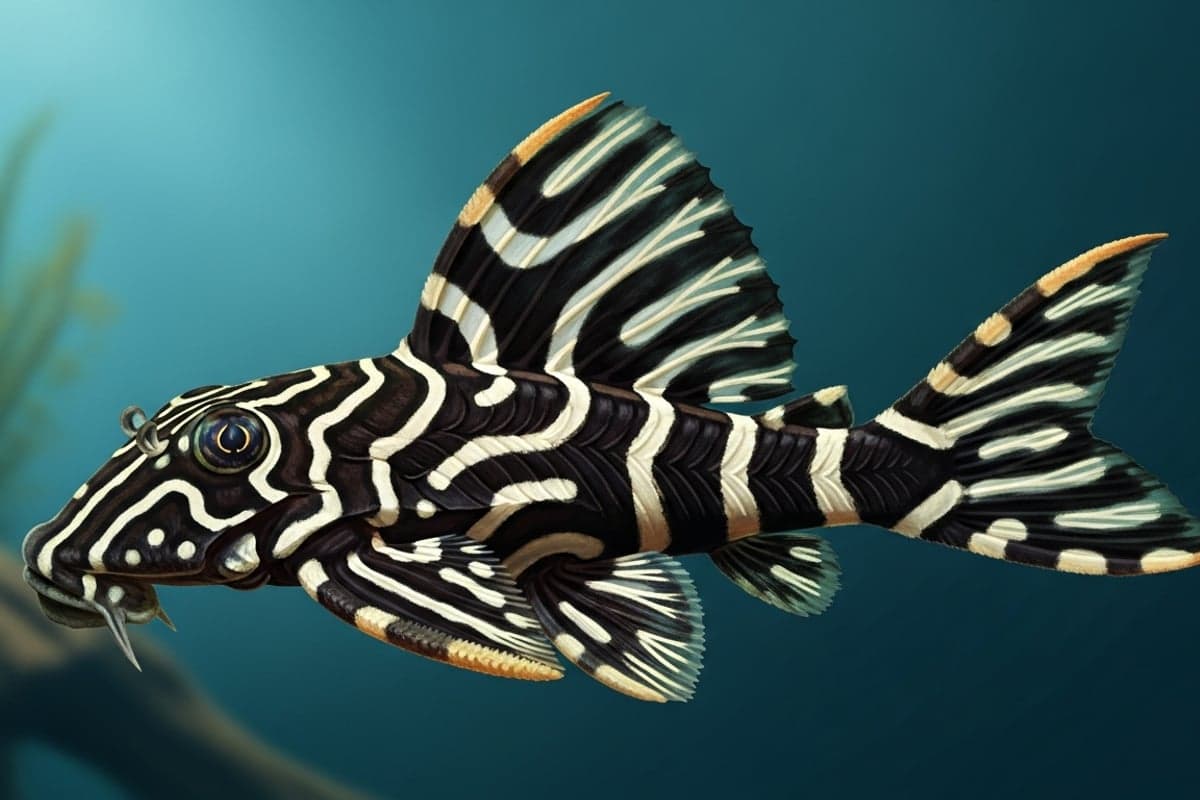
Zebra Pleco displaying striking black and white lateral stripes while resting on a smooth river stoneMedium

種別ガイド

Zebra Pleco (Hypancistrus zebra)

Hypancistrus zebra

The Zebra Pleco (Hypancistrus zebra, L046) is one of the most coveted freshwater catfish in the aquarium hobby, prized for its dramatic black-and-white striped pattern. Endemic to the Xingu River in Brazil, wild populations have declined sharply due to habitat disruption from the Belo Monte dam, placing enormous value on captive-bred specimens. This comprehensive guide covers all aspects of Zebra Pleco care — from water parameters and cave design to breeding protocols and disease prevention — based on The Fish Collection's extensive experience with this iconic species.

8分で読めるRead it
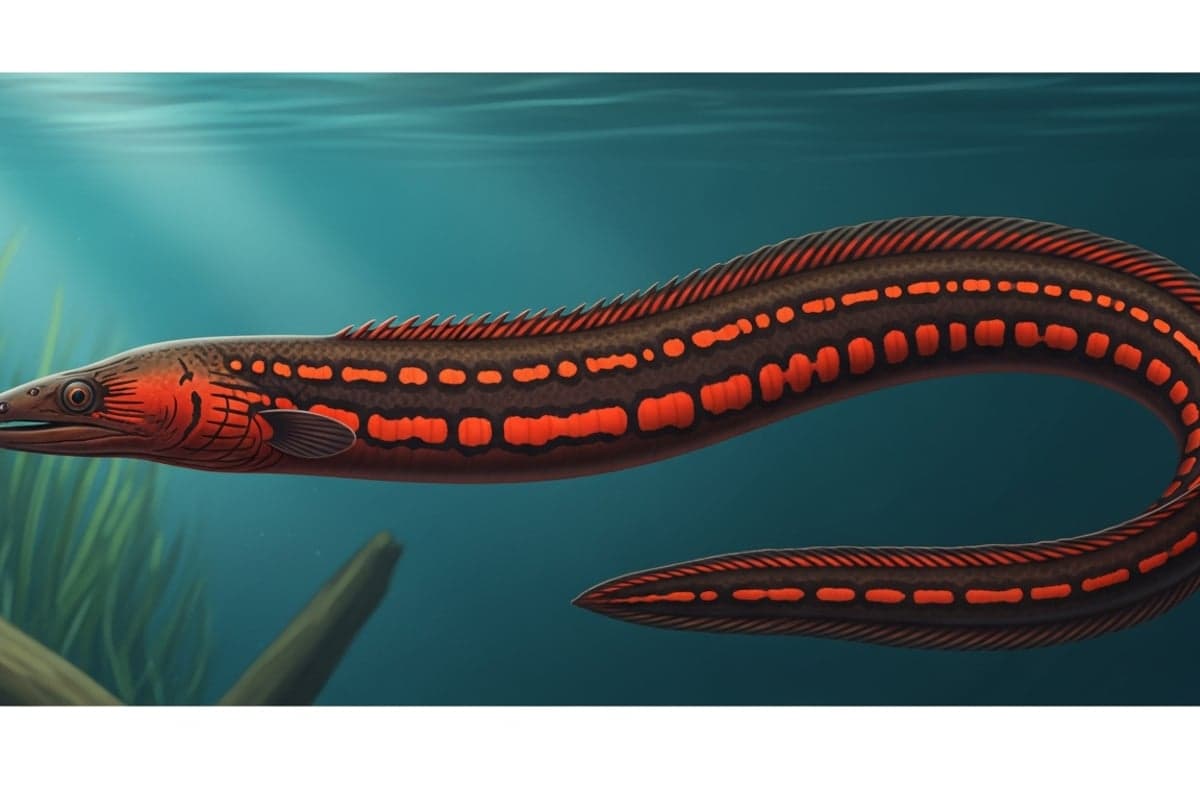
Adult Fire Eel partially buried in fine sand with vivid red-orange lateral stripes glowing under subdued aquarium lightingMedium

種別ガイド

Fire Eel (Mastacembelus erythrotaenia)

Mastacembelus erythrotaenia

The Fire Eel (Mastacembelus erythrotaenia) is the largest and most visually dramatic member of the spiny eel family, reaching up to 100 cm in captivity. Native to slow-moving rivers and floodplains across Southeast Asia, it is prized for its striking red-orange lateral markings against a dark body. This comprehensive guide covers tank setup, water parameters, feeding strategies, breeding, health concerns, and compatibility — drawing on The Fish Collection's extensive experience importing and maintaining these impressive fish.

8分で読めるRead it
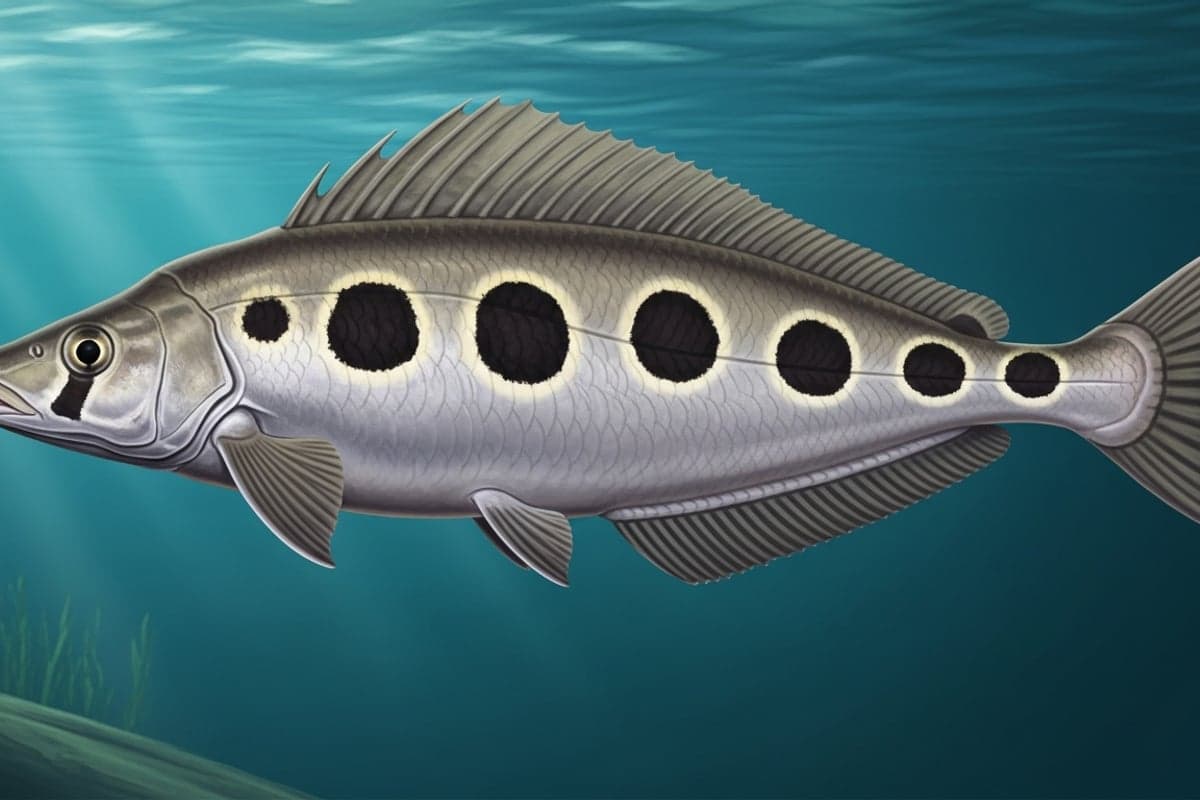
Large Clown Knife Fish displaying signature ocellated spots along its silvery flank in a spacious planted aquariumExpert

種別ガイド

Clown Knife Fish (Chitala ornata)

Chitala ornata

The Clown Knife Fish (Chitala ornata) is a spectacular Southeast Asian predator recognised by its laterally compressed, blade-shaped body and the distinctive ocellated spots along its lower flank. Capable of exceeding 100 cm in the wild and commonly reaching 60 cm in home aquaria, it demands a spacious tank, expert-level feeding protocols, and careful tank-mate selection. This guide covers every aspect of Clown Knife Fish care — from habitat replication and water chemistry to diet, breeding, and disease management — informed by The Fish Collection's years of direct experience with this iconic species.

8分で読めるRead it
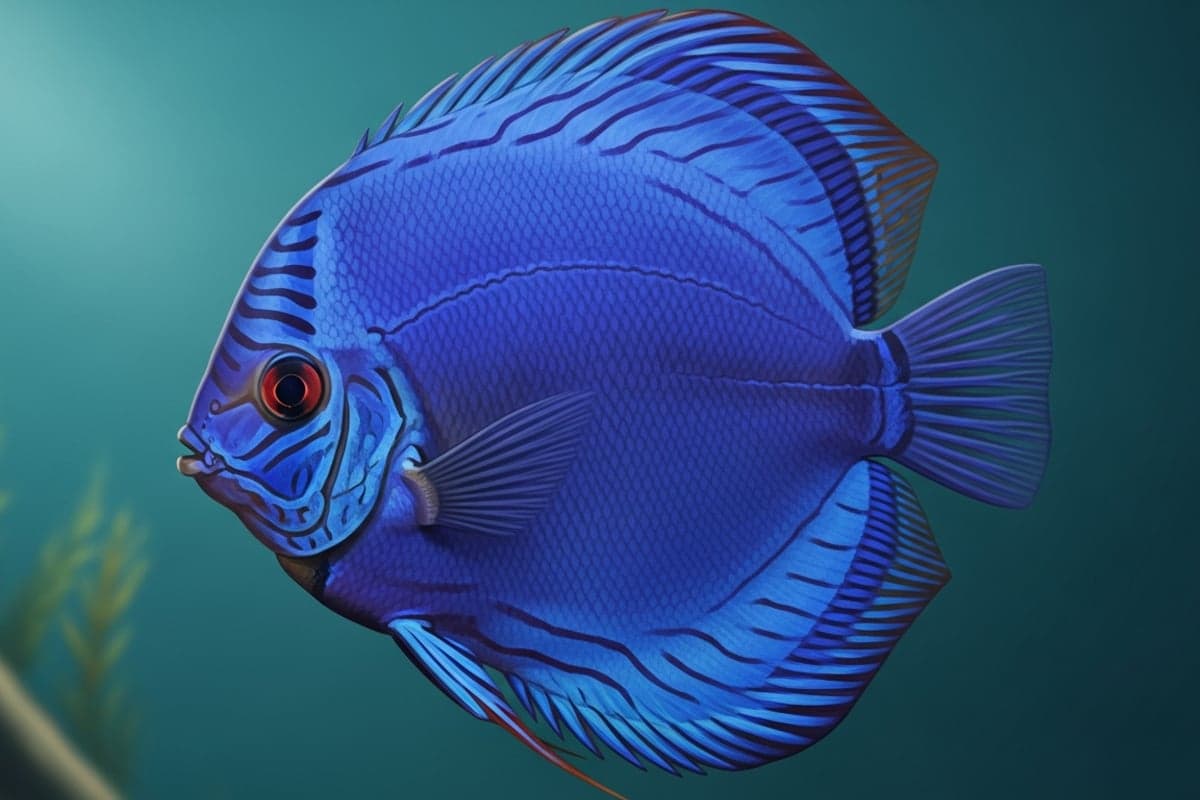
Pair of Blue Diamond Discus displaying intense cobalt-blue colouration in a warm, softly lit planted aquariumExpert

種別ガイド

Blue Diamond Discus (Symphysodon aequifasciatus)

Symphysodon aequifasciatus

The Blue Diamond Discus is a selectively bred colour morph of the common Discus (Symphysodon aequifasciatus), prized for its solid, luminous cobalt-blue body free of the vertical stress bars typical of wild-type Discus. Widely considered the "king of the aquarium," Discus demand warm, pristine water, frequent feeding, and a calm social environment. This guide covers every element of Blue Diamond Discus husbandry — water chemistry, tank design, diet protocols, breeding, and disease prevention — drawing on The Fish Collection's decades of experience sourcing and maintaining show-quality Discus.

9分で読めるRead it
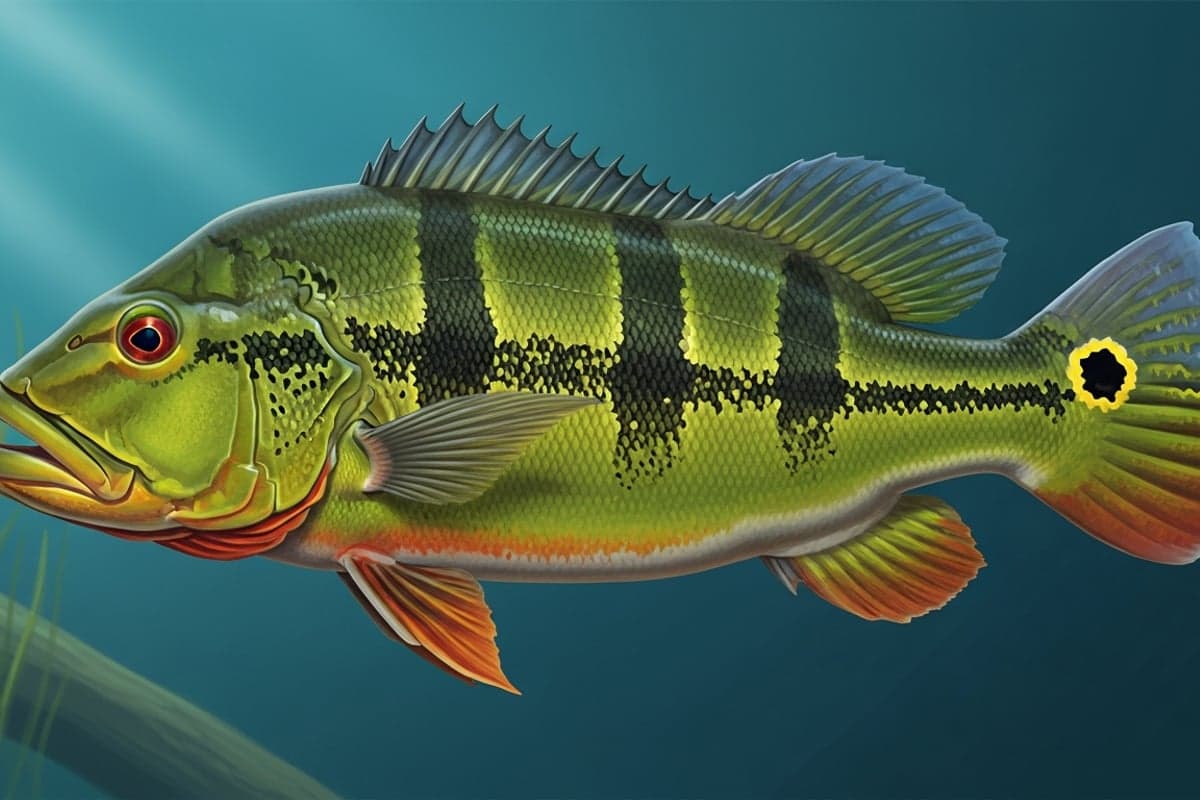
Adult Peacock Bass displaying vivid gold-green flanks and the trademark ocellated caudal spot in a large display aquariumExpert

種別ガイド

Peacock Bass (Cichla ocellaris)

Cichla ocellaris

The Peacock Bass (Cichla ocellaris) is a powerful Neotropical cichlid native to the Amazon and Orinoco basins, famed among sport anglers and increasingly popular as a display aquarium fish. With adults commonly reaching 60–75 cm in captivity and possessing an aggressive feeding response and stunning gold-green colouration, the Peacock Bass is the centrepiece of any monster-fish collection. This guide covers every aspect of care — from tank sizing and water chemistry to feeding protocols, breeding, and health management — informed by The Fish Collection's hands-on experience with multiple Cichla species.

8分で読めるRead it
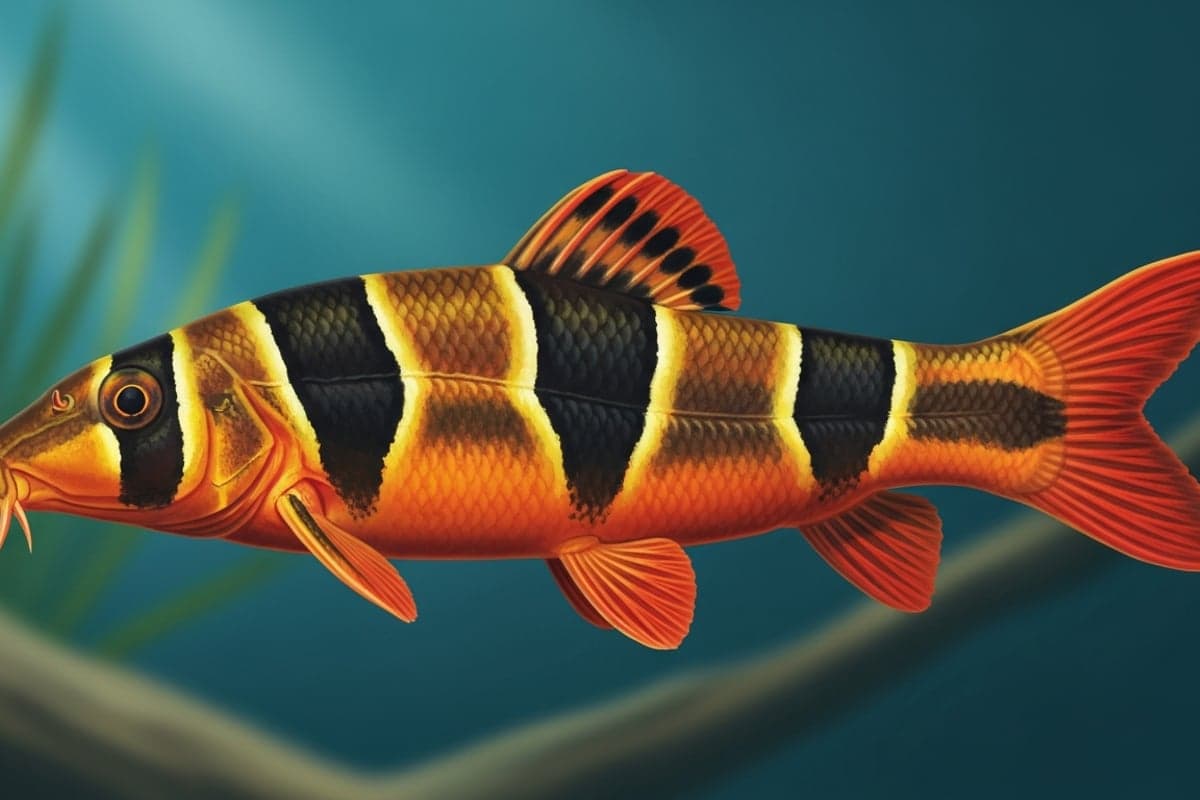
School of Clown Loaches displaying bright orange bodies with bold black wedge-shaped bands resting among driftwoodMedium

種別ガイド

Clown Loach (Chromobotia macracanthus)

Chromobotia macracanthus

The Clown Loach (Chromobotia macracanthus) is one of the most beloved freshwater aquarium fish worldwide, cherished for its vivid orange-and-black banding, playful social behaviour, and impressive potential size of 30 cm or more. Native to the rivers of Borneo and Sumatra in Indonesia, this long-lived species demands a spacious tank, a social group of conspecifics, and careful attention to water quality. This guide covers every aspect of Clown Loach care — from tank setup and water chemistry to diet, breeding challenges, and disease prevention — informed by The Fish Collection's years of experience sourcing and maintaining these iconic fish.

9分で読めるRead it
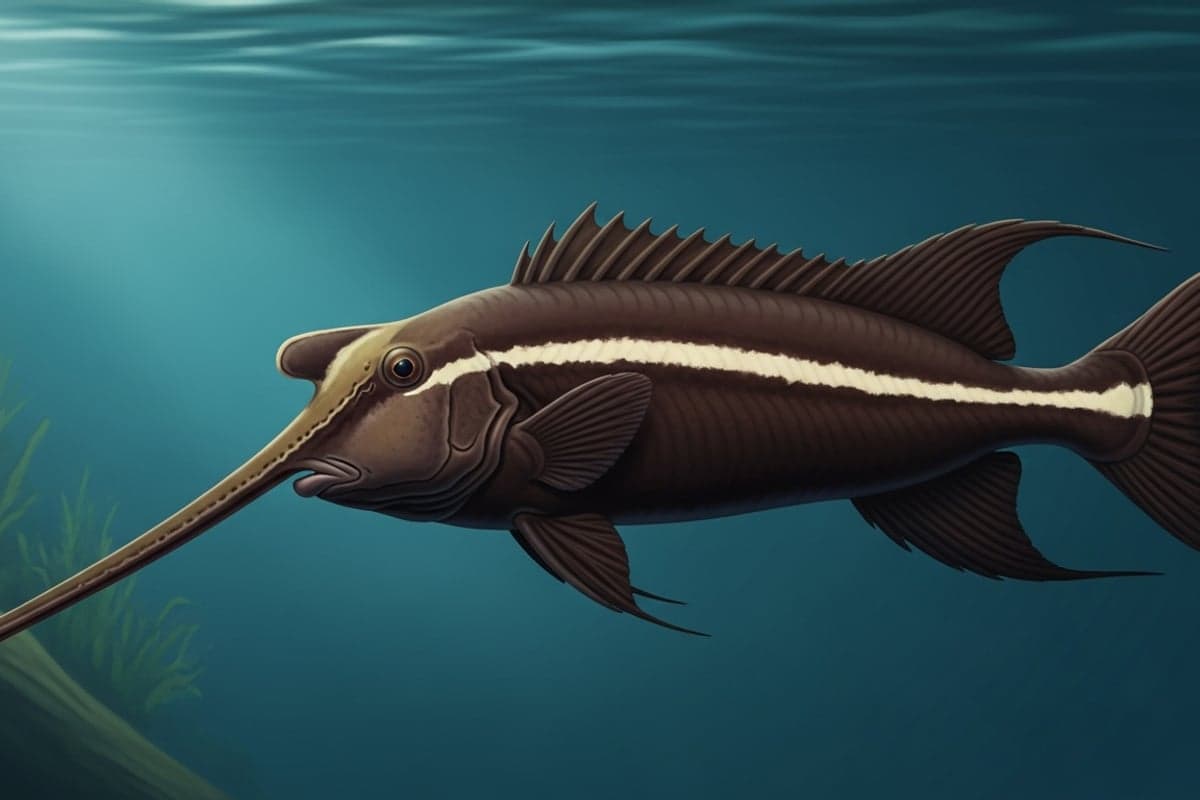
Elephantnose Fish probing the sandy substrate with its elongated chin barbel in a dimly lit planted aquariumMedium

種別ガイド

Elephantnose Fish (Gnathonemus petersii)

Gnathonemus petersii

The Elephantnose Fish (Gnathonemus petersii) is one of the most intellectually fascinating freshwater species available to aquarists. Equipped with a weakly electric organ that generates a continuous electric field for navigation and communication, this West African mormyrid navigates pitch-dark environments with astonishing precision. Their elongated chin appendage — the "trunk" — is packed with electroreceptors and is used to probe substrate for buried invertebrates. While not a beginner fish, the Elephantnose rewards patient keepers with remarkable behaviour that borders on interactive intelligence. This guide draws on The Fish Collection's extensive experience importing and maintaining these sensitive electrogenic fish.

9分で読めるRead it
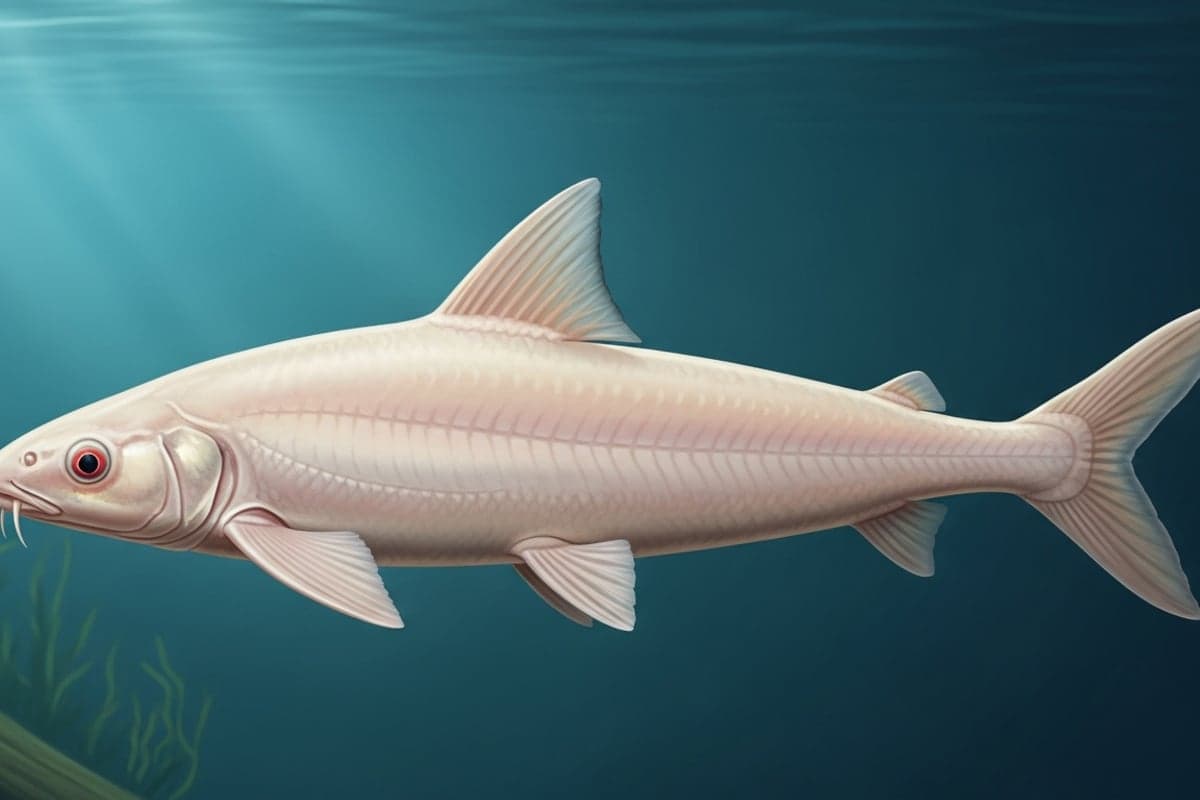
Albino Shark displaying its pale cream body and striking red-orange fins against a naturalistic aquarium backdrop with driftwoodEasy

種別ガイド

Albino Shark (Epalzeorhynchos munense)

Epalzeorhynchos munense

The Albino Shark (Epalzeorhynchos munense) — also frequently sold under the name Albino Rainbow Shark — is a popular semi-aggressive cyprinid prized for its striking contrast of creamy-white body and vivid red-orange fins. While their "shark" moniker and bold personality make them an eye-catching centrepiece, they are also one of the most commonly mismanaged aquarium fish. Undersized tanks and incompatible tankmates are the root of most aggression problems attributed to the species. This care guide from The Fish Collection provides authoritative, experience-based advice on housing, feeding, and managing this territorial but manageable fish.

9分で読めるRead it
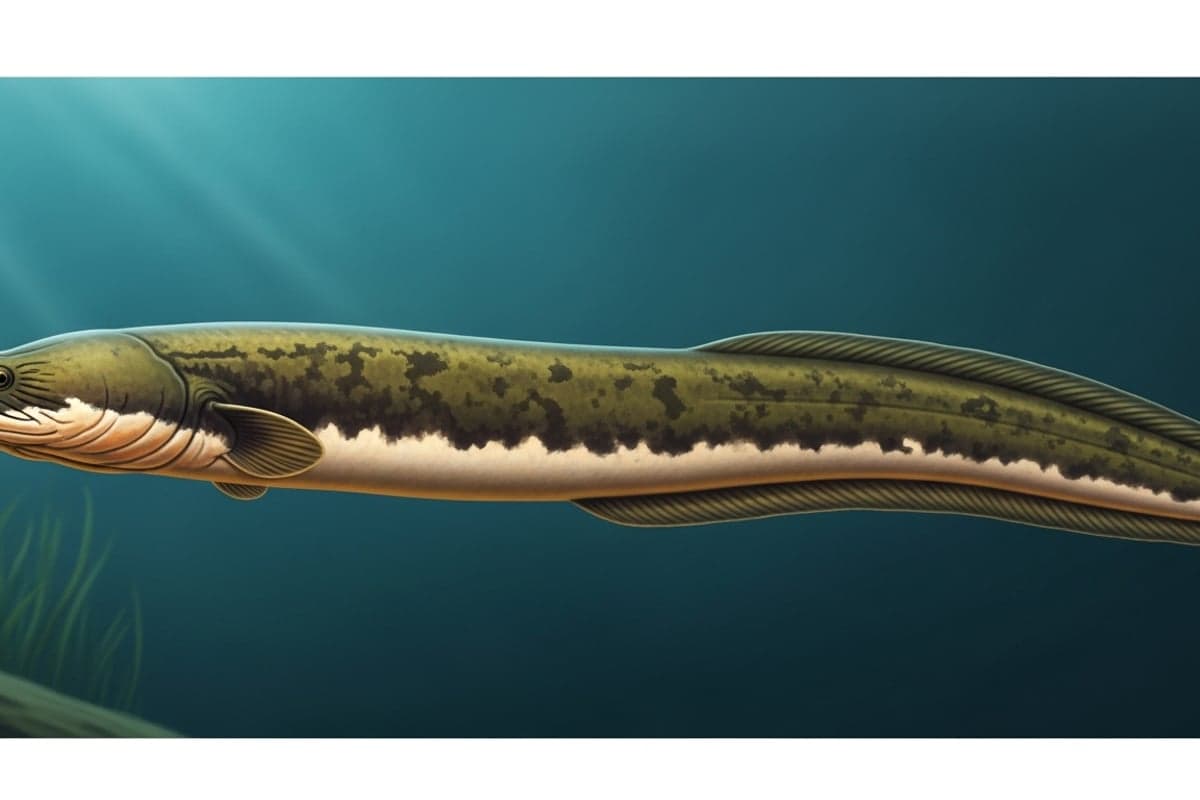
Adult Electric Eel resting on a sandy substrate in a spacious dimly lit aquarium showing its elongated dark olive bodyExpert

種別ガイド

Electric Eel (Electrophorus electricus)

Electrophorus electricus

The Electric Eel (Electrophorus electricus) is not a true eel but a knifefish (order Gymnotiformes) and one of the most extraordinary freshwater organisms on Earth. Capable of generating electrical discharges exceeding 860 volts at 1 ampere — enough to incapacitate a horse — it has fascinated scientists since the 18th century. Recent taxonomic revision has split the genus into three species, but E. electricus sensu stricto remains the most commonly encountered in the aquarium trade. Keeping an Electric Eel is a serious undertaking that demands industrial-grade infrastructure, rigorous safety protocols, and legal compliance. This The Fish Collection guide provides the definitive roadmap for the rare aquarist prepared to house one of nature's most powerful living batteries.

11分で読めるRead it
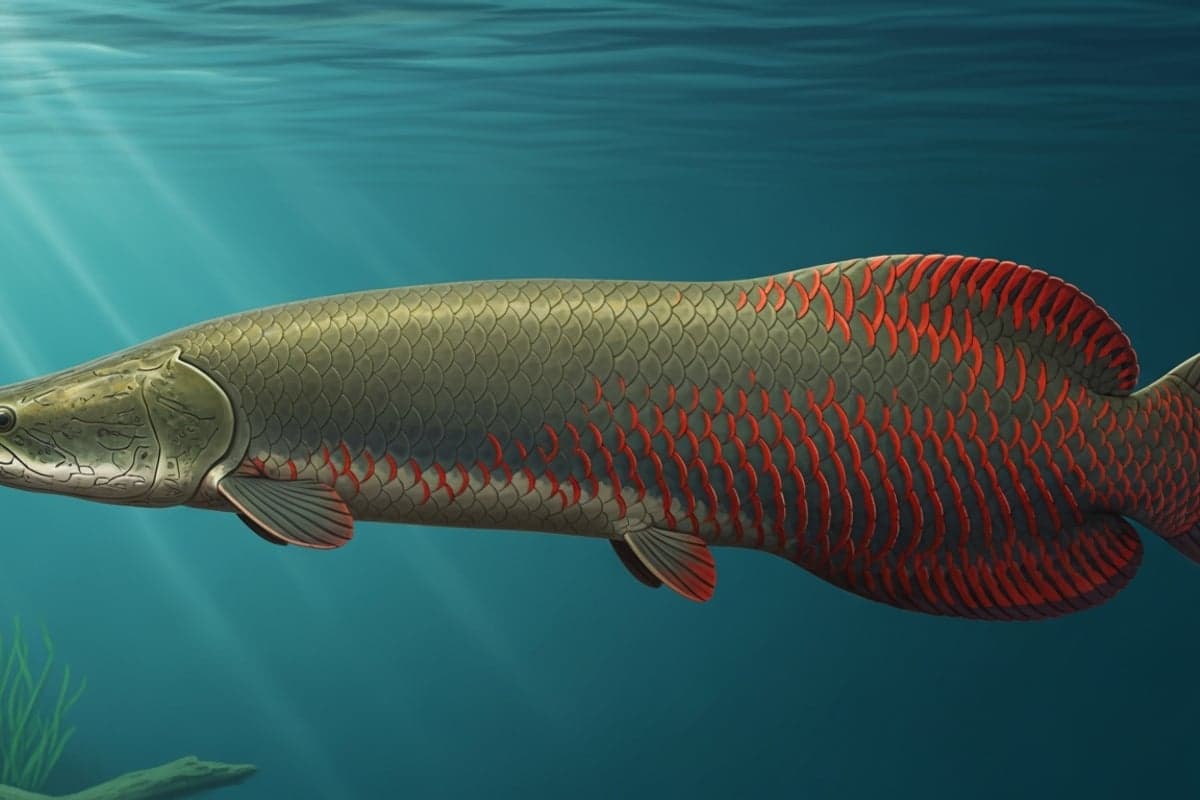
Massive Arapaima gigas cruising near the surface of a large indoor pond displaying its iconic red-tinged scales and primitive head shapeExpert

種別ガイド

Arapaima (Arapaima gigas)

Arapaima gigas

The Arapaima (Arapaima gigas) is the largest scaled freshwater fish on Earth, with wild specimens exceeding 3 metres and 200 kg. A living fossil whose lineage predates the breakup of Gondwana, it is an obligate air breather that surfaces every 10–20 minutes to gulp atmospheric air through a modified swim bladder. For the ultrarare private aquarist with the resources to maintain a heated indoor pond, the Arapaima is the ultimate display specimen — a prehistoric leviathan that eats from the hand and recognises its keeper. This The Fish Collection guide covers the full spectrum of Arapaima husbandry, from legal compliance and pond construction to diet protocols and disease prevention, drawing on our consultation work with private collectors and public aquaria across three continents.

10分で読めるRead it
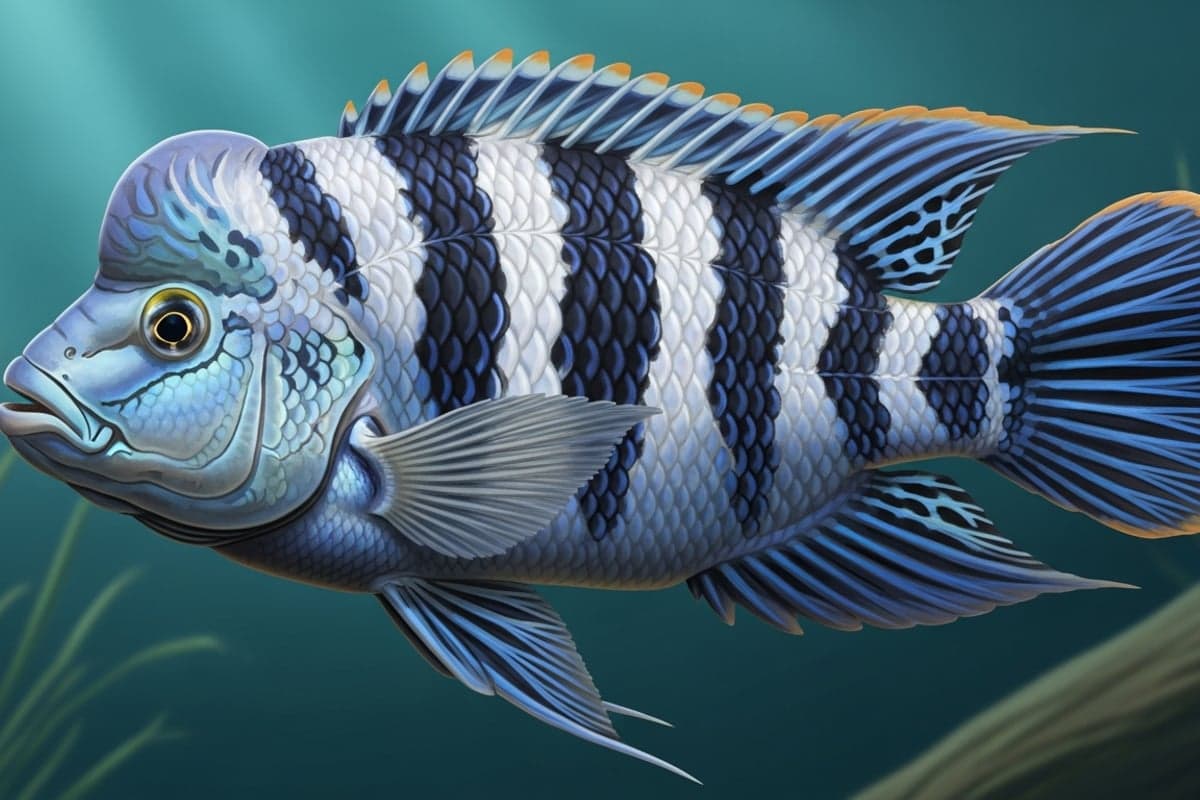
Mature Blue Zaire Frontosa displaying its deep indigo body bands and prominent nuchal hump in a rocky Lake Tanganyika biotope aquariumMedium

種別ガイド

Blue Zaire Frontosa (Cyphotilapia frontosa)

Cyphotilapia frontosa

The Blue Zaire Frontosa is the most coveted geographic variant of Cyphotilapia frontosa, a majestic cichlid endemic to Lake Tanganyika in East Africa. Distinguished from other Frontosa variants by its extraordinarily deep cobalt-blue body colouration between the characteristic black vertical bars, the "Zaire Blue" commands premium prices and devoted collector followings worldwide. Wild populations inhabit the deep rocky zones of the Congolese (formerly Zaire) coastline at depths of 30–70 metres — making them one of the deepest-dwelling cichlids in the lake. This The Fish Collection guide provides comprehensive care instructions for this slow-growing, long-lived, and deeply rewarding species, drawing on our experience breeding and maintaining Frontosa colonies for over a decade.

11分で読めるRead it
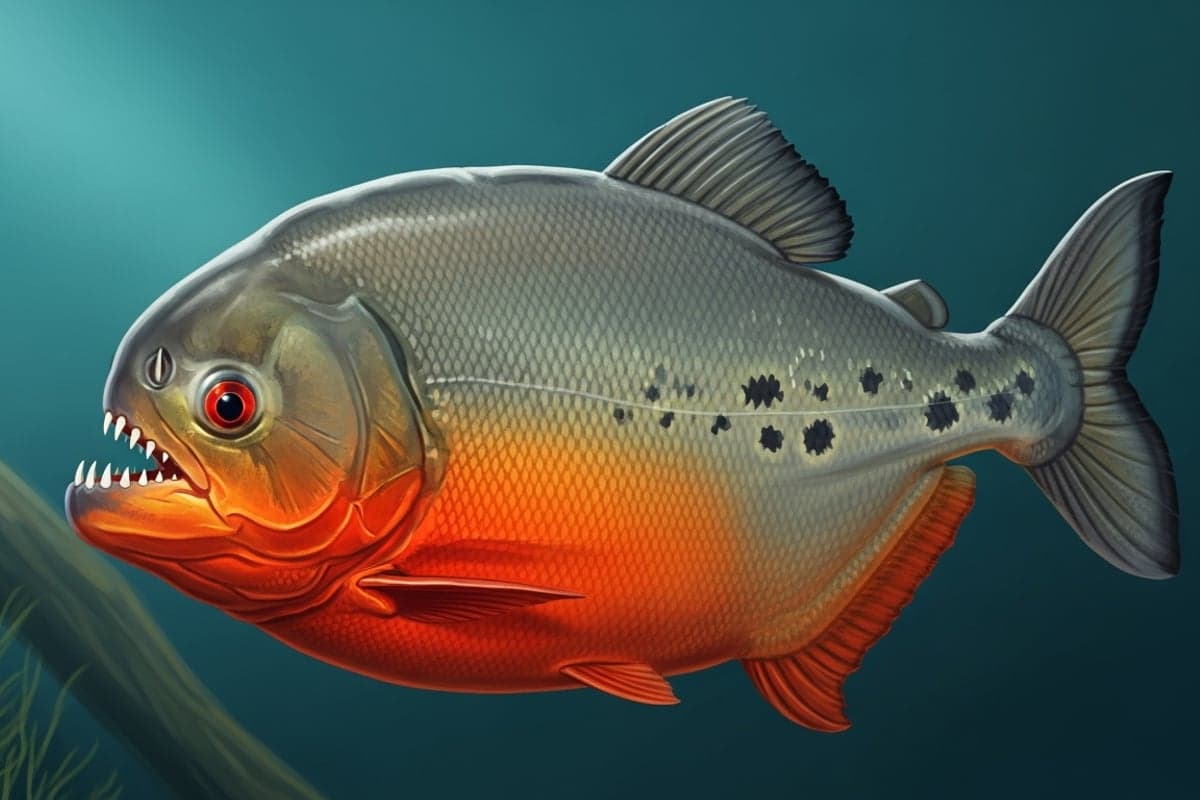
School of adult Red-Bellied Piranha displaying vivid crimson underbellies and silvery flanks in a spacious blackwater aquariumMedium

種別ガイド

Red-Bellied Piranha (Pygocentrus nattereri)

Pygocentrus nattereri

The Red-Bellied Piranha (Pygocentrus nattereri) is simultaneously the most famous and most misunderstood freshwater fish in the world. Decades of sensationalised media portrayals have cast this South American characin as a mindless killing machine capable of skeletonising a cow in minutes — a myth that bears almost no resemblance to the actual animal. In reality, P. nattereri is a nervous, schooling omnivore that spends most of its time hovering motionlessly in shaded water, startling at sudden movements, and eating seeds, fins, scales, and invertebrates far more often than it devours large prey. This The Fish Collection guide dismantles the Hollywood mythology and provides a rigorous, experience-based care manual for what is, in truth, one of the most fascinating and behaviourally complex aquarium fish available.

10分で読めるRead it
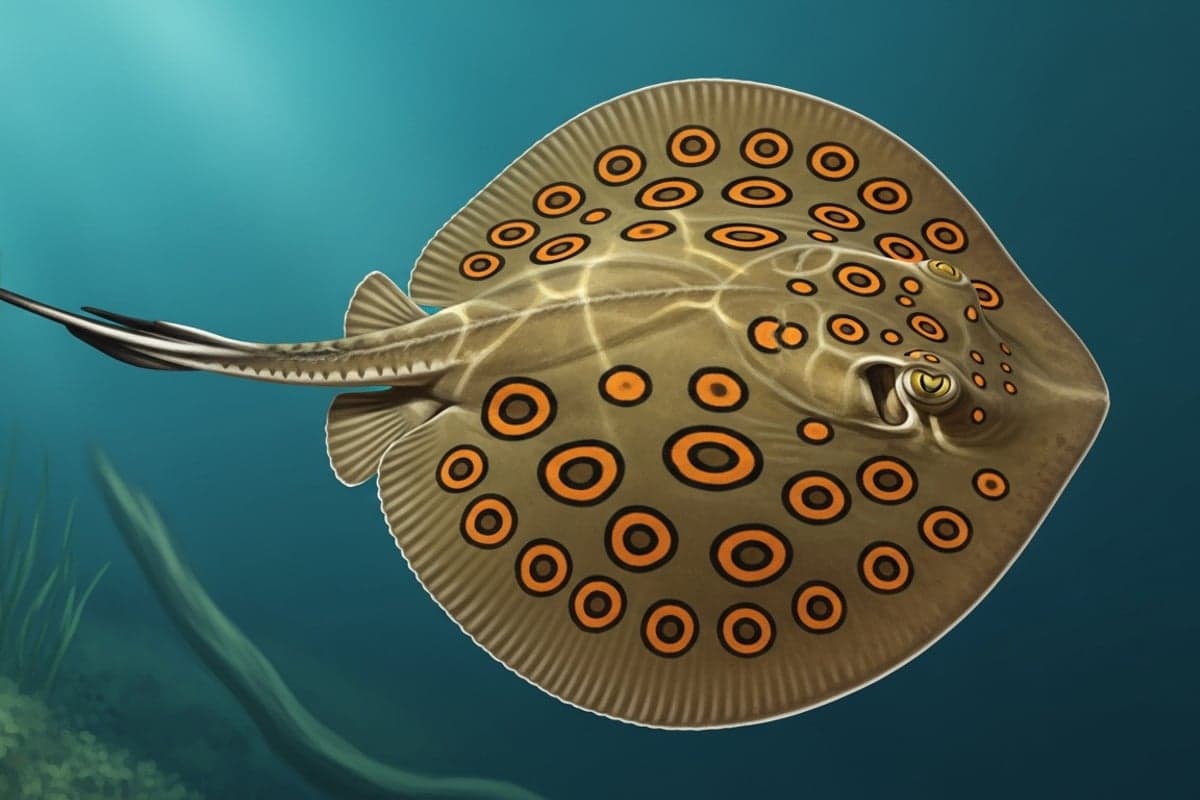
Potamotrygon motoro freshwater stingray resting on a sandy substrate displaying its distinctive orange ocelli pattern against a dark brown discExpert

種別ガイド

Freshwater Stingray (Potamotrygon motoro)

Potamotrygon motoro

The Motoro Stingray (Potamotrygon motoro) is the most widely available and commonly kept freshwater stingray species, prized for its striking "polka-dot" pattern of orange-gold ocelli against a dark olive-brown disc. Native to virtually every major South American river system, P. motoro is hardier and more adaptable than many of its rarer congeners, making it the ideal entry point for aquarists venturing into potamotrygonid keeping. However, "entry point" is relative — freshwater stingrays demand large, meticulously maintained aquaria, strict water quality discipline, and absolute respect for their venomous caudal spine. This The Fish Collection guide provides comprehensive husbandry instructions for one of the most rewarding and visually spectacular freshwater species in the hobby.

11分で読めるRead it
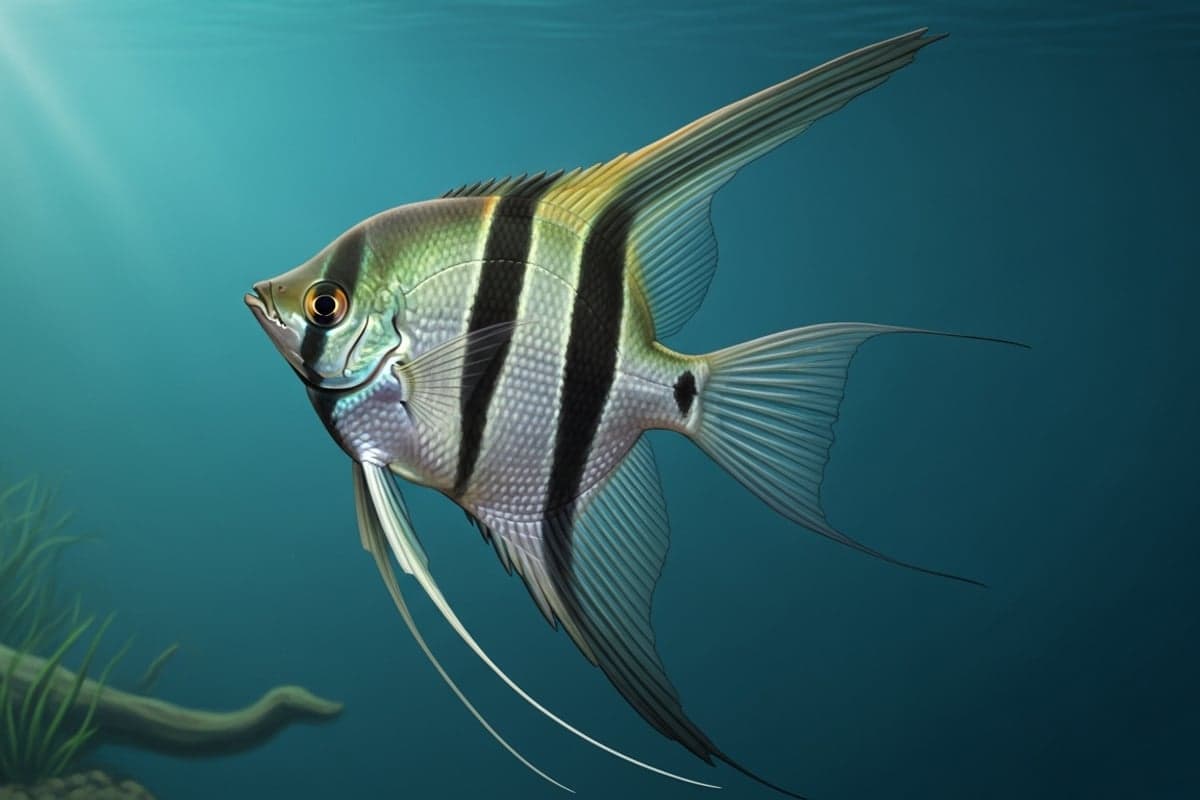
Wild-caught Altum Angelfish displaying its towering dorsal and anal fins and deep vertical barring in a blackwater aquarium with driftwoodExpert

種別ガイド

Altum Angelfish (Pterophyllum altum)

Pterophyllum altum

The Altum Angelfish (Pterophyllum altum) is the largest and most majestic of the three recognised Pterophyllum species — and arguably the most challenging freshwater cichlid to maintain in captivity. With a fin-tip-to-fin-tip height that can exceed 40 cm in mature specimens, the Altum dwarfs its common angelfish cousin (P. scalare) and displays a wild elegance that domestic angelfish, with their generations of selective breeding, have long since lost. Native to the extremely soft, acidic blackwater rivers of the upper Orinoco and upper Rio Negro basins, P. altum demands water chemistry that is actively hostile to most other aquarium species — pH values below 5.0, negligible mineral content, and temperatures of 28–30 °C. This The Fish Collection guide provides the detailed husbandry protocol required to keep this extraordinary fish alive and thriving in captivity.

14分で読めるRead it
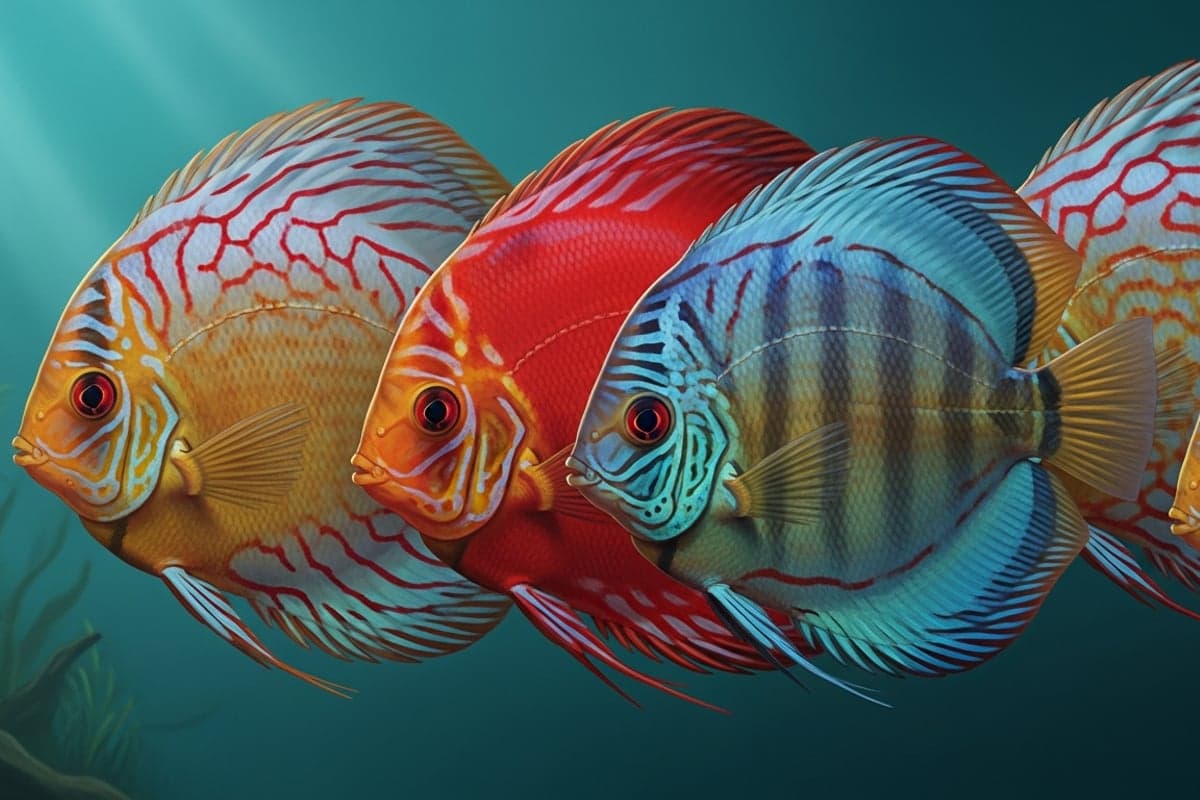
Vibrant wild-type Discus displaying rich brown and blue vertical barring in a planted blackwater aquariumExpert

種別ガイド

Discus Fish (Symphysodon aequifasciatus)

Symphysodon aequifasciatus

The Discus (Symphysodon aequifasciatus) is widely regarded as the king of the freshwater aquarium hobby — a laterally compressed South American cichlid prized for its disc-shaped body, vivid colour morphs, and complex social behaviour. Native to the floodplain lakes and calm tributaries of the Amazon basin, Discus demand warm, soft, acidic water and impeccable husbandry. This comprehensive guide draws on The Fish Collection's decade-plus experience importing and conditioning wild-caught and captive-bred Discus to deliver practical, expert-level care advice for beginners and advanced keepers alike.

10分で読めるRead it
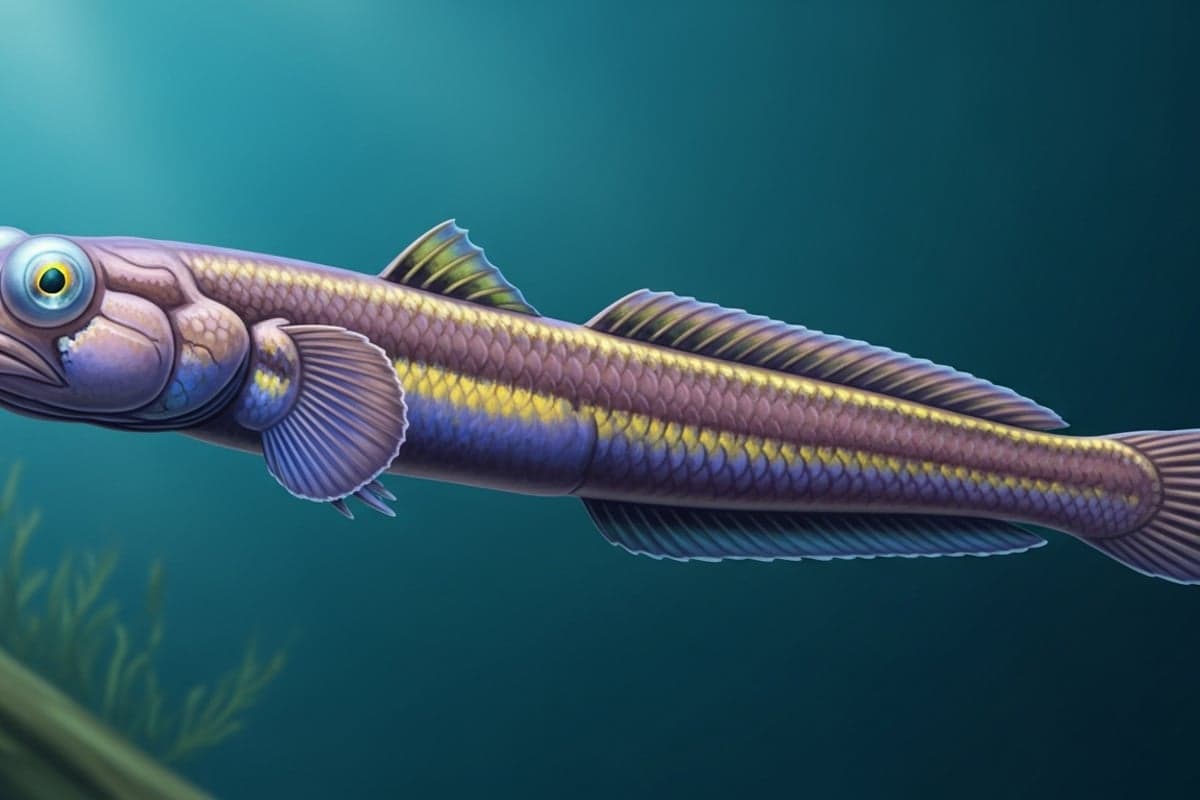
Adult Dragon Goby resting on sandy substrate showing its elongated iridescent purple-blue body and prominent jawMedium

種別ガイド

Dragon Goby (Gobioides broussonnetii)

Gobioides broussonnetii

The Dragon Goby (Gobioides broussonnetii), also known as the Violet Goby, is one of the most misunderstood fish in the aquarium trade. Frequently sold as an aggressive freshwater predator, it is in fact a gentle, nearly blind brackish-water filter feeder that sifts sand for microorganisms and detritus. Reaching up to 60 cm in captivity, its elongated eel-like body, iridescent purple-blue scales, and prominent underslung jaw give it a prehistoric, dragonesque appearance that belies its peaceful disposition. This guide covers the specific brackish water requirements, substrate needs, diet strategies, and tank mate selection that make Dragon Goby keeping successful.

9分で読めるRead it
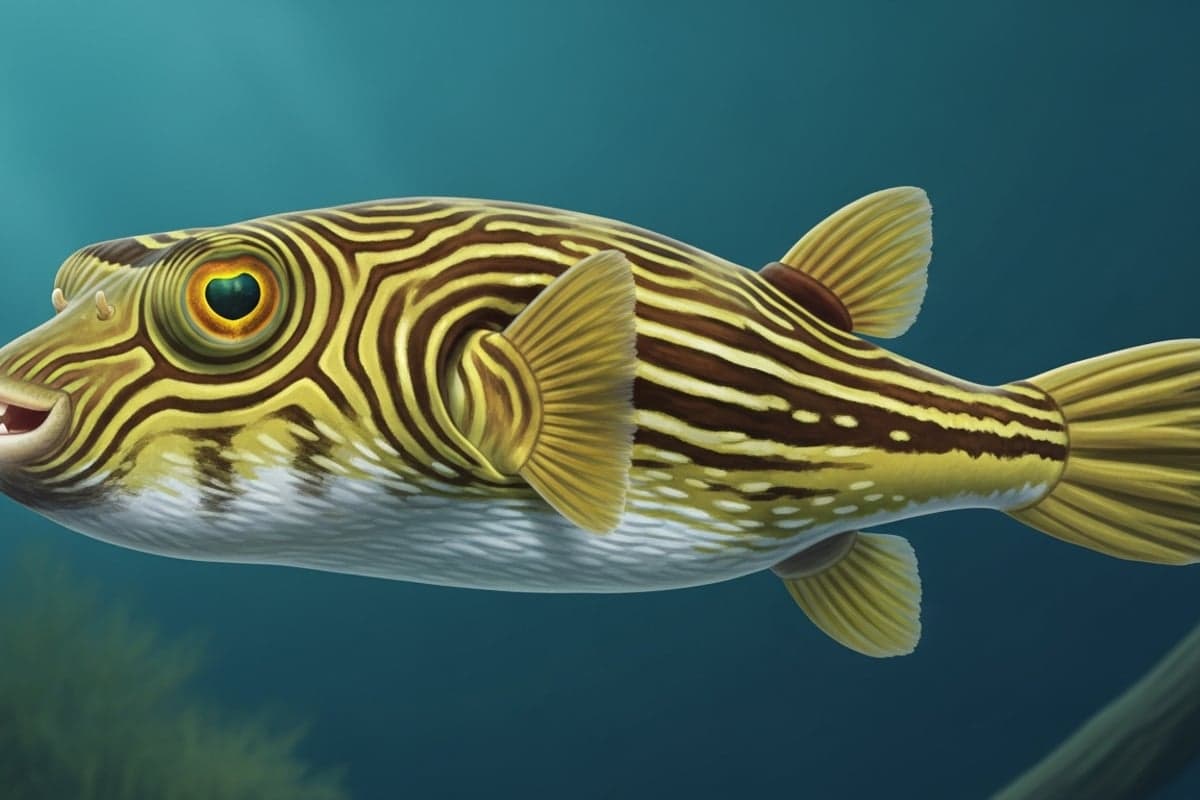
Adult Fahaka Pufferfish displaying bold striped patterning and curious expression in a sparsely decorated aquariumExpert

種別ガイド

Fahaka Pufferfish (Tetraodon lineatus)

Tetraodon lineatus

The Fahaka Pufferfish (Tetraodon lineatus) is the largest purely freshwater pufferfish commonly available in the aquarium hobby, reaching 45 cm and possessing one of the most aggressive temperaments of any ornamental species. Native to the Nile River system and associated drainages across North and West Africa, the Fahaka is an intelligent, personable predator that rapidly bonds with its keeper — and just as rapidly destroys any tank mate foolish enough to share its space. This guide provides the specialist knowledge needed to maintain this demanding species, covering its unique dietary requirements, beak maintenance, water chemistry, and the realities of committing to a solo-specimen aquarium for 10–15 years.

9分で読めるRead it
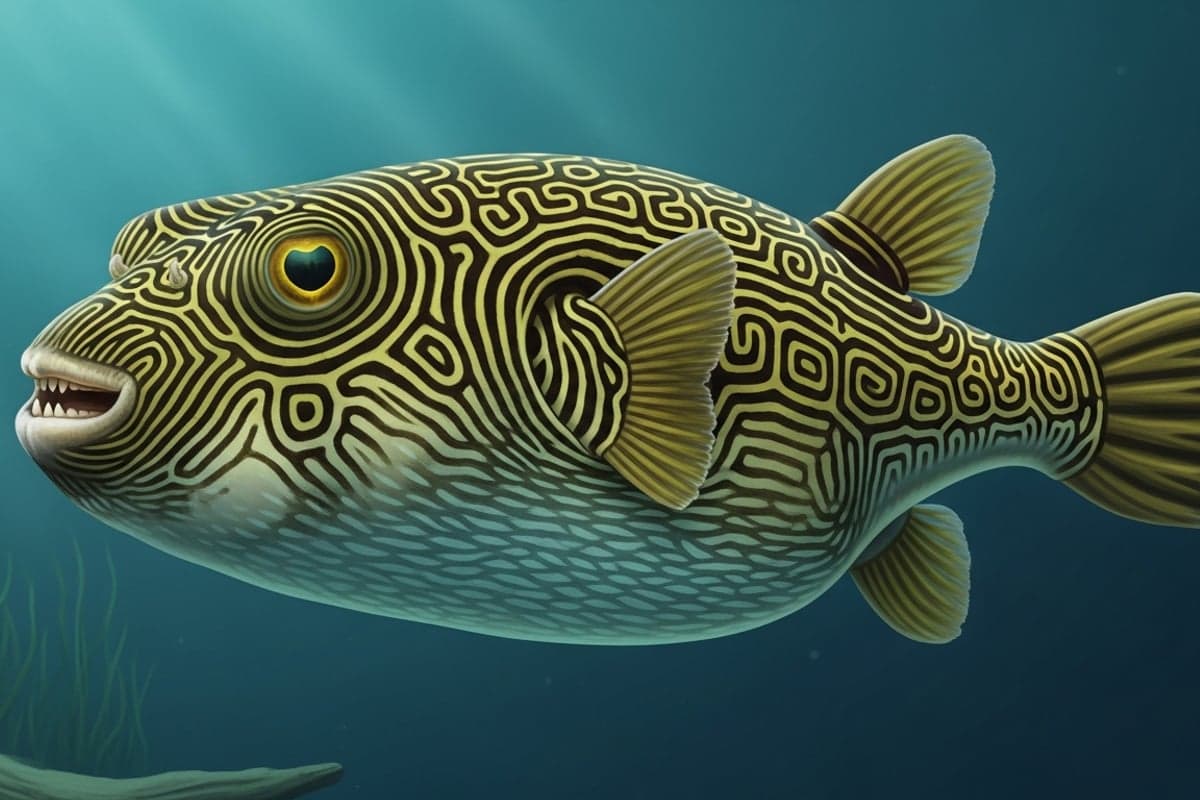
Massive adult Mbu Pufferfish with intricate maze-like patterning hovering in a large custom aquariumExpert

種別ガイド

Mbu Pufferfish (Tetraodon mbu)

Tetraodon mbu

The Mbu Pufferfish (Tetraodon mbu) is the largest freshwater pufferfish in the world, reaching 67 cm (26 inches) in captivity and significantly larger in the wild. Native to the Congo River basin and Lake Tanganyika, this giant among puffers combines extraordinary intelligence and personality with space requirements that rival marine aquarium species. The Mbu is not a fish for typical home aquariums — it demands a custom-built system of 500+ gallons, industrial-grade filtration, and a lifetime commitment from a keeper who understands that this single fish will dominate an entire room of their home. This guide provides the specialist knowledge required to keep the Mbu Pufferfish responsibly.

9分で読めるRead it
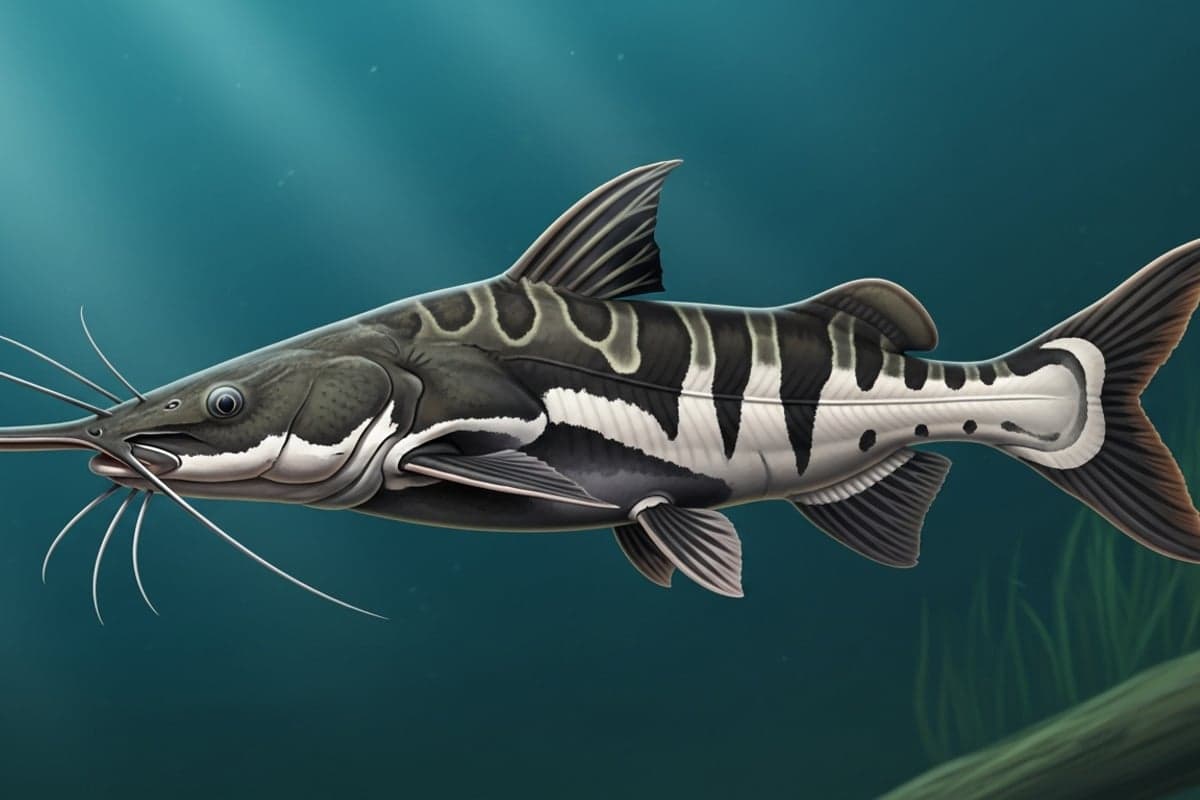
Shovelnose Tiger Catfish displaying bold dark vertical bars on a silver body, resting near driftwoodExpert

種別ガイド

Shovelnose Tiger Catfish (Pseudoplatystoma tigrinum)

Pseudoplatystoma tigrinum

The Shovelnose Tiger Catfish (Pseudoplatystoma tigrinum) is a large, strikingly patterned pimelodid catfish from the Amazon and Orinoco river systems. Known for its flattened, shovel-shaped head and bold dark vertical barring against a silver-white body, this species can exceed 100 cm in the wild and regularly reaches 90 cm in captivity. It is a powerful nocturnal predator that demands a very large aquarium, heavy filtration, and a keeper who understands the long-term commitment of housing a metre-long catfish. This guide provides comprehensive care information including tank dimensions, diet protocols, water chemistry, and the critical distinction between this species and frequently confused Pseudoplatystoma hybrids.

8分で読めるRead it
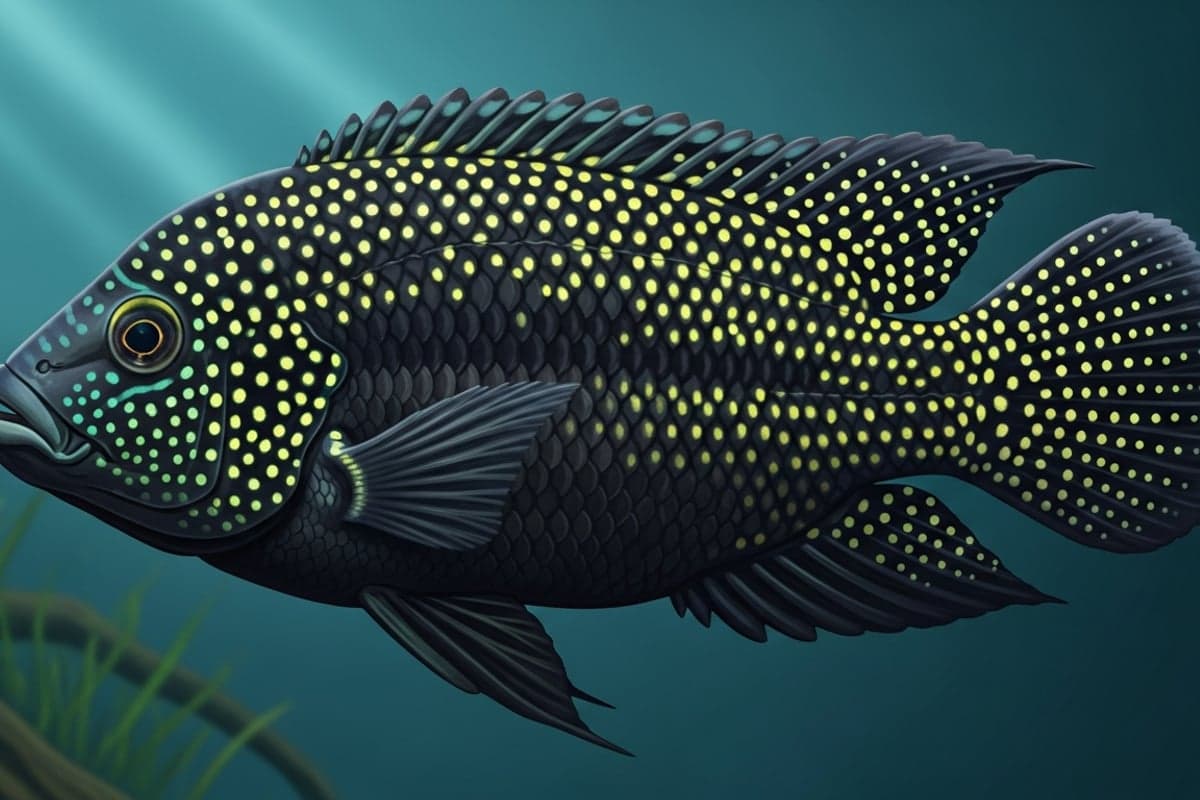
Adult Starry Night Cichlid displaying jet-black body covered with iridescent gold-white star-like spotsMedium

種別ガイド

Starry Night Cichlid (Paratilapia polleni)

Paratilapia polleni

The Starry Night Cichlid (Paratilapia polleni) is a stunning Madagascar endemic — one of only a handful of cichlid species native to the island. Its common name derives from the spectacular adult colouration: a jet-black body peppered with hundreds of iridescent gold, white, and blue spots that evoke a night sky. Listed as Vulnerable on the IUCN Red List due to habitat destruction and invasive species competition, the Starry Night Cichlid is both an aquarium showpiece and a conservation priority. This guide provides comprehensive care information for this rare and rewarding species, drawing on The Fish Collection's experience maintaining and breeding Malagasy cichlids.

8分で読めるRead it
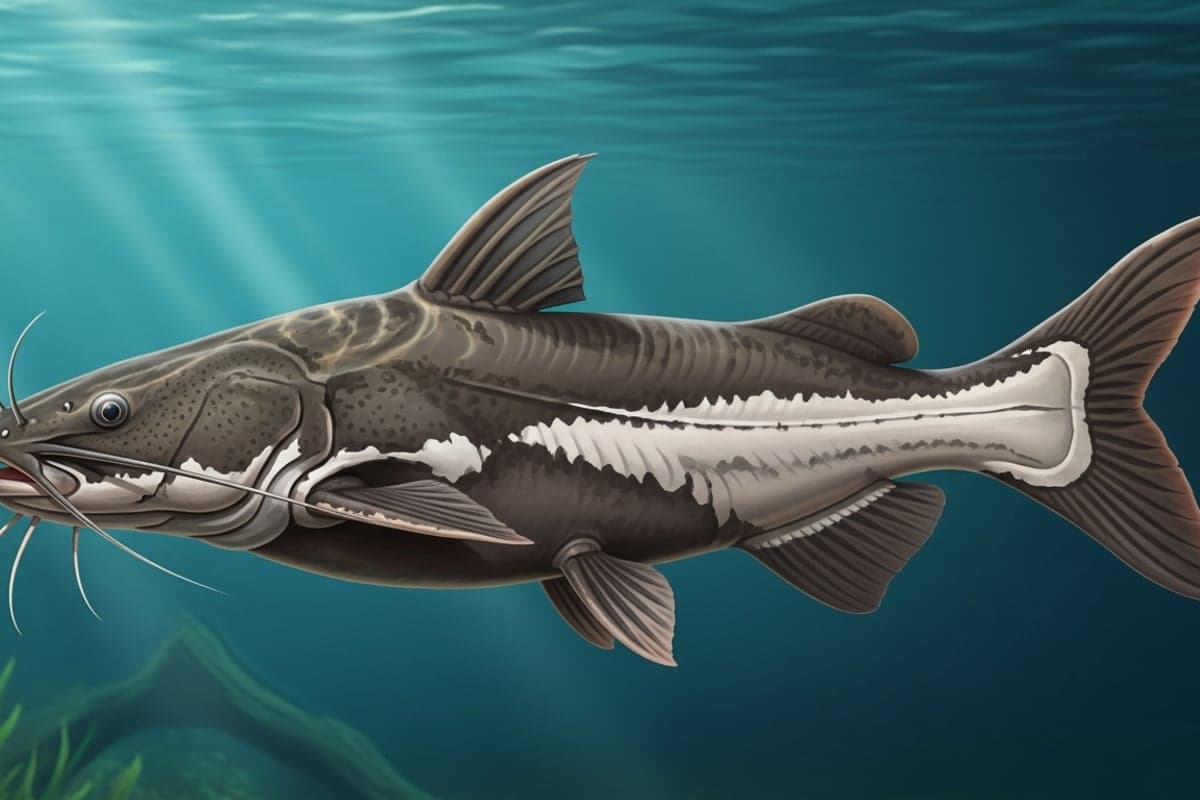
Irwini Catfish with its distinctive flattened head and barred body pattern resting on sandy substrate in a large aquariumExpert

種別ガイド

Irwini Catfish (Paulicea lutkeni)

Paulicea lutkeni

The Irwini Catfish (Paulicea lutkeni, formerly Brachyplatystoma juruense in some literature) is one of South America's most impressive large pimelodid catfish, reaching over 120 cm in the wild and 80–100 cm in captivity. Distinguished by its muscular body, flattened head, and attractive dark barred patterning, the Irwini is a nocturnal apex predator from the major river systems of the Amazon and Paraná basins. This species is suitable only for dedicated monster fish keepers with custom aquarium installations of 500+ gallons. This guide provides the specialist care information needed to maintain this rare and demanding catfish responsibly.

7分で読めるRead it
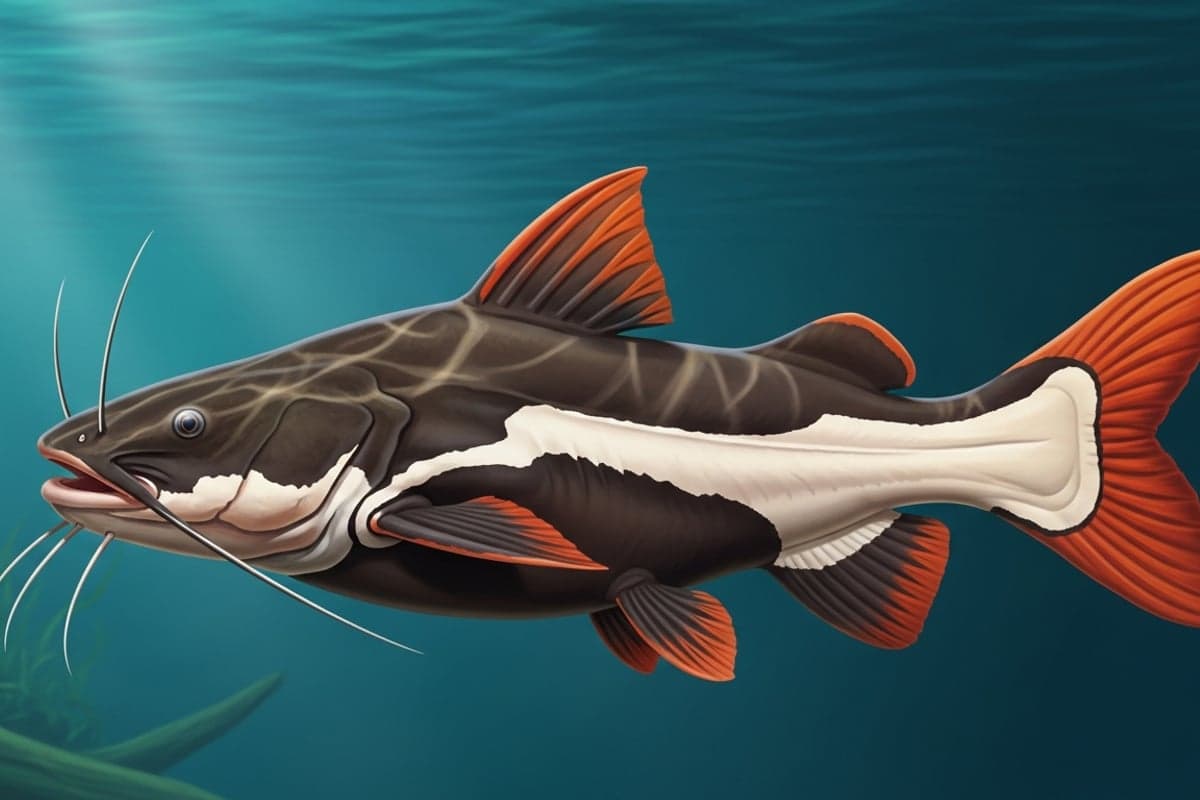
Adult Red Tail Catfish displaying its characteristic bright orange-red caudal fin and bicoloured dark-and-white bodyExpert

種別ガイド

Red Tail Catfish (Phractocephalus hemioliopterus)

Phractocephalus hemioliopterus

The Red Tail Catfish (Phractocephalus hemioliopterus) is perhaps the most iconic — and most commonly abandoned — monster catfish in the aquarium hobby. Native to the Amazon, Orinoco, and Essequibo river systems, this pimelodid catfish reaches 130 cm (over 4 feet) in captivity and is instantly recognisable by its striking tricolour pattern: a dark grey-black dorsum, a crisp white lateral band, and a vivid orange-red caudal fin. It is a spectacularly beautiful fish that is also spectacularly demanding, requiring infrastructure that exceeds what 99% of home aquarists can provide. This guide provides unfiltered, expert-level information on what Red Tail Catfish ownership actually entails.

9分で読めるRead it
Easy

種別ガイド

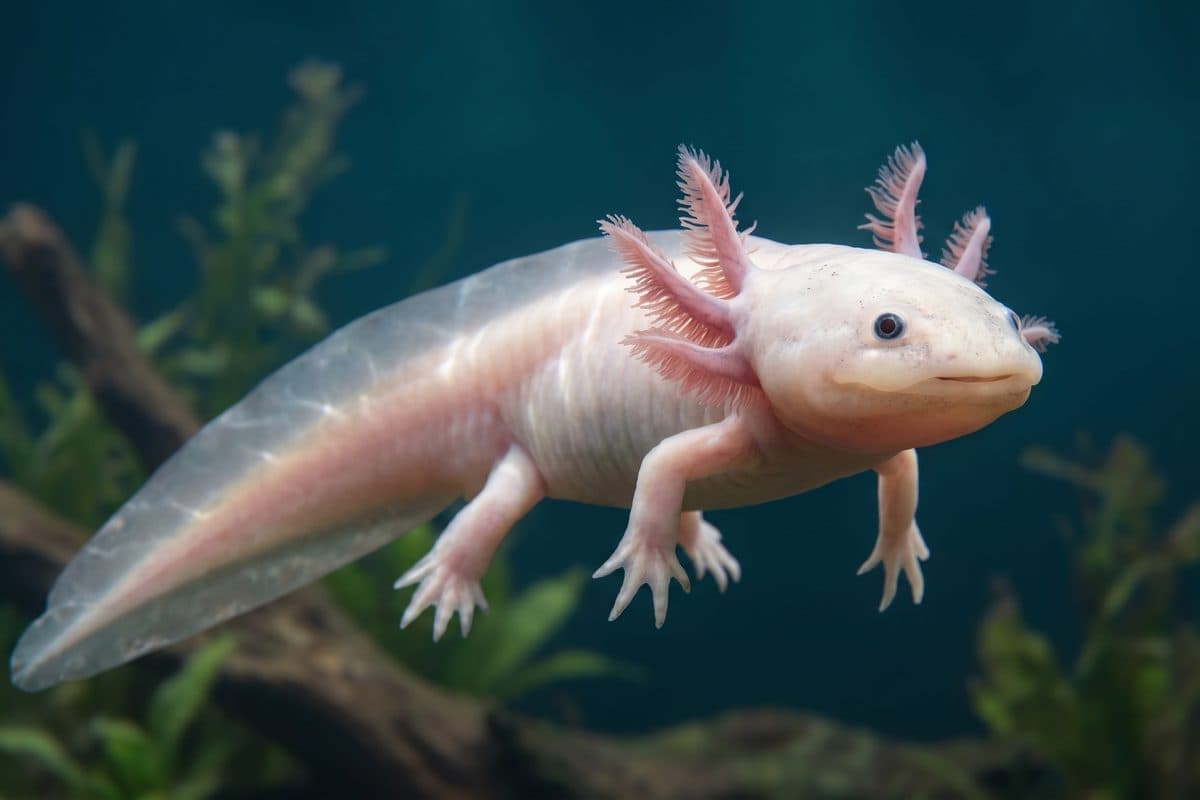
Axolotl Complete Care Guide

Ambystoma mexicanum

The axolotl (Ambystoma mexicanum) is a fully aquatic neotenic salamander that has captivated hobbyists and scientists alike with its extraordinary regenerative abilities and endearing appearance. Critically endangered in its native Lake Xochimilco in Mexico City, the axolotl thrives in captivity when provided with cool, clean water and a protein-rich diet. This guide covers every aspect of axolotl husbandry — from tank setup and water chemistry to morph identification, breeding protocols, and common health concerns — drawing on The Fish Collection's years of experience sourcing and shipping healthy specimens worldwide.

10分で読めるRead it
Medium

種別ガイド

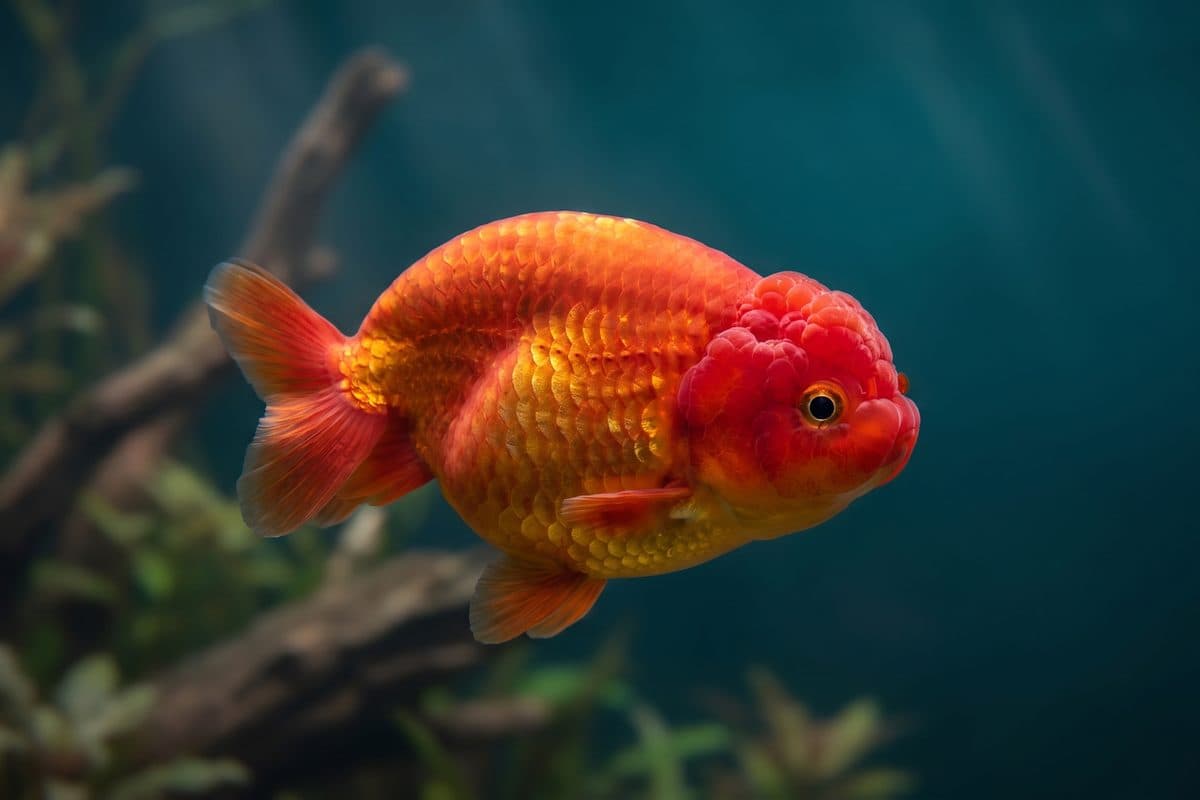
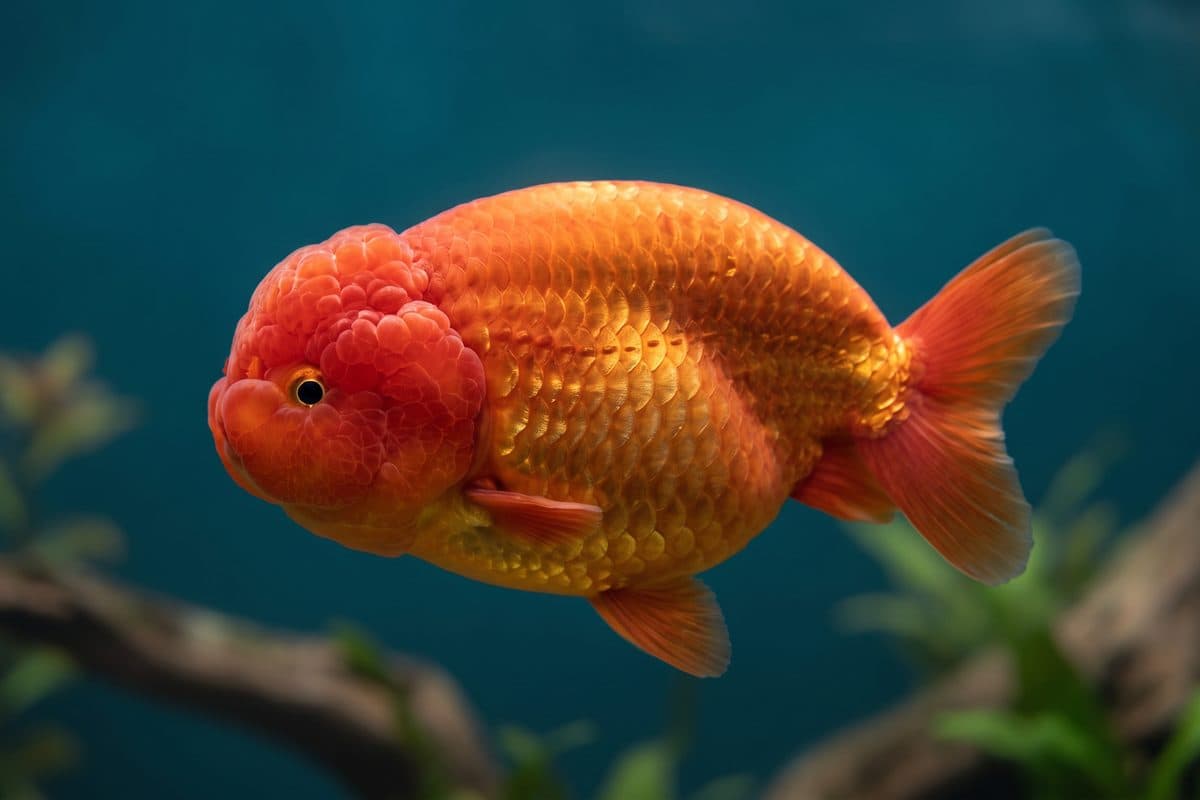
Ranchu Goldfish Complete Guide

Carassius auratus

The Ranchu is the undisputed king of Japanese goldfish — a dorsalless, round-bodied fancy goldfish bred for over 200 years to embody a precise aesthetic ideal. Prized for its prominent head growth (wen), smooth arched back profile, and dignified swimming gait, the Ranchu is as much a living art form as it is a pet. Top-grade Ranchu from Japanese breeders can command thousands of pounds at auction, while the species remains accessible to dedicated hobbyists willing to invest in proper husbandry. This guide covers every aspect of Ranchu care — from tank configuration and water chemistry to wen development, breeding, and the judging standards that define excellence in this variety.

9分で読めるRead it
Medium

種別ガイド

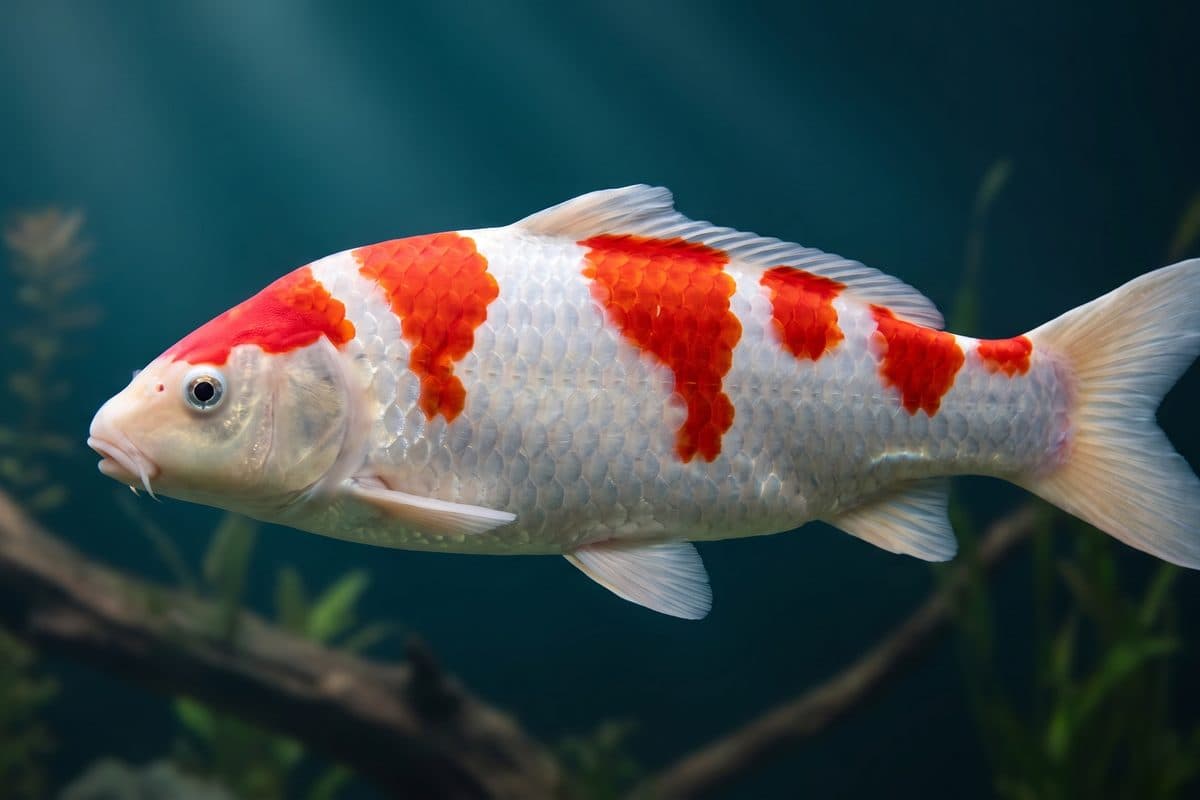
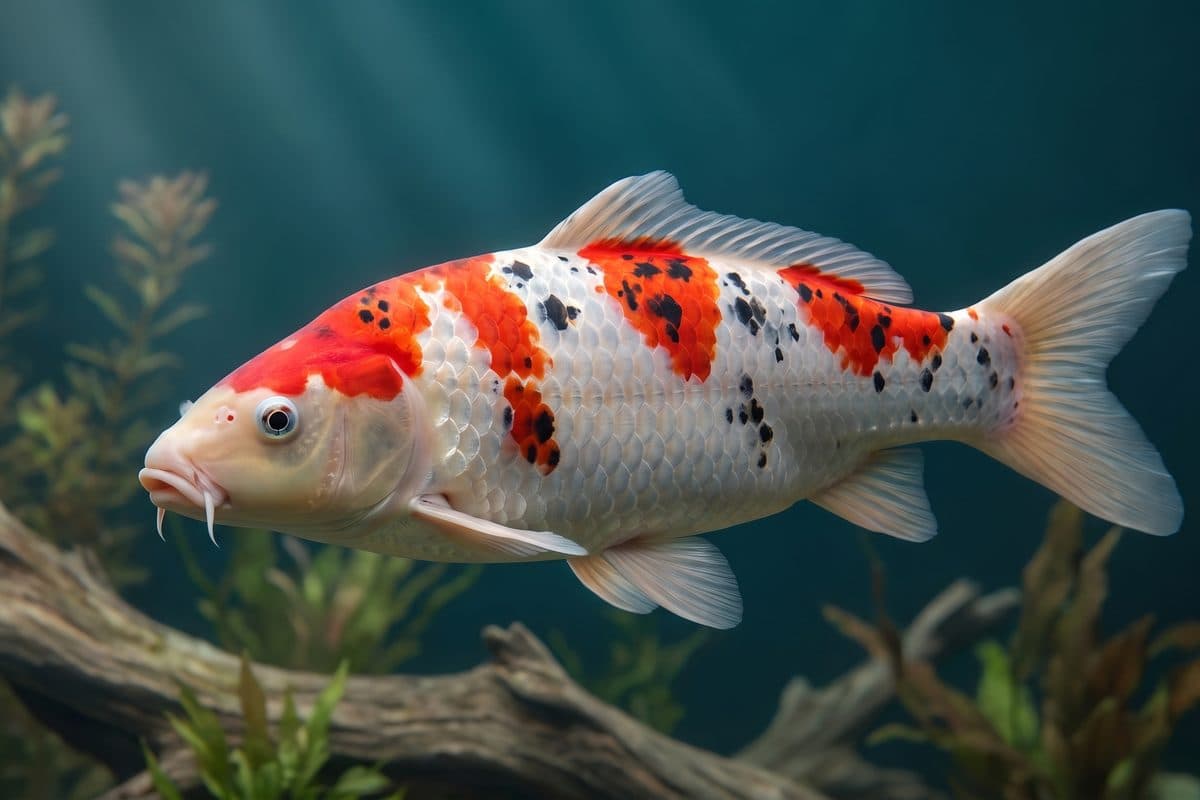
Kohaku Koi Complete Guide

Cyprinus rubrofuscus

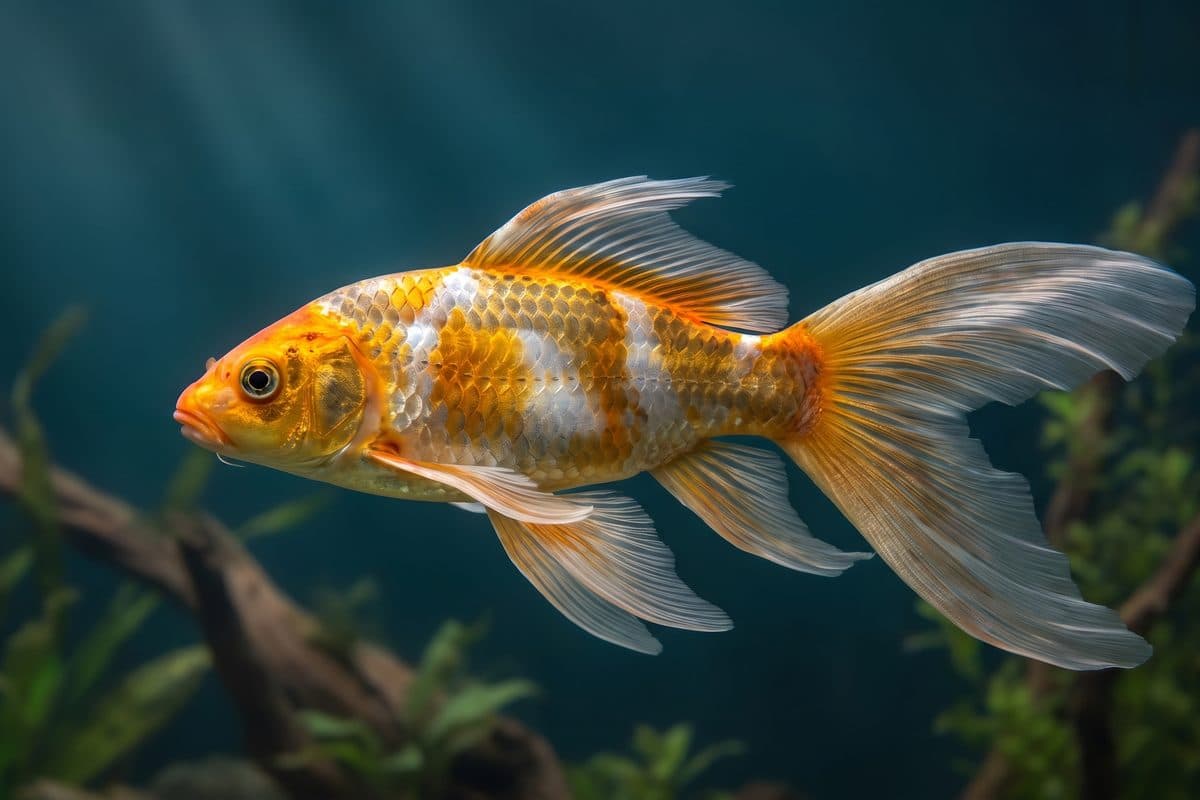
The Kohaku is the foundation variety of Nishikigoi and is universally regarded as the "King of Koi." A deceptively simple two-colour fish — white base with red markings — the Kohaku is the variety by which all koi appreciation begins and, for many lifelong hobbyists, where it ultimately returns. Mastering the evaluation of Kohaku pattern, skin quality, and body conformation is the gateway to understanding koi aesthetics at the highest level. This guide covers Kohaku history, pattern terminology, pond requirements, feeding for colour and growth, breeding, and the judging criteria that separate a pond fish from a Grand Champion.

10分で読めるRead it
Medium

種別ガイド

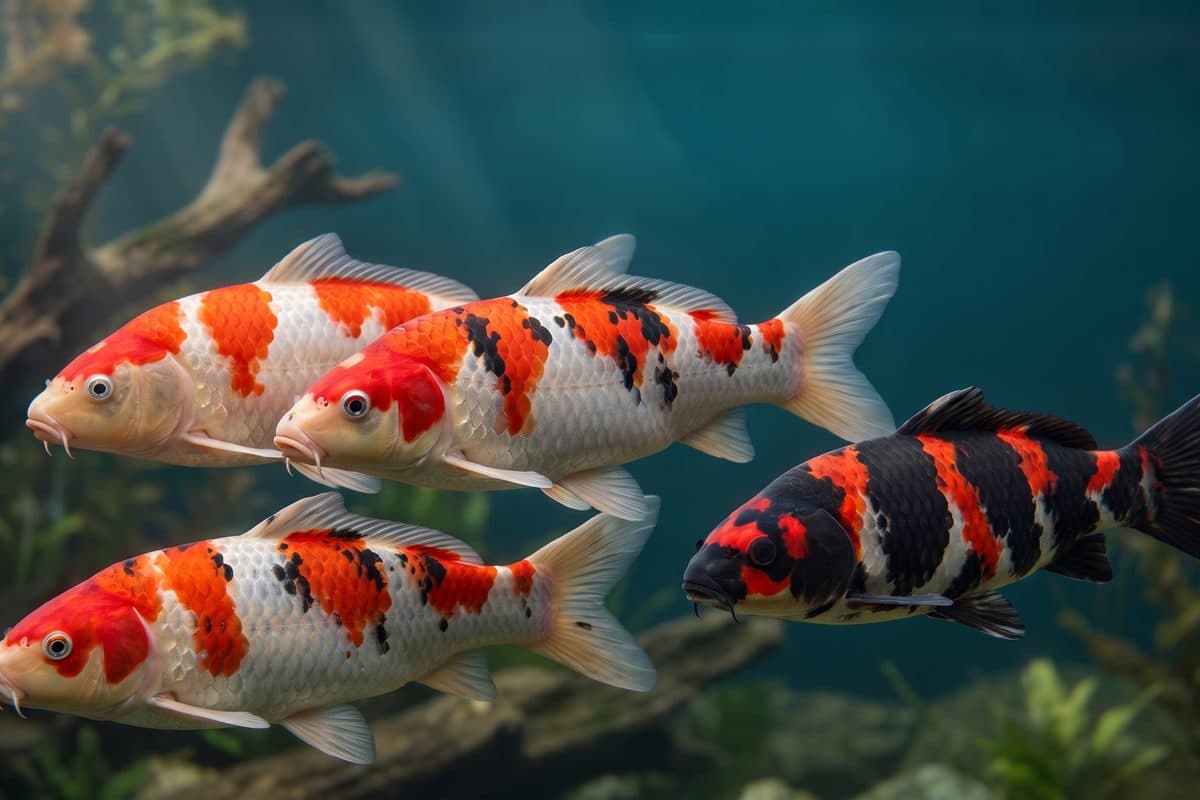
Koi Fish Complete Care Guide

Cyprinus rubrofuscus

Koi (Cyprinus rubrofuscus), or Nishikigoi in their full Japanese designation, are ornamental carp bred over centuries into dozens of distinct varieties defined by colour, pattern, and scale type. From the classic Kohaku to the metallic Ogon, the tri-coloured Showa to the graceful Butterfly, koi offer a lifetime of aesthetic appreciation and horticultural challenge. This comprehensive guide covers all major koi varieties, pond design and filtration, water quality management, seasonal feeding protocols, breeding, health management, and overwintering — everything a keeper needs to build and maintain a world-class koi collection.

9分で読めるRead it
Easy

種別ガイド

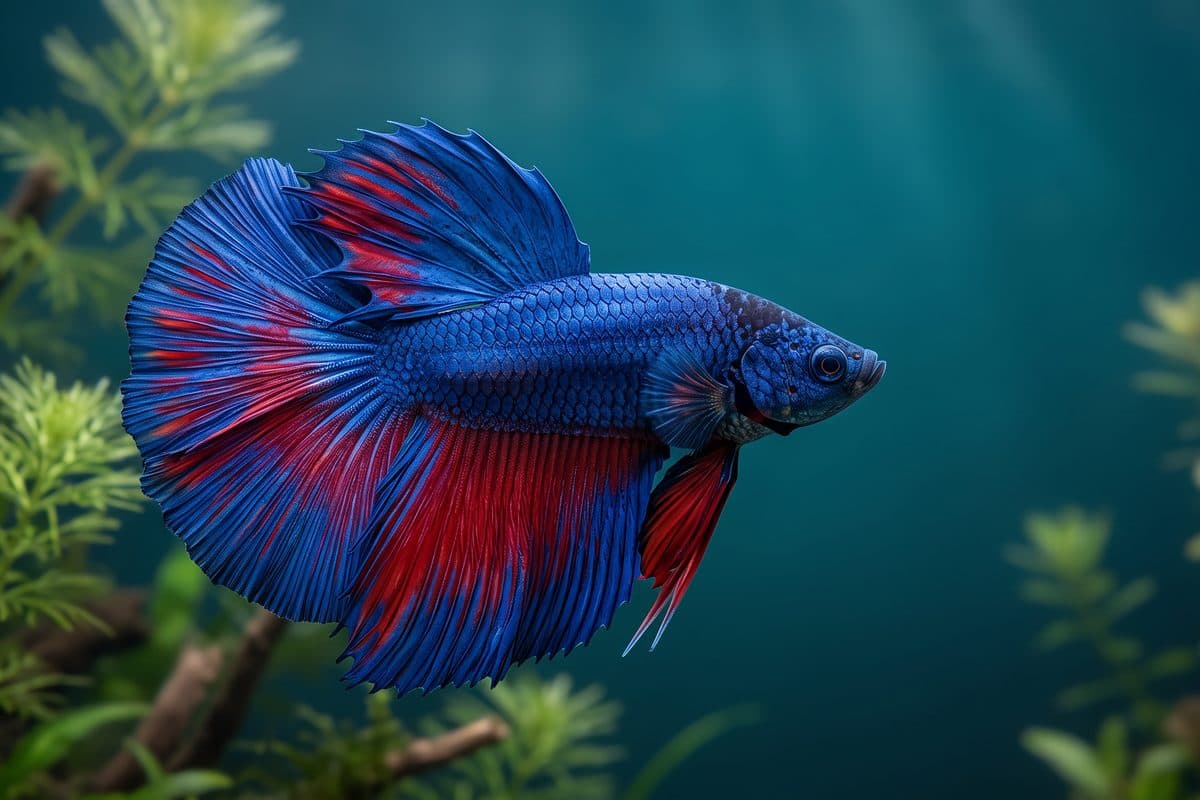
Betta Fish Complete Guide

Betta splendens

The Siamese fighting fish (Betta splendens) is the world's most popular labyrinth fish and one of the most diverse ornamental species in the aquatic trade. Centuries of selective breeding in Thailand have transformed a modest, short-finned wild fish into an astonishing array of tail types, colour patterns, and finnage styles — from the classic Veiltail to the extravagant Halfmoon, from the combat-bred Plakat to the ethereal Dumbo Ear. This guide covers wild bettas versus show bettas, every major tail type and exotic variety, proper tank setup, breeding protocols, and health management — drawing on The Fish Collection's extensive experience sourcing premium bettas from Thai breeders.

11分で読めるRead it
Easy

種別ガイド

Galaxy Koi Betta Complete Guide

Betta splendens

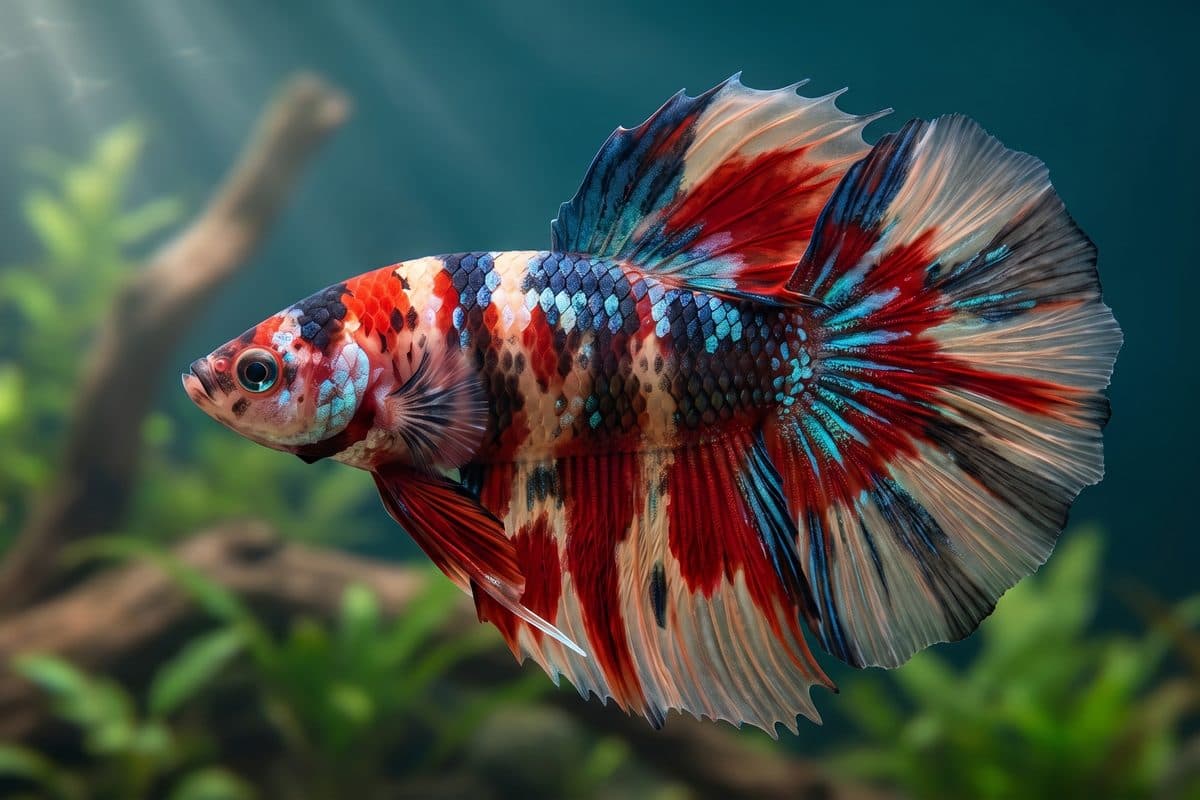
The Galaxy Koi betta is one of the most visually spectacular and commercially sought-after colour varieties in the modern betta hobby. Combining the tri-colour koi pattern (red, black, and white) with an iridescent blue-teal "galaxy" overlay, these fish display a kaleidoscopic appearance that is never quite the same from one week to the next — thanks to the marble gene that drives their colour expression. This guide explains the genetics behind the Galaxy Koi pattern, how colour develops and changes over time, care requirements, how to source quality specimens, and what to expect from breeding projects involving the marble gene.

8分で読めるRead it
Medium

種別ガイド

Tiger Oscar

Astronotus ocellatus

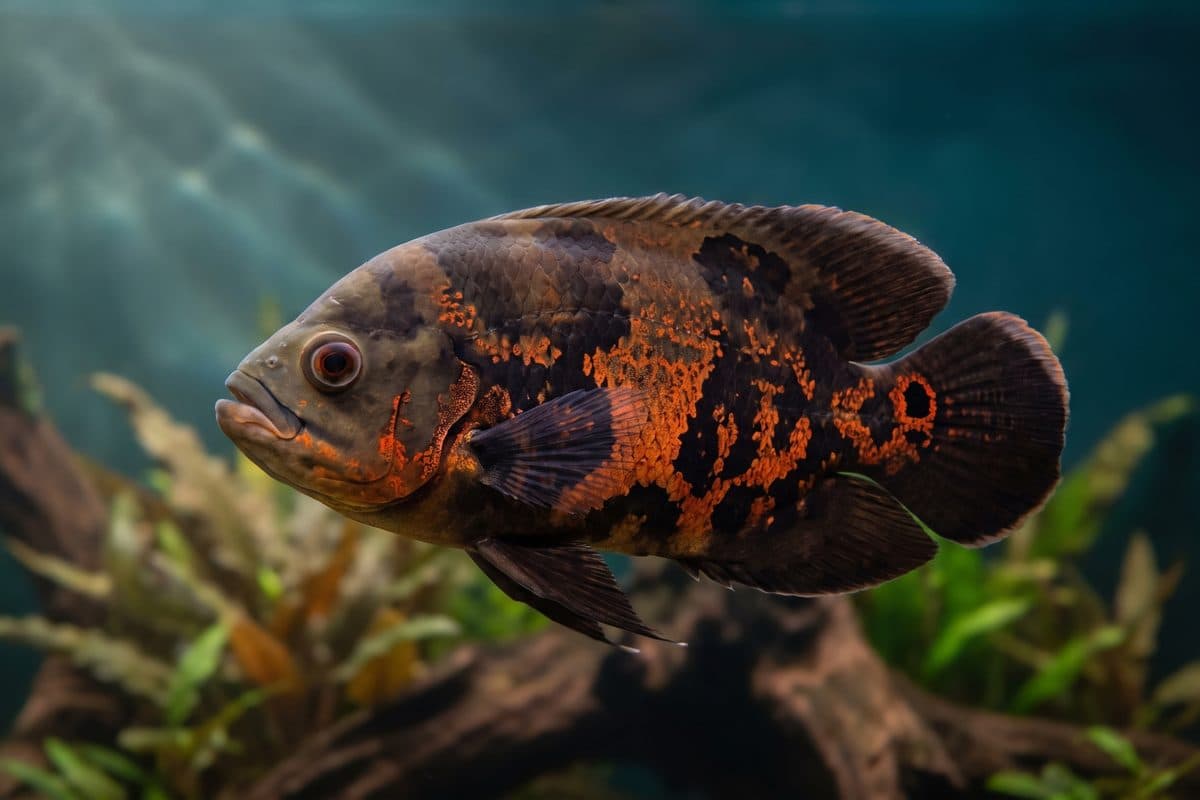
The Tiger Oscar is the most popular colour variant of Astronotus ocellatus — a large, intelligent South American cichlid prized for its bold orange-and-black patterning, interactive personality, and impressive size. Capable of reaching 35 cm (14 in) in captivity, Tiger Oscars demand spacious tanks, powerful filtration, and a keeper who appreciates a fish with genuine character. This guide covers every aspect of Tiger Oscar husbandry — from tank dimensions and water chemistry to feeding protocols, breeding, and common health issues.

6分で読めるRead it
Medium

種別ガイド

Albino Oscar

Astronotus ocellatus

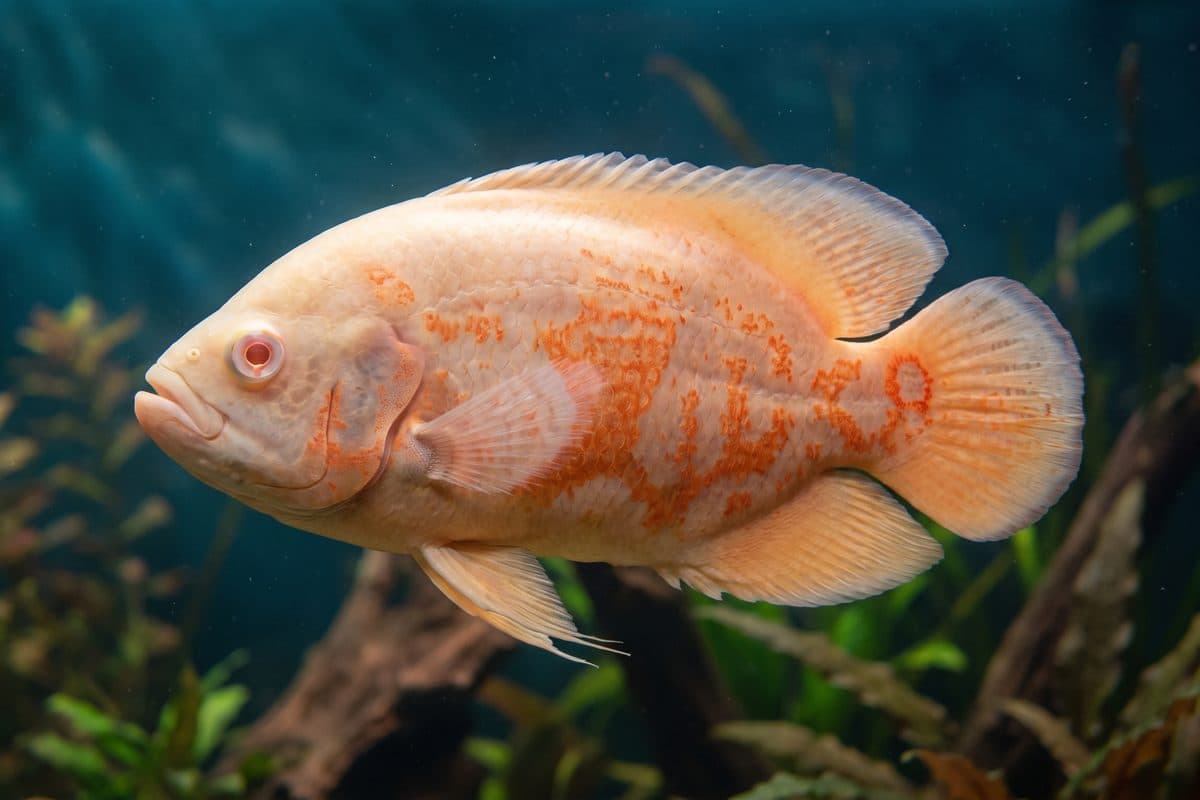
The Albino Oscar is a leucistic colour morph of Astronotus ocellatus that replaces the species' typical dark pigmentation with a striking white or cream base highlighted by vivid red-orange markings. Pink eyes confirm the absence of melanin. While care requirements mirror those of standard Oscars, albino specimens have specific light-sensitivity considerations and can be slightly more susceptible to stress in brightly lit environments. This guide covers everything specific to Albino Oscar care, with reference to our Tiger Oscar guide for shared husbandry fundamentals.

8分で読めるRead it
Medium

種別ガイド

Denison Barb

Sahyadria denisonii

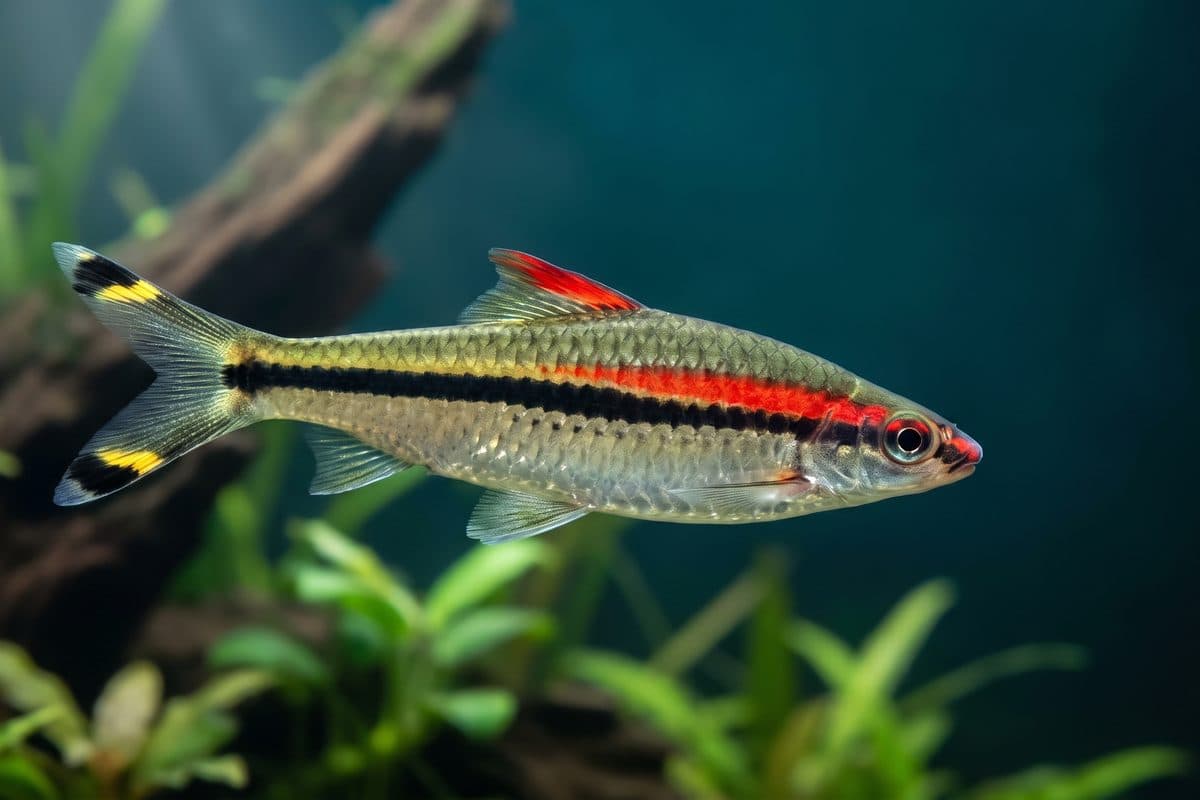
The Denison Barb (Sahyadria denisonii), also known as the Roseline Shark or Red-Lined Torpedo Barb, is one of the most visually striking cyprinids in the freshwater hobby. Native to the fast-flowing hill streams of Kerala and Karnataka in India's Western Ghats, this torpedo-shaped fish displays a bold black lateral line overlaid by a vivid red stripe running from snout to mid-body, with a flash of yellow-green on the caudal fin. Listed as Endangered on the IUCN Red List due to overcollection and habitat loss, the species is now increasingly available from captive-bred sources. This guide covers all aspects of Denison Barb husbandry.

8分で読めるRead it
Expert

種別ガイド

Alligator Gar

Atractosteus spatula

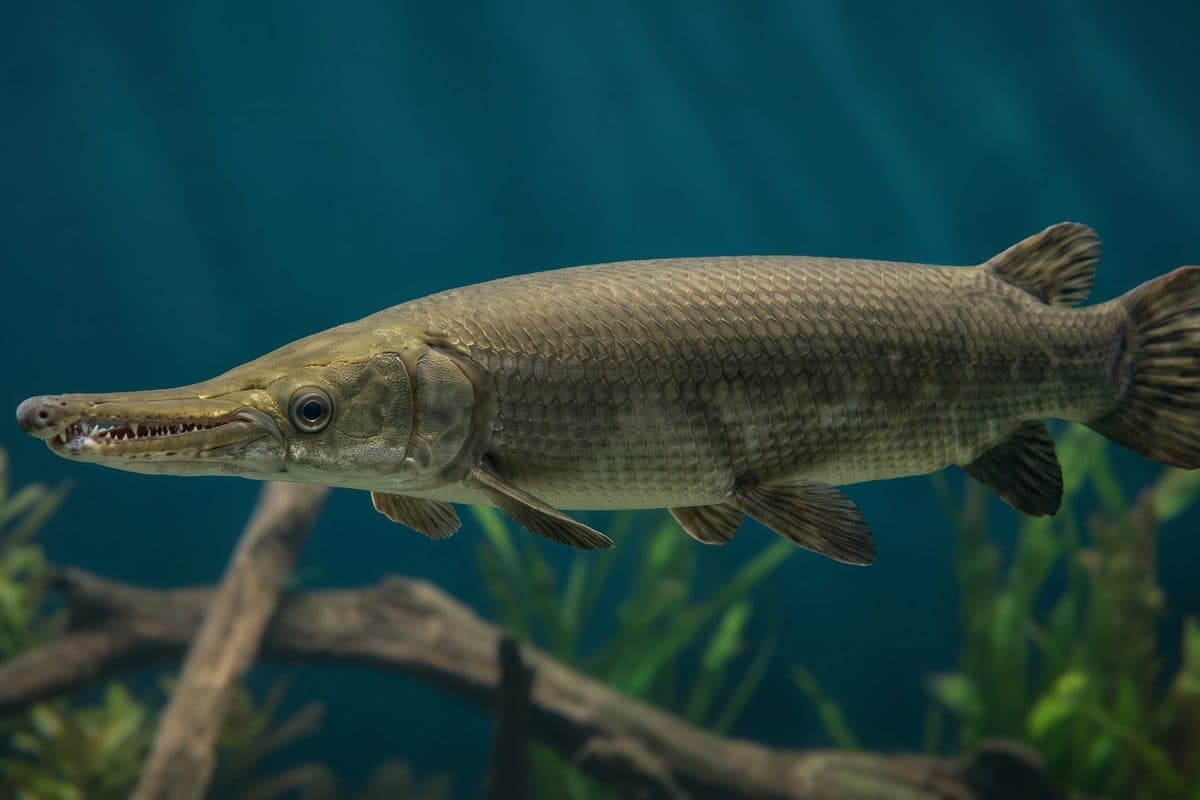
The Alligator Gar (Atractosteus spatula) is the largest species in the gar family and one of the largest freshwater fish in North America, capable of exceeding 3 metres (10 feet) in length and 140 kg (300 lb) in the wild. Named for its broad, alligator-like snout and double row of upper teeth, this prehistoric predator belongs to a lineage dating back over 100 million years. While their ancient lineage and imposing appearance make them fascinating aquarium subjects, their extreme adult size means they are only suitable for keepers with custom-built facilities. This guide covers the species' biology, care requirements, legal considerations, and realistic expectations for private keeping.

8分で読めるRead it
Medium

種別ガイド

Platinum Gar

Lepisosteus spp.

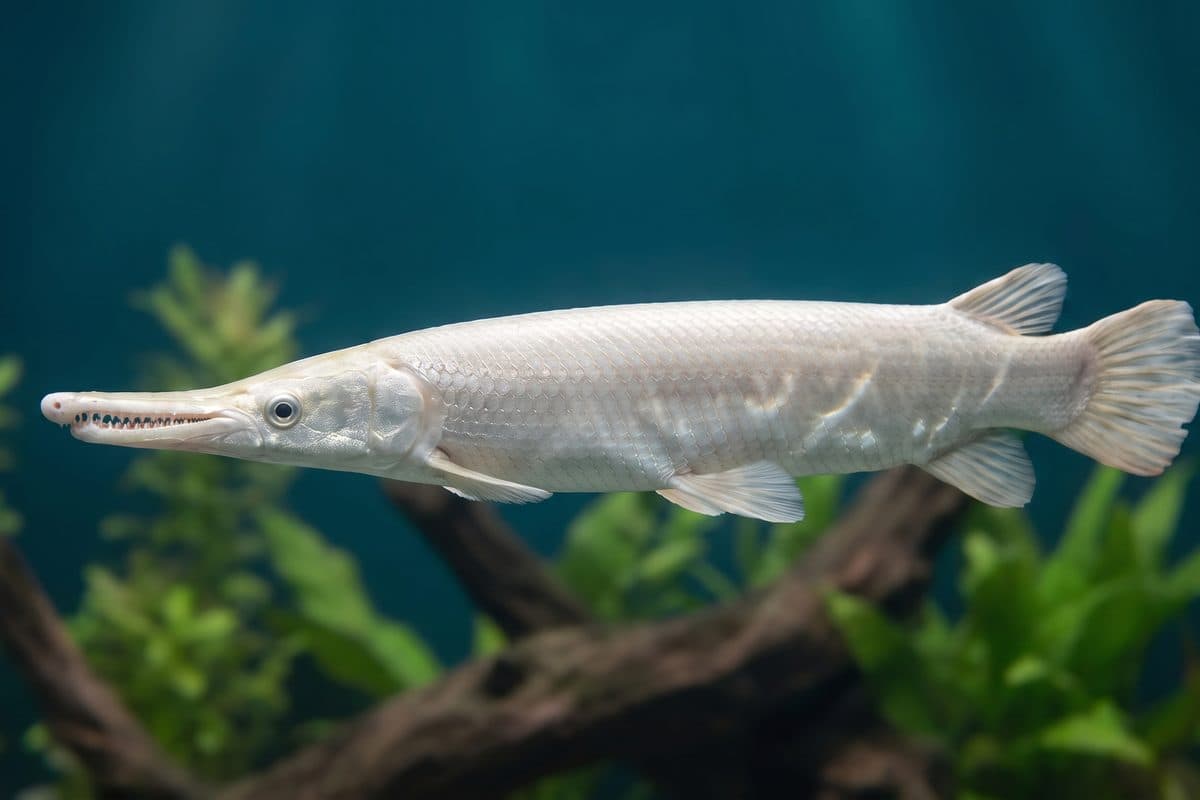
The term "Platinum Gar" refers to leucistic, xanthic, or albino colour variants of various gar species — most commonly the Florida Gar (Lepisosteus platyrhincus), Spotted Gar (Lepisosteus oculatus), or Shortnose Gar (Lepisosteus platostomus). These colour morphs produce striking silver-white, cream, or gold-toned fish that contrast dramatically with the typical dark olive-and-spotted wild-type appearance. Highly prized by collectors and monster-fish enthusiasts, Platinum Gar command premium prices and are among the most sought-after colour morphs in the predatory fish hobby.

8分で読めるRead it
Expert

種別ガイド

Neptune Grouper

Cephalopholis igarashiensis

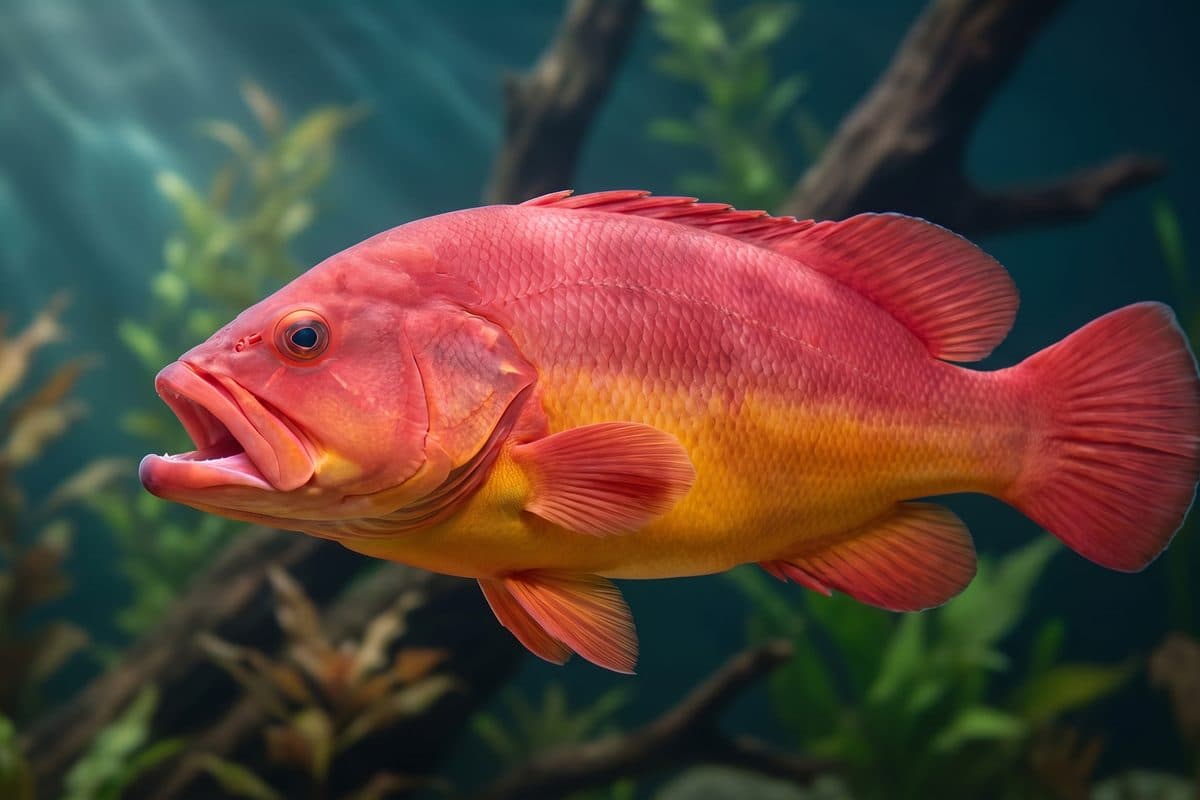
The Neptune Grouper (Cephalopholis igarashiensis) is one of the "holy grail" species of the marine aquarium hobby — a deepwater grouper of extraordinary beauty that commands prices rivalling the most expensive freshwater species. Found at depths of 80–260 metres across the Indo-Pacific, its collection requires specialised deep-diving or submersible techniques and careful decompression during ascent. The result is a fish of breathtaking beauty: vivid orange-pink body overlaid with golden-yellow bands and highlights. This guide covers the species' biology, the challenges of its collection, realistic care requirements, and what to expect from one of the rarest aquarium fish in the world.

8分で読めるRead it
Medium

種別ガイド

Panther Grouper

Cromileptes altivelis

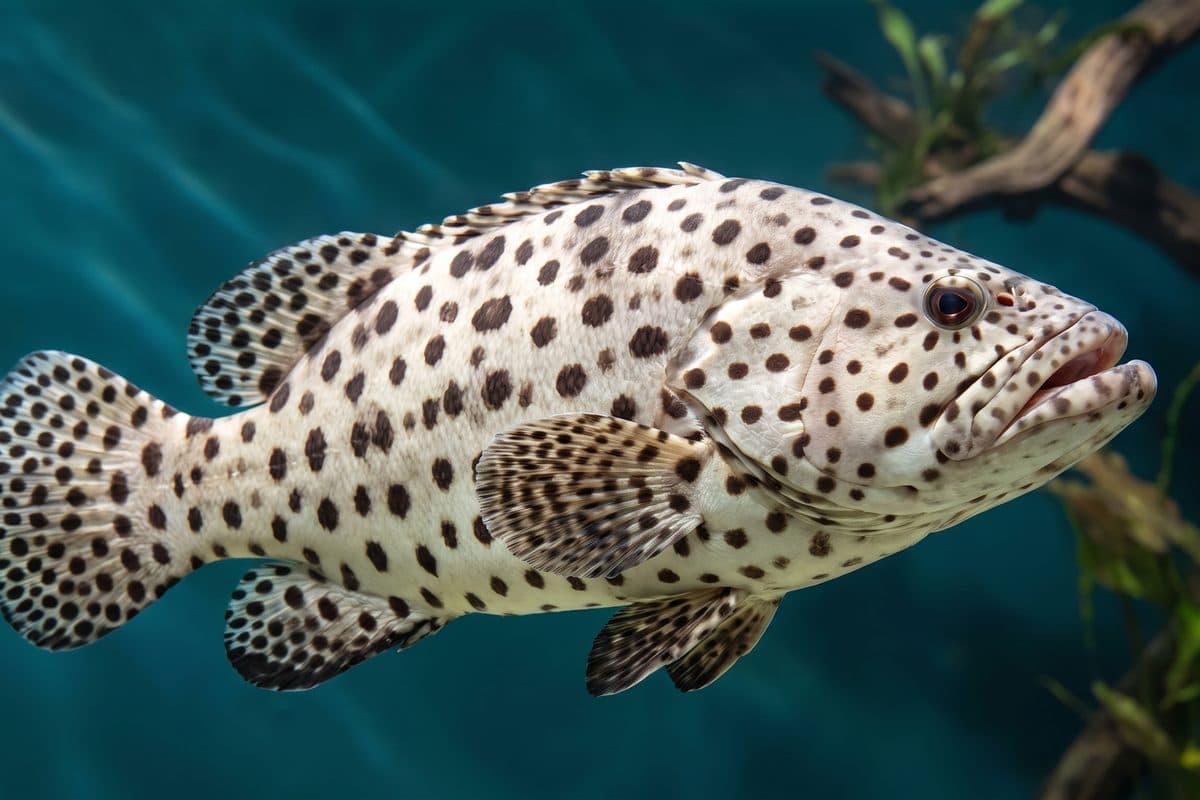
The Panther Grouper (Cromileptes altivelis), also known as the Humpback Grouper or Polka-Dot Grouper, is one of the most distinctive marine fish in the aquarium trade. Its white body covered in bold black spots, combined with an unusual humped head profile, makes it unmistakable. Juveniles are small, inexpensive, and irresistibly cute — which leads many beginners to purchase them without understanding that this fish reaches 70 cm (28 in) and requires a 300+ gallon aquarium. This guide provides a realistic overview of Panther Grouper care for those with the space and commitment to keep one properly.

8分で読めるRead it
Medium

種別ガイド

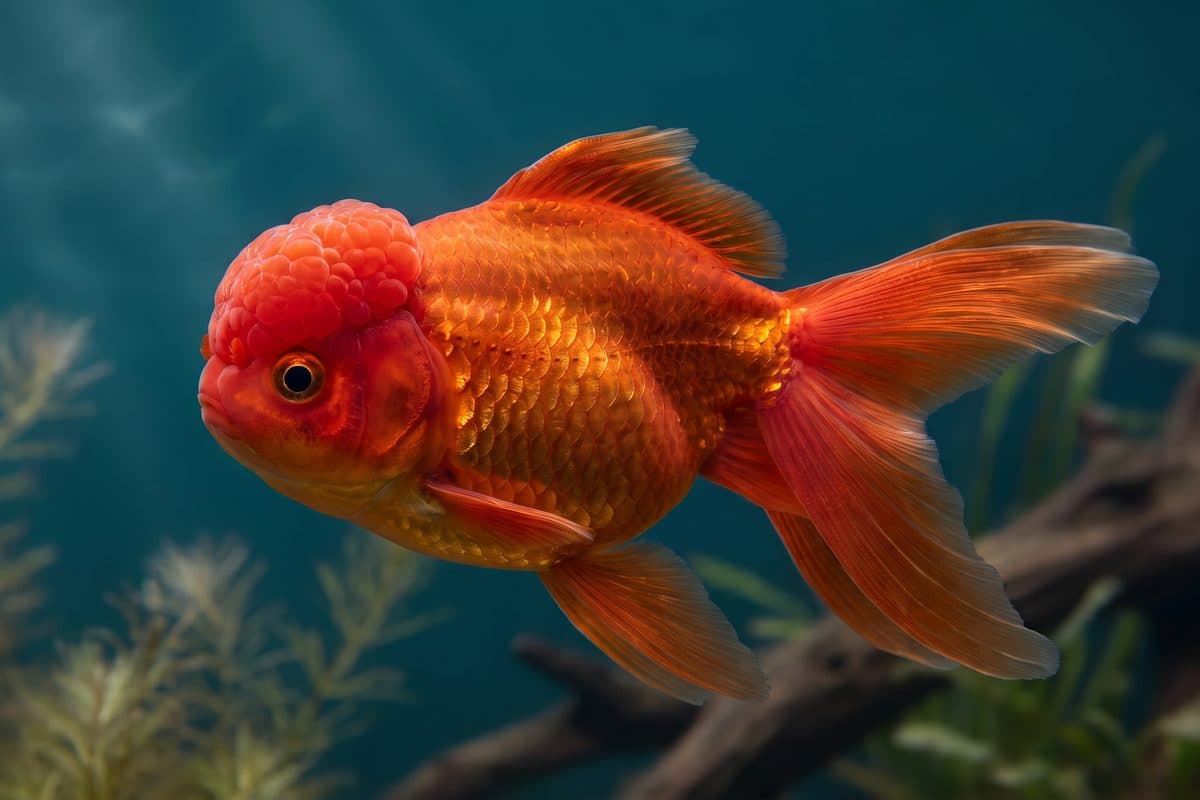
Oranda Goldfish

Carassius auratus

The Oranda is one of the most beloved and recognisable fancy goldfish varieties, distinguished by its prominent fleshy head growth known as the wen. Available in a spectacular range of colours — including Red Cap (white body with red wen), Calico, Black, Blue, Chocolate, and Red — the Oranda combines the appeal of flowing, double-tail finnage with the unique character of the wen. Originally developed in China over 500 years ago, the Oranda remains a centrepiece of competitive goldfish showing and one of the most popular fancy goldfish varieties worldwide.

9分で読めるRead it
Easy

種別ガイド

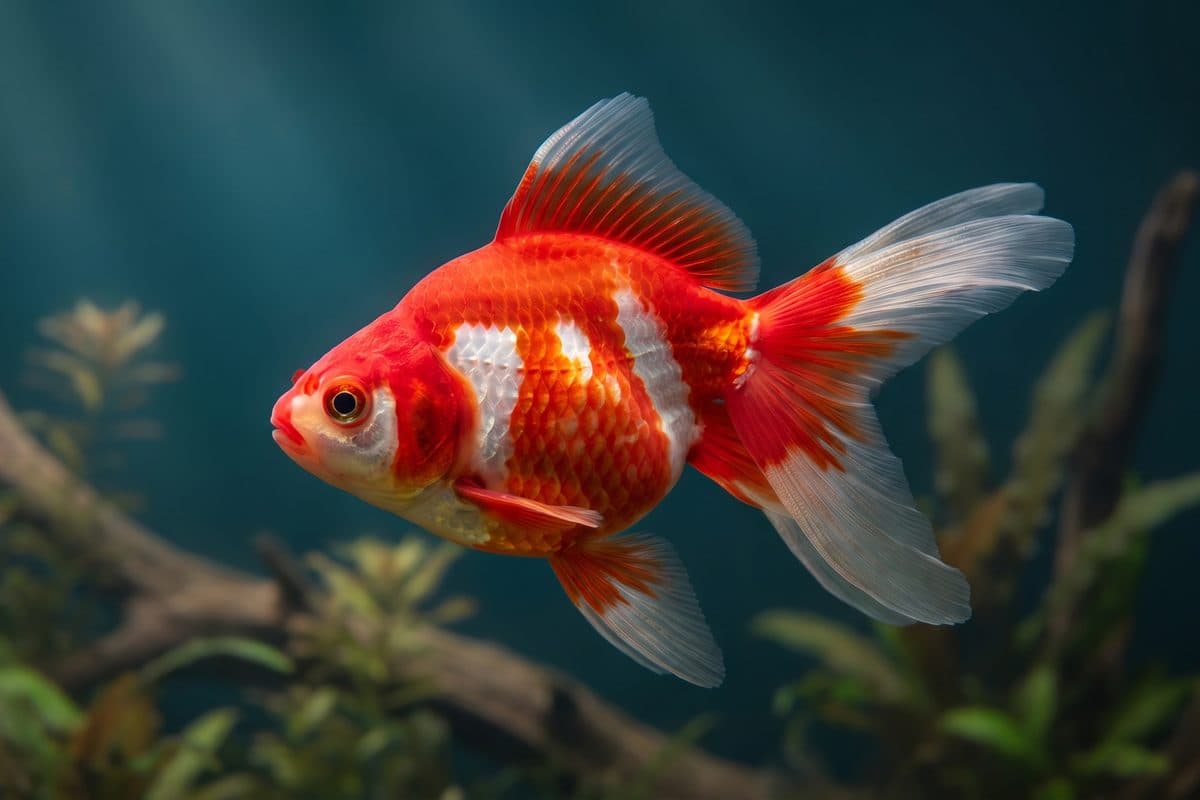
Ryukin Goldfish

Carassius auratus

The Ryukin is one of the oldest and most recognisable fancy goldfish varieties, distinguished by its dramatic high dorsal hump, deep round body, and flowing double or butterfly tail. Named after the Ryukyu Islands (modern-day Okinawa, Japan), where the variety was developed from Chinese imports in the 17th century, the Ryukin remains a cornerstone of competitive goldfish showing in Japan and worldwide. Available in red, red-and-white, calico, and other colour forms, the Ryukin is hardy relative to other fancy varieties and an excellent choice for intermediate goldfish keepers.

9分で読めるRead it
Medium

種別ガイド

Lionhead Goldfish

Carassius auratus

The Lionhead is one of the oldest and most revered fancy goldfish varieties, prized in Chinese goldfish culture for over 500 years. Distinguished by the absence of a dorsal fin and the development of a full, prominent wen (head growth) that ideally covers the entire head, cheeks, and gill plates — resembling a lion's mane — the Lionhead is closely related to the Japanese Ranchu but maintains distinct breed characteristics. This guide covers the differences between Lionhead and Ranchu, care considerations specific to dorsal-less varieties, wen management, and optimal husbandry.

8分で読めるRead it
Medium

種別ガイド

Sanke Koi

Cyprinus rubrofuscus

The Taisho Sanke — universally shortened to Sanke — is one of the three most prestigious koi varieties (the Gosanke, alongside Kohaku and Showa Sanshoku). First developed in the Taisho era of Japan (1912–1926), the Sanke displays a tri-colour pattern of pure white (shiroji), deep red (hi), and jet black (sumi) that, when perfectly balanced, is considered among the most beautiful expressions in the koi world. Understanding Sanke pattern appreciation — what makes a good Sanke versus a great one — is central to koi connoisseurship.

9分で読めるRead it
Medium

種別ガイド

Showa Koi

Cyprinus rubrofuscus

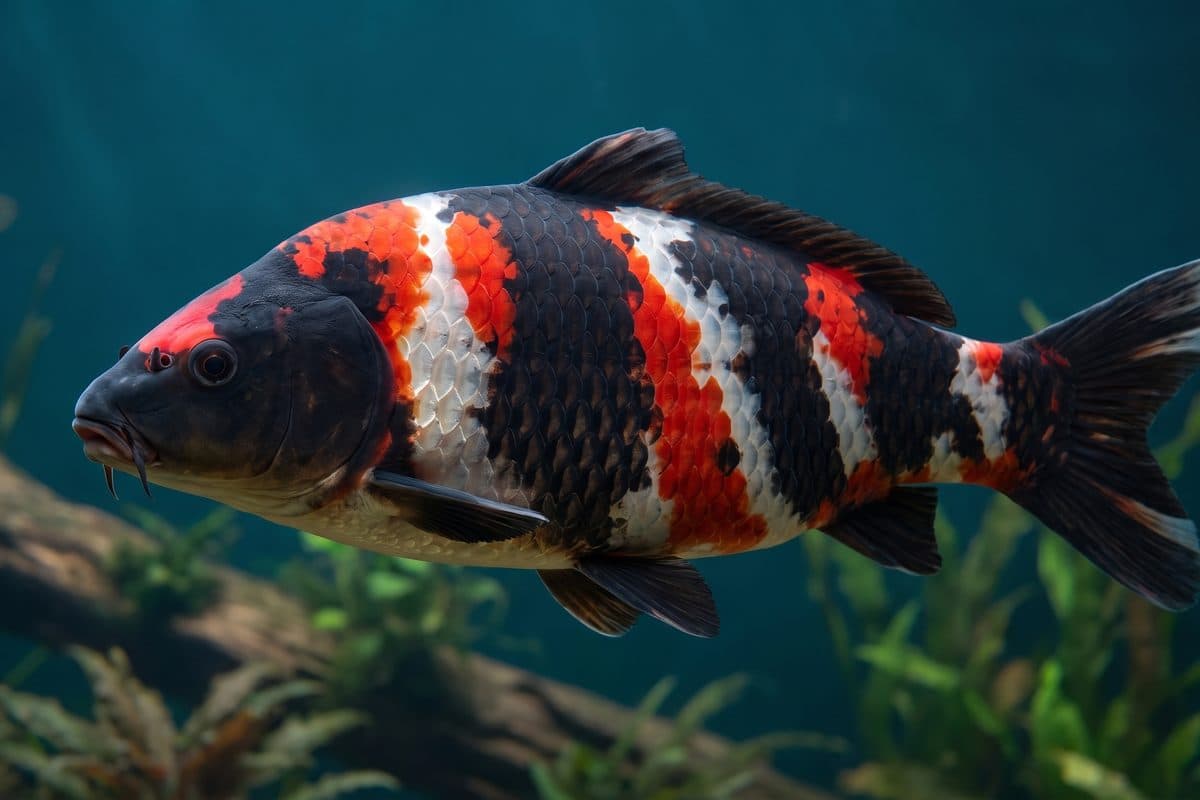
The Showa Sanshoku — commonly called Showa — completes the trio of Gosanke varieties alongside Kohaku and Sanke. Developed in the Showa era (1926–1989), the Showa is the boldest and most dramatic of the three, featuring a black body base (sumi) with striking red (hi) and white (shiroji) markings that create a powerful, high-contrast appearance. While early Showa were predominantly black with small patches of red and white, modern breeding has produced lighter, more balanced fish that rival Sanke in elegance while retaining the Showa's characteristic dramatic impact.

9分で読めるRead it
Easy

種別ガイド

Butterfly Koi

Cyprinus rubrofuscus

Butterfly Koi — known in Japan as Hirenaga Koi and in the Western hobby as Dragon Koi or Long-Fin Koi — are a variety of ornamental koi distinguished by their dramatically elongated, flowing fins and barbels (whiskers). Created in the 1980s by crossing traditional Japanese Nishikigoi with a wild Indonesian long-finned carp, Butterfly Koi have become enormously popular in the Western pond-keeping community for their graceful, ethereal appearance. Their status in the koi world remains controversial: Japanese traditionalists do not recognise them as true Nishikigoi, and they are excluded from most traditional koi competitions. This divide has not diminished their popularity one bit.

8分で読めるRead it
Easy

種別ガイド

Snowflake Moray Eel

Echidna nebulosa

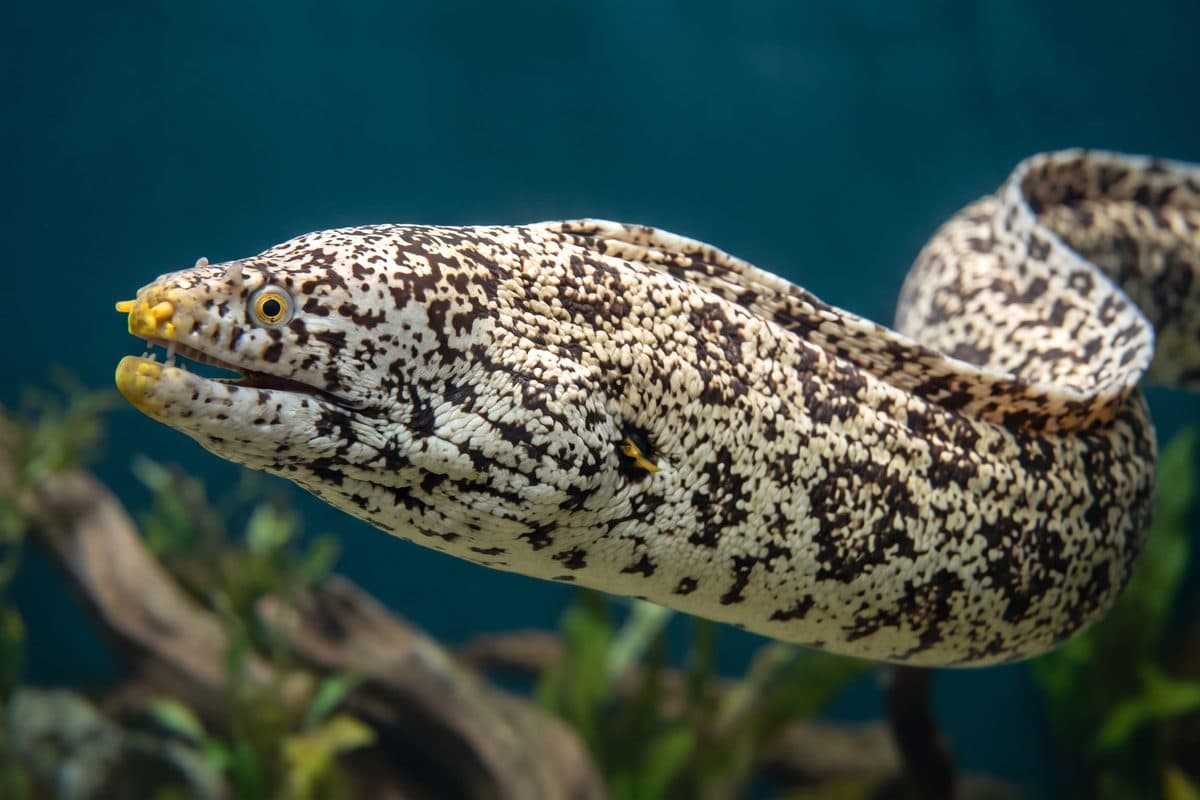
The Snowflake Moray Eel (Echidna nebulosa) is widely regarded as the best "starter moray" for marine aquarists. Its manageable size (60–75 cm), relatively docile temperament, blunt crustacean-crushing teeth, and striking black-white-yellow patterning make it one of the most popular eel species in the marine hobby. Found across the Indo-Pacific on shallow reef flats and rocky intertidal zones, the Snowflake Moray is hardy, disease-resistant, and adapts readily to captive diets. This guide covers everything you need to know about keeping this charismatic eel.

8分で読めるRead it
Medium

種別ガイド

Tiger Loach

Syncrossus hymenophysa

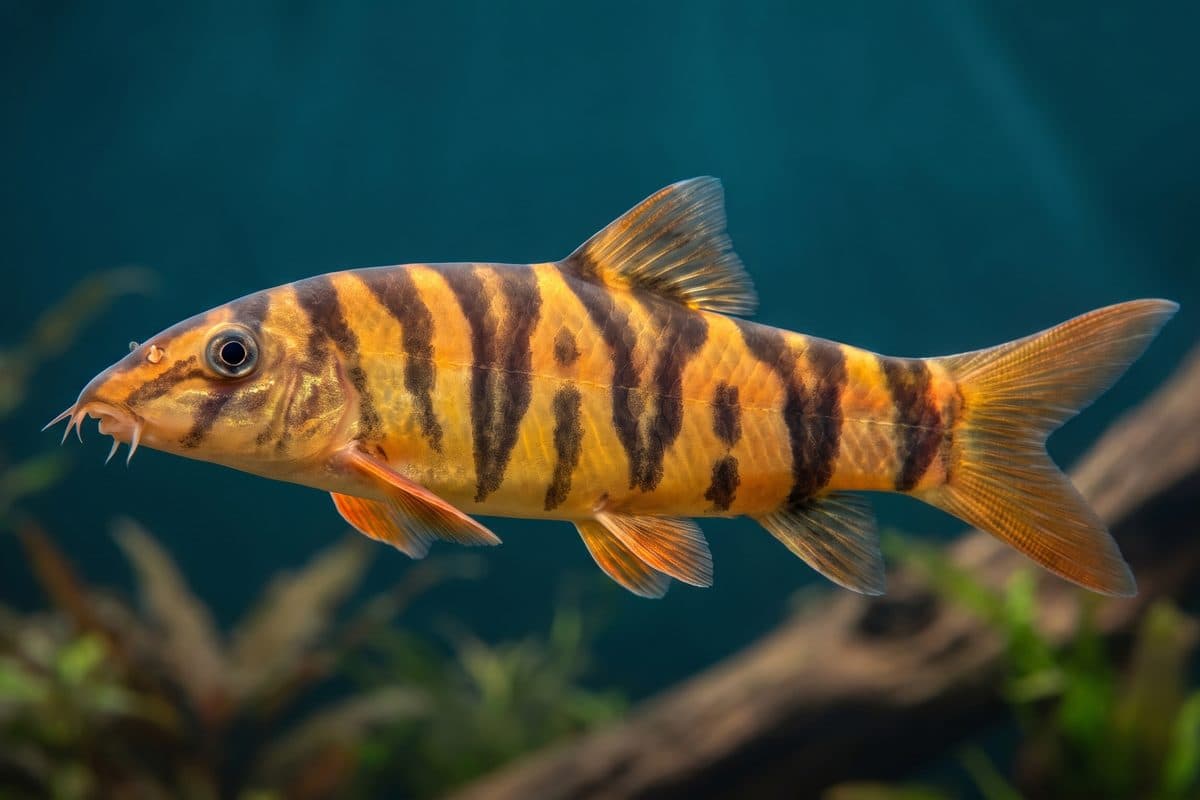
The Tiger Loach (Syncrossus hymenophysa) is a large, boldly patterned member of the Botiidae family native to the rivers and streams of Southeast Asia (Sumatra, Borneo, and the Malay Peninsula). Growing to 25–30 cm (10–12 in), this striking fish displays bold dark vertical bars on a golden-tan body — the "tiger stripes" that give it its common name. While undeniably beautiful, Tiger Loaches are more aggressive and demanding than their popular cousin the Clown Loach, requiring larger tanks, specific social structures, and experienced husbandry.

8分で読めるRead it
Medium

種別ガイド

Black Ghost Knife Fish

Apteronotus albifrons

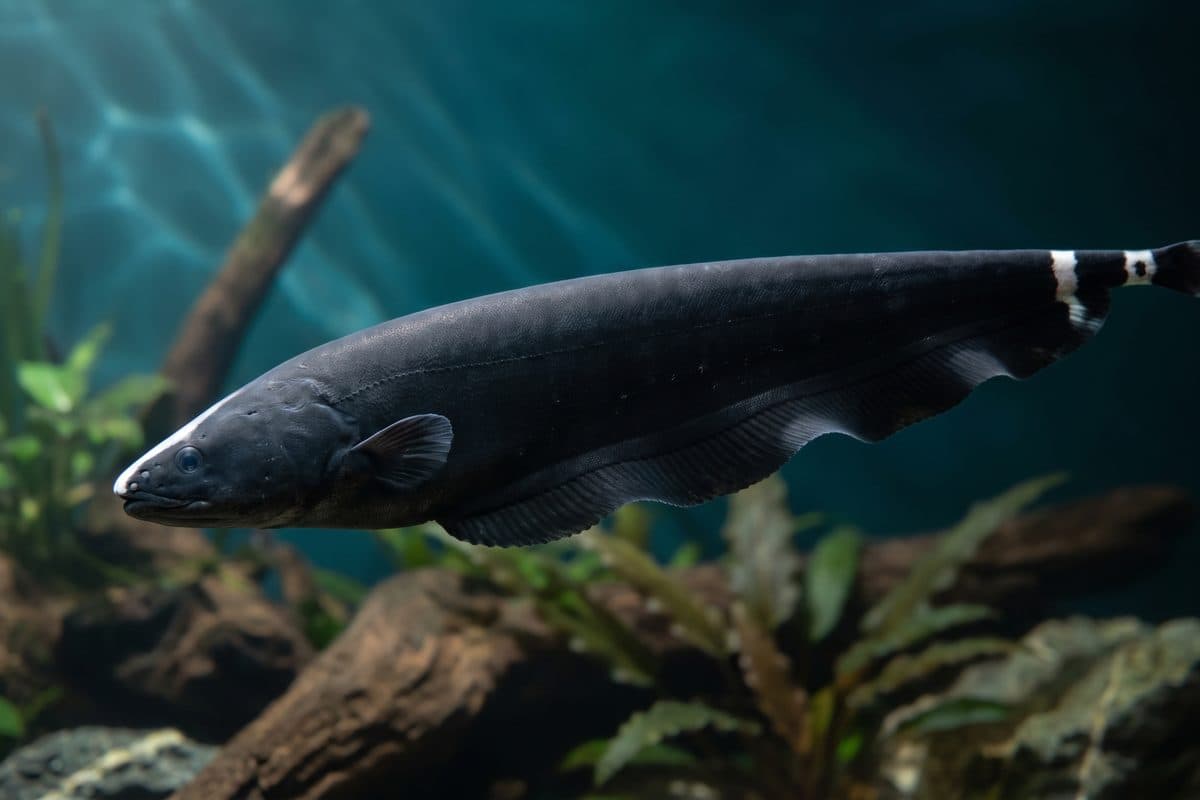
The Black Ghost Knife Fish (Apteronotus albifrons) is one of the most fascinating freshwater fish available to aquarists. A member of the knifefish order Gymnotiformes — the same order that includes the Electric Eel — this jet-black, blade-shaped fish navigates its environment using weak electrical fields generated by a specialised organ in its tail. Native to the rivers and streams of the Amazon Basin, the Black Ghost Knife is nocturnal, shy, and remarkably intelligent, capable of learning to feed from the hand and recognising its keeper. This guide covers the species' unique biology, care requirements, and the specific considerations needed to keep this extraordinary fish thriving.

8分で読めるRead it

飼育ガイド

すべて見る

飼育ガイド

Arowana Tank Setup

A detailed, specification-driven guide to building the optimal aquarium system for keeping Asian and Silver Arowana, covering every component from tank dimensions to backup power.

Read it

飼育ガイド

Pufferfish Diet & Feeding

A comprehensive feeding guide for freshwater and brackish pufferfish species, covering species-specific dietary needs, beak maintenance through hard-shelled foods, feeding frequency, and nutritional supplementation.

Read it

飼育ガイド

Cichlid Water Parameters

A species-group-specific water parameter guide for cichlid keepers, covering African Rift Lake, South American, and Central American cichlids with exact ranges, adjustment methods, and monitoring protocols.

Read it

飼育ガイド

Stingray Tank Setup & Water Parameters

A specification-level guide to building the optimal aquarium system for freshwater stingrays, covering tank dimensions, round vs rectangular tank design, sand substrate requirements, sump filtration, water chemistry, and cycling protocols.

Read it

飼育ガイド

Discus Water Parameters & Tank Setup

A precision-focused guide to the water chemistry and tank configuration requirements for keeping Discus, covering the notoriously strict parameter ranges, RO water systems, temperature stability, and ongoing maintenance protocols.

Read it

飼育ガイド

Pleco Care Guide: Diet, Tank Setup & Water Parameters

A species-aware care guide for plecostomus (Loricariidae) covering the dietary requirements including critical driftwood needs, cave provision for territorial behaviour, nocturnal feeding protocols, and water parameters across popular species.

Read it
WhatsAppで相談