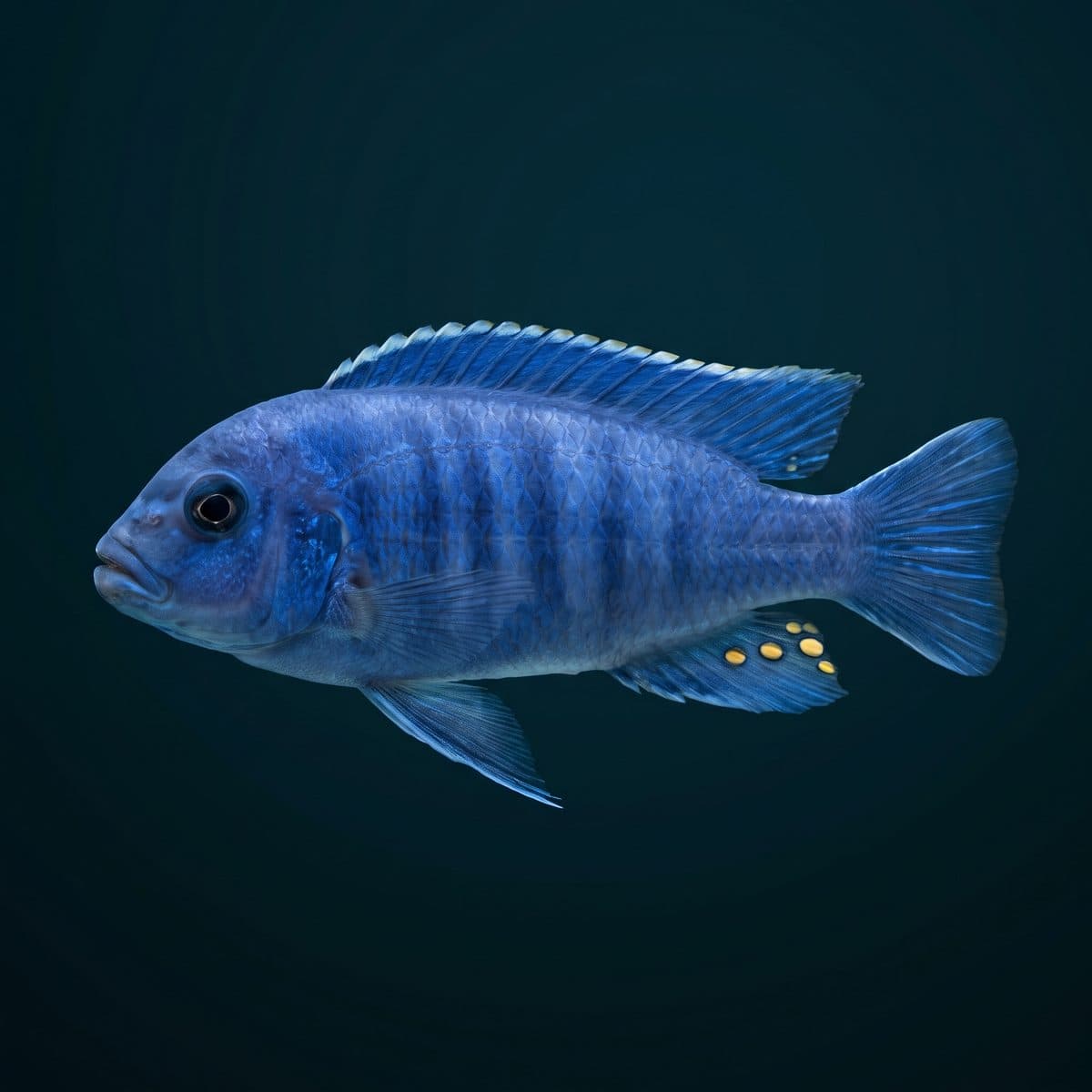
Intermediate
Cobalt Blue Zebra
Maylandia callainos
¥2,243Get a quote
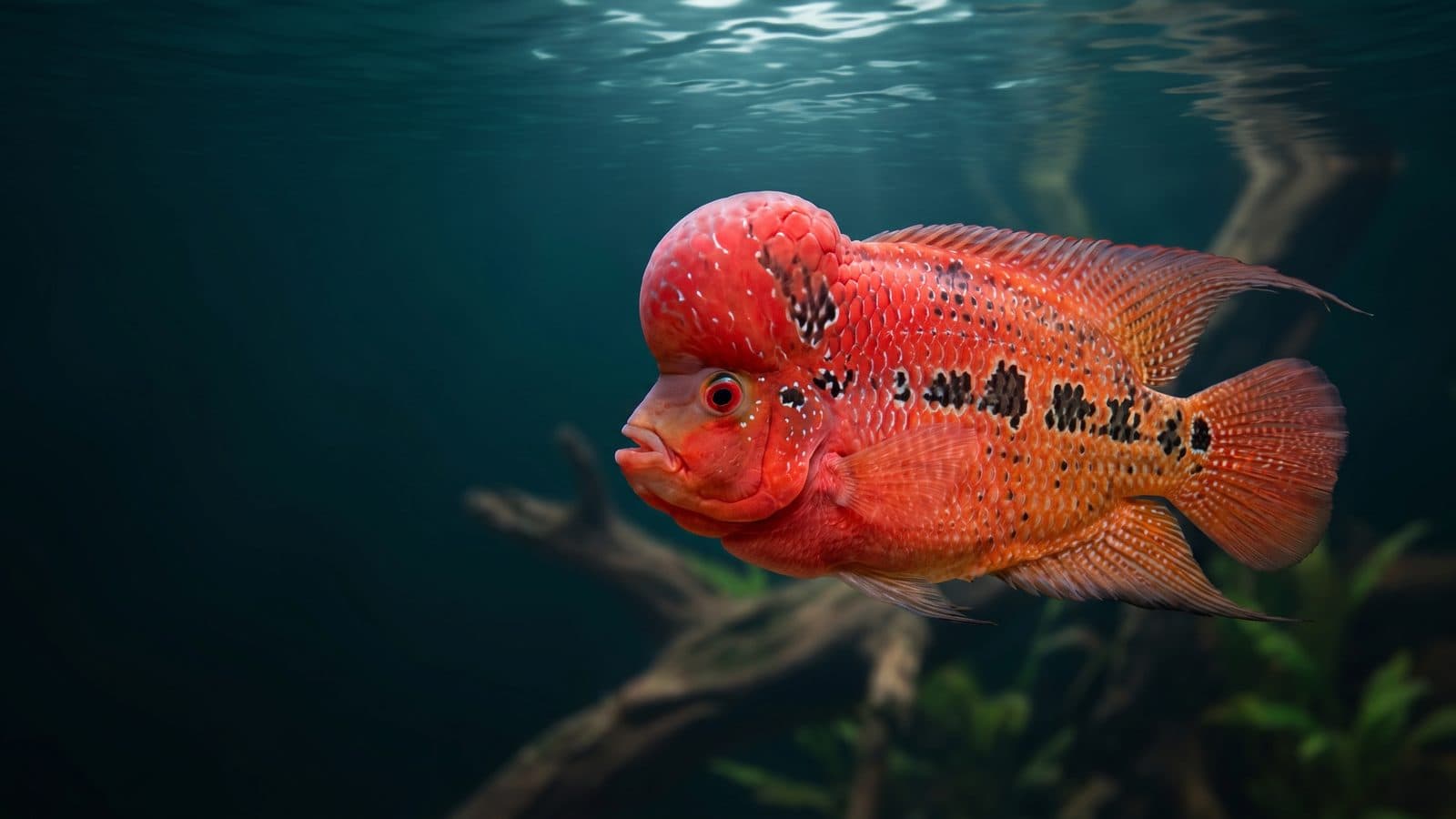
Cichlids are the connoisseur's fish — endlessly varied, behaviourally complex, and often breathtakingly coloured. Our collection features Flowerhorn, Oscar, Discus, and rare African species sourced from trusted breeders worldwide. 10 in stock now.
Showing 5 medium シクリッド
Maylandia callainos
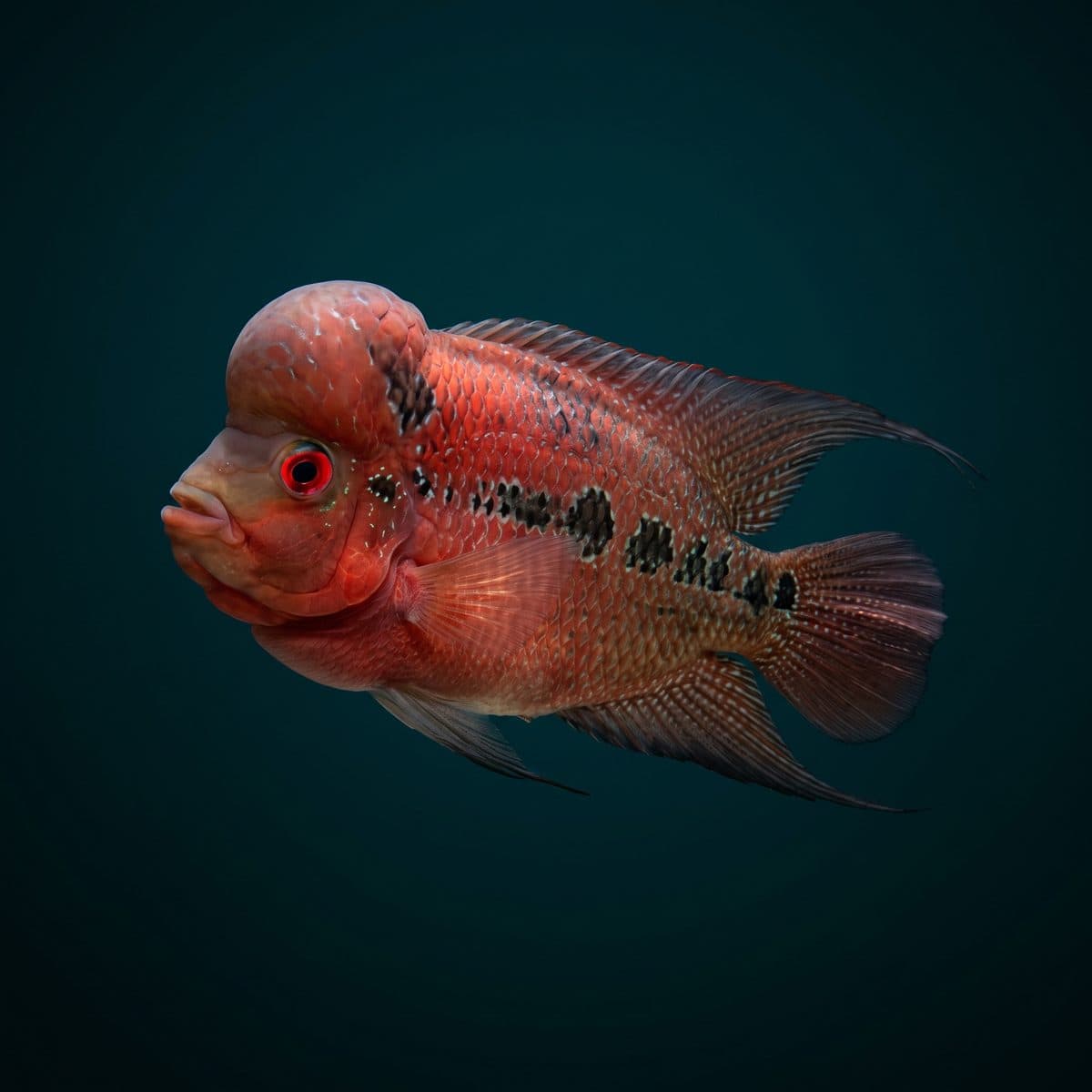
Hybrid (Amphilophus spp.)
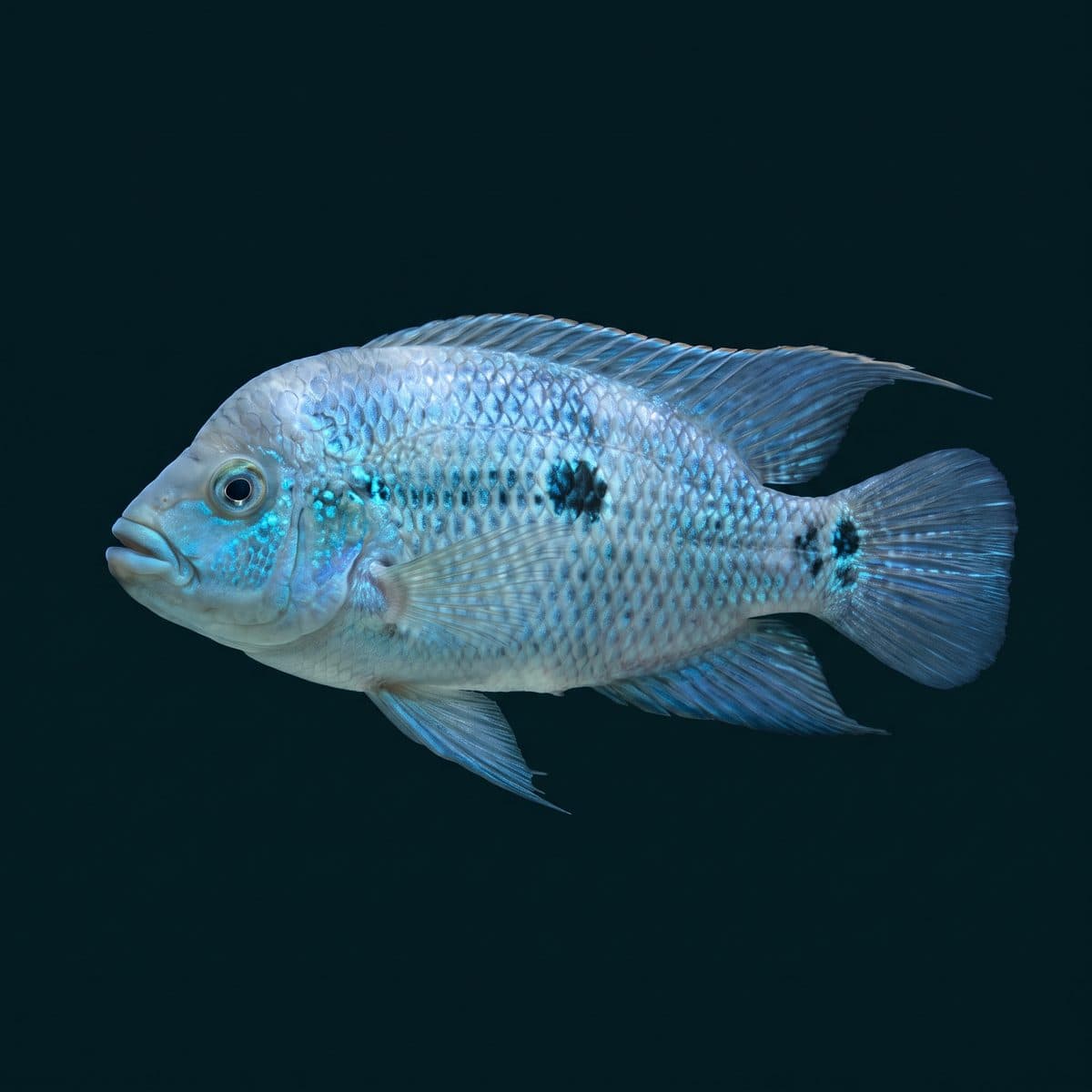
Rocio octofasciata
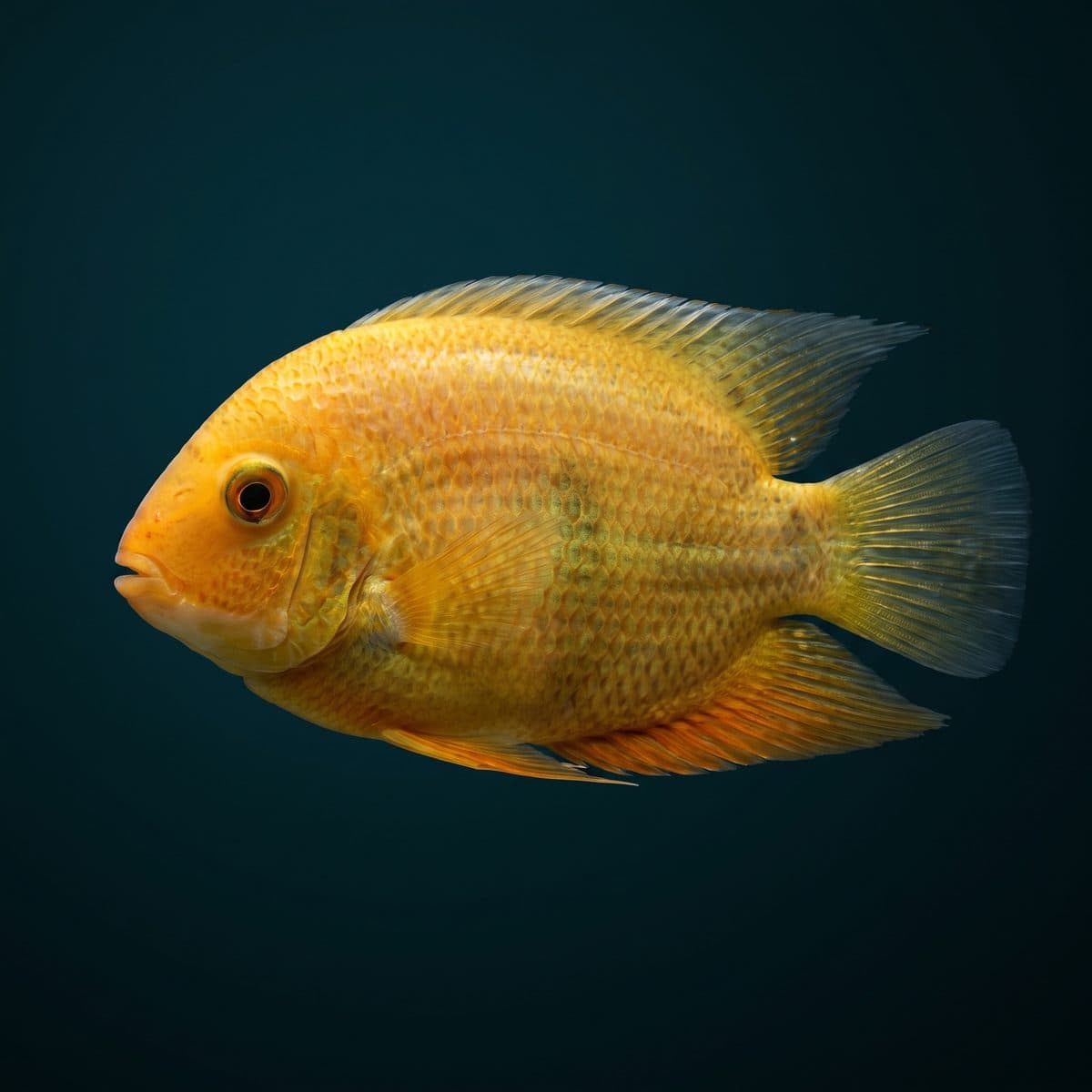
Heros efasciatus
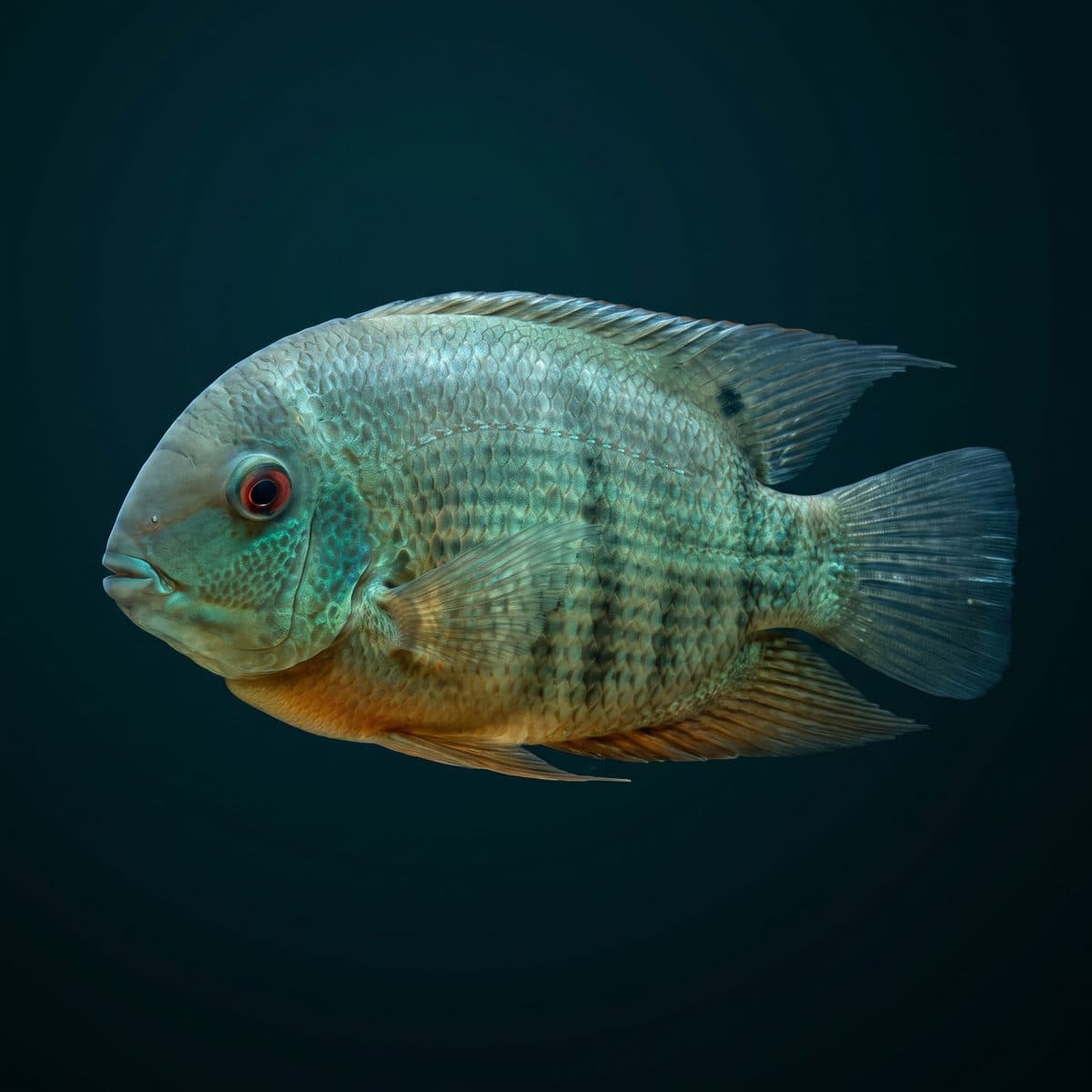
Heros efasciatus
With over 2,000 described species spread across Africa, Central and South America, and parts of Asia, cichlids represent one of the great success stories of vertebrate evolution. Their intelligence, complex social structures, and dazzling coloration have made them the cornerstone of the tropical fish hobby. Whether you are a seasoned breeder or just beginning to explore cichlid fish for sale, there is a species perfectly suited to your interests and experience.
Unlike many tropical fish that serve as passive decoration, cichlids actively engage with their environment and their keepers. They recognise their owners, establish territories, perform elaborate courtship displays, and provide remarkable parental care — some species mouth-brood their fry, while others guard nests with aggressive determination. This behavioural richness means that a cichlid tank is never static. African Rift Lake cichlids from Lake Malawi and Lake Tanganyika offer electric blues, vivid yellows, and intricate patterns in a hard-water alkaline setup. South American cichlids — Oscars, Discus, Geophagus — tend toward softer, more acidic conditions and often display more nuanced, earthy coloration alongside dramatic personalities.
The single most important decision when buying cichlids is matching species to your water chemistry and tank size. African Rift Lake cichlids require hard, alkaline water (pH 7.8-8.6) and do poorly in soft acidic conditions. Conversely, Discus and many South American species need soft, acidic water (pH 5.5-7.0) and high temperatures around 82-86 degrees Fahrenheit. Flowerhorn cichlids, a man-made hybrid, are best kept singly due to extreme aggression. When evaluating individual fish, look for vibrant coloration, erect fins, active swimming behaviour, and clear eyes. Avoid fish with clamped fins, faded colour, or visible white spots.
Tank size varies widely by species — a pair of dwarf cichlids can thrive in 20 gallons, while a Flowerhorn needs 75 gallons minimum and a colony of Mbuna requires 55 gallons or more with extensive rockwork. Filtration should be robust, as cichlids are messy eaters that produce significant waste. Overstocking is a common strategy with African cichlids to diffuse aggression, but this demands powerful filtration and frequent water changes. Research compatibility carefully; many cichlid species will kill tankmates that intrude on their territory.
We curate our cichlid offerings around quality over quantity. Each specimen is selected for colour intensity, body conformation, and genetic lineage. Our Flowerhorn collection features Kamfa and Super Red Dragon lines with documented parentage, while our African cichlids come from breeders who maintain wild-type genetics rather than diluted hybrid lines. Every fish ships with a species-specific care profile, and our team provides ongoing support to help you build and maintain a thriving cichlid community.
専門家リソース
種別ガイド
Hoplias malabaricus
The Wolf Fish (<em>Hoplias malabaricus</em>) is the apex freshwater predator of South America, found in virtually every river system from the Orinoco to the Paraná. Known in its native range as "Traíra," this robust characiform is built for one purpose: to hunt. With a mouth full of canine-like teeth, explosive strike speed, and the tenacity to survive in oxygen-depleted swamps, the Wolf Fish is the ultimate predator-keeper's fish. This guide covers everything from tank requirements and feeding protocols to breeding behaviour and safe handling practices.
ガイドを読む →種別ガイド
Hybrid (Amphilophus spp.)
The Flowerhorn Cichlid is a man-made hybrid originating from Malaysian and Taiwanese breeding programmes in the late 1990s, primarily involving crosses between <em>Amphilophus citrinellus</em> (Midas Cichlid), <em>Amphilophus trimaculatus</em> (Trimac), and various Central American cichlid species. Celebrated for its prominent nuchal hump (kok), vivid colouration, and interactive personality, the Flowerhorn has become one of the most commercially successful ornamental fish in history. This guide covers the husbandry of all major Flowerhorn strains — from the classic Zhen Zhu (Pearl) to the Super Red Dragon and King Kamfa — with specific attention to hump development, colour enhancement, and the aggressive temperament that makes this fish both fascinating and challenging.
ガイドを読む →種別ガイド
Cyphotilapia frontosa
The Blue Zaire Frontosa is the most coveted geographic variant of Cyphotilapia frontosa, a majestic cichlid endemic to Lake Tanganyika in East Africa. Distinguished from other Frontosa variants by its extraordinarily deep cobalt-blue body colouration between the characteristic black vertical bars, the "Zaire Blue" commands premium prices and devoted collector followings worldwide. Wild populations inhabit the deep rocky zones of the Congolese (formerly Zaire) coastline at depths of 30–70 metres — making them one of the deepest-dwelling cichlids in the lake. This The Fish Collection guide provides comprehensive care instructions for this slow-growing, long-lived, and deeply rewarding species, drawing on our experience breeding and maintaining Frontosa colonies for over a decade.
ガイドを読む →飼育ガイド
A species-group-specific water parameter guide for cichlid keepers, covering African Rift Lake, South American, and Central American cichlids with exact ranges, adjustment methods, and monitoring protocols.
ガイドを読む →飼育ガイド
A practical care sheet for wolf fish covering tank requirements, water parameters, feeding protocols, aggression management, health monitoring, and species-specific differences between Hoplias malabaricus, H. aimara, and Erythrinus erythrinus.
ガイドを読む →飼育ガイド
A practical care sheet for Flowerhorn Cichlids covering tank requirements, water parameters, feeding for kok growth and colour enhancement, aggression management, common health issues, and daily maintenance routines.
ガイドを読む →他のカテゴリーを探す