Why Tank Setup Matters for Axolotls
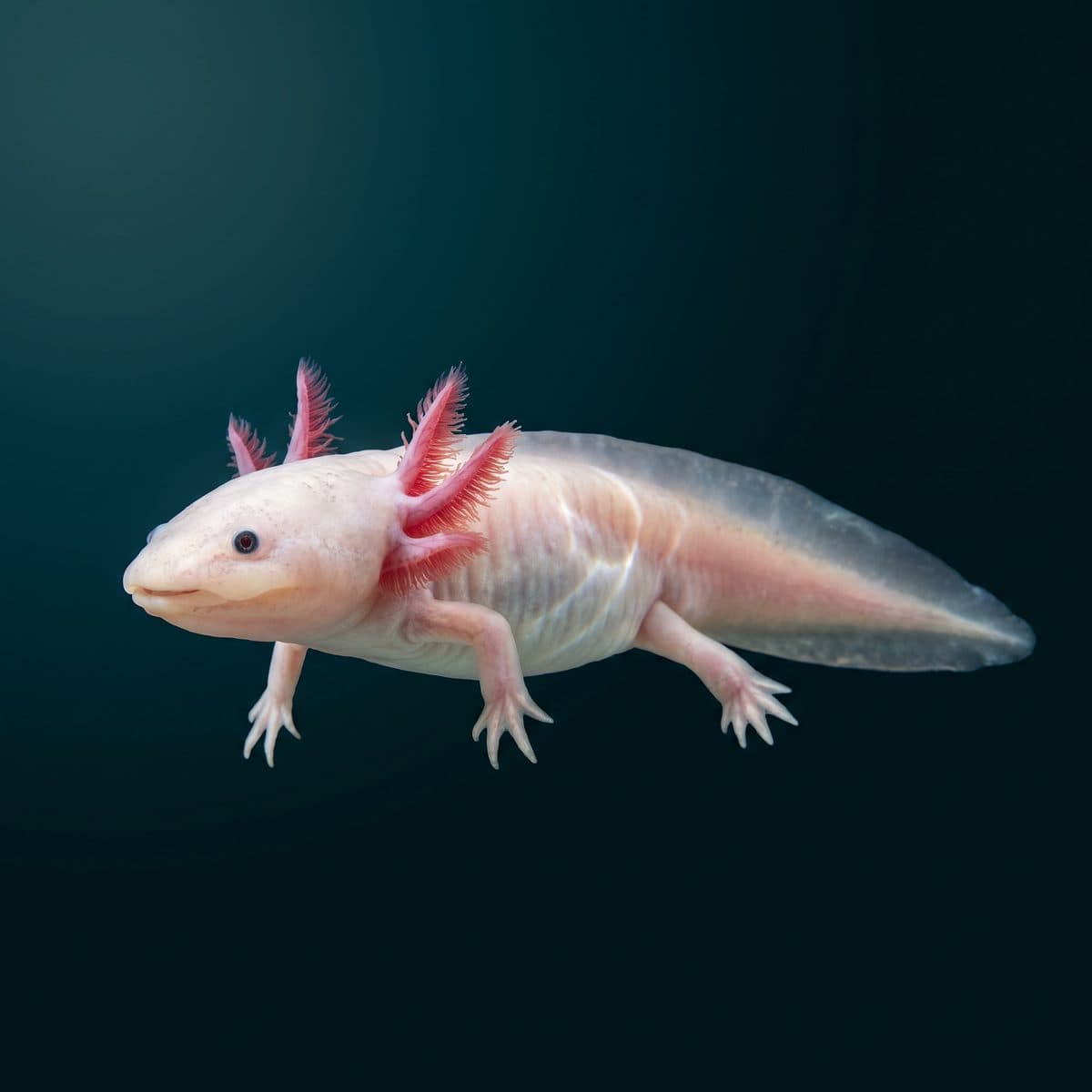
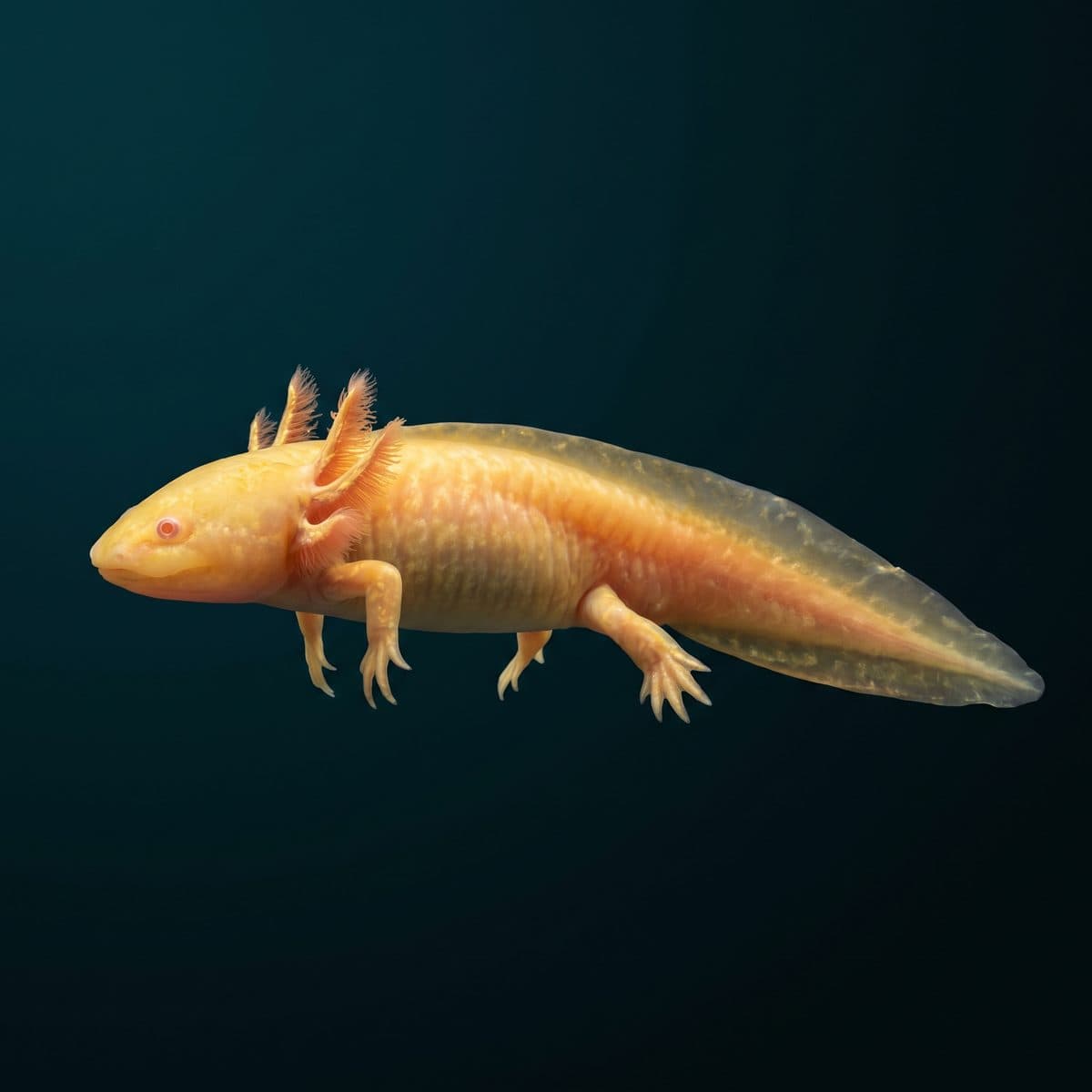
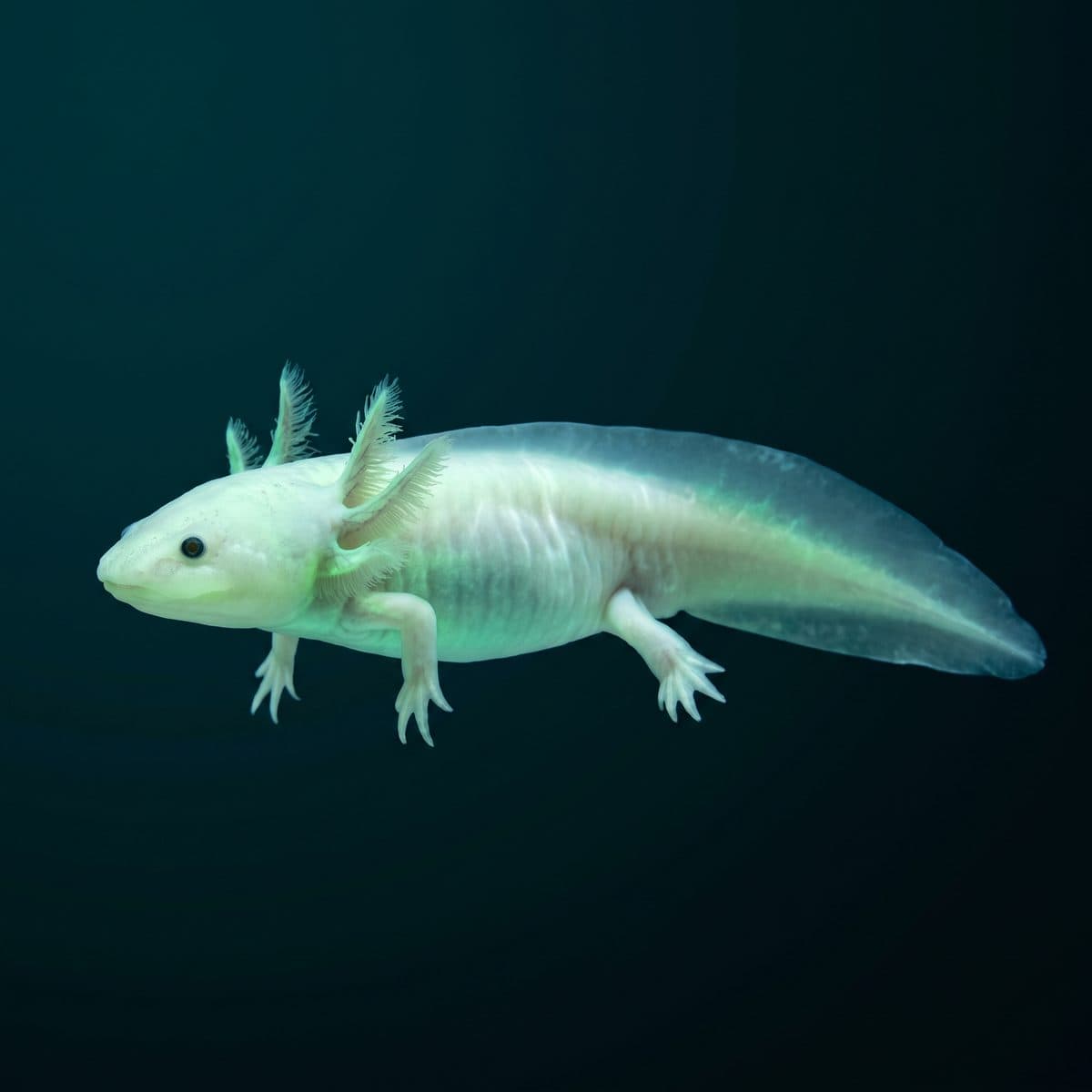
Axolotls (Ambystoma mexicanum) are neotenic salamanders — they retain their larval form throughout life, keeping their feathery external gills and remaining fully aquatic. This makes them extraordinarily sensitive to environmental conditions that most fish tolerate without issue. Temperature swings, strong currents, bright lights, and inappropriate substrates do not merely stress an axolotl — they cause gill deterioration, impaction, fungal infection, and premature death.
The axolotl is critically endangered in the wild, surviving only in a shrinking network of canals in Xochimilco, Mexico City. Every captive specimen carries conservation significance. Building a proper habitat is not optional — it is a responsibility. I have reviewed hundreds of axolotl setups over the years, and the overwhelming majority of health problems I encounter trace back to one of three infrastructure failures: water too warm, gravel substrate, or an uncycled tank. All three are entirely preventable.
Tank Size and Dimensions
Single Axolotl Requirements
The absolute minimum for a single adult axolotl is 20 gallons (75 litres). A 20-gallon long tank (30 × 12 × 12 inches / 76 × 30 × 30 cm) is ideal because it prioritises floor space over height — axolotls are bottom-dwellers that rarely swim to the surface except to gulp air occasionally. A tall, narrow tank wastes volume that the animal will never use.
However, I strongly recommend a 40-gallon breeder (36 × 18 × 16 inches) as the practical starting point. The extra volume provides significantly more thermal stability — critical when your target temperature range is only 8 degrees wide — and gives the axolotl room to exhibit natural foraging behaviour rather than simply sitting in a corner.
Housing Multiple Axolotls
Add 10 gallons per additional axolotl as an absolute minimum, though 20 gallons per animal is far more practical. Axolotls are not social — they do not benefit from companionship and will bite each other's gills and limbs, particularly when crowded or underfed. While they can regenerate lost limbs, repeated amputation is stressful and diverts energy from growth and immune function.
If housing multiple axolotls together, ensure each animal has its own hide, maintain impeccable water quality, and feed generously to reduce competition-driven aggression. Separate immediately if persistent nipping occurs.
Cold-Water Requirements
Why Cold Water Is Critical
This is the single most important factor in axolotl husbandry, and the one most frequently ignored by new keepers. Axolotls require water temperatures between 60–68 °F (16–20 °C). They can tolerate brief dips to 55 °F (13 °C) and brief exposure to 72 °F (22 °C), but sustained temperatures above 68 °F accelerate metabolism beyond what their physiology can support, suppress immune function, promote bacterial and fungal infections, and reduce dissolved oxygen to dangerously low levels.
At 75 °F (24 °C) and above, an axolotl is in active heat stress. You will see forward-curled gill filaments, reduced appetite, increased surface gulping, and within days to weeks, opportunistic infections (particularly Saprolegnia fungus and columnaris bacteria) that are extremely difficult to treat in a compromised animal. Temperature kills more pet axolotls than any other single factor.
You do not need a heater. In fact, a heater in an axolotl tank is actively dangerous. If your home ambient temperature stays below 68 °F year-round, you need nothing more than the room itself. Most keepers, however, live in spaces that exceed this threshold during summer.
Cooling Methods
If your room temperature exceeds 68 °F at any point during the year, you need an active cooling strategy:
- Aquarium chiller: The most reliable method. A 1/10 HP chiller is sufficient for a 20–40 gallon tank. Units cost $150–$400 but provide precise, thermostat-controlled cooling regardless of ambient conditions. This is the only method I recommend without reservation.
- Clip-on fans: Evaporative cooling fans mounted on the tank rim can lower water temperature by 2–5 °F. Effective as supplementary cooling in mildly warm rooms (70–74 °F ambient) but unreliable as a primary solution. They also increase evaporation rate significantly — expect to top off frequently.
- Frozen water bottles: The emergency method. Freeze 500 ml bottles and float them in the tank. Crude but effective for short-term situations. The problem: temperature fluctuates wildly as the ice melts. Axolotls tolerate cold better than heat, but rapid swings in either direction cause stress. This is a stopgap, not a solution.
- Air conditioning: If your home is air-conditioned to 66–68 °F, the tank will maintain temperature passively. This is the simplest approach for keepers in warm climates — though dedicated to running air conditioning 24/7 for a salamander, it is not the most energy-efficient option.
Filtration
Sponge Filters: The Gold Standard
Axolotls produce a substantial bioload relative to their size — comparable to goldfish — but they are extremely intolerant of water current. Their feathery gills act as drag surfaces, and strong flow forces the animal to brace constantly against the current, leading to chronic stress, gill deterioration, and refusal to eat.
Sponge filters solve both problems simultaneously. They provide excellent biological filtration (the porous sponge surface hosts vast colonies of nitrifying bacteria), adequate mechanical filtration for particulate matter, and produce only a gentle stream of rising bubbles — no directional current that would buffet the axolotl.
For a 20-gallon tank, a single large sponge filter (rated for 40+ gallons) is sufficient. For a 40-gallon tank, use two sponge filters at opposite ends, or a single double-sponge unit. Run them on an air pump with an adjustable valve so you can dial the flow down to a gentle bubble stream.
Other Filtration Options
Hang-on-back (HOB) filters and canister filters can work, but they require modification to reduce output flow. A canister filter with a spray bar aimed at the back wall of the tank diffuses the current effectively. An HOB filter can be baffled with a pre-filter sponge on the intake and a baffle (cut from a plastic bottle or purpose-made) on the output to break the waterfall effect.
Under-gravel filters are completely unsuitable — they require gravel substrate, which is dangerous for axolotls, and they create upward flow through the substrate that disturbs bottom-dwelling animals.
Substrate: The Most Common Mistake
Never use gravel in an axolotl tank. This cannot be overstated. Axolotls feed by opening their mouths and creating a vacuum to suck in food — they are obligate suction feeders. Gravel in the 3–15 mm range is the perfect size to be inhaled during feeding attempts. Ingested gravel causes gastrointestinal impaction, a condition that is painful, often fatal, and entirely preventable.
Your two safe options:
- Bare bottom: The safest choice. Nothing to ingest, easiest to clean, and allows you to spot waste and uneaten food immediately. The downside: axolotls struggle to grip smooth glass or acrylic surfaces, which can cause stress and "floating" behaviour as they cannot anchor themselves. Mitigate by using a textured tile or slate base that provides grip.
- Fine sand: Sand with a grain size below 1 mm (play sand, pool filter sand) passes safely through the digestive tract if swallowed. It provides a natural appearance, gives the axolotl grip for walking, and supports beneficial bacteria. Use a 1–2 cm layer — deeper beds trap waste and create anaerobic pockets. Siphon sand weekly during water changes to remove buried detritus.
Large river rocks (larger than the axolotl's head, so they physically cannot be swallowed) are safe as accent pieces but do not serve as a substrate replacement.
Lighting
Axolotls are photosensitive. They lack eyelids entirely and have evolved in turbid, shaded waterways where direct sunlight rarely penetrates. Bright aquarium lighting causes visible stress: the animal will hide constantly, refuse food, and may develop pale, washed-out colouration as a chronic stress response.
Keep lighting dim. A low-output LED strip on a timer (6–8 hours daily) provides enough light for plant growth and viewing without causing distress. If your tank receives ambient room light, additional lighting may be unnecessary. Avoid placing the tank near windows where direct sunlight can overheat the water and stress the animal simultaneously.
If you want to observe your axolotl's natural behaviour — foraging, exploring, gill flaring — watch during the evening or under very subdued light. They are most active in dim conditions and at night.
Live Plants for Axolotl Tanks
Live plants are a valuable addition to axolotl tanks: they absorb nitrate, provide cover, oxygenate the water, and create a naturalistic environment. The challenge is finding species that tolerate the cold temperatures axolotls require.
Recommended cold-tolerant species:
- Java Fern (Microsorum pteropus): Thrives at 60–80 °F, attaches to driftwood and rocks, low-light tolerant. The ideal axolotl tank plant.
- Anubias (Anubias barteri): Nearly indestructible, grows in low light and cold water. Attach to hardscape — do not bury the rhizome.
- Java Moss (Taxiphyllum barbieri): Grows in virtually any condition. Provides excellent cover and biofilm for beneficial bacteria.
- Elodea / Anacharis (Egeria densa): A fast-growing stem plant that thrives in cold water and absorbs nitrate aggressively. Can be planted or left floating.
- Marimo Moss Balls (Aegagropila linnaei): Naturally found in cold lakes. They require no planting, absorb nutrients, and axolotls enjoy pushing them around the tank.
- Hornwort (Ceratophyllum demersum): Extremely cold-tolerant floating or anchored plant. Fast-growing and excellent at nutrient absorption.
Avoid tropical plants that require temperatures above 72 °F — they will languish and decay in axolotl-appropriate conditions, fouling the water.
Hides and Décor
Axolotls are secretive animals that spend much of the day hiding. Providing multiple hides is essential for reducing stress and encouraging natural behaviour. Each axolotl should have at least two hides — one at each end of the tank — so it can choose its preferred resting spot.
Suitable hides include:
- Ceramic aquarium caves and tunnels (ensure the opening is large enough that the axolotl cannot become wedged)
- PVC pipes (food-safe, cut to appropriate length, smooth any rough edges)
- Terracotta pots laid on their side
- Slate or stone arrangements forming overhangs
- Driftwood with natural crevices (ensure no sharp edges)
Avoid all sharp or abrasive décor. Axolotl skin is delicate and lacks the protective scales of fish. Rough rocks, jagged driftwood, and plastic plants with hard edges can cause lacerations that become infection sites. If you use artificial plants, choose silk only — never hard plastic.
Cycling the Tank
Axolotls are exceptionally sensitive to ammonia and nitrite — even low concentrations (0.25 ppm ammonia) cause gill damage that may take weeks to heal. A fully cycled tank is absolutely non-negotiable before introducing any axolotl.
The fishless cycling protocol for an axolotl tank:
- Set up the tank with filter, substrate, and plants. Run everything for 24 hours to verify function.
- Add pure ammonia to 2 ppm. Do not use fish food or "fish-in" cycling — both are unnecessarily crude for a sensitive species.
- Dose beneficial bacteria (Dr. Tim's One and Only, Seachem Stability, or Fritz TurboStart).
- Test ammonia and nitrite daily using a liquid test kit (API Master Kit or equivalent). Re-dose ammonia to 2 ppm whenever it drops to zero.
- The cycle is complete when 2 ppm ammonia is processed to 0 ppm ammonia and 0 ppm nitrite within 24 hours. This typically takes 4–6 weeks.
- Perform a large water change (50–75 %) to reduce accumulated nitrate before adding the axolotl.
Note: cycling occurs more slowly in cold water than in tropical setups. Patience is required — do not rush this process or cut corners. A $30 axolotl in an uncycled tank will cost you $100+ in medications and vet visits, assuming it survives.
Water Parameters and Maintenance
Target water parameters for axolotls:
- Temperature: 60–68 °F (16–20 °C)
- pH: 6.5–8.0 (axolotls tolerate a wider pH range than most aquatic species)
- Ammonia: 0 ppm
- Nitrite: 0 ppm
- Nitrate: Below 20 ppm (below 10 ppm preferred)
- GH: 7–14 dGH (moderate hardness; axolotls need dissolved minerals for gill and bone health)
- KH: 3–8 dKH
Perform 20–25 % water changes weekly, or more frequently if nitrate accumulates faster. Always dechlorinate replacement water and temperature-match it to the tank — even a 5 °F differential during a water change can stress the animal. Use a liquid test kit (not strips) for accurate monitoring. Test weekly at minimum, and after any change to the system.
Axolotls are messy eaters that produce significant waste. Spot-clean uneaten food within 30 minutes of feeding, and siphon the substrate weekly. A well-maintained axolotl tank should have crystal-clear water with no detectable ammonia or nitrite at any time.