Koi Breeding Overview
Koi (Cyprinus carpio) are prolific breeders — a single female can produce 100,000–500,000+ eggs per spawn. The challenge in Koi breeding is not triggering reproduction (Koi spawn naturally each spring) but producing offspring of high quality. Of those hundreds of thousands of eggs, perhaps 1–5 % will develop into Koi with pattern, colour, and body shape worthy of keeping or selling. The rest are culled at successive stages.
This harsh reality defines Koi breeding: it is a pursuit of quality through selective elimination. Japanese Koi breeders have refined this process over centuries, and understanding their approach — parent selection, spawning management, and multi-stage culling — is essential for anyone attempting to breed quality Koi rather than simply produce fish.
Parent Selection
Parent selection is the most important decision in Koi breeding. The quality of the offspring is determined primarily by genetics:
- Age: Koi should be at least 3 years old and preferably 4–5+ for breeding. Younger Koi produce smaller clutches and lower-quality offspring. Prime breeding age is 4–10 years.
- Body shape (tai): Select parents with a torpedo-shaped, well-proportioned body — broad shoulders tapering smoothly to the tail. Avoid parents with pinched or irregular body shapes.
- Colour quality: Vivid, clearly defined colours. White (shiroji) should be snow-white without yellowing; red (hi) should be deep, uniform crimson without orange bleeding; black (sumi) should be jet-black and clearly edged.
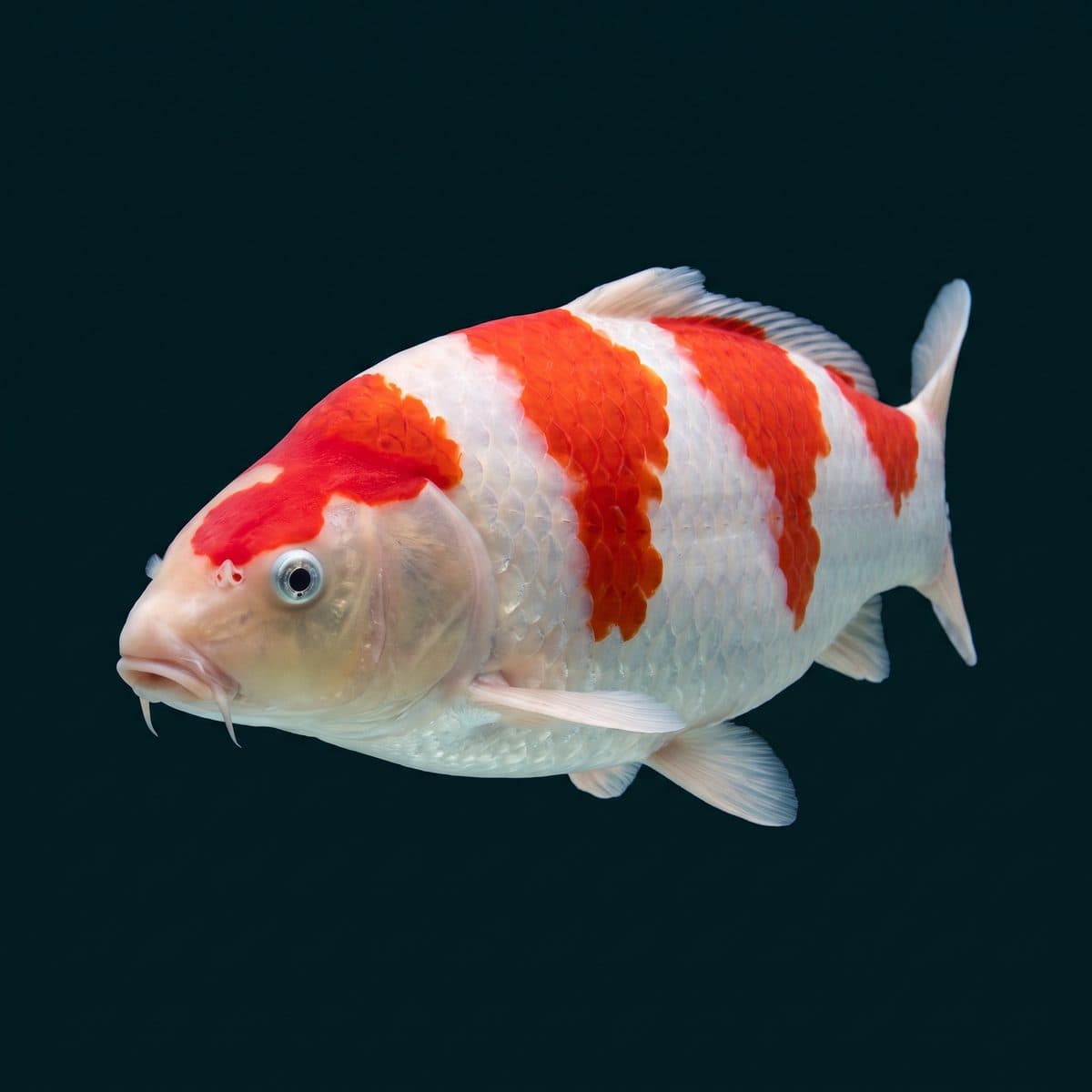
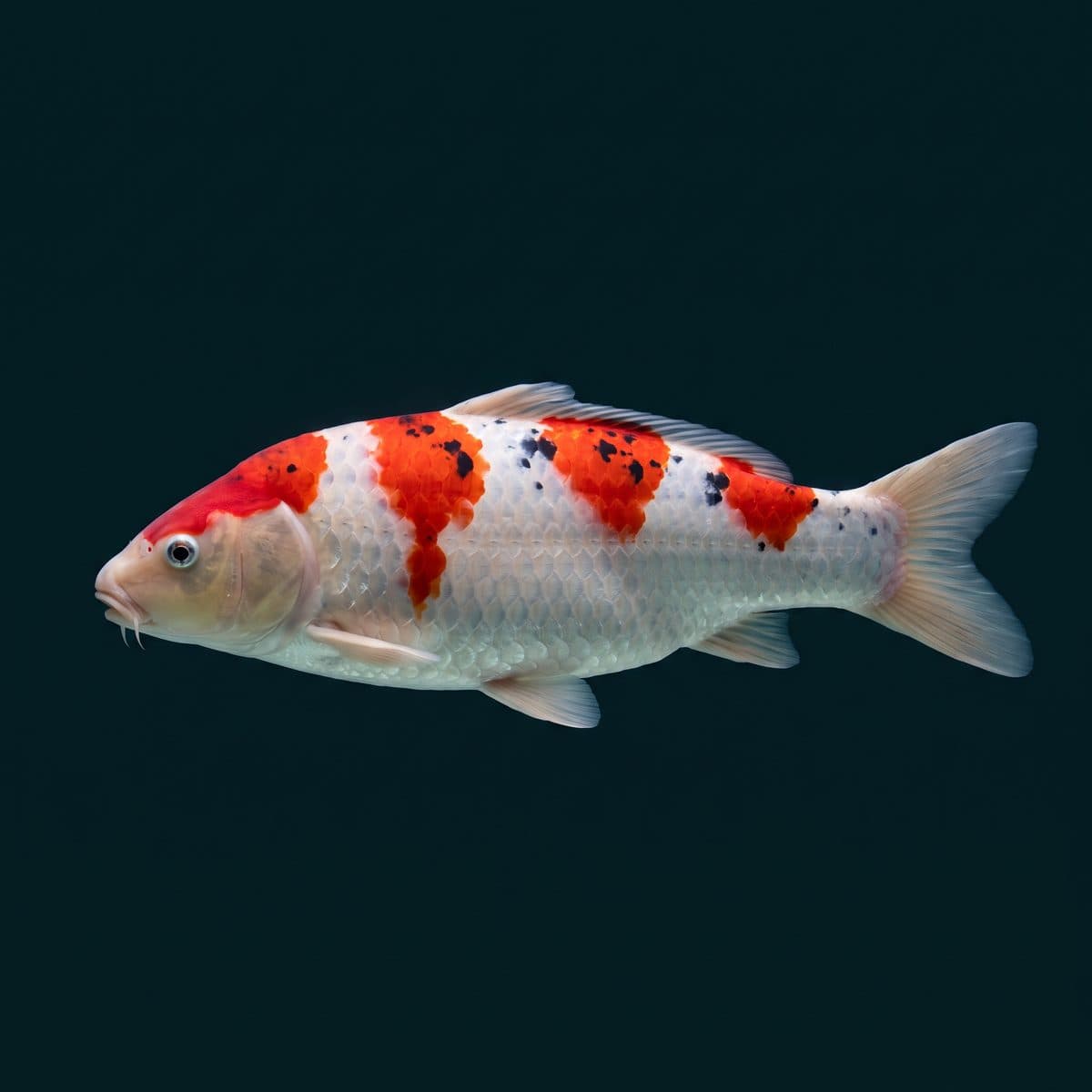
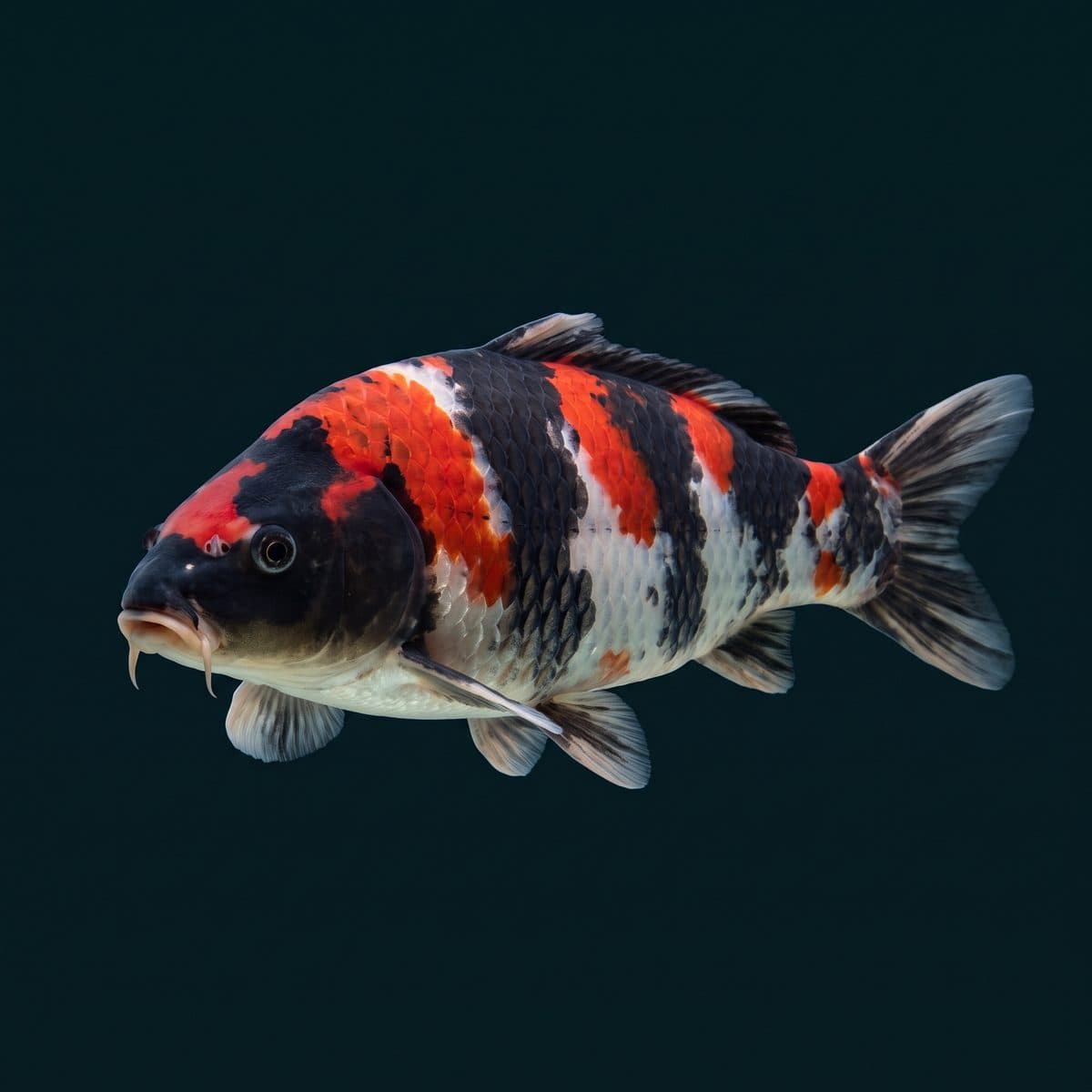
- Pattern: Well-balanced, aesthetically pleasing pattern. In Kohaku (white + red), the red patches should be evenly distributed with clean edges. In Sanke and Showa, the three-colour balance should be harmonious.
- Size: Use the largest, best-conditioned parent Koi available. Size indicates vigour, good genetics, and proper development.
Selecting for Specific Varieties
- Kohaku (white + red): Breed Kohaku × Kohaku for the highest percentage of quality Kohaku offspring. The female parent has more influence on pattern than the male.
- Sanke (white + red + black): Sanke × Sanke. Look for parents with small, scattered sumi (black) spots on the body (not on the head).
- Showa (black + red + white): Showa × Showa. The base colour is black, so strong sumi in parents is essential. Showa genetics are complex — offspring quality varies widely.
- Ogon (metallic single-colour): Ogon × Ogon for metallic offspring. Gold (Yamabuki Ogon) and platinum varieties are the most popular.
Cross-variety breeding (e.g., Kohaku × Showa) produces unpredictable results and is generally avoided by serious breeders.
Spawning Pond/Tank Setup
- Spawning pond: A dedicated 500–2,000 gallon pond or large stock tank separated from the main pond. Shallow (30–60 cm / 12–24 inches) with good aeration.
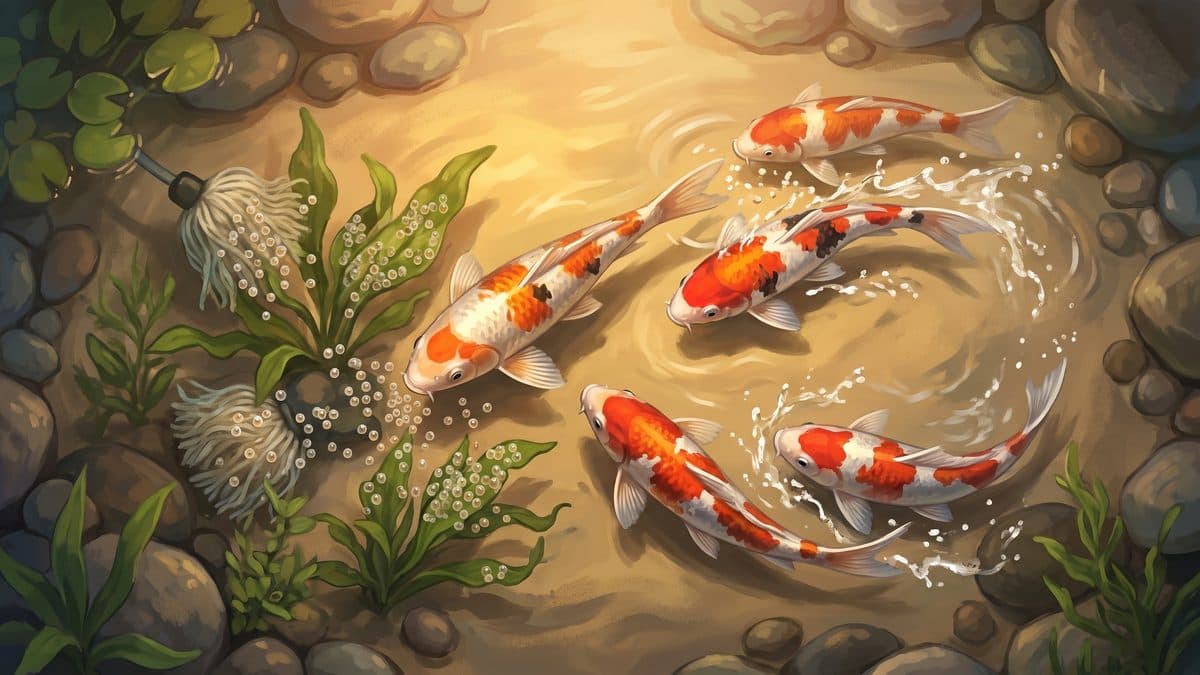
- Spawning media: Place spawning brushes (commercial nylon brush mats), spawning mops (frayed rope), or submerged plants (Hornwort, Water Hyacinth roots) throughout the pond. Koi scatter adhesive eggs that stick to these surfaces.
- Water quality: Fresh, well-aerated water. Temperature 65–72 °F (18–22 °C). Perform a large water change with slightly cooler water the day before placing the breeding group.
- Breeding group: Place one female with two or three males in the spawning pond in the evening. Spawning almost always occurs in the early morning hours (pre-dawn to shortly after sunrise).
Natural Spawning
Koi spawn naturally when water temperature consistently reaches 65–72 °F in spring. The spawning behaviour is vigorous and unmistakable:
- Males aggressively chase the female, nudging her flanks and belly to stimulate egg release.
- The female releases clouds of eggs over the spawning media while the males simultaneously release sperm (milt).
- Spawning lasts 2–6 hours, typically beginning before dawn.
- The water becomes cloudy from milt. A distinctive "spawning smell" (fishy, musky) is noticeable.
- After spawning, the adults will eat the eggs. Remove the adults or the spawning media immediately after spawning concludes.
A mature female can produce 100,000–500,000 eggs in a single spawning event. Not all will be fertilised, but even a 50 % fertilisation rate produces staggering numbers of embryos.
Egg Collection and Incubation
- Transfer spawning media (with attached eggs) to a separate hatching tank or pond within 2–3 hours of spawning. Or remove the adult Koi from the spawning pond.
- Hatch temperature: 68–72 °F (20–22 °C). Higher temperatures accelerate hatching but increase deformity risk.
- Aerate heavily — developing eggs have high oxygen demand. Multiple airstones positioned near (not directly on) the eggs.
- Add methylene blue (2–3 drops per gallon, enough to tint the water blue) to prevent fungal growth on unfertilised eggs. Remove any obviously white/fungused eggs daily.
- Eggs hatch in 4–7 days at 68 °F. Newly hatched larvae (4–5 mm) hang from surfaces and absorb their yolk sac for 2–3 days before becoming free-swimming.
Fry Rearing
- Days 1–3 (yolk sac): No feeding required. Larvae are attached to surfaces and cannot swim actively.
- Days 3–14: Free-swimming fry require microscopic first foods. Green water (Chlorella algae culture) is the traditional first food for Koi fry — it provides infusoria and microorganisms that the tiny fry can consume. Culture green water by placing pond water in a sunny container with a small amount of fertiliser 2 weeks before the expected hatch. Supplement with liquid fry food or freshly hatched BBS.
- Days 14–28: Transition to newly hatched brine shrimp as the primary food. Introduce finely crushed Koi pellets (powder consistency). Feed 4–5 times daily.
- Days 28–56: Crushed pellets, frozen daphnia, and frozen bloodworm. Feed 3–4 times daily. Fry should be 1–3 cm at this stage.
Maintain impeccable water quality in fry ponds/tanks: daily water changes (10–25 %), temperature stability, and aeration. Koi fry are hardier than many tropical fish fry but still vulnerable to ammonia spikes and temperature swings.
Culling for Quality
Culling is the defining process of Koi breeding. From thousands of fry, only a small percentage will develop patterns, colours, and body shapes worth keeping. Japanese breeders cull in three primary stages:
- First cull (4 weeks): Remove fry with obvious deformities (curved spines, missing fins, malformed mouths). Remove plain-coloured fry with no developing pattern. Retain fry showing any colour development or interesting pattern potential. This first cull typically removes 60–80 % of the population.
- Second cull (8 weeks): Patterns are becoming visible. Remove fry with undesirable colour distribution, bleeding pattern edges, or poor body shape. Select for the specific variety being bred (e.g., retain only fry showing clear Kohaku red-on-white patterning). This cull removes another 50–70 % of the remaining population.
- Third cull (12 weeks): Final quality selection. Retain only fry with strong, well-defined patterns, good body proportions, and promising colour intensity. The remaining fish (typically 1–5 % of the original hatch) are your keepers — the potential future breeding stock and sale-quality Koi.
Culled fry are not wasted — they can be rehomed as "pond-grade" Koi (affordable, healthy fish for garden ponds), donated to schools and institutions, or used as feeder fish (for those comfortable with this option). The culling process is uncomfortable for some breeders but is essential for maintaining and improving Koi quality. Without it, every generation degrades in pattern and colour.
Grow-Out to Sale Size
- 3–6 months: Selected Koi are 5–10 cm. Grow out in a dedicated pond or large tank with high-protein growth pellets, water temperature 68–77 °F (20–25 °C), and regular water changes.
- 6–12 months: Koi reach 10–20 cm — "tosai" (first-year) size. Colour and pattern continue to develop and may change significantly. Some Koi that looked promising at 12 weeks disappoint at 12 months, and vice versa.
- 12–24 months: "Nisai" (second-year). Koi are 20–35 cm and can be evaluated more reliably for long-term potential. This is the typical size for sale to hobbyists.
Koi breeding rewards patience. The best Koi take 3–5 years to reveal their full potential. Japanese Koi breeders say "raise them until they tell you what they want to be" — a philosophy of patient observation rather than premature judgment. For pond setup guidance, see our Koi pond setup guide.