Easy
Butterfly Koi
Cyprinus rubrofuscus
230,00 €Get a quote
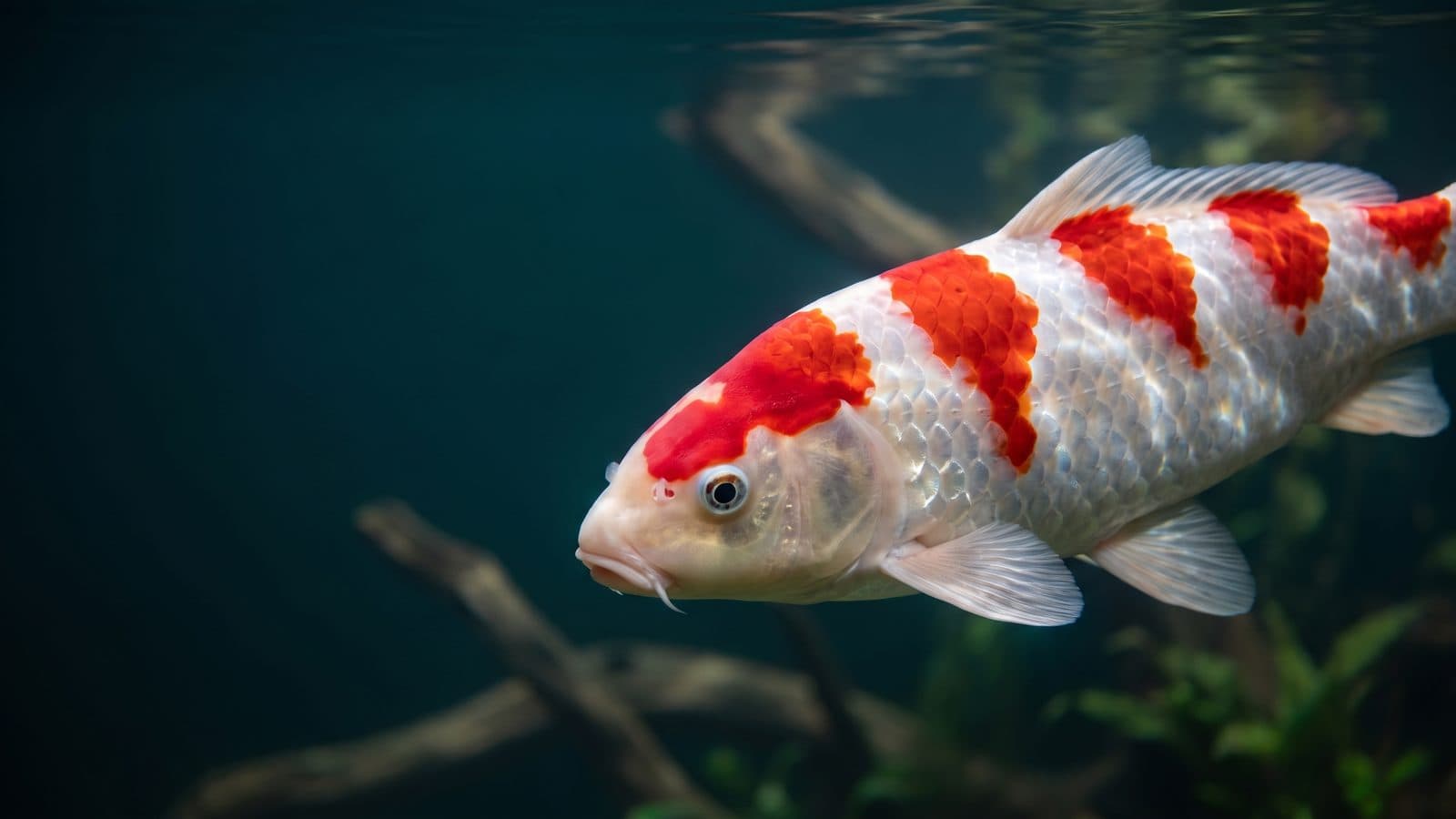
Living jewels of the pond world, koi represent centuries of Japanese breeding artistry. The Fish Collection sources certified Japanese-bred koi in championship varieties — Kohaku, Sanke, Showa, Butterfly, and Platinum Ogon — for collectors who demand excellence. 6 in stock now.
Showing 6 koï
Cyprinus rubrofuscus
Cyprinus rubrofuscus
Cyprinus rubrofuscus
Cyprinus rubrofuscus
Cyprinus rubrofuscus
Cyprinus rubrofuscus
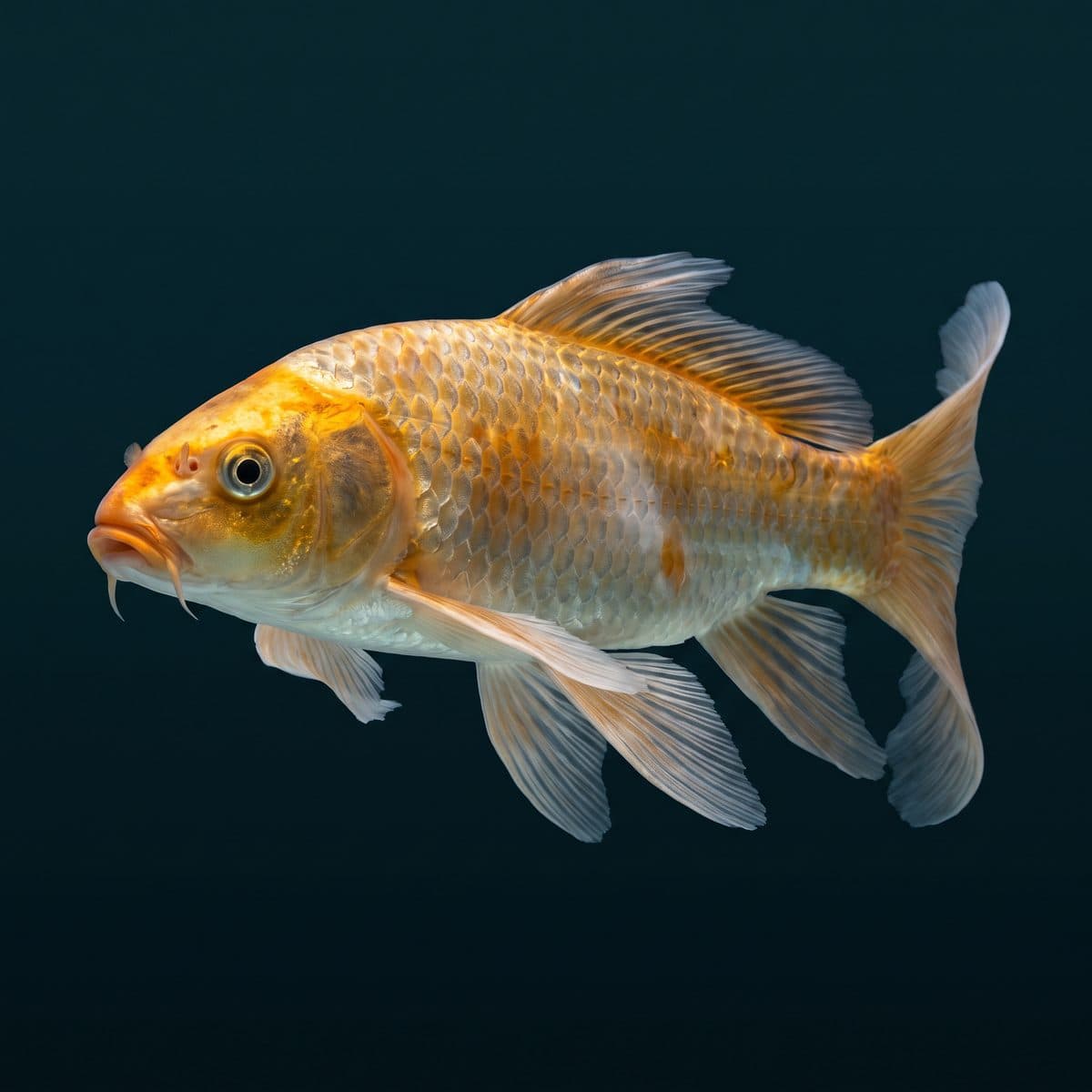
Koi (Nishikigoi) are far more than ornamental pond fish — they are living works of art, shaped by centuries of meticulous Japanese selective breeding into some of the most valuable and visually spectacular animals on Earth. A single championship-grade koi can command prices exceeding $200,000 at auction, and even quality hobbyist-grade specimens represent a meaningful investment in living beauty. If you are searching for koi fish for sale, understanding the varieties, grading criteria, and husbandry demands of these extraordinary fish is essential to making a purchase that will reward you for decades.
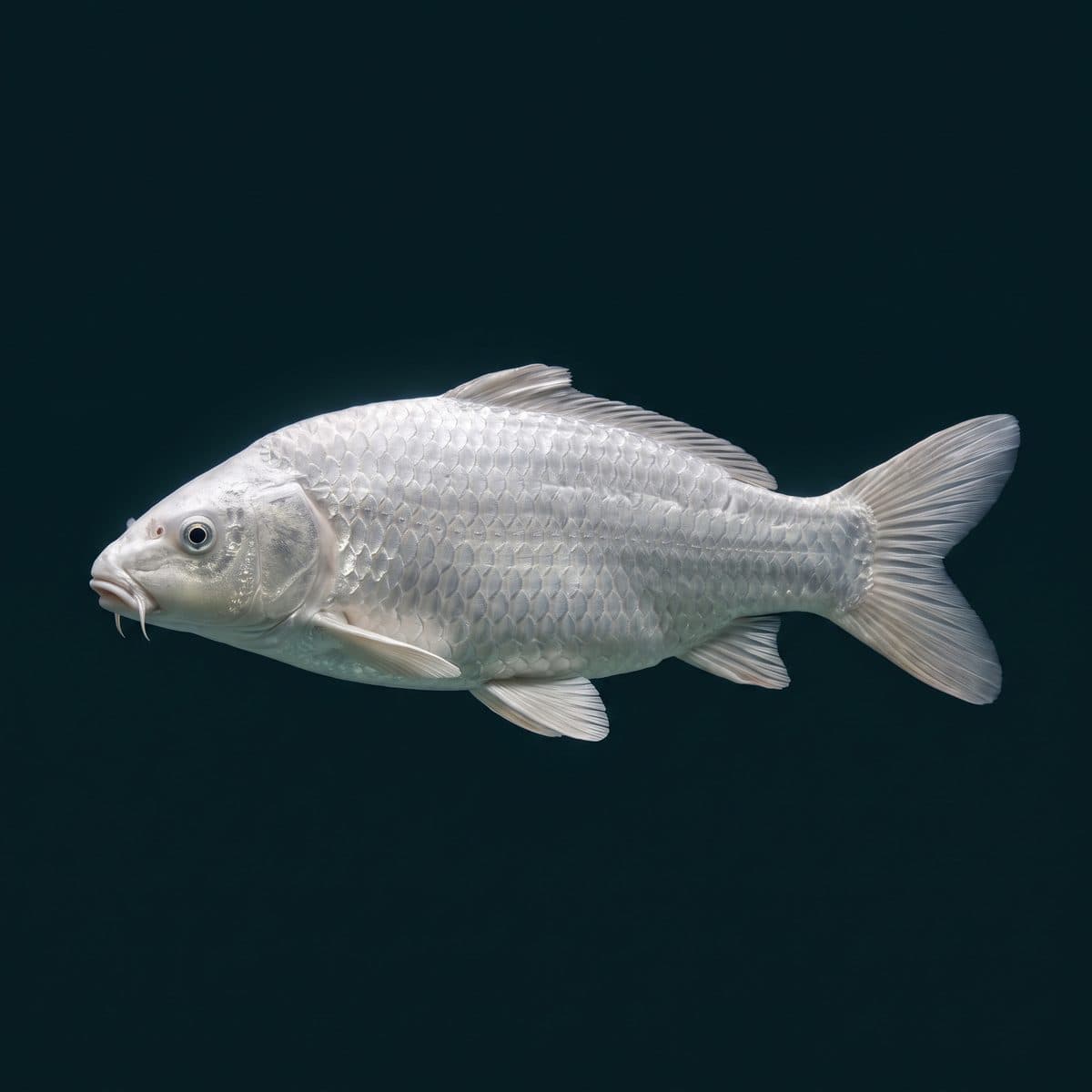
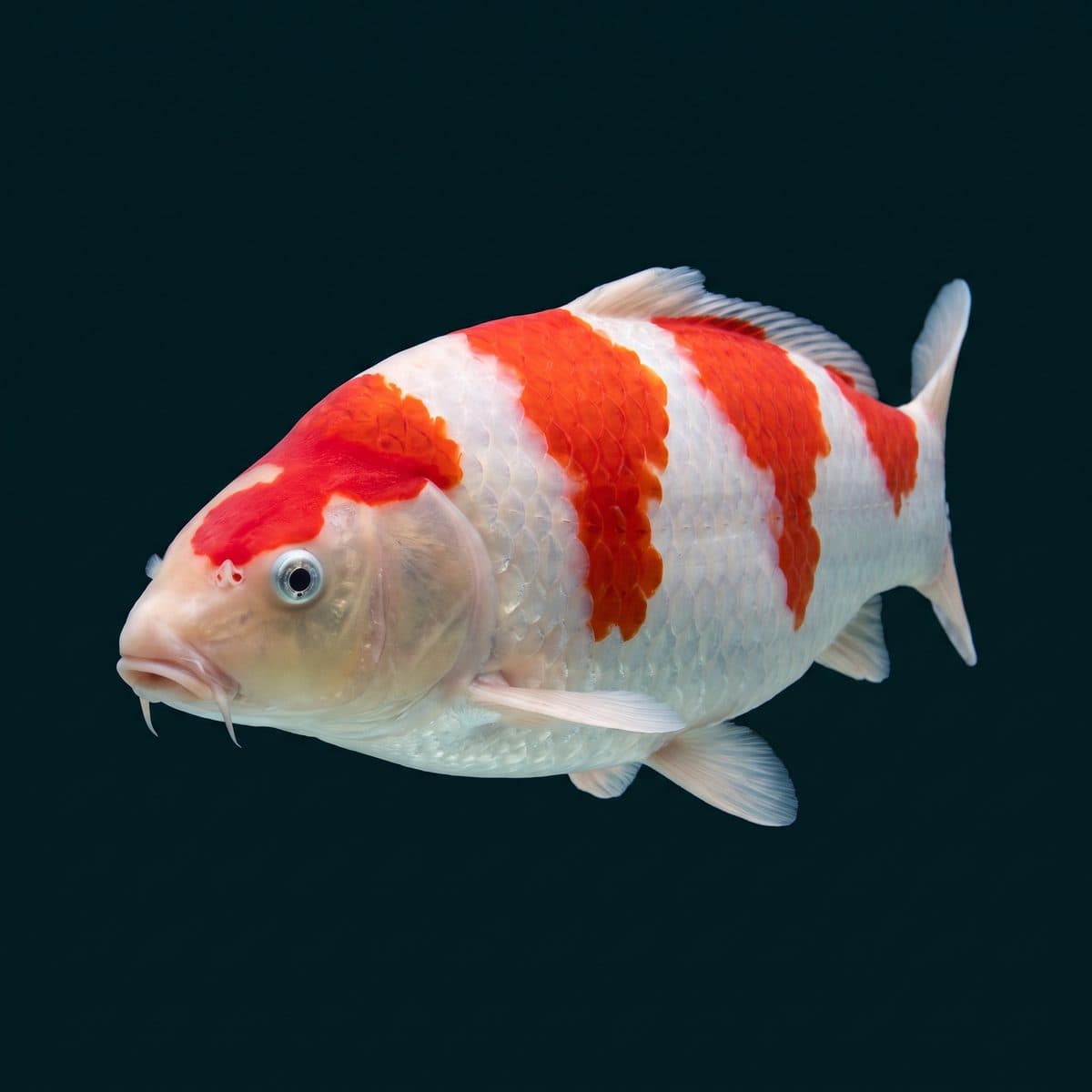
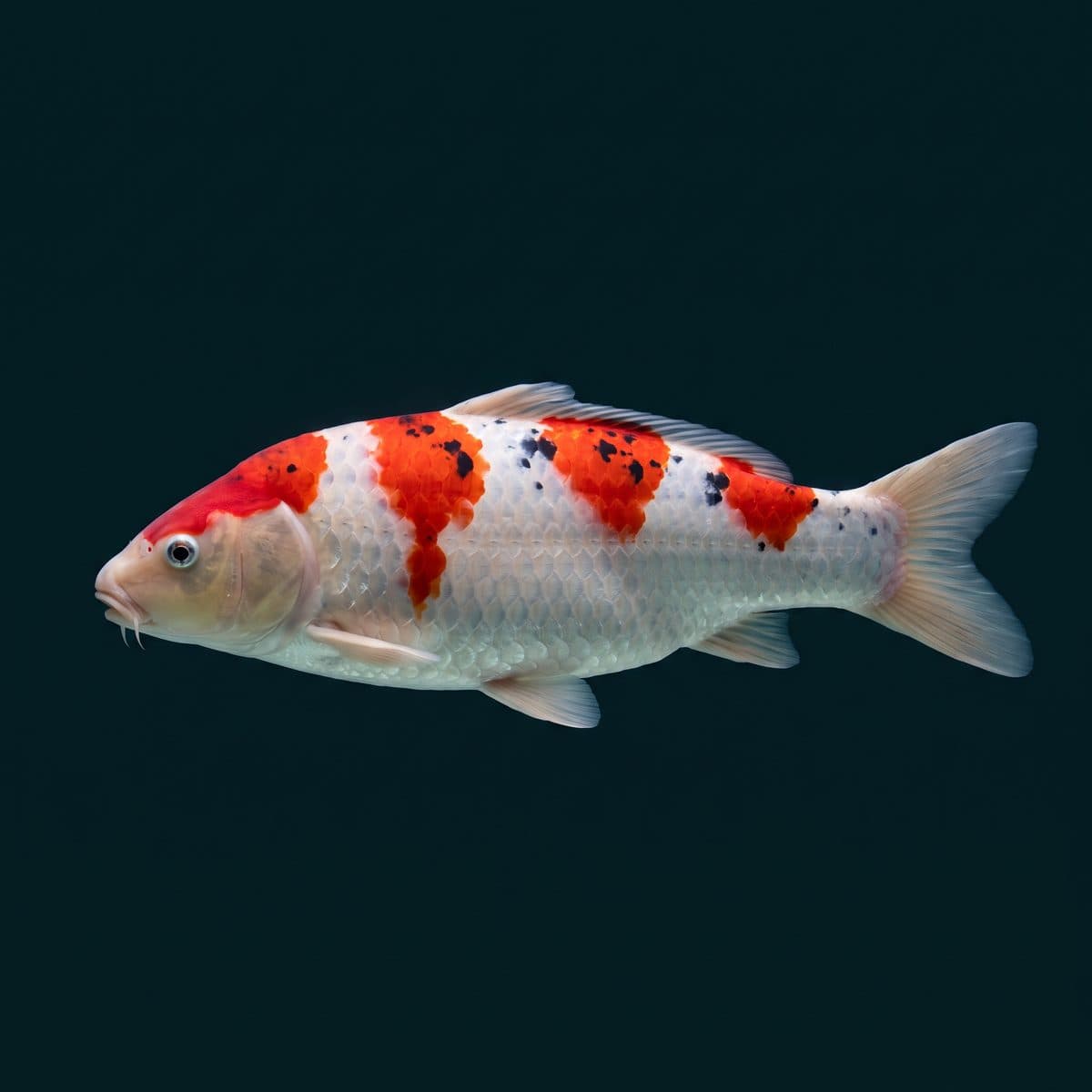
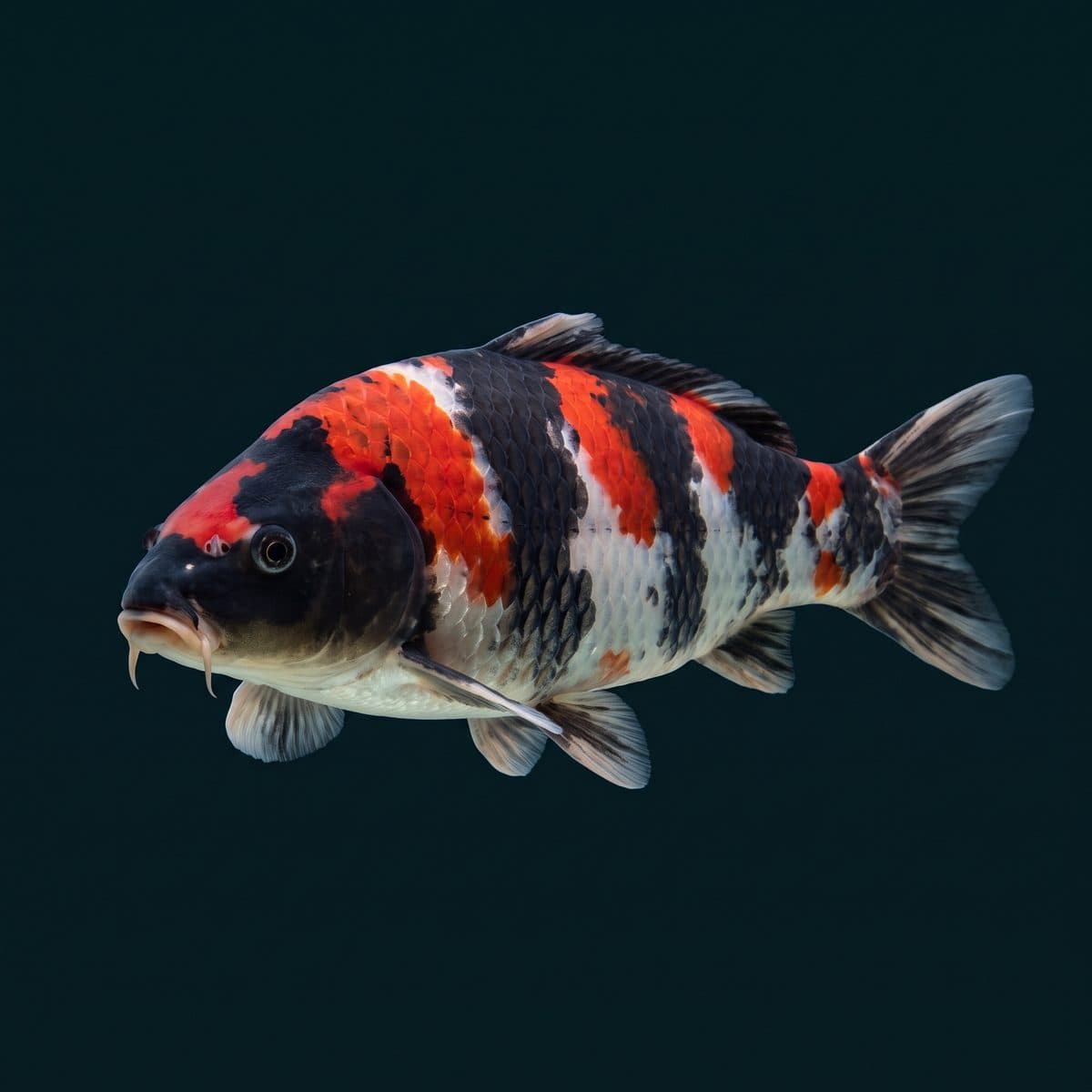
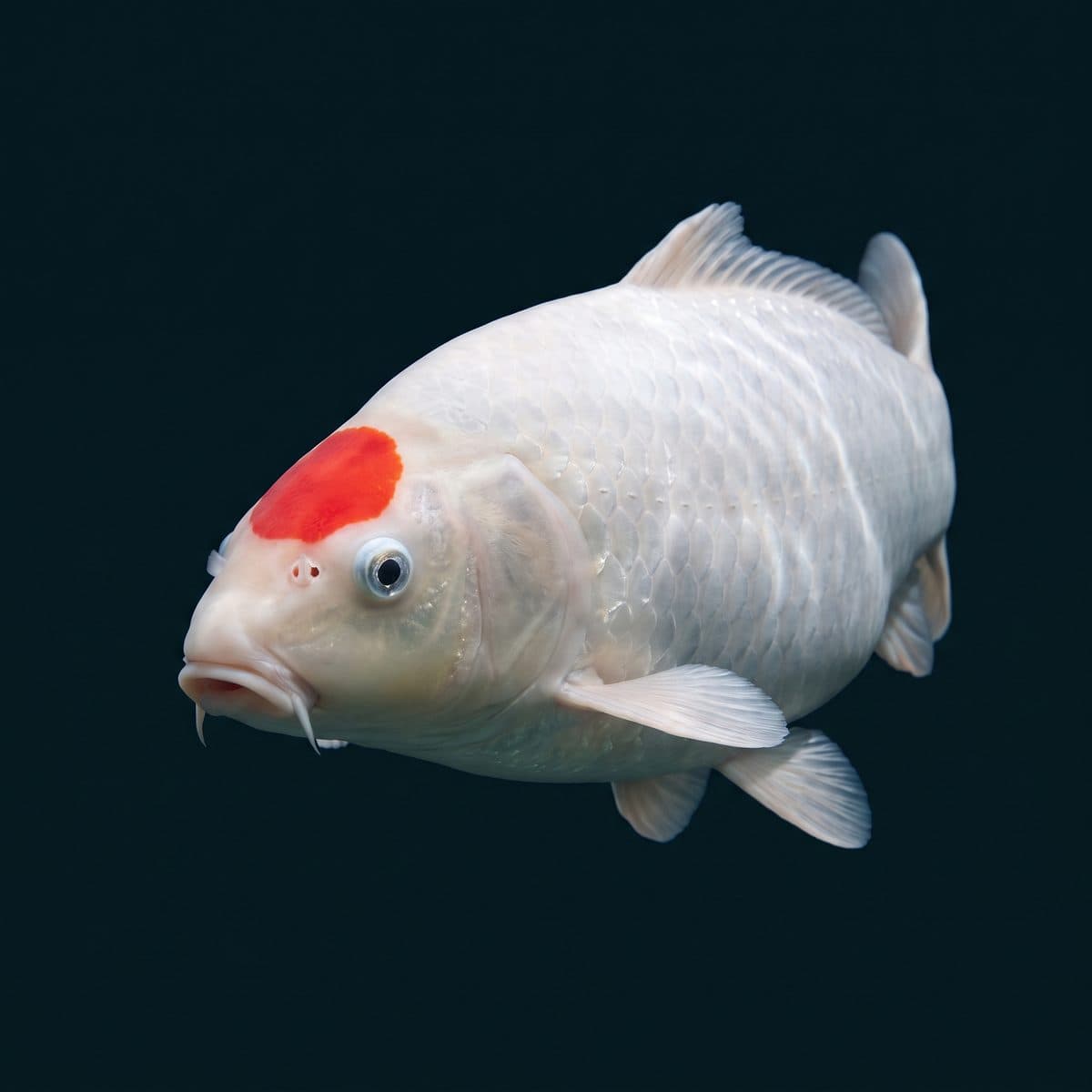
The world of koi classification is deep and nuanced, with over 100 recognised varieties grouped into a handful of major categories. Kohaku — white body with red (hi) patterns — is considered the foundation of koi keeping and the variety against which all others are measured. A great Kohaku possesses snow-white skin (shiroji), deep crimson red markings with razor-sharp edges (kiwa), and a balanced, elegant pattern. Taisho Sanke (Sanke) adds black (sumi) accents to the Kohaku pattern, creating a three-colour fish of extraordinary complexity. Showa Sanshoku (Showa) reverses the emphasis, presenting a predominantly black body with red and white markings. Butterfly Koi (Longfin) feature dramatically elongated, flowing fins that trail behind them like veils of silk — a modern development that divides traditionalists but captivates casual collectors. Platinum Ogon display a single, flawless metallic colour — typically brilliant silver-white or deep gold — that shimmers with every movement. Hikarimono (metallic) varieties, Utsurimono (black-based), and Kawarimono (non-metallic singles) round out a classification system that rewards a lifetime of study.
Unlike most aquarium species, high-quality koi appreciate in value over time. A young koi purchased for several hundred dollars from a reputable Japanese breeder can develop into a fish worth thousands as its colours mature and its pattern resolves. Championship koi are judged on body conformation (a torpedo-shaped, well-proportioned body), skin quality (lustrous, blemish-free skin is the foundation of all koi beauty), pattern balance and definition, colour depth and consistency, and overall elegance of movement. The best koi are bred by a handful of legendary Japanese farms — Dainichi, Sakai, Momotaro, Omosako — whose bloodlines are tracked across generations. Purchasing koi from certified Japanese breeders provides both aesthetic quality and the potential for meaningful appreciation in value as the fish matures.
Koi are pond fish, not aquarium fish. While juveniles can be temporarily housed in large indoor tanks, adult koi require a purpose-built pond of at least 1,000 gallons — and serious koi keepers typically maintain ponds of 3,000-10,000 gallons or more. Pond depth should be a minimum of 3-4 feet to provide temperature stability and protection from predators. Water temperature should be maintained between 65-75 degrees Fahrenheit for optimal colour development and health, though koi are cold-hardy fish that can survive winter temperatures near freezing provided the pond is deep enough and maintains adequate oxygen exchange. Water pH should range from 7.0-8.6, with stable KH (carbonate hardness) to buffer against pH swings. Filtration is paramount — koi produce substantial waste, and a pond filter system rated for at least twice the actual pond volume is the minimum standard. Many serious koi ponds employ multi-stage filtration with settlement chambers, biological media, and UV clarifiers.
Whether you intend to show your koi or simply want to understand what makes one fish superior to another, familiarity with judging criteria elevates the entire keeping experience. Judges evaluate body shape first — the ideal koi has a symmetrical, streamlined body that tapers evenly from head to tail, with no lumps, deformities, or disproportionate features. Skin quality comes next: the best koi have a luminous, almost translucent quality to their white skin and deep, even pigmentation in their coloured markings. Pattern is assessed for balance, originality, and the sharpness of colour boundaries (kiwa). Colour depth — particularly the richness of red (hi) and the intensity of black (sumi) — separates good koi from great ones. Finally, the fish's bearing and swimming elegance contribute to the overall impression. Understanding these criteria helps buyers select young koi with the greatest potential for future development.
The difference between a Japanese-bred koi and a mass-produced domestic koi is immediately visible to anyone who has seen both side by side. Japanese koi farms have refined their breeding programmes over centuries, selecting for skin quality, colour genetics, and body conformation with an intensity that domestic farms simply cannot replicate. Every koi offered through The Fish Collection is sourced from certified Japanese breeders with documented bloodlines. We provide breeder identification, variety classification, and growth potential assessment with every fish. Our koi are quarantined upon arrival, assessed for health and quality, and photographed individually so buyers can select the specific fish that speaks to them. We ship koi in oxygen-saturated, insulated containers designed for the unique demands of transporting large, valuable fish. Live arrival guaranteed — because a koi from The Fish Collection is not just a fish, it is an investment in living art.
Ressources d'experts
Guide de l'espèce
Cyprinus rubrofuscus
The Kohaku is the foundation variety of Nishikigoi and is universally regarded as the "King of Koi." A deceptively simple two-colour fish — white base with red markings — the Kohaku is the variety by which all koi appreciation begins and, for many lifelong hobbyists, where it ultimately returns. Mastering the evaluation of Kohaku pattern, skin quality, and body conformation is the gateway to understanding koi aesthetics at the highest level. This guide covers Kohaku history, pattern terminology, pond requirements, feeding for colour and growth, breeding, and the judging criteria that separate a pond fish from a Grand Champion.
Lire le guide →Guide de l'espèce
Cyprinus rubrofuscus
Koi (<em>Cyprinus rubrofuscus</em>), or Nishikigoi in their full Japanese designation, are ornamental carp bred over centuries into dozens of distinct varieties defined by colour, pattern, and scale type. From the classic Kohaku to the metallic Ogon, the tri-coloured Showa to the graceful Butterfly, koi offer a lifetime of aesthetic appreciation and horticultural challenge. This comprehensive guide covers all major koi varieties, pond design and filtration, water quality management, seasonal feeding protocols, breeding, health management, and overwintering — everything a keeper needs to build and maintain a world-class koi collection.
Lire le guide →Guide de l'espèce
Cyprinus rubrofuscus
The Taisho Sanke — universally shortened to Sanke — is one of the three most prestigious koi varieties (the Gosanke, alongside Kohaku and Showa Sanshoku). First developed in the Taisho era of Japan (1912–1926), the Sanke displays a tri-colour pattern of pure white (shiroji), deep red (hi), and jet black (sumi) that, when perfectly balanced, is considered among the most beautiful expressions in the koi world. Understanding Sanke pattern appreciation — what makes a good Sanke versus a great one — is central to koi connoisseurship.
Lire le guide →Guide d'entretien
A comprehensive guide to designing and building a koi pond, covering pond sizing, depth requirements, liner and construction options, multi-stage filtration, aeration, plumbing, aquatic plants, predator deterrents, and year-round seasonal maintenance.
Lire le guide →Guide d'entretien
A comprehensive guide to breeding Koi fish covering parent selection, pond preparation, natural spawning triggers, egg collection and incubation, fry rearing, the critical culling process for pattern and quality, and grow-out to sellable size.
Lire le guide →Guide d'entretien
A comprehensive care guide for koi (Cyprinus rubrofuscus, Nishikigoi), covering pond design, water quality management, seasonal feeding protocols, variety identification, breeding, and common diseases. Essential reading for both new pond keepers and experienced koi hobbyists.
Lire le guide →Continuer à explorer