
Easy
Leucistic Axolotl
Ambystoma mexicanum
à partir de 41,40 €Get a quote
Ambystoma mexicanum
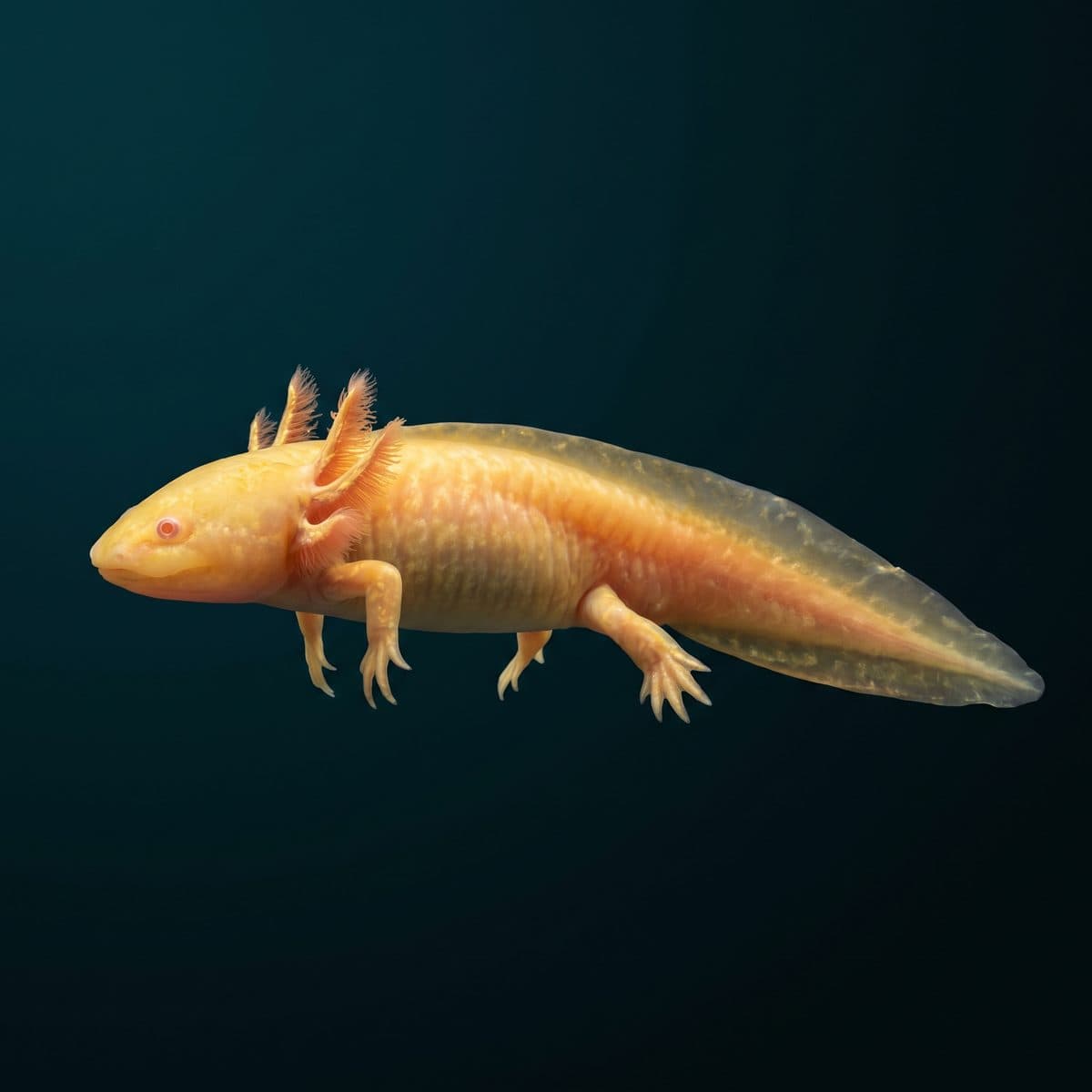
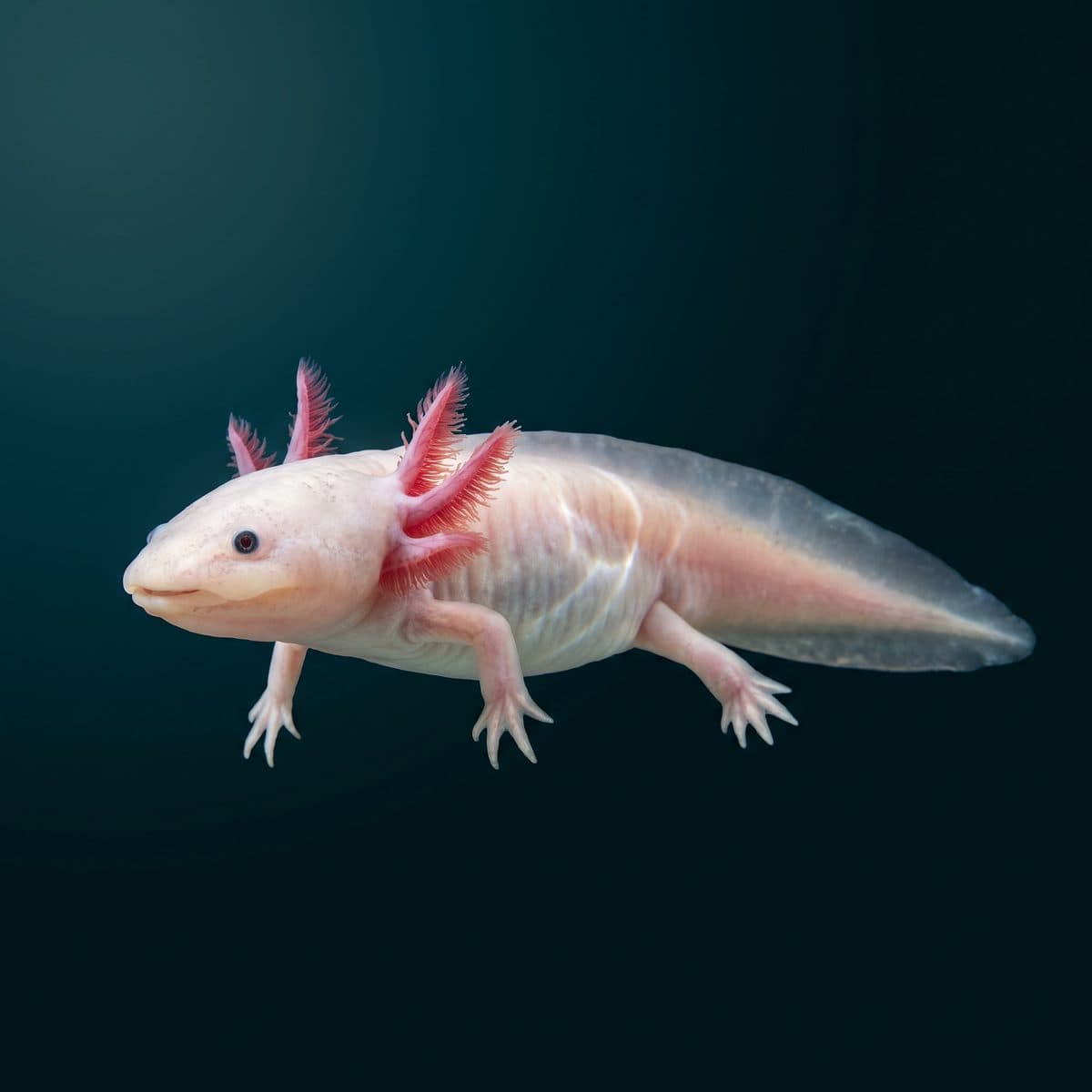
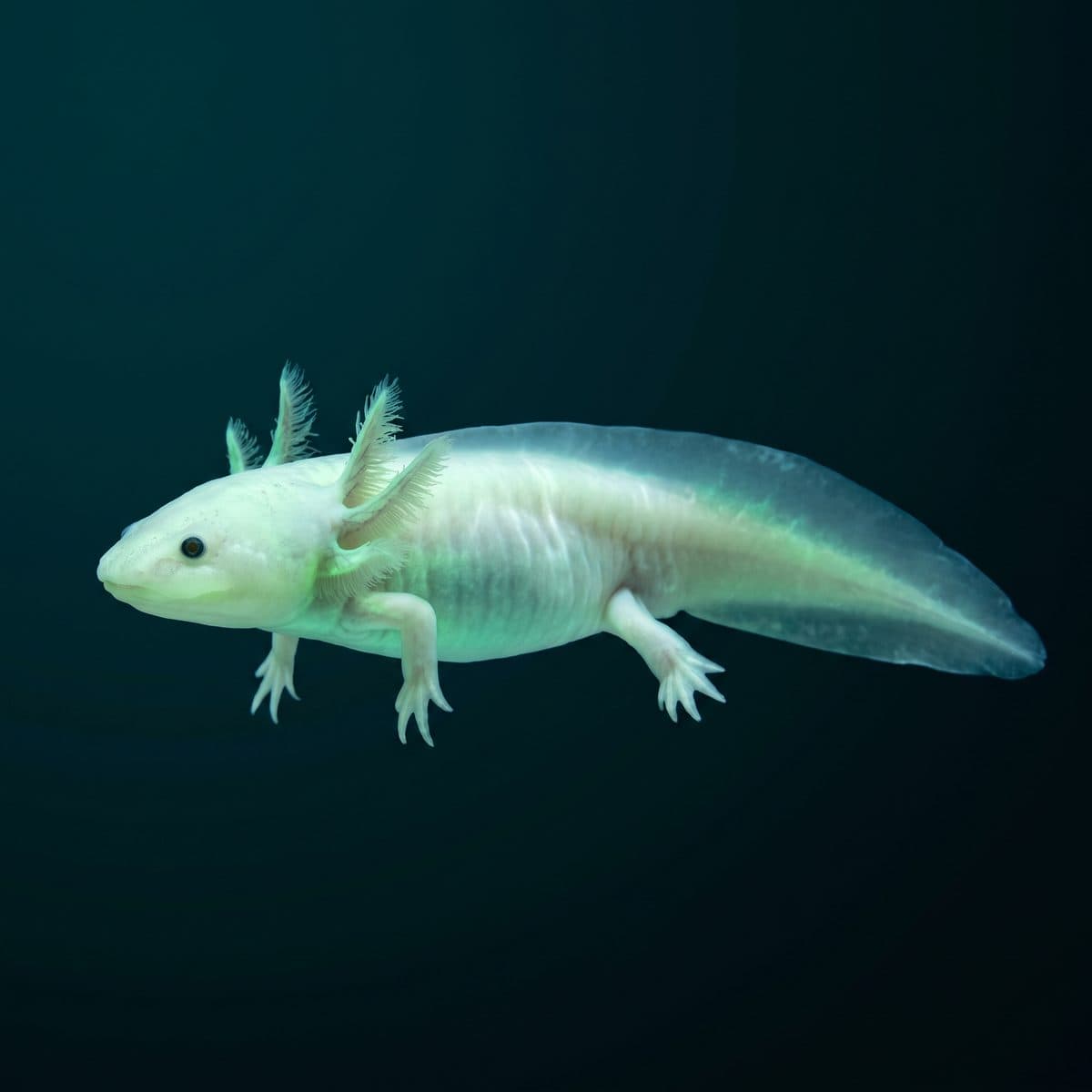
The GFP Leucistic Axolotl is the single most visually extraordinary variant of Ambystoma mexicanum available in the hobby — a leucistic axolotl that carries the Green Fluorescent Protein gene, causing it to emit an intense, ethereal green glow when exposed to blue or ultraviolet light. Under normal room lighting, this animal looks identical to a standard leucistic: pale pink-white body, dark expressive eyes, crimson gill filaments. But switch on a blue LED or UV lamp, and the transformation is immediate and breathtaking. The entire body — skin, gills, eyes, and even internal structures visible through the translucent skin — fluoresces a vivid, electric green that looks like something from science fiction. The Fish Collection sources our GFP Leucistic Axolotls from specialised breeders who maintain verified GFP-positive lines, ensuring every specimen we ship produces strong, consistent fluorescence.
Insulated, oxygen-packed transit · live-arrival guaranteed
Tank size
20+ gallons
Tempérament
Peaceful
Alimentation
Carnivore
Water
60–68°F · pH 6.5–8
Tell us what you're dreaming of — we'll reply with a price tailored to you.
Happy together
Not sure if this fish is right for you?
Our team will happily help you choose.
The GFP Leucistic Axolotl is the single most visually extraordinary variant of Ambystoma mexicanum available in the hobby — a leucistic axolotl that carries the Green Fluorescent Protein gene, causing it to emit an intense, ethereal green glow when exposed to blue or ultraviolet light. Under normal room lighting, this animal looks identical to a standard leucistic: pale pink-white body, dark expressive eyes, crimson gill filaments. But switch on a blue LED or UV lamp, and the transformation is immediate and breathtaking. The entire body — skin, gills, eyes, and even internal structures visible through the translucent skin — fluoresces a vivid, electric green that looks like something from science fiction. The Fish Collection sources our GFP Leucistic Axolotls from specialised breeders who maintain verified GFP-positive lines, ensuring every specimen we ship produces strong, consistent fluorescence.
The Green Fluorescent Protein was originally isolated from the jellyfish Aequorea victoria and has become one of the most important tools in modern molecular biology — its discoverers were awarded the Nobel Prize in Chemistry in 2008. In axolotls, the GFP gene was introduced into laboratory lines during the early 2000s as a research marker and has since been bred into captive populations available to hobbyists. The protein is expressed constitutively in all tissues, which is why the entire animal glows rather than just specific regions. The fluorescence is entirely harmless to the axolotl and has no effect on its health, behaviour, or lifespan — it is simply a visual trait that adds a spectacular dimension to an already remarkable animal.
To appreciate the GFP effect, you will need a blue LED light source in the 450 to 490 nanometre range or a standard blacklight UV lamp. Many aquarium LED fixtures now include a "moonlight" or "actinic" blue mode that works well. A dedicated GFP flashlight — available from scientific supply companies for under twenty dollars — provides the most intense fluorescence for photography and casual viewing. The effect is most dramatic in a darkened room, where the axolotl appears to glow as though lit from within. Under normal white light, the GFP is invisible, and the animal presents as a beautiful standard leucistic.
All care requirements are identical to non-GFP axolotls. Cold water between 60 and 68 degrees Fahrenheit, a 20-gallon long minimum, fine sand or bare-bottom substrate, gentle filtration, and a fully cycled tank. The GFP gene does not alter dietary needs, growth rate, or temperament in any way. Feed earthworms as the staple, supplement with pellets and frozen foods, and maintain pristine water quality through consistent weekly changes.
The GFP Leucistic Axolotl occupies a unique intersection of science, art, and nature. It is simultaneously a living connection to cutting-edge molecular biology, a genuinely beautiful aquarium animal, and a conversation starter unlike anything else in the hobby. Whether you keep the blue light on as a permanent feature or save it for special viewing sessions, the GFP axolotl delivers a sense of wonder that never diminishes. The Fish Collection ships all axolotls in insulated cold-pack containers with our live arrival guarantee.
Questions courantes
Ressources d'experts
Vous pourriez aussi aimer
à partir de 69 €
Indicative price