Axolotl Diet Overview
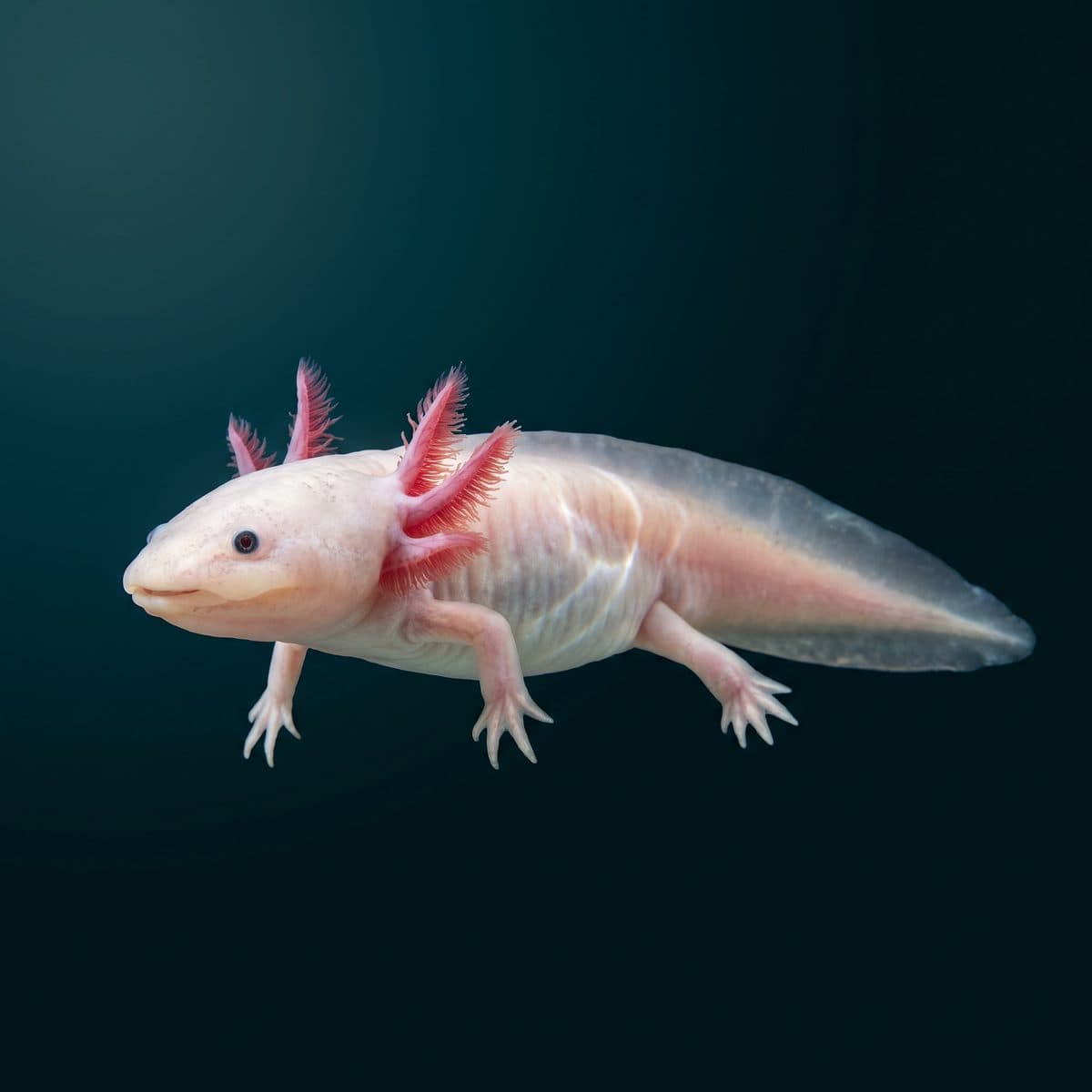
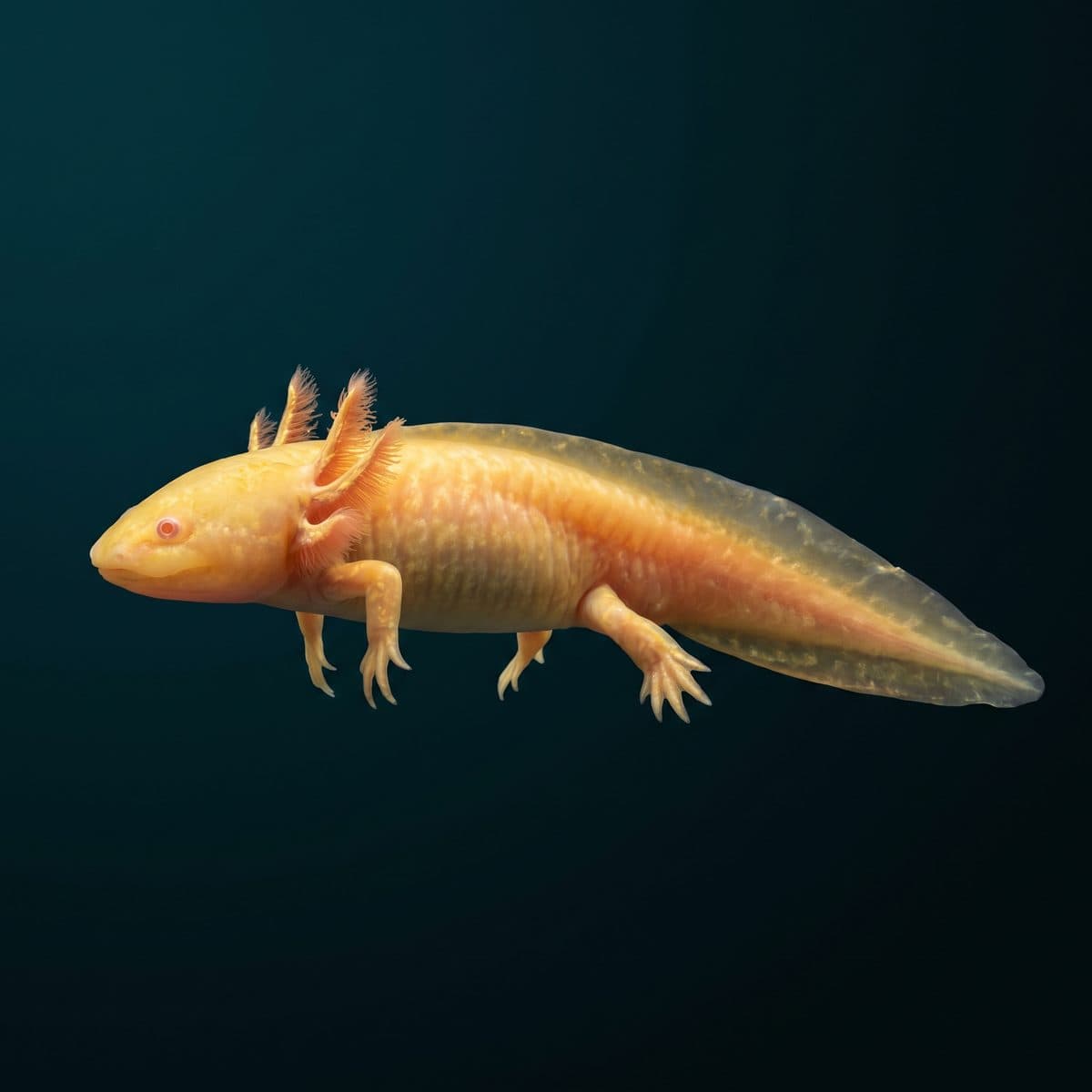
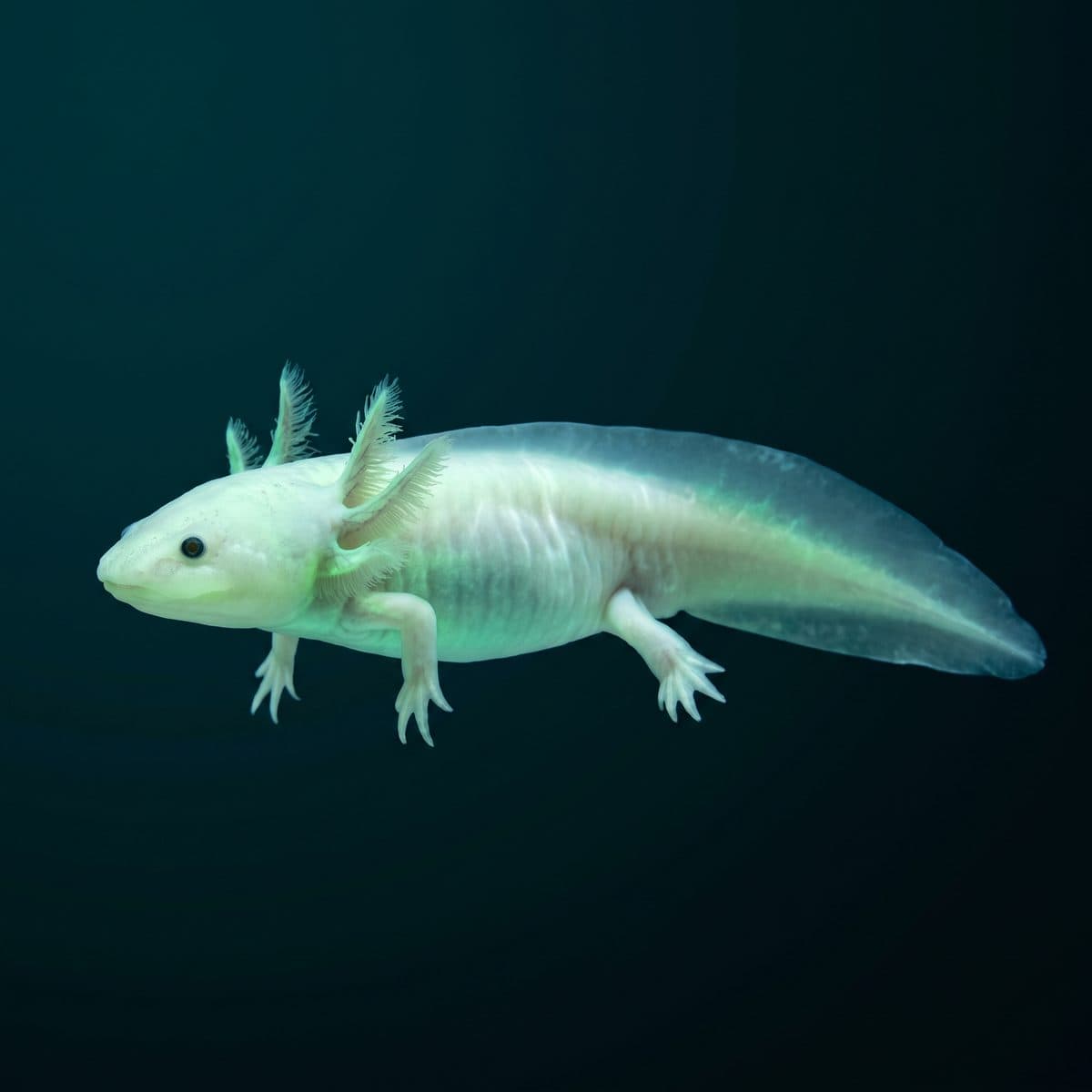
Axolotls are obligate carnivores. In the wild canals of Xochimilco, they feed on small fish, worms, insect larvae, crustaceans, and virtually any animal small enough to be sucked into their wide mouths. In captivity, replicating this diet is straightforward — but the majority of new axolotl owners still get it wrong, either by offering inappropriate foods, feeding too frequently, or relying on a single food source that creates nutritional gaps.
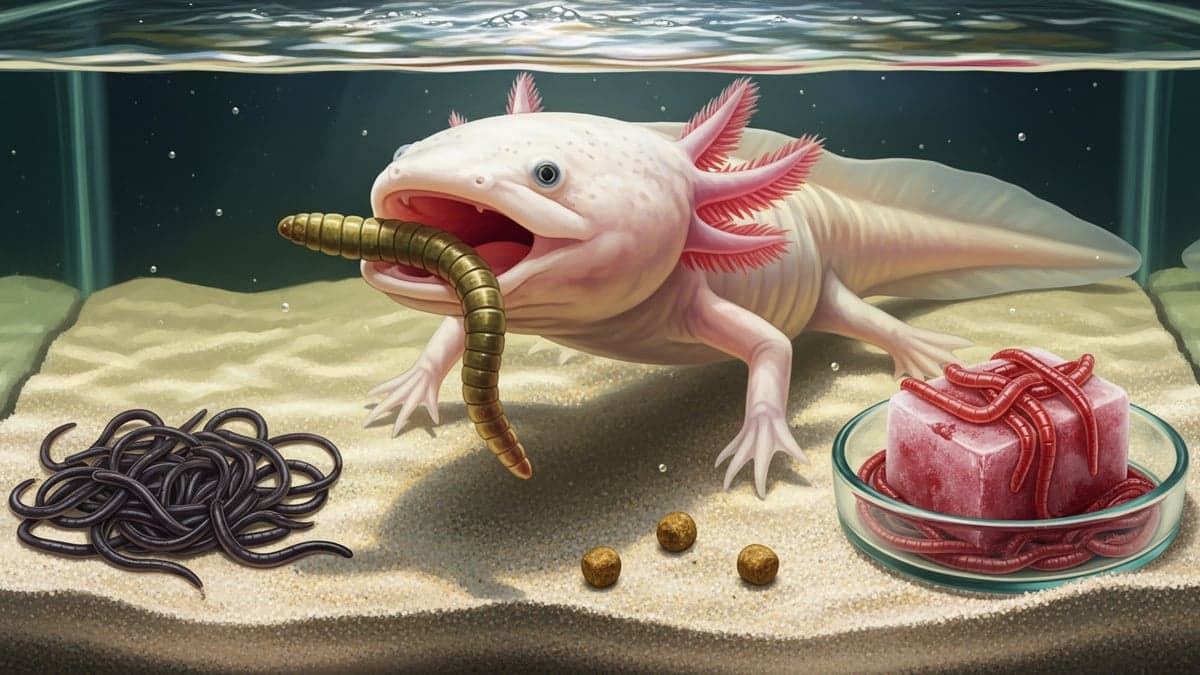
The feeding hierarchy for captive axolotls is simple: earthworms first, pellets second, everything else is a treat. Master this principle and your axolotl will maintain healthy weight, vibrant gill colour, and strong immune function for its full 10–15 year lifespan.
Earthworms: The #1 Staple Food
If you feed your axolotl nothing else, feed it earthworms. Nightcrawlers (Lumbricus terrestris) and red wigglers (Eisenia fetida) are nutritionally complete for axolotls — high in protein, appropriately fatty, rich in calcium, and soft-bodied for easy digestion. They are the single most recommended food in the axolotl-keeping community for good reason: decades of successful husbandry validate their effectiveness.
Nightcrawlers are the preferred species. They are larger (providing a more substantial meal per worm), less likely to produce bitter mucus when stressed (red wigglers occasionally secrete a foul-tasting coelomic fluid that can cause axolotls to spit them out), and universally available at bait shops, garden centres, and online suppliers.
Sourcing and Storing Earthworms
Purchase earthworms from pesticide-free sources. Bait shops and online worm farms are the safest options. Never collect wild earthworms from lawns or gardens that may have been treated with fertilisers, herbicides, or insecticides — these chemicals are lethal to axolotls.
Store earthworms in a ventilated container with damp (not wet) coconut coir or peat moss in the refrigerator at 4–10 °C (40–50 °F). They will remain alive and healthy for 2–4 weeks under these conditions. Remove any dead worms promptly — they decompose rapidly and foul the bedding.
Preparing Earthworms for Feeding
For adult axolotls (20+ cm), offer whole nightcrawlers. The axolotl will suck the worm in and swallow it whole — this is natural and safe. For juveniles and sub-adults, cut the worm into 1–2 cm pieces using sharp scissors. This prevents the animal from struggling with a worm that is too large and reduces the risk of regurgitation.
Rinse earthworms briefly under dechlorinated water before feeding to remove any bedding material. Do not soak them — they will drown.
Sinking Carnivore Pellets
Sinking carnivore pellets are the best alternative to earthworms and serve as an excellent secondary staple. Hikari Sinking Carnivore Pellets are the most widely used brand in axolotl husbandry — they are protein-rich, appropriately sized, and sink immediately (axolotls will not eat floating food).
Pellets are particularly useful for:
- Convenience: When you cannot source fresh earthworms, pellets provide complete nutrition without refrigeration or live-food maintenance.
- Juvenile feeding: Small pellets are easier for juvenile axolotls to manage than worm pieces.
- Holiday feeding: If a pet sitter is providing care, pellets are far simpler to portion and offer than live worms.
- Supplementation: Alternating pellets with earthworms provides dietary variety.
Offer 2–3 pellets per feeding session for adults, adjusting based on the individual's appetite and body condition. Remove uneaten pellets after 30 minutes — they decompose and foul the water.
Treats and Supplemental Foods
Bloodworms
Frozen bloodworms (chironomid larvae) are an excellent treat food, particularly for juvenile axolotls. They are high in protein and irresistible to most axolotls. However, bloodworms are not nutritionally complete — they lack sufficient calcium and vitamins for long-term sole feeding. Use them as a treat, not a staple, offering 1–2 cubes per session once or twice weekly.
Freeze-dried bloodworms are inferior to frozen — they contain less nutrition, float (axolotls feed from the bottom), and can cause constipation if not pre-soaked. Always prefer frozen over freeze-dried.
Brine Shrimp
Frozen brine shrimp are useful primarily for juvenile axolotls (under 5 cm) that are too small for worm pieces or pellets. Newly hatched brine shrimp (nauplii) are the first food for axolotl larvae and remain a suitable supplement through the juvenile stage. Adults will eat brine shrimp but derive minimal nutritional benefit — the prey items are simply too small relative to the animal's size.
Other Occasional Treats
- Daphnia: Excellent for juveniles. Live daphnia trigger hunting behaviour and provide roughage. Available from aquarium shops or easily cultured at home.
- Blackworms (Lumbriculus variegatus): Small, wriggling worms that axolotls love. Highly nutritious and easy to maintain in a shallow container of dechlorinated water. A superior alternative to bloodworms for regular supplementation.
- Raw lean shrimp: De-shelled, de-veined prawn from the fishmonger, cut into small pieces. Offer sparingly — higher in protein and lower in fat than earthworms.
- Repashy Grub Pie: A gel food made from insect meal. Can be moulded into small pieces and sinks readily. Useful for dietary variety.
Feeding Frequency by Life Stage
Axolotl metabolism is slow compared to tropical fish, and overfeeding is a more common problem than underfeeding. Follow these guidelines:
- Hatchlings (0–2 cm): Daily feedings of live brine shrimp nauplii or microworms. At this size, the animals are growing rapidly and need constant nutrition.
- Juveniles (2–10 cm): Feed daily. Offer bloodworm cubes, small pellets, chopped earthworm, or blackworms. Portions should be consumed within 1–2 minutes.
- Sub-adults (10–20 cm): Feed every other day. Transition to whole or halved earthworms and larger pellets. The animal's growth rate slows and daily feeding risks obesity.
- Adults (20+ cm): Feed every 2–3 days. Offer 1–2 whole earthworms or 2–3 pellets per session. A healthy adult axolotl should have a body width roughly equal to or slightly wider than its head — if the belly is visibly distended or the animal is developing a "double chin," reduce frequency.
These are guidelines, not rules. Adjust based on the individual animal's body condition, activity level, and water temperature (colder water = slower metabolism = less food needed).
How to Feed: Tong-Feeding Technique
Axolotls have poor eyesight and locate prey primarily through motion detection via their lateral line system and through scent. Simply dropping food into the tank and hoping the axolotl finds it is inefficient — the animal may not locate the food before it begins to decompose, fouling the water.
Tong-feeding is the standard method:
- Use blunt-tipped stainless-steel feeding tongs or long aquarium tweezers (20–30 cm). Never use sharp-tipped forceps — a startled axolotl can lunge and injure itself.
- Hold the food (earthworm, pellet, bloodworm cube) in the tongs and lower it slowly to within 2–3 cm of the axolotl's face.
- Wiggle the food gently to create movement. The axolotl will detect the motion via its lateral line and snap forward to suction-feed.
- Release the food as the axolotl strikes. Do not pull back — the animal's suction is powerful enough to take the food from loose tongs.
Tong-feeding allows precise portion control, prevents food waste, and builds a strong keeper–animal bond. Most axolotls learn to associate the tongs with food within a week and will approach eagerly when they see them.
Foods to Avoid
The following foods should never be offered to axolotls:
- Feeder fish (goldfish, minnows, guppies): Feeder fish carry parasites, bacteria, and diseases. They also contain thiaminase (an enzyme that destroys vitamin B1) and are far too bony for axolotl digestion. The risk-to-benefit ratio is catastrophically unfavourable.
- Hard-shelled prey (snails, crayfish, beetles): Axolotls lack the jaw strength to crush hard shells. Ingested shell fragments cause impaction and internal lacerations. The "but they eat snails in the wild" argument ignores that wild axolotls eat thin-shelled pond snails — not aquarium nerites or mystery snails.
- Mealworms and superworms: Their chitinous exoskeleton is difficult to digest and can cause impaction. The head segment of live mealworms can also bite the axolotl's digestive tract internally.
- Processed human food: Chicken, beef, pork, cheese — none of these belong in an axolotl tank. They are nutritionally inappropriate, foul the water rapidly, and can introduce harmful preservatives.
- Freeze-dried krill: Expands in the stomach when rehydrated, causing bloating and potential intestinal blockage. Avoid entirely.
- Flake food: Floats on the surface (axolotls are bottom feeders), provides inadequate nutrition, and dissolves into a water-fouling mess.
Nutritional Requirements
Axolotls require a diet high in animal protein (40–50 % dry weight) with moderate fat content (10–15 %). They have no requirement for plant-based material — they are strict carnivores. Key nutritional considerations:
- Protein: The primary macronutrient. Earthworms provide approximately 60 % protein (dry weight), making them nutritionally ideal.
- Calcium: Essential for bone development, gill structure, and egg production in females. Earthworms are calcium-rich; pellets are typically calcium-supplemented. If feeding primarily soft foods, consider occasional dusting with a reptile calcium supplement (without vitamin D3).
- Vitamins A and D: Necessary for immune function and calcium metabolism. A varied diet of earthworms plus pellets typically provides sufficient quantities.
- Fat: Moderate fat supports energy reserves and organ health. Overfeeding high-fat foods (bloodworms) can cause hepatic lipidosis (fatty liver disease) in axolotls — another reason to use them as treats, not staples.
Common Feeding Problems and Solutions
- Axolotl refuses to eat: Check water temperature first — if above 68 °F (20 °C), the animal is likely heat-stressed. Also verify ammonia and nitrite are at 0 ppm. New axolotls may refuse food for 3–7 days after arrival due to transport stress. Offer food daily but do not force — appetite will return once the animal acclimates.
- Axolotl regurgitates food: The food item is too large. Cut worms into smaller pieces. Regurgitation can also indicate gastrointestinal issues if it occurs repeatedly with appropriately sized food — consult a veterinarian experienced with amphibians.
- Floating / buoyancy issues after feeding: The axolotl has swallowed air. This occasionally happens during suction feeding at the surface. It typically resolves within 24 hours. If persistent, feed underwater using tongs to prevent surface-level air gulping.
- Obesity: Reduce feeding frequency and portion size. An overweight axolotl has a visibly distended belly and may develop fatty deposits around the neck. Skip 2–3 feeding sessions, then resume at a reduced schedule.