Expert
2 left
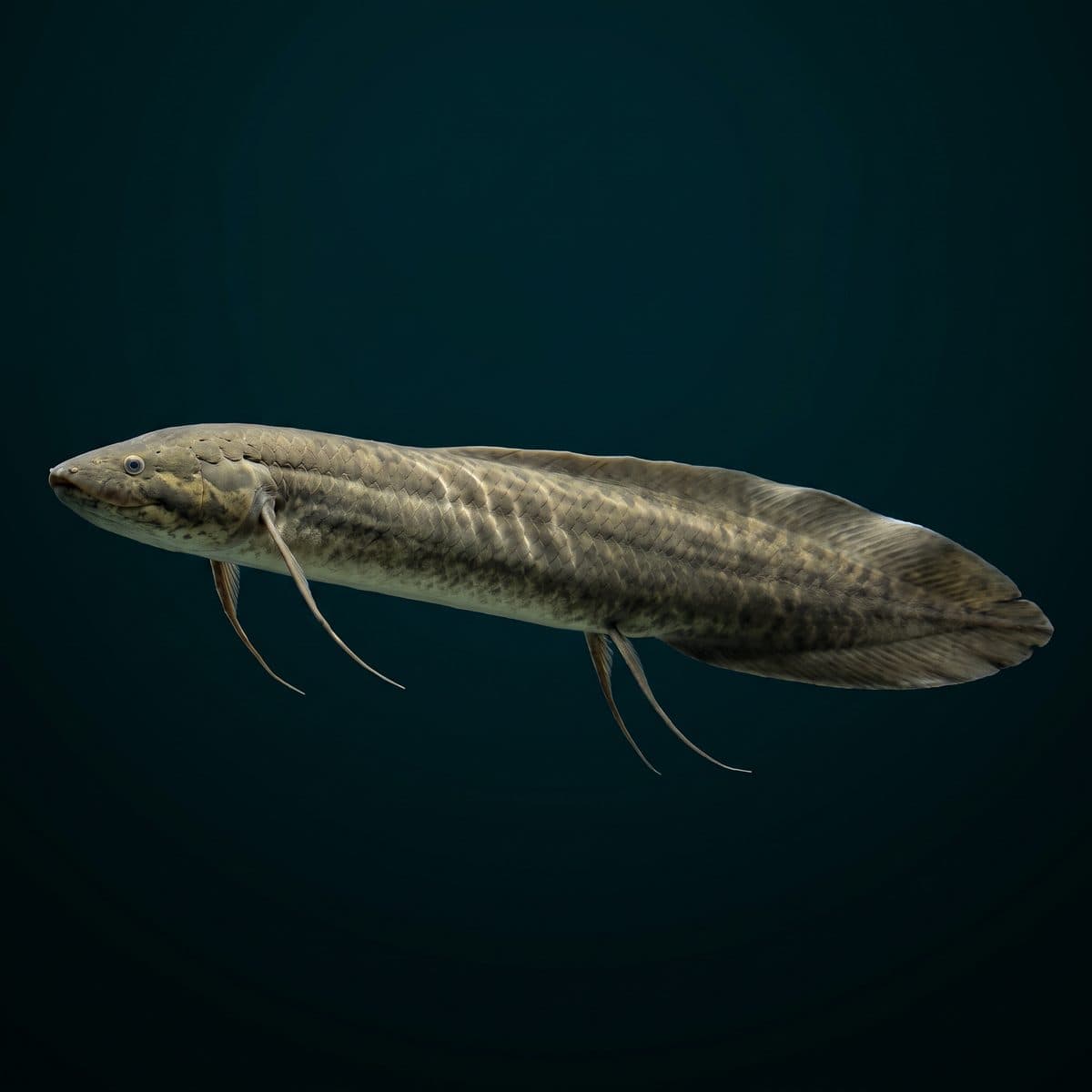
Lungfish
Protopterus annectens
184,00 €Get a quote
Freshwater eels and eel-like fish add a dimension of mystery to any aquarium. From the Fire Eel to the Tire Track Eel, these serpentine species are among the most captivating predators available. 5 in stock now.
There is something primal about keeping an eel — their serpentine bodies, partially buried in substrate with only their alert eyes visible, invoke a sense of hidden danger and ancient mystery that no other aquarium fish can replicate. The freshwater and brackish "eels" kept in aquariums span several unrelated families but share a common allure: elongated, sinuous bodies designed for ambush predation and a nocturnal, secretive lifestyle that rewards patient keepers. If you are interested in eel fish for sale, understanding the true identity and requirements of these fascinating animals is the first step toward a successful setup.
An important distinction for buyers: most aquarium "eels" are not true eels at all. True freshwater eels of the family Anguillidae (such as the European and American eels) are catadromous — they breed in the ocean and migrate to freshwater — and are rarely suitable for aquariums long-term. What the hobby calls "eels" are predominantly spiny eels of the family Mastacembelidae, including the spectacular Fire Eel (Mastacembelus erythrotaenia), the patterned Tire Track Eel (Mastacembelus armatus), and the compact Peacock Eel (Macrognathus siamensis). These are not related to true eels but share the elongated body form. Other eel-like aquarium fish include Ropefish (Erpetoichthys calabaricus), which are actually bichir relatives, and various species of moray eels that can adapt to brackish or freshwater conditions.
Eels and eel-shaped fish are susceptible to shipping stress and skin infections, so careful evaluation is important. Look for a well-rounded body — spiny eels in particular show condition loss quickly, and a visibly thin or bony specimen is difficult to recover. The skin should be smooth and free of reddish patches, ulcers, or cottony growth. Eyes should be clear and responsive. A healthy eel will be alert to movement near the tank and may retreat into its hiding spot when approached, which is normal defensive behaviour — lethargy or floating at the surface is not. Ask the seller what the eel has been eating; eels that are already accepting frozen foods are much easier to maintain than those that will only take live prey.
Nearly all aquarium eels are escape artists of remarkable ability. A tightly sealed lid with no gaps larger than a pencil diameter is absolutely essential — eels can and will exploit any opening, and a dried-out eel found on the floor is one of the hobby's most common tragedies. Substrate should be fine sand for species that burrow (most spiny eels spend their days partially buried). Provide PVC pipe sections, driftwood tangles, and dense vegetation for shelter. Tank size depends on species: Peacock Eels can live in 40 gallons, Fire Eels need 125 gallons or more as adults (they reach 36-40 inches), and Tire Track Eels are similar in their space requirements. Water should be warm (75-82 degrees Fahrenheit), slightly acidic to neutral, and well-filtered with moderate current.
We take particular care with our eel and eel-shaped fish offerings because these animals are especially vulnerable during shipping. Every specimen is quarantined in species-appropriate setups with fine sand substrate and ample hiding structure to minimise stress. We transition all eels onto frozen bloodworms, shrimp, and other prepared foods before listing — you will never receive a fish from The Fish Collection that has not demonstrated a reliable feeding response. Our packaging for eels includes sealed containers with no escape potential and extra insulation for temperature stability. Live arrival guaranteed, with detailed acclimation and escape-proofing instructions included in every shipment.
Recursos Expertos
Guia de Especie
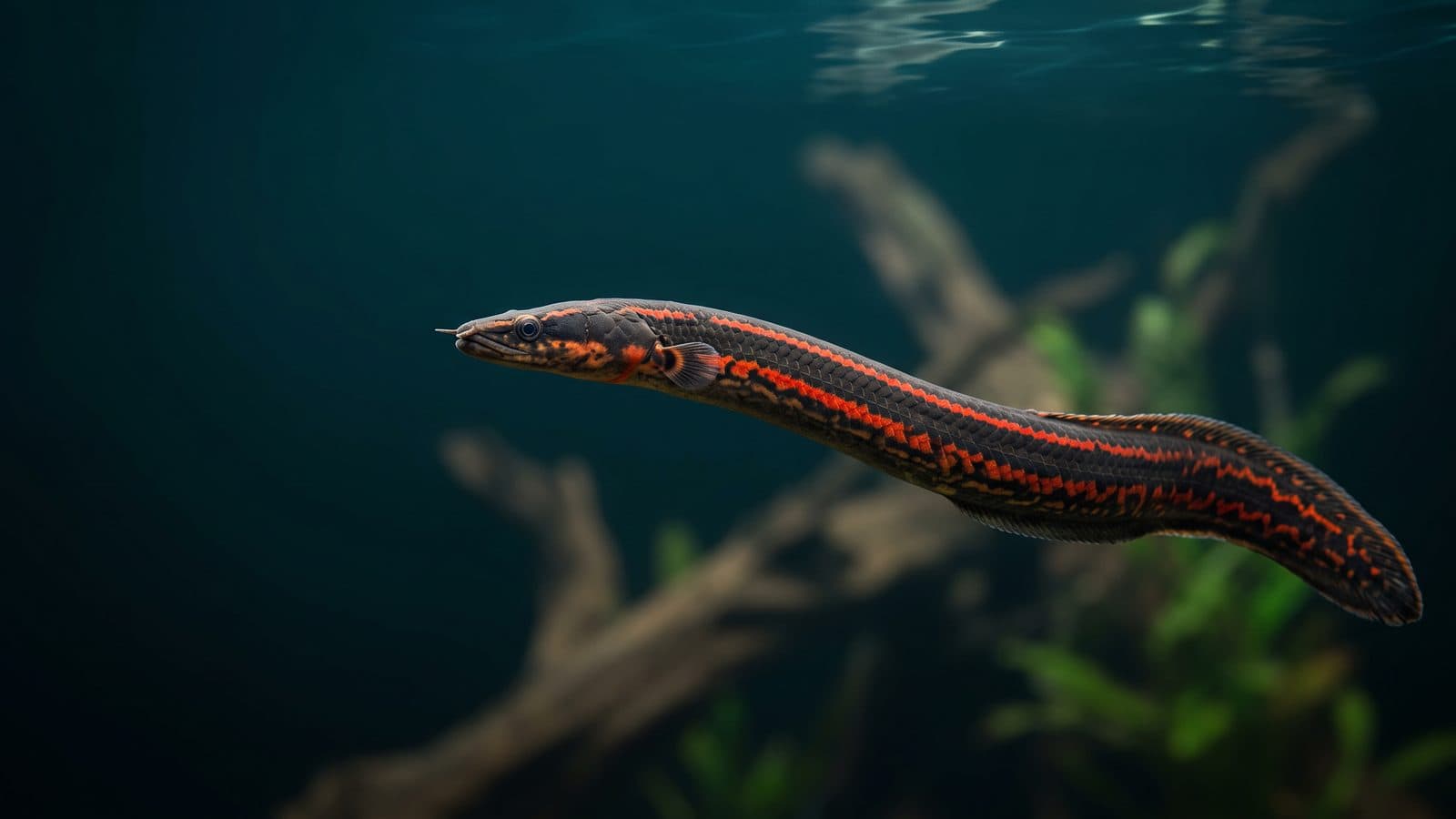
Mastacembelus erythrotaenia
The Fire Eel (Mastacembelus erythrotaenia) is the largest and most visually dramatic member of the spiny eel family, reaching up to 100 cm in captivity. Native to slow-moving rivers and floodplains across Southeast Asia, it is prized for its striking red-orange lateral markings against a dark body. This comprehensive guide covers tank setup, water parameters, feeding strategies, breeding, health concerns, and compatibility — drawing on The Fish Collection's extensive experience importing and maintaining these impressive fish.
Leer Guia →Guia de Especie
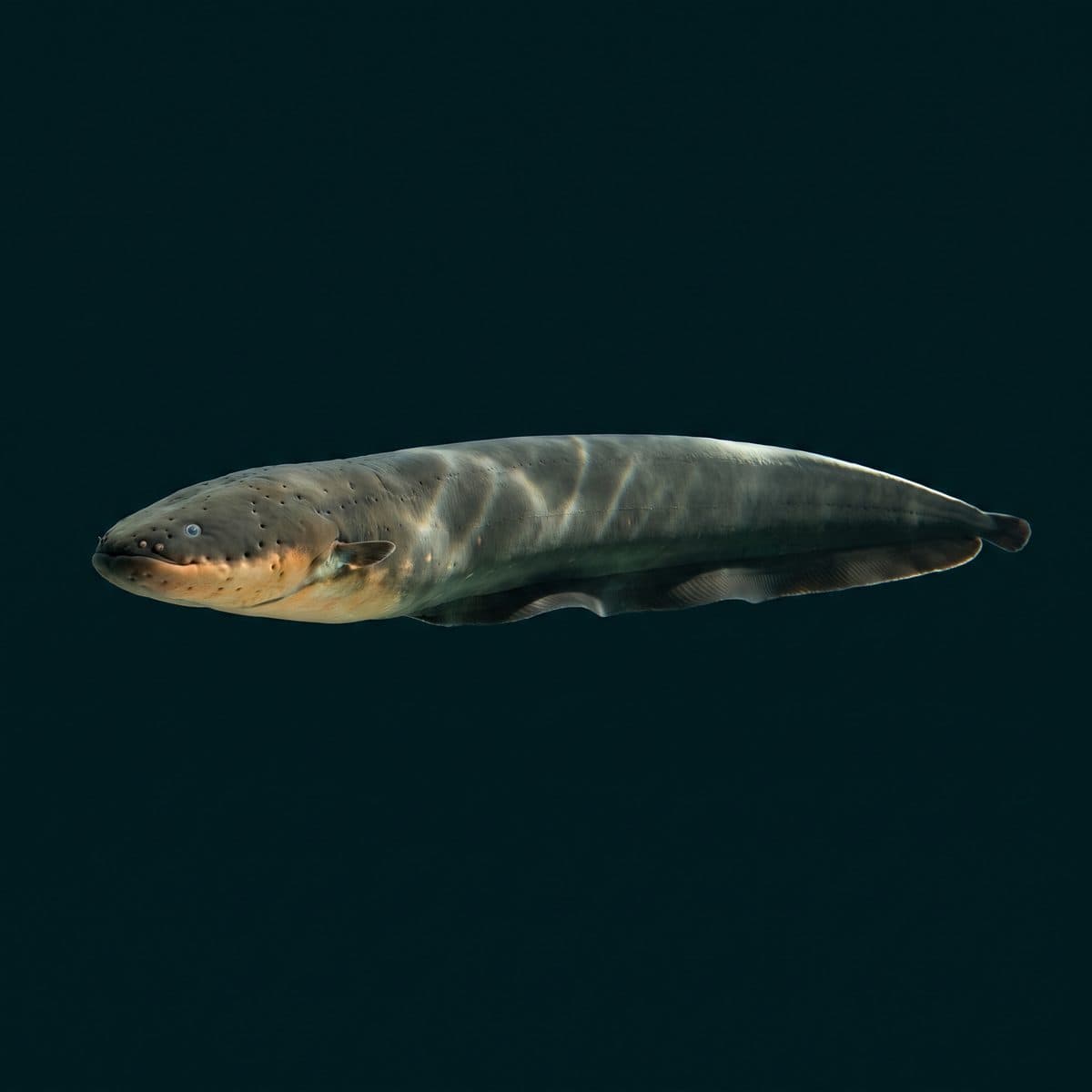
Electrophorus electricus
The Electric Eel (Electrophorus electricus) is not a true eel but a knifefish (order Gymnotiformes) and one of the most extraordinary freshwater organisms on Earth. Capable of generating electrical discharges exceeding 860 volts at 1 ampere — enough to incapacitate a horse — it has fascinated scientists since the 18th century. Recent taxonomic revision has split the genus into three species, but E. electricus sensu stricto remains the most commonly encountered in the aquarium trade. Keeping an Electric Eel is a serious undertaking that demands industrial-grade infrastructure, rigorous safety protocols, and legal compliance. This The Fish Collection guide provides the definitive roadmap for the rare aquarist prepared to house one of nature's most powerful living batteries.
Leer Guia →Guia de Especie
Echidna nebulosa
The Snowflake Moray Eel (Echidna nebulosa) is widely regarded as the best "starter moray" for marine aquarists. Its manageable size (60–75 cm), relatively docile temperament, blunt crustacean-crushing teeth, and striking black-white-yellow patterning make it one of the most popular eel species in the marine hobby. Found across the Indo-Pacific on shallow reef flats and rocky intertidal zones, the Snowflake Moray is hardy, disease-resistant, and adapts readily to captive diets. This guide covers everything you need to know about keeping this charismatic eel.
Leer Guia →Guia de Cuidados
A practical care guide for popular freshwater eel species — fire eel, tire track eel, peacock eel, and other spiny eels (family Mastacembelidae). Covers tank setup, substrate requirements, escape-proofing, feeding nocturnal carnivores, and species-specific care differences.
Leer Guia →Seguir Explorando