Advanced
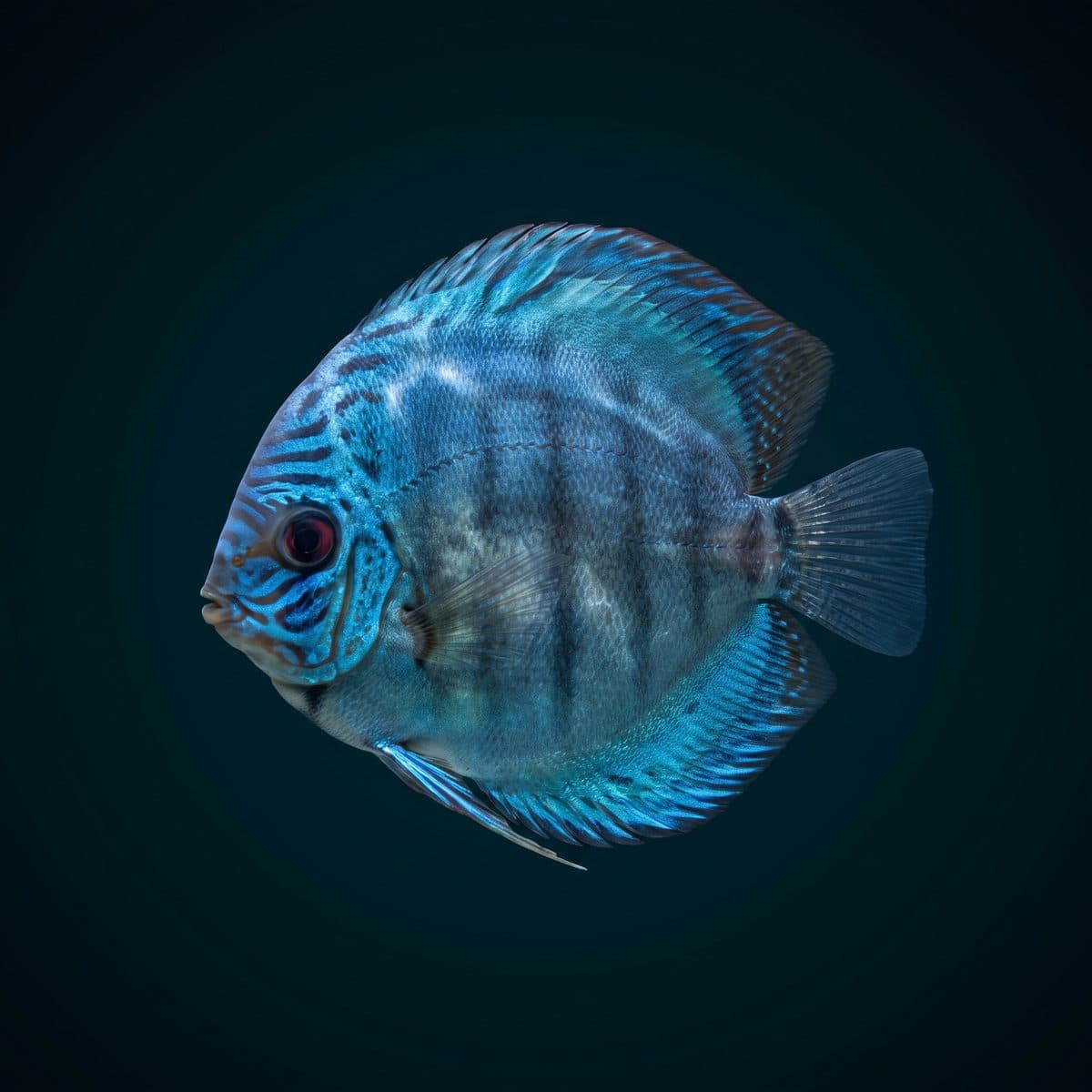
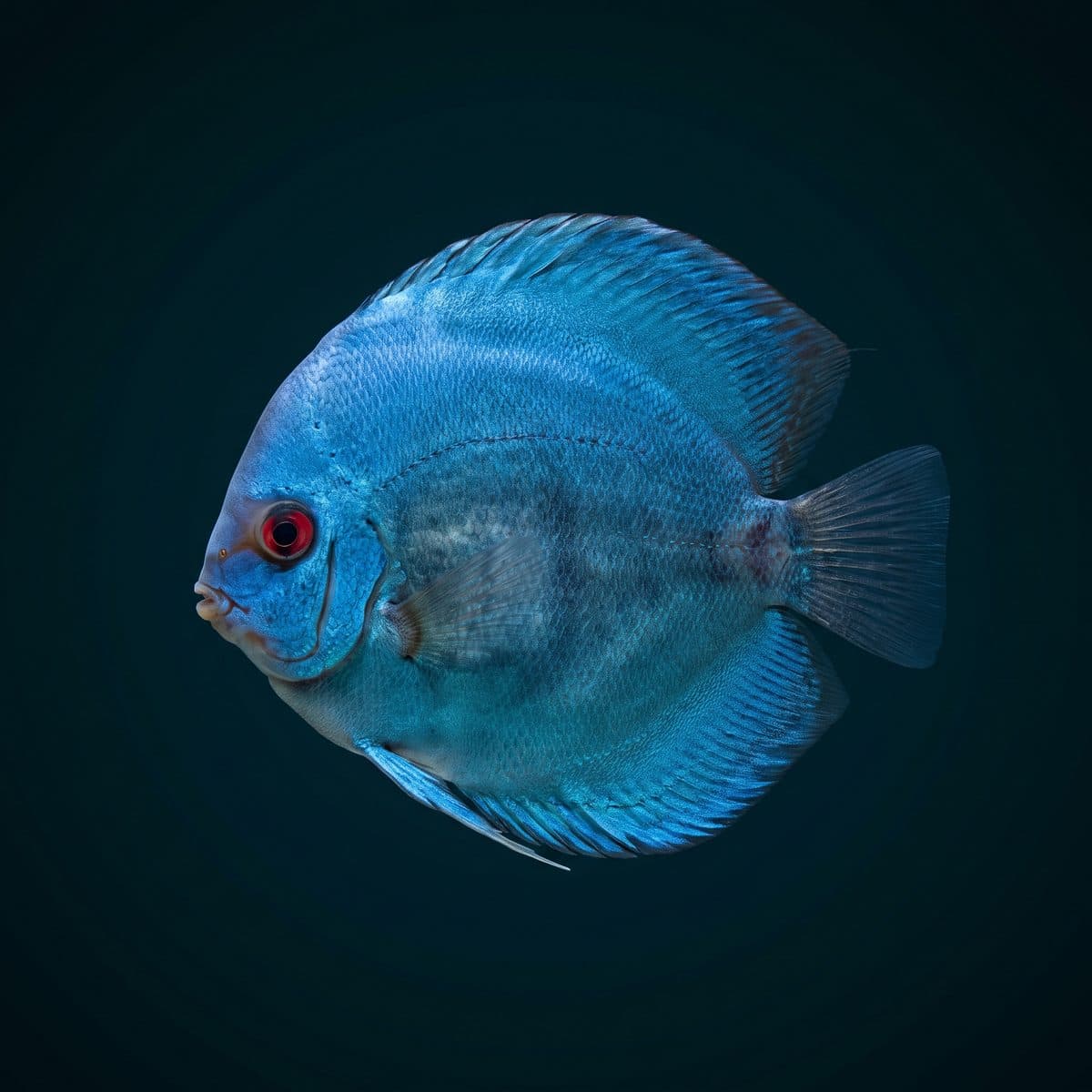
Blue Diamond Discus
Symphysodon aequifasciatus
desde 110,40 €Get a quote
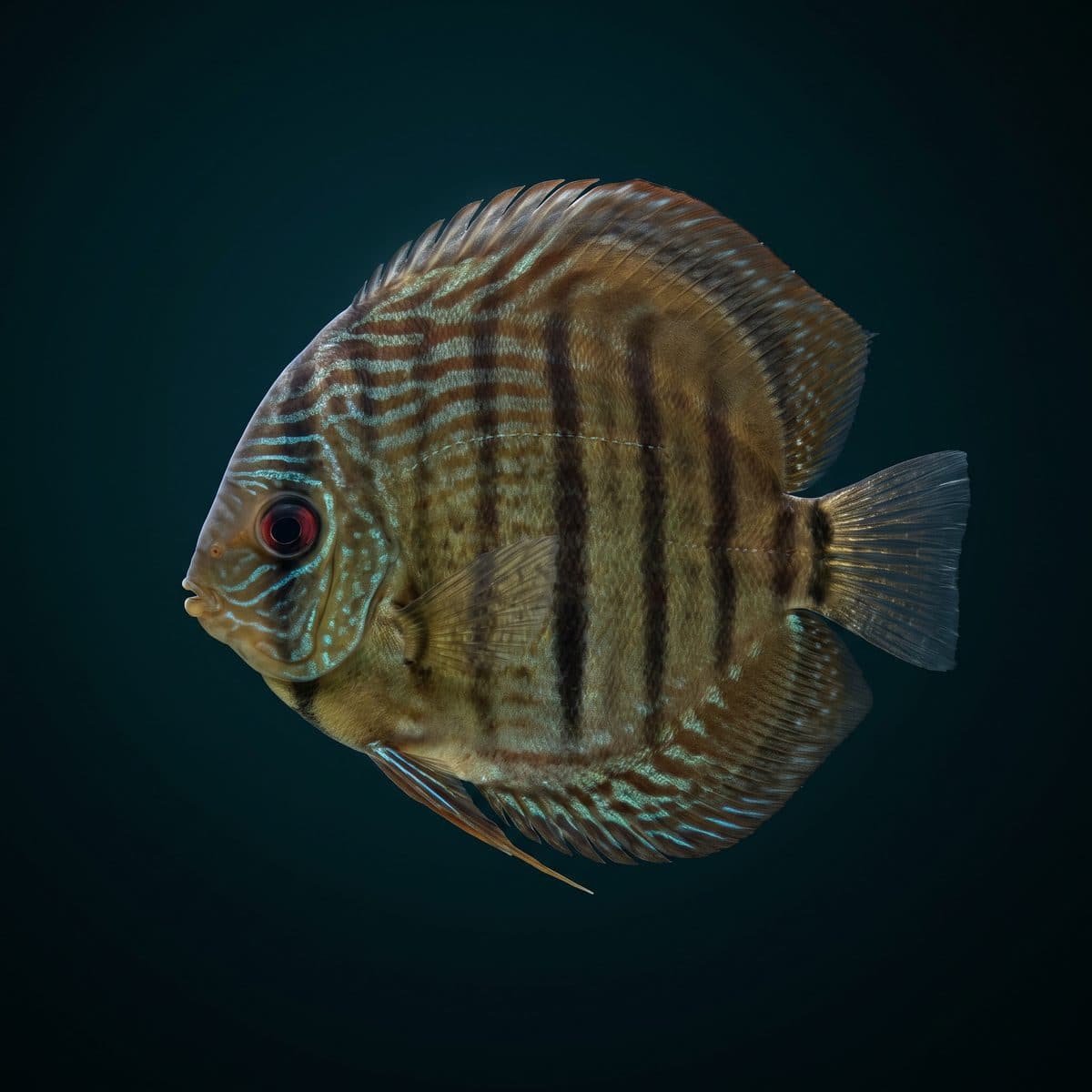
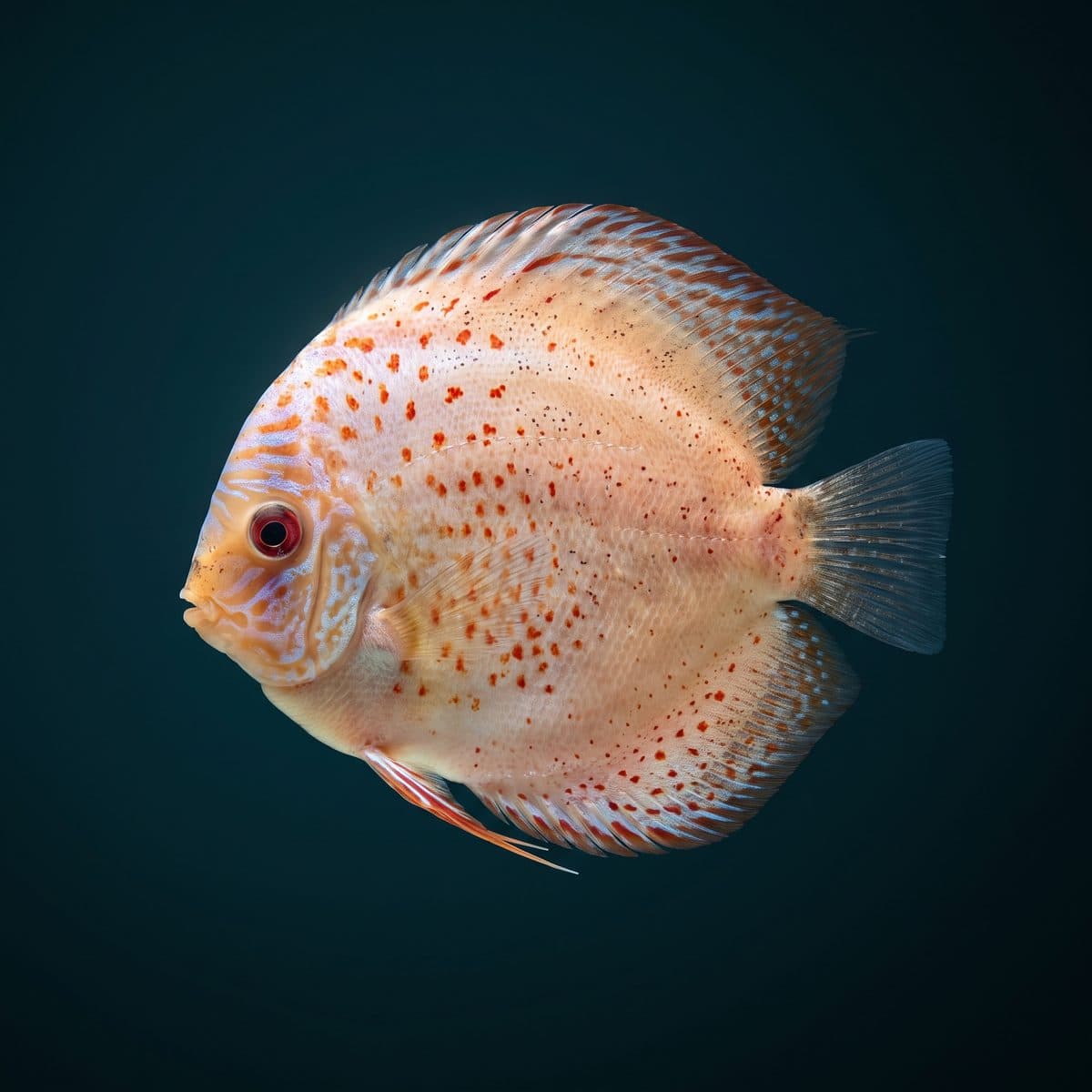
Symphysodon haraldi
The Wild Discus represents something increasingly rare in the modern aquarium hobby — an unaltered, wild-caught specimen displaying the natural color patterns and behavioral repertoire that millions of years of Amazonian evolution have produced. Our current offering is Symphysodon haraldi collected from the Rio Purus system in Peru, a tributary known for producing Discus with extraordinary vertical barring, warm brown-to-olive base coloration, and striking blue-green iridescent highlights along the flanks and fins.
Insulated, oxygen-packed transit · live-arrival guaranteed
Tank size
75+ gallons
Temperamento
Peaceful schooling
Dieta
Carnivore
Water
82–90°F · pH 5.5–6.5
Tell us what you're dreaming of — we'll reply with a price tailored to you.
Happy together
Not sure if this fish is right for you?
Our team will happily help you choose.
The Wild Discus represents something increasingly rare in the modern aquarium hobby — an unaltered, wild-caught specimen displaying the natural color patterns and behavioral repertoire that millions of years of Amazonian evolution have produced. Our current offering is Symphysodon haraldi collected from the Rio Purus system in Peru, a tributary known for producing Discus with extraordinary vertical barring, warm brown-to-olive base coloration, and striking blue-green iridescent highlights along the flanks and fins.
Wild Discus are fundamentally different from their captive-bred counterparts in several important ways. Their coloration is subtler but more complex, with patterns that no selective breeding program has replicated. Their behavior is more cautious and nuanced — these fish have survived in waters shared with piranhas, caimans, and electric eels. And their water chemistry requirements are more exacting: wild specimens demand very soft, acidic water with pH between 5.5 and 6.5 and temperatures from 82 to 90 degrees Fahrenheit.
Housing requires a minimum 75-gallon tank with dim lighting, dark substrate, and abundant driftwood to simulate their blackwater habitat. Tannin-stained water from Indian almond leaves or peat filtration is strongly recommended. These fish are initially shy and may take several weeks to fully acclimate to aquarium life. Patience during this transition period is critical.
Diet in the wild consists of small invertebrates, insect larvae, and organic detritus. In captivity, offer frozen bloodworms, live blackworms, brine shrimp, and high-quality Discus pellets once the fish are settled. Wild specimens may initially refuse prepared foods, so having live and frozen options available during acclimation is essential.
Wild Discus are a specialist-level commitment. They reward experienced keepers with behaviors and beauty that simply cannot be found in tank-bred strains.
The Fish Collection ships with insulated, oxygen-injected packaging and our live arrival guarantee.
Preguntas Comunes
Recursos Expertos
Guia de Especie
The Blue Diamond Discus is a selectively bred colour morph of the common Discus (Symphysodon aequifasciatus), prized for its solid, luminous cobalt-blue body free of the vertical stress bars typical of wild-type Discus. Widely considered the "king of the aquarium," Discus demand warm, pristine water, frequent feeding, and a calm social environment. This guide covers every element of Blue Diamond Discus husbandry — water chemistry, tank design, diet protocols, breeding, and disease prevention — drawing on The Fish Collection's decades of experience sourcing and maintaining show-quality Discus.
Leer guia completa →Guia de Cuidados
A precision-focused guide to the water chemistry and tank configuration requirements for keeping Discus, covering the notoriously strict parameter ranges, RO water systems, temperature stability, and ongoing maintenance protocols.
Leer guia de cuidados →Tambien Te Puede Interesar
desde 230 €
Indicative price