Introduction to Plecos
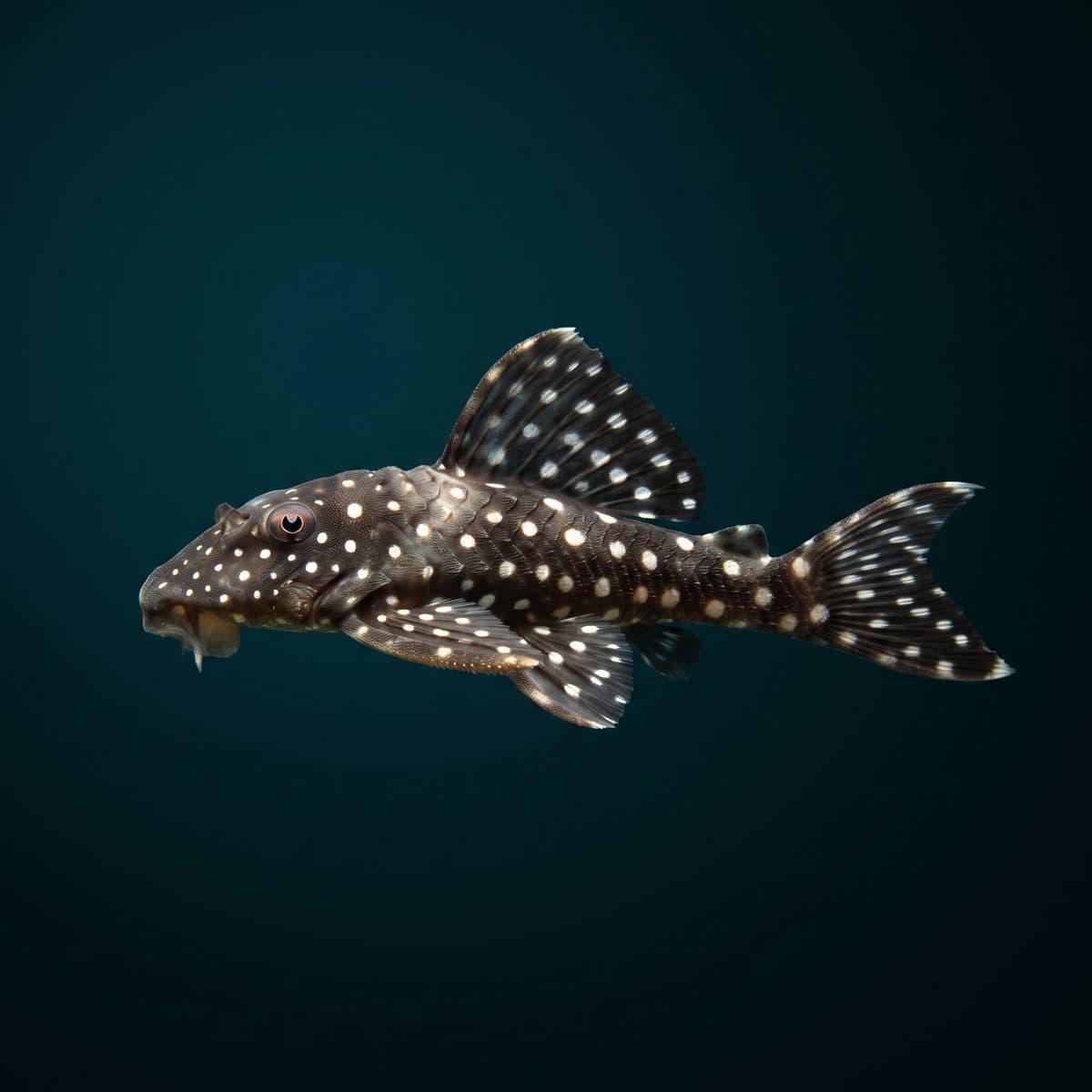
"Pleco" is the aquarium hobby's catch-all term for armoured catfish in the family Loricariidae — the largest catfish family, comprising over 900 described species. They range from the 3 cm Otocinclus to the 60 cm Common Pleco, and from the $3 Bristlenose to the $1,000 Zebra Pleco. What unites them is a ventral sucker mouth adapted for scraping surfaces, bony plate armour covering the body, and predominantly nocturnal behaviour.
The outdated perception of plecos as "algae eaters you stick in any tank" does enormous disservice to this family. Many species eat little to no algae. Most have specific dietary, territorial, and environmental needs that differ dramatically between species. A Zebra Pleco is as different from a Common Pleco as a Betta is from an Arowana — treating them as interchangeable is a recipe for failure.
Popular Pleco Species
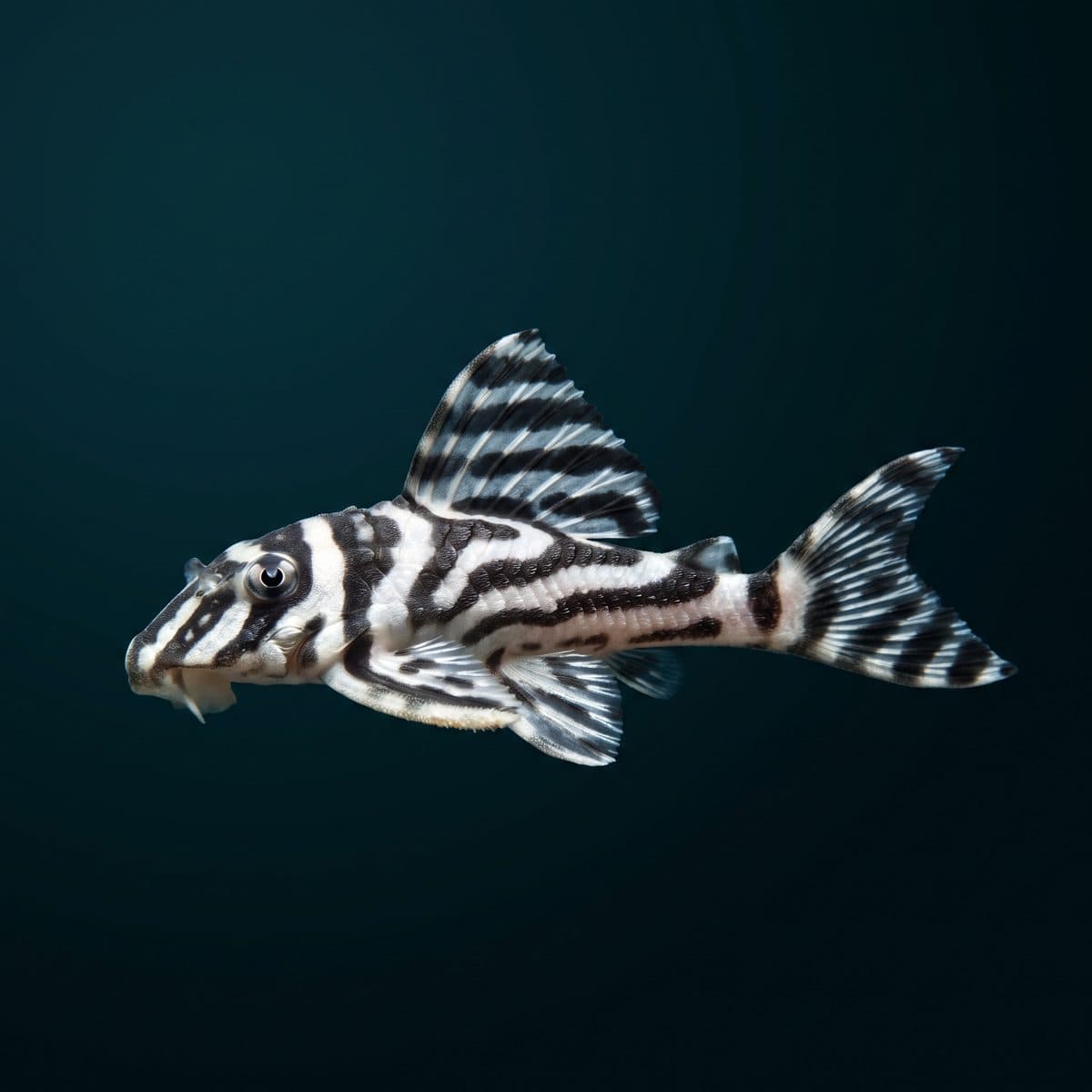
Zebra Pleco (L046)
The Zebra Pleco (Hypancistrus zebra) is the crown jewel of the pleco world — dramatic black-and-white striping, small adult size (8–10 cm), and a price tag of $300–$1,000 that reflects both its beauty and rarity. Wild export from Brazil has been banned since 2004; all legal specimens are captive-bred. They are carnivores (not algae eaters), preferring frozen bloodworms, brine shrimp, and high-protein sinking pellets. Temperature: 26–30 °C. pH: 6.0–7.0. Tank: 30+ gallons with caves and moderate current. Browse The Fish Collection's pleco collection for limited Zebra Pleco availability.
Bristlenose Pleco (Ancistrus)
The Bristlenose is the ideal beginner pleco — hardy, small (12–15 cm), peaceful, and a genuine algae eater. Males develop distinctive fleshy tentacles (bristles) on the snout, giving the species its name. Varieties include Common Brown, Albino, Longfin, Super Red, and Calico. They breed readily in captivity, making them readily available at $5–$25.
Bristlenose are omnivores: provide algae wafers, blanched zucchini, cucumber, and occasional protein (frozen bloodworms). They require driftwood for digestive fibre. Temperature: 24–28 °C. pH: 6.0–7.5. Tank: 30+ gallons with caves and driftwood.
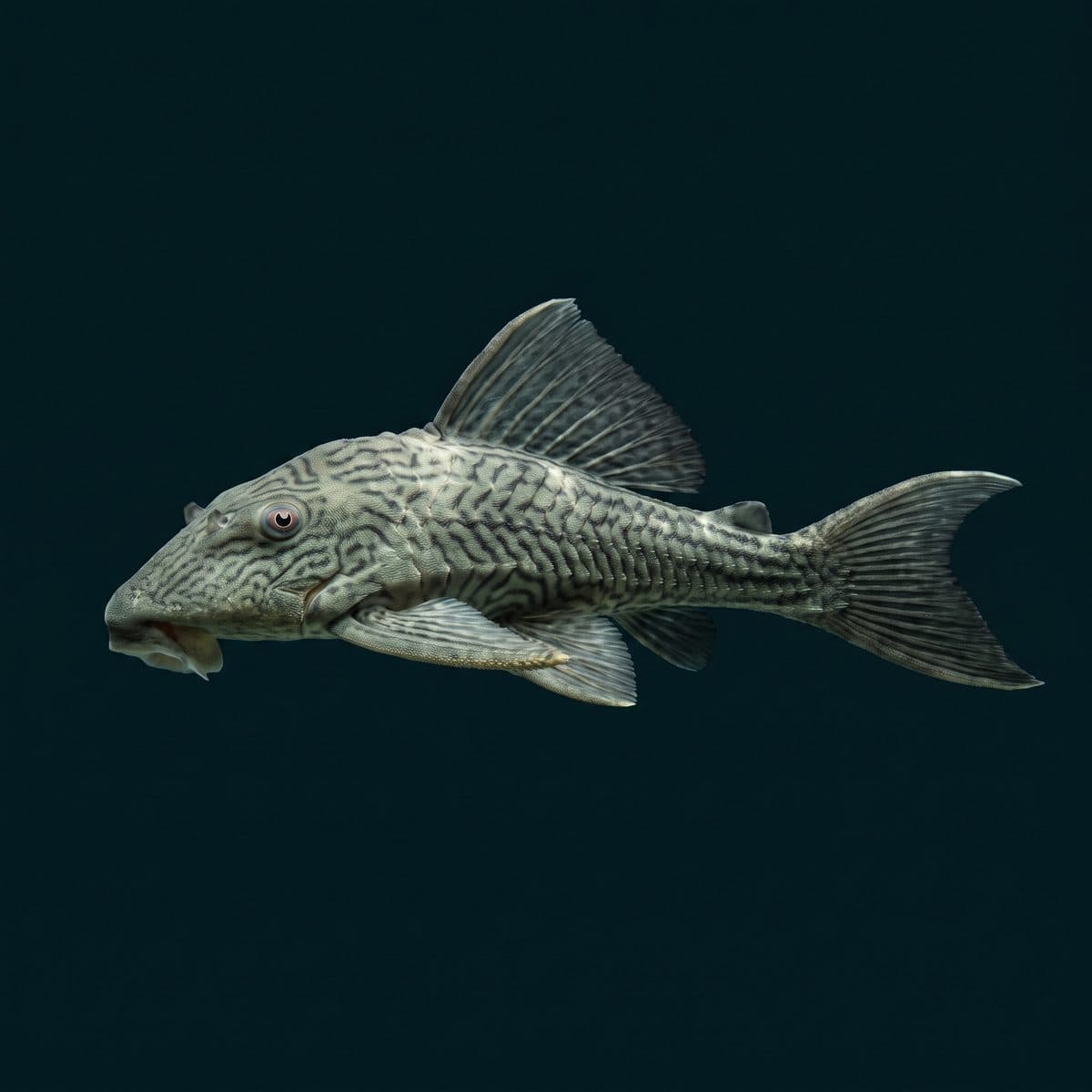
Royal Pleco (Panaque nigrolineatus)
The Royal Pleco is a large (35–45 cm), striking species with bold black stripes on a grey-green body and distinctive red-orange eyes. It is one of the true "wood-eating" plecos — its specialised teeth rasp wood fibres, which are fermented in a long, specialised gut by symbiotic bacteria. Driftwood is not optional for this species; it is their primary food source.
Tank: 125+ gallons. Temperature: 24–28 °C. pH: 6.0–7.5. Supplement with algae wafers and blanched vegetables. They are territorial and need large caves or hollow logs. Price: $40–$120.
Common Pleco (Pterygoplichthys)
The Common Pleco is the species most often sold to unsuspecting beginners as an "algae cleaner." The problem: it grows to 45–60 cm and produces an enormous bioload. A fish sold at 5 cm in a pet store will need a 200-gallon tank within 2–3 years. It is a hardy, undemanding fish — but its size requirements make it inappropriate for most home aquariums.
If you have the space, Common Plecos are rewarding fish — active, personable, and long-lived (15–25 years). Temperature: 24–28 °C. pH: 6.5–8.0. They eat everything: algae, vegetables, sinking pellets, frozen foods, and driftwood.
Clown Pleco (Panaqolus maccus)
The Clown Pleco is a small (8–10 cm) wood-eating species with attractive orange and black striped patterning. It is the most accessible wood-eating pleco, suitable for tanks as small as 20 gallons. Like the Royal Pleco, it requires driftwood as a dietary staple. Supplement with blanched vegetables and algae wafers. Temperature: 24–28 °C. pH: 6.0–7.5. Price: $8–$15.
Driftwood: A Dietary Necessity
For many pleco species — particularly those in the genera Panaque and Panaqolus — driftwood is not decoration. It is food. These fish possess specialised spoon-shaped teeth designed to scrape wood fibres, which are then fermented in an elongated hindgut by symbiotic cellulose-digesting bacteria. Without wood, they cannot complete their digestive process and will slowly starve regardless of how much other food is offered.
Even species that are not obligate wood-eaters (Bristlenose, Zebra Pleco) benefit from driftwood. Rasping wood provides dietary fibre that aids digestion, and the biofilm that develops on submerged wood is a natural food source rich in microorganisms.
Recommended driftwood types:
- Malaysian driftwood: Dense, sinks immediately, releases moderate tannins. The standard choice.
- Manzanita: Branching structure provides multiple rasping surfaces. Light tannin release.
- Spider wood: Intricate branching, creates natural cave-like structures. May need soaking to waterlog.
- Mopani: Extremely dense, sinks immediately, heavy tannin release (stains water amber — beneficial for soft-water species but may require carbon to control).
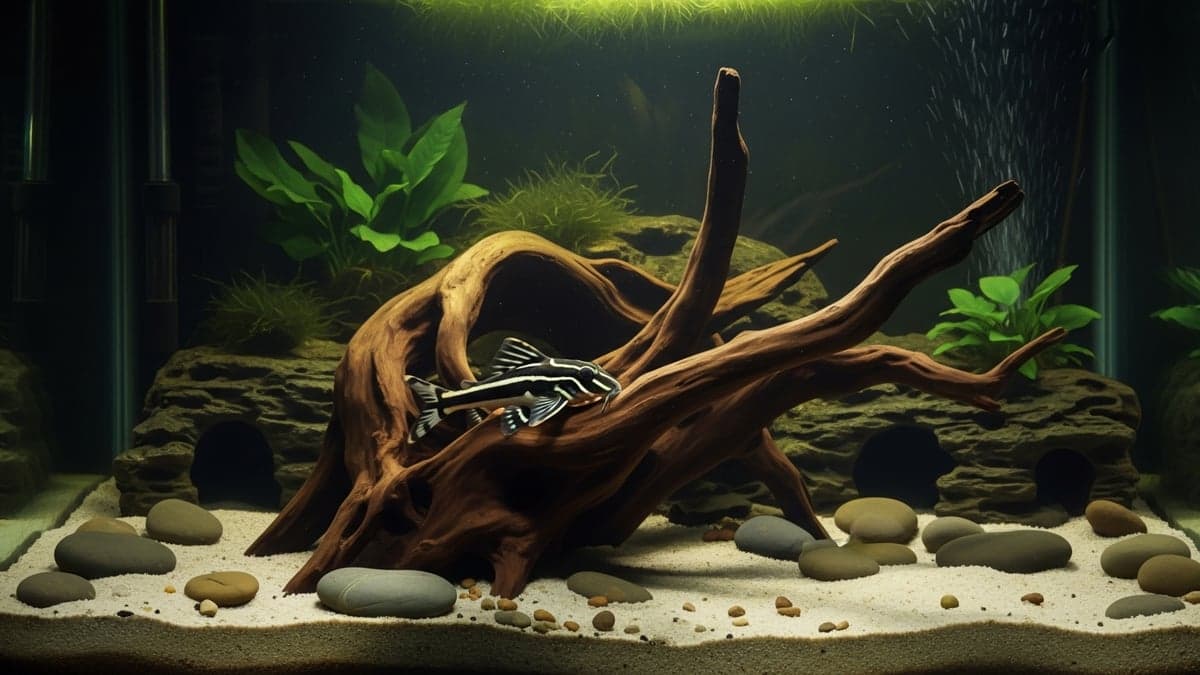
Provide at least one piece of driftwood per pleco, sized proportionally to the fish. Large Royal Plecos need substantial pieces — a 40 cm fish requires driftwood at least 30 cm in length for adequate rasping surface. Replace driftwood pieces as they are consumed (wood-eating species can destroy a piece over 6–12 months).
Cave Provision and Territory
Plecos are territorial, especially males. In the wild, they defend caves (rock crevices, hollow logs, undercut banks) as breeding sites and refuges. In captivity, providing adequate caves prevents aggression, stress, and the territorial conflicts that can lead to injury or death in crowded tanks.
Cave guidelines:
- Provide at least one cave per pleco, plus one extra (the "n+1 rule").
- Cave size should match the fish — the opening should be just large enough for the pleco to enter while blocking other fish. Snug caves are preferred over open shelters.
- Materials: ceramic breeding caves (commercially available in sizes matching specific pleco species), PVC pipe cut to length, coconut shells (halved with entrance hole), stacked slate or stone, and hollow driftwood.
- Position caves throughout the tank, not clustered in one area. This distributes territories and reduces conflict between neighbours.
- For breeding: males select caves, clean them meticulously, and fan eggs inside. Without suitable caves, breeding will not occur even if all other conditions are met.
Diet and Nocturnal Feeding
Plecos are nocturnal. Most species emerge from hiding only after lights-out to feed. Offering food during daytime is inefficient — other tankmates consume it before the pleco ventures out, and uneaten food degrades water quality. The solution: feed plecos after the tank lights switch off.
Feeding protocols by dietary category:
Herbivorous/omnivorous plecos (Bristlenose, Common, most Pterygoplichthys):
- Sinking algae wafers (Hikari Algae Wafer, Northfin Veggie) — 1–2 wafers per fish every evening.
- Blanched vegetables: zucchini medallions, cucumber slices, shelled peas, sweet potato rounds. Blanch for 30 seconds to soften, weigh down with a vegetable clip or stainless-steel fork. Remove uneaten portions after 12 hours.
- Driftwood (continuously available for wood-eating species).
- Supplementary protein: frozen bloodworms or shrimp once or twice weekly.
Carnivorous plecos (Zebra Pleco, most Hypancistrus species):
- Frozen bloodworms, brine shrimp, and mysis shrimp — primary diet, offered nightly.
- High-protein sinking pellets (Northfin Predator, Hikari Carnivore) — alternate evenings.
- Live blackworms — excellent supplementary food, stimulates natural foraging behaviour.
- Minimal plant-based food — Hypancistrus species have limited ability to digest plant matter.
Wood-eating plecos (Royal Pleco, Clown Pleco, most Panaque and Panaqolus):
- Driftwood — primary food source, must be continuously available.
- Blanched vegetables and algae wafers — supplementary.
- Occasional protein (frozen bloodworms) — small amounts once or twice weekly.
Tank Setup
Pleco tanks should prioritise hiding spots, surface area, and water flow over open swimming space.
- Substrate: Fine sand or smooth gravel. Avoid sharp-edged substrates that can damage the pleco's ventral surface as it rests on the bottom.
- Décor: Driftwood (essential), caves (essential), stacked rocks (smooth edges only), and live plants (optional but beneficial). Create a landscape with multiple levels and hiding opportunities.
- Current: Moderate to strong. Many pleco species (Zebra Pleco, Royal Pleco) come from fast-flowing rivers and require well-oxygenated water with significant flow. A powerhead or wavemaker supplementing the filter return is often necessary.
- Lighting: Subdued. Plecos are photophobic and will hide under bright lighting. Use floating plants, driftwood overhangs, or dimmable LEDs to create shaded zones. Moonlight LEDs are ideal for observing nocturnal behaviour without disturbing the fish.
- Filtration: Strong mechanical and biological filtration. Plecos — especially wood-eaters — produce significant fine-particle waste. Target 6–8× turnover per hour. Canister filters with coarse pre-filter sponges are a practical choice for most pleco tanks.
Water Parameters by Species
Parameters vary significantly between species. Here are targets for the most popular species:
- Zebra Pleco (L046): pH 6.0–7.0, temp 26–30 °C, GH 2–10 dGH. Warm, moderate flow, well-oxygenated.
- Bristlenose (Ancistrus): pH 6.0–7.5, temp 24–28 °C, GH 3–15 dGH. Very adaptable.
- Royal Pleco (Panaque): pH 6.0–7.5, temp 24–28 °C, GH 2–12 dGH. Moderate flow, heavy driftwood.
- Common Pleco (Pterygoplichthys): pH 6.5–8.0, temp 24–28 °C, GH 3–20 dGH. Most adaptable pleco.
- Clown Pleco (Panaqolus maccus): pH 6.0–7.5, temp 24–28 °C, GH 3–12 dGH.
All species require ammonia and nitrite at 0 ppm. Nitrate should be below 20 ppm for sensitive species (Zebra Pleco) and below 40 ppm for hardier species (Common Pleco, Bristlenose). Weekly water changes of 25–30 % maintain these targets in properly filtered tanks.
Breeding Plecos
Many popular pleco species breed readily in captivity when given appropriate conditions:
- Caves: Males select and defend caves for spawning. The cave must be snug — barely larger than the male's body. Ceramic tubes sized for your species are the most reliable option.
- Condition the pair: Feed high-protein foods (frozen bloodworms, live blackworms) for 2–4 weeks before attempting to breed. Well-conditioned females develop a visibly rounded abdomen.
- Trigger spawning: A large water change (50–70 %) with slightly cooler water (2–3 °C below tank temperature) simulates the onset of the rainy season and triggers spawning behaviour in many species.
- Male care: After the female deposits eggs (typically 20–100 depending on species), the male guards and fans the eggs inside the cave for 5–10 days until hatching. Do not disturb the male during this period.
- Fry care: Newly hatched fry absorb their yolk sac over 2–4 days, then begin feeding on biofilm, crushed algae wafers, and baby brine shrimp.
Zebra Pleco breeding is particularly valuable — given the Brazilian export ban, captive-bred specimens are the only legal source, and breeding stock commands premium prices.
Common Health Issues
- Starvation (the silent killer): The most common cause of pleco death in community tanks. Nocturnal plecos often lose the food competition to diurnal tankmates. Monitor body condition — a healthy pleco has a slightly convex belly; a concave (sunken) belly indicates starvation. Target-feed after lights-out.
- Bloat in wood-eaters: Wood-eating species can develop bloat from low-quality driftwood, swallowed air, or inadequate wood fibre intake. Ensure continuous access to appropriate driftwood and avoid excessive protein in their diet.
- Ich (white spot disease): Plecos are susceptible to ich, but their armoured plates make treatment tricky — they tolerate salt poorly. Raise temperature to 30 °C and treat with half-dose medication. Avoid copper-based treatments for scaleless catfish.
- Bacterial infections: Usually secondary to physical injury or poor water quality. Red patches, fin erosion, or cloudy eyes indicate infection. Improve water quality first, then treat with broad-spectrum antibiotics if needed.
The Fish Collection carries a curated selection of pleco species from established breeders, with full care support and compatibility advice included with every purchase.