Overview
Loaches are a diverse group of bottom-dwelling fish found across Asia and Europe. They are beloved for their personality, social behaviour, and utility as substrate cleaners and snail controllers. Most loaches are nocturnal or crepuscular and appreciate dimly lit tanks with plenty of hiding spots. Their most charming trait is their social nature — many species "cuddle" in piles and engage in playful group behaviour.
Popular Species
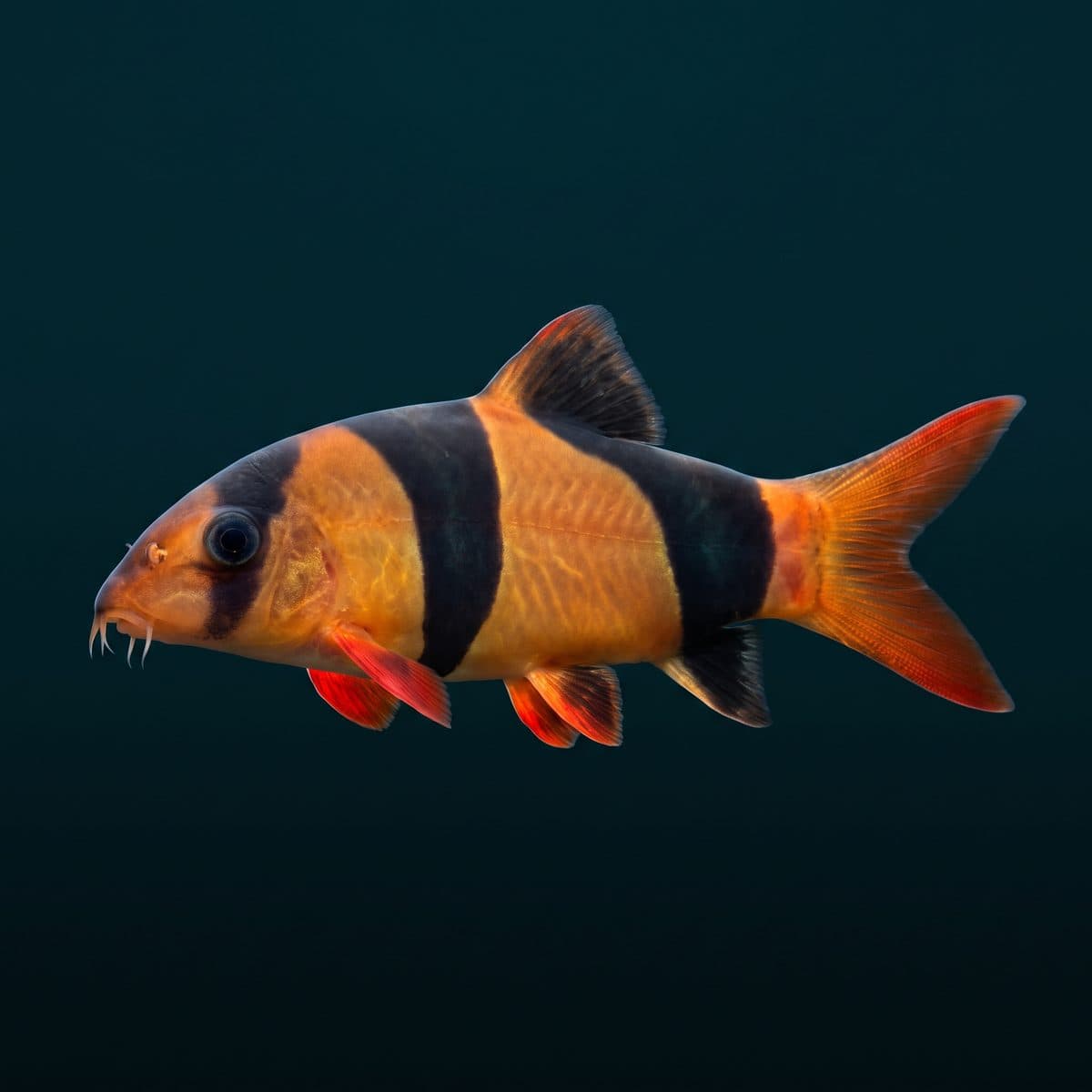
- Clown Loach (Chromobotia macracanthus) — grows to 12 in (slowly), needs 125+ gallons, iconic orange and black bands, 20+ year lifespan
- Kuhli Loach (Pangio kuhlii) — 4 in, 20+ gallons, eel-like body, extremely shy, needs sand substrate for burrowing
- Dojo/Weather Loach (Misgurnus anguillicaudatus) — 10 in, 55+ gallons, cold-tolerant (60–75 °F), very personable
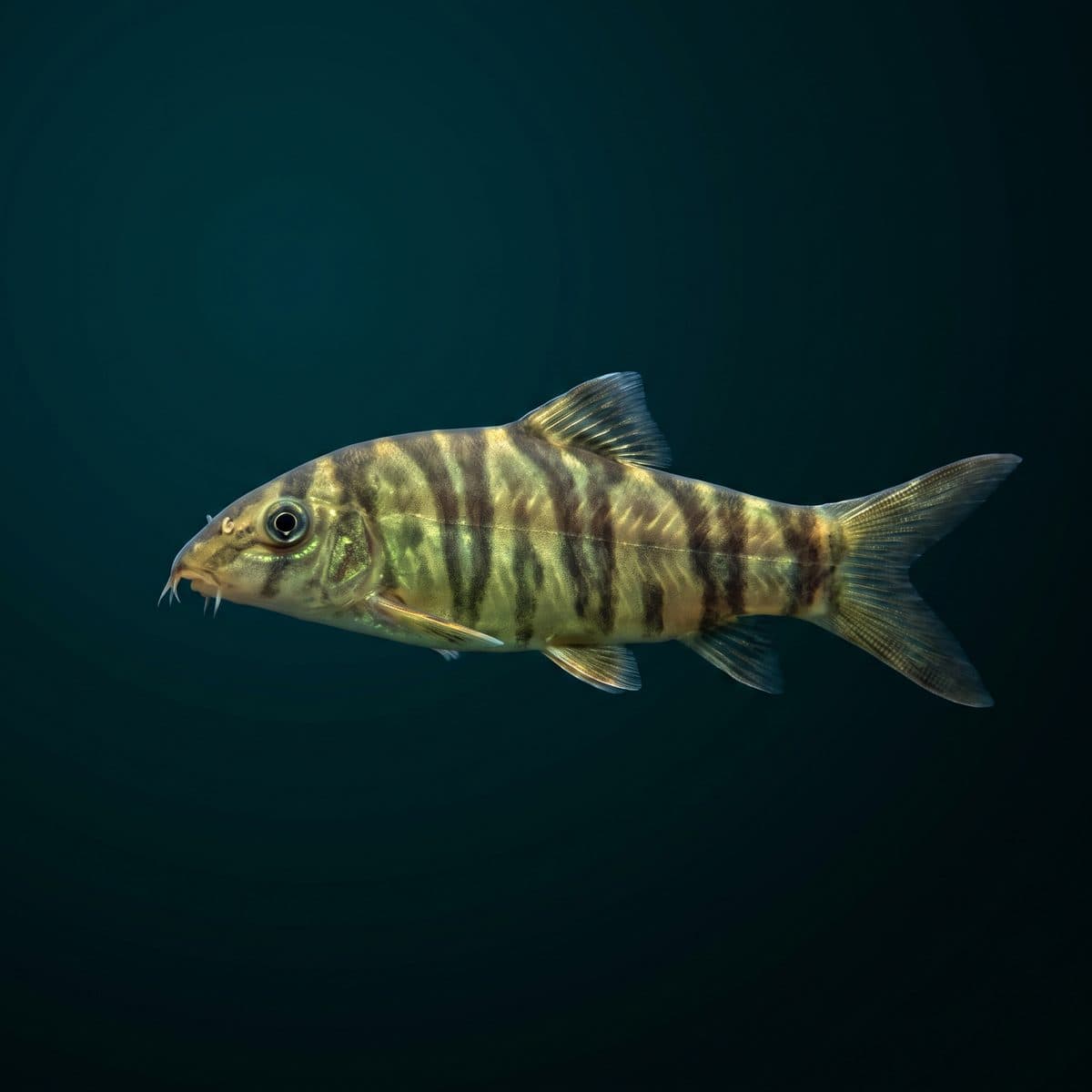
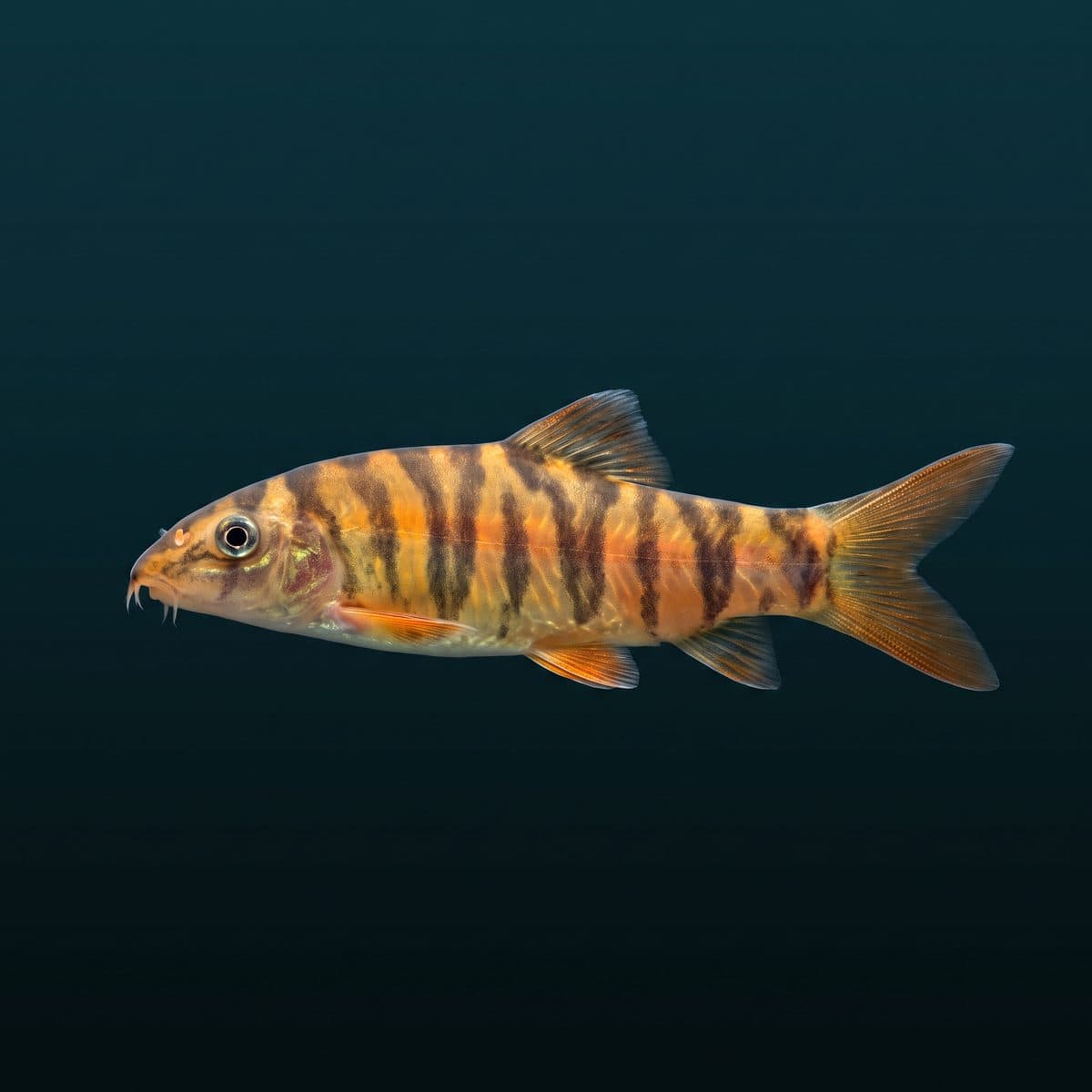
- Yoyo Loach (Botia almorhae) — 6 in, 40+ gallons, active and boisterous, excellent snail control
- Hillstream Loach (Sewellia, Gastromyzon) — 3 in, 20+ gallons, needs high-flow cold water, algae grazer
Social Needs
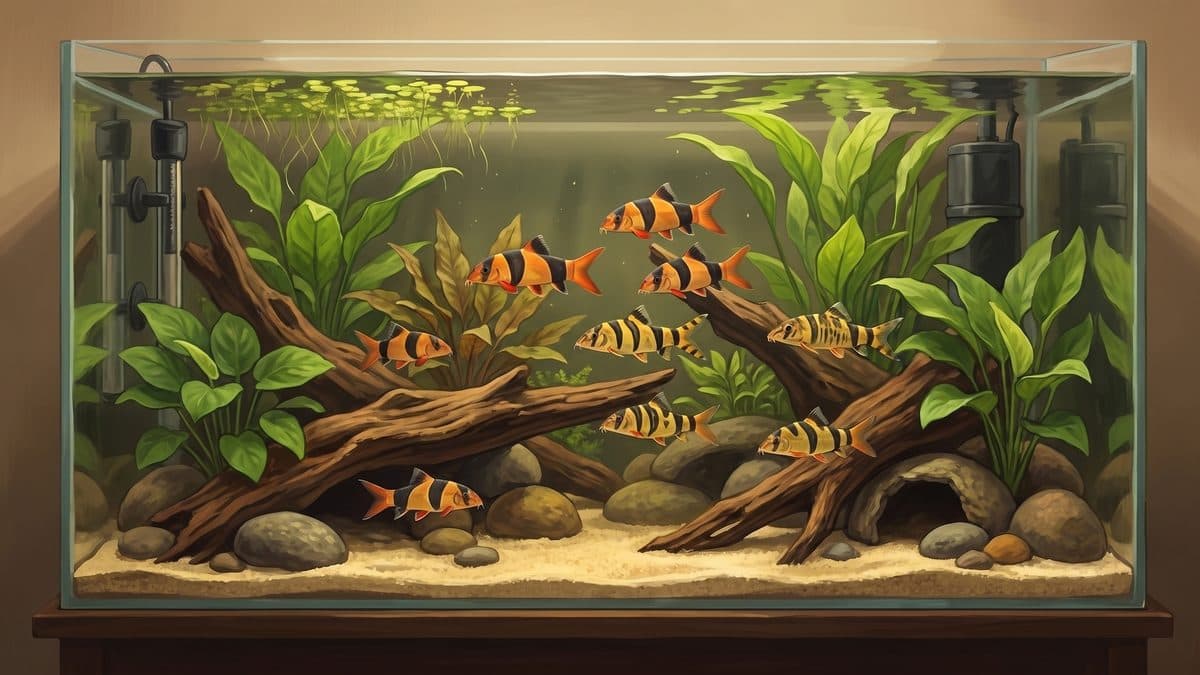
Almost all loaches are obligate social fish — keeping fewer than 5 causes chronic stress, loss of colour, hiding, and shortened lifespan. Clown loaches need a group of 5–6 minimum; kuhli loaches should be kept in groups of 6–8+. A solitary loach is a stressed loach. This social requirement must factor into your tank size planning.
Tank Setup
Fine sand substrate is strongly preferred — loaches sift through substrate searching for food, and gravel can damage their delicate barbels. Provide abundant hiding spots: caves, PVC pipes, driftwood tangles, and dense plants. Loaches are most active under dim lighting. Many species appreciate moderate to strong water flow.
Water Parameters
- Clown/Yoyo Loach: 77–82 °F, pH 6.0–7.0, soft water
- Kuhli Loach: 75–82 °F, pH 5.5–7.0, soft acidic water
- Dojo Loach: 60–75 °F, pH 6.5–8.0, tolerates wide range
- Hillstream Loach: 65–75 °F, pH 6.5–7.5, high oxygen and flow
Feeding
Loaches eat at the bottom, often at night. Feed sinking foods: algae wafers, shrimp pellets, sinking carnivore pellets, and blanched vegetables (zucchini, cucumber). Supplement with frozen bloodworms, brine shrimp, and live blackworms. Clown loaches and yoyo loaches are voracious snail eaters — an effective biological control for pest snails.
Health — Ich Susceptibility
Loaches — particularly clown loaches — are highly susceptible to ich and often the first fish in a tank to show symptoms. They are also scaleless or have very fine scales, making them sensitive to medications. Treat ich in loach tanks with elevated temperature (86 °F for 10 days) combined with aquarium salt at 1 tablespoon per 5 gallons. Use half-dose for copper and formalin treatments. Prevention through quarantine is far preferable to treatment.
Tank Mates
Loaches are peaceful and compatible with most community fish: tetras, rasboras, barbs, gouramis, corydoras, and non-aggressive cichlids (rams, Apistogramma). Avoid aggressive bottom-dwellers that compete for territory. Clown loaches are large enough to coexist with medium cichlids and Angels. Kuhli loaches are best with small, peaceful community fish.
A Practical Feeding Routine
The most common loach problem we see isn't disease — it's slow starvation in a busy community tank. Everything sinking gets intercepted by faster fish on the way down, and the loaches quietly miss out for weeks. Here's how to make sure yours actually eat:
- Feed after lights-out a few nights a week. Drop sinking wafers or pellets near the hiding spots once the daytime crowd has settled.
- Use two-point feeding: scatter flake at the surface to occupy the community, then immediately drop sinking food at the opposite end of the tank.
- Watch bellies, not feedings. A healthy loach has a gently rounded underside. Flat or hollow bellies mean the routine isn't working, whatever the schedule says.
- Add weekly treats: frozen bloodworms and live blackworms bring even shy kuhlis racing out, and a slice of blanched zucchini left in overnight keeps grazers busy until morning.
Feed adult loaches once daily; kuhlis and hillstreams do better with smaller nightly meals.
Planning for Clown Loaches Long-Term
Clown loaches earn their own planning section because almost everyone buys them wrong — five 2-inch fish for a 29-gallon tank, with no plan for what follows. The growth is slow but completely relentless:
| Age | Typical Size | Housing for a Group of 5–6 |
|---|---|---|
| Year 1 | 2–4 in | 55–75 gallons |
| Years 2–4 | 5–7 in | 75–125 gallons |
| Years 5–10 | 8–10 in | 125–180 gallons |
| Beyond year 10 | 10–12 in | 180+ gallons |
Add the 20–30 year lifespan and you're signing up for a commitment that can outlast a mortgage. If that timeline doesn't fit your life, the Zebra Loach (Botia striata) delivers the same playful group behaviour at a permanent 3–4 inches in a 30-gallon tank. There's no shame in choosing the smaller cousin — there's some in a stunted twelve-year-old clown loach stuck in a 55.
Skinny Disease and Internal Parasites
The classic loach ailment: a fish that eats enthusiastically yet keeps losing weight, the back thinning to a knife edge behind the head. That's "skinny disease" — internal parasites, most common in wild-caught fish, which means nearly every clown loach and kuhli in the trade has been exposed.
Treatment that actually works:
- Levamisole in the water at 3 ppm, lights off for 24 hours, then a large water change with a thorough substrate vacuum. Repeat after 7 days to catch newly hatched worms.
- Medicated food as a follow-up while the fish are still eating — it delivers the dose exactly where the parasites live.
- Treat the whole tank, not just the thin fish. If one loach has worms, its tank mates have been exposed for months.
Better still, treat prophylactically in quarantine: give every new loach 4 weeks of observation and a levamisole course before it joins the display. Keepers who adopt that routine mostly stop seeing skinny disease altogether.
Breeding Notes
An honest rundown, because loach breeding claims get wildly exaggerated online:
- Kuhli loaches occasionally spawn in mature, heavily planted tanks — bright green eggs deposited among floating plant roots. It's sporadic rather than reliable, but it genuinely happens in home aquaria.
- Dojo loaches respond to seasonal simulation — a cool period followed by warming water and heavy feeding — and are bred commercially across Asia.
- Hillstream loaches are the sleeper hit: Sewellia species breed readily in cool, high-flow tanks, and fry often appear unannounced among the rocks.
- Clown loaches do not breed in home aquariums. Commercial supply comes from Indonesian farms using hormone-induced spawning plus wild collection. Treat any "home-bred clown loach" listing with healthy scepticism.
Want a realistic first loach breeding project? Set up a species tank of hillstreams or kuhlis, keep the water pristine, feed live foods, and let a consistent cool-water-change routine mimic the rainy season for you.