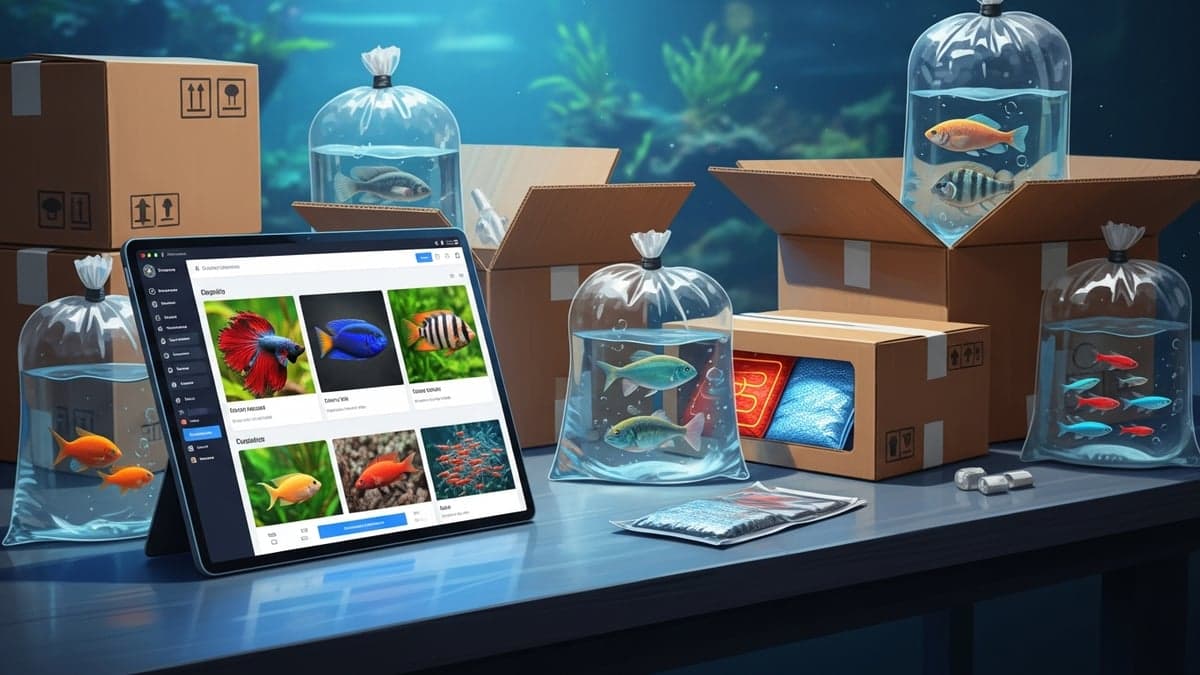
Why Buy Exotic Fish Online?
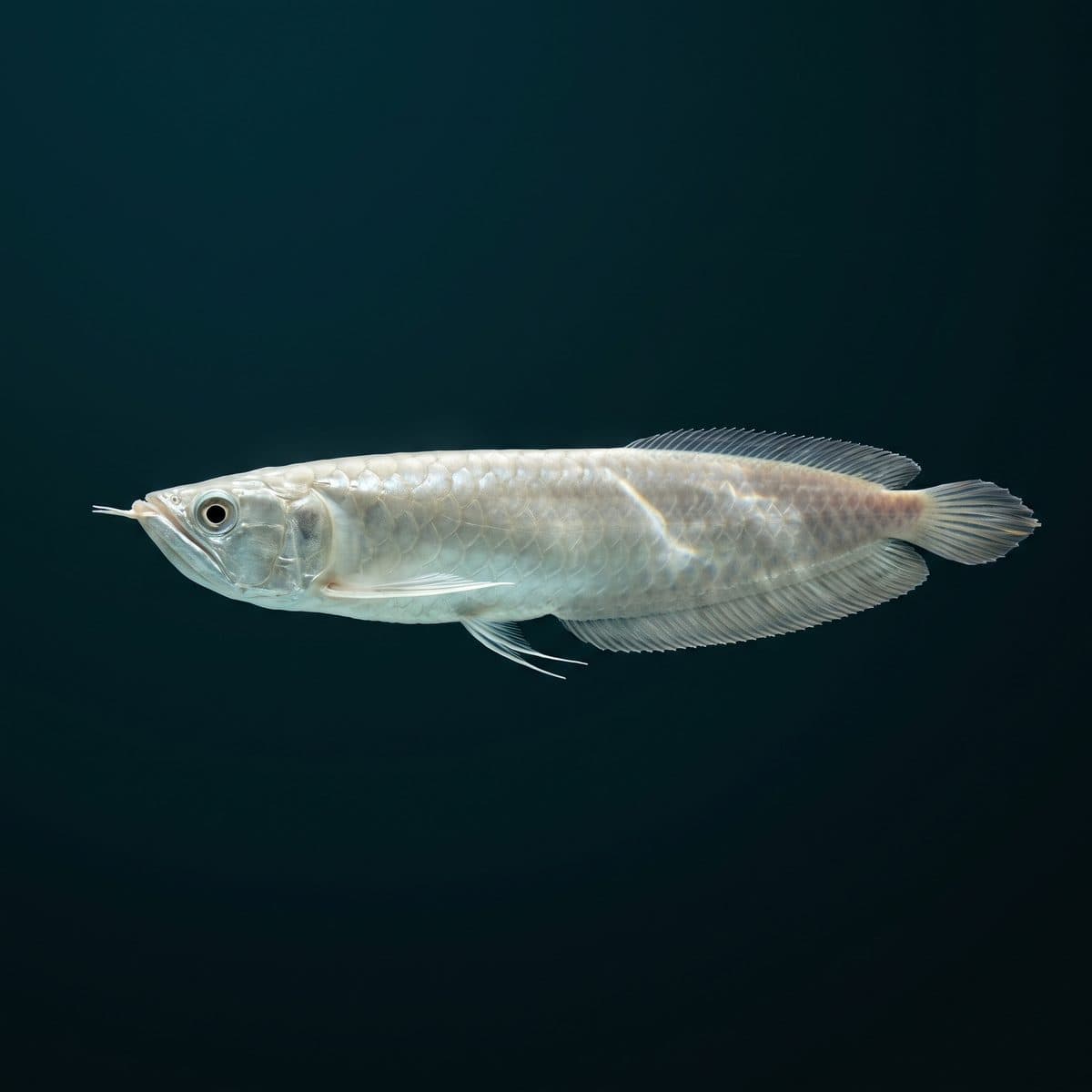
The reality of the exotic fish market is that most species worth collecting never appear in local fish stores. A neighbourhood pet shop might stock a few common cichlids and perhaps a token "exotic" species, but Platinum Arowana, freshwater stingrays, rare plecos, and deep-water marine fish are available only through specialist dealers — and the best specialist dealers operate online.
Online purchasing expands your selection from whatever happens to be in a nearby store to the entire global market. It allows you to source specific species, colour morphs, and size classes that would be impossible to find locally. The trade-off is that you cannot physically inspect the fish before purchasing, which makes dealer evaluation and shipping logistics critically important.
At The Fish Collection, we have shipped thousands of exotic fish across the United States with a live-arrival rate exceeding 99.5 %. The process is safe, reliable, and well-established — but only when both buyer and seller understand their responsibilities.
Evaluating Online Fish Dealers
Not all online fish sellers are created equal. The difference between a reputable dealer and an unreliable one often determines whether your fish arrives healthy or dead on arrival. Here is what to evaluate:
Live-Arrival Guarantees
Any legitimate exotic fish dealer offers a live-arrival guarantee (LAG). This means if the fish arrives dead or in obviously terminal condition, you receive a full refund or replacement. Standard LAG terms require the buyer to photograph the fish in the sealed bag within 2 hours of delivery as proof of condition. Read the fine print — some sellers void the guarantee if the package is held at a FedEx facility or delivered to an address where no one is present to receive it.
At The Fish Collection, our LAG covers the fish for 14 days post-arrival, not just the moment of unboxing. We stand behind the health of every specimen we ship.
Quarantine Protocols
Ask the dealer: do you quarantine fish before shipping? The answer should be yes, with specifics. A reputable dealer quarantines for a minimum of 2–4 weeks, observing for disease, treating prophylactically for common parasites (praziquantel for flukes, metronidazole for flagellates), and ensuring the fish is eating well before shipment. Dealers who ship directly from import without quarantine are transferring disease risk to you.
Shipping and Logistics
Packaging Standards
Professional fish shipping follows a standard protocol:
- Inner bag: Heavy-duty polyethylene bag, double-bagged for puncture resistance, filled 1/3 water and 2/3 pure oxygen, sealed with rubber bands.
- Insulation: Styrofoam shipping box (minimum 1.5-inch wall thickness) that fits inside a cardboard outer box.
- Temperature control: Heat packs in cold weather (below 5 °C / 40 °F ambient) and cold packs in extreme heat (above 35 °C / 95 °F ambient). The heat/cold pack should be wrapped in newspaper and placed outside the inner bag — never in direct contact with the water.
- Shipping method: Insulated, oxygen-packed transit is the standard for all exotic fish. Two-day shipping is acceptable only for extremely hardy species in moderate weather — and even then, it is risky. Never accept ground shipping for live fish.
Seasonal Considerations
Extreme weather is the biggest shipping risk factor. Most reputable dealers will delay shipment during heat waves (sustained temperatures above 35 °C at origin, transit hub, or destination) and polar vortex events (below -10 °C). If a dealer is willing to ship during dangerous weather without additional precautions, that is a red flag.
The safest shipping seasons in the continental US are spring (March–May) and autumn (September–November), when temperatures at transit hubs are moderate. Summer and winter shipments are possible but require more careful coordination and packaging.
Legal Compliance
CITES and Import Permits
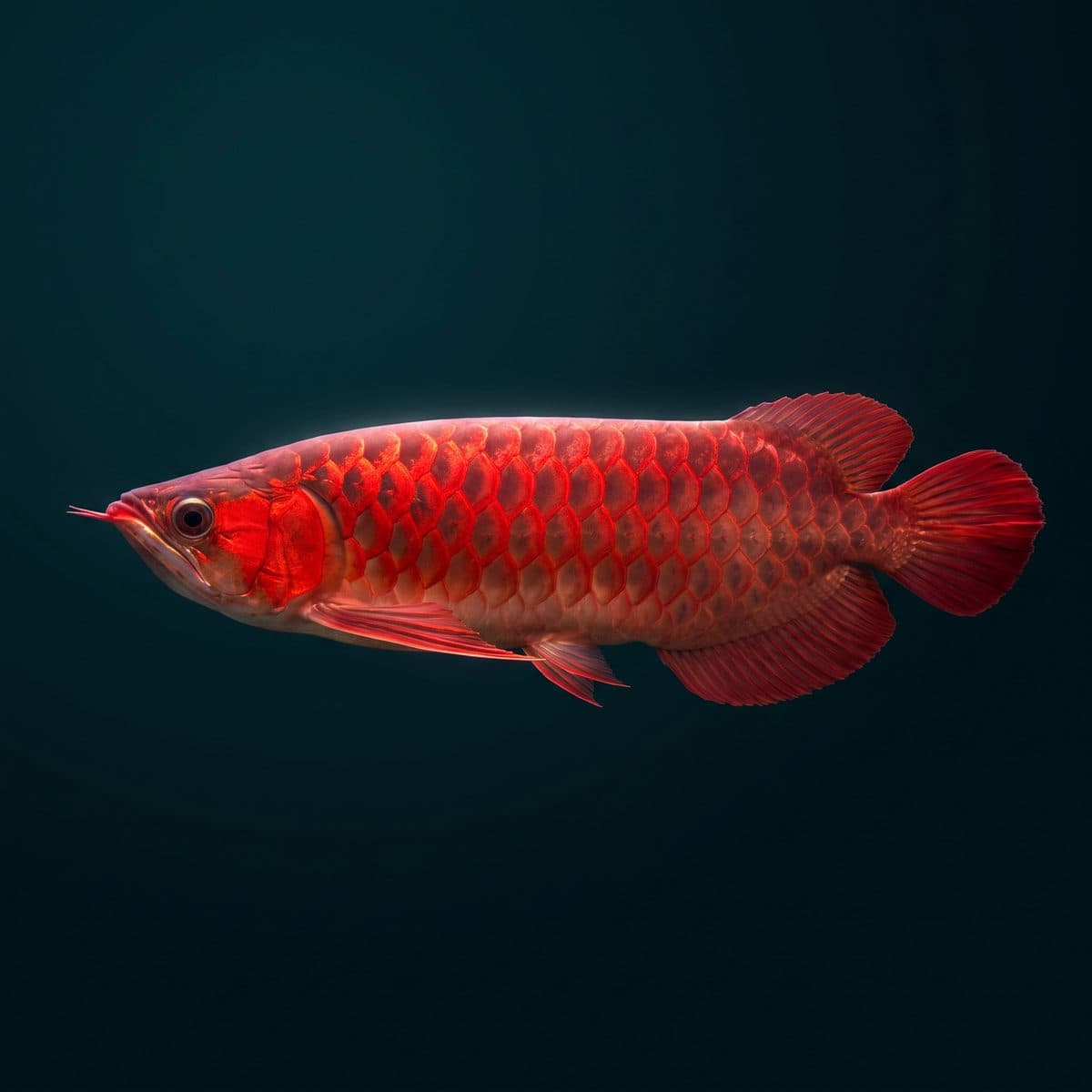
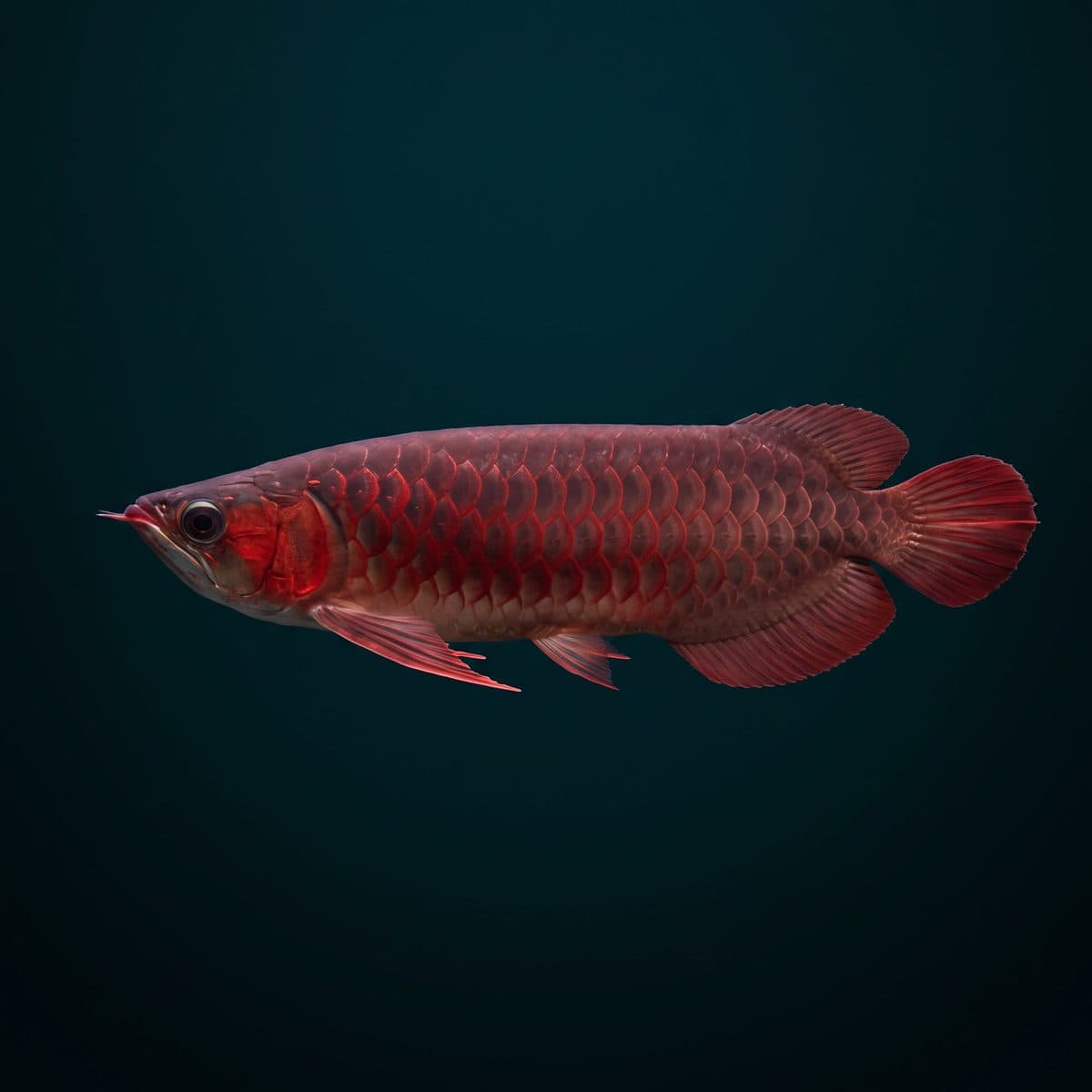
Certain exotic species require CITES documentation. Asian Arowana (CITES Appendix I — captive-bred only) must be accompanied by a CITES certificate and microchip verification. Freshwater stingrays from Brazil face export restrictions. Deep-water marine species may require CITES Appendix II permits depending on the specific species and country of origin.
When purchasing CITES-listed species, the dealer must provide all necessary documentation. If they cannot or will not provide certificates, walk away — you may be purchasing illegally sourced or fraudulently documented fish.
State Restrictions
Several US states restrict or ban specific exotic species:
- Piranhas: Banned in roughly 25 states including California, Texas, New York, and Florida.
- Snakeheads: Federally banned from import and interstate transport since 2002; possession is illegal in most states.
- Asian Arowana: Legal to keep but cannot be imported into the US without a CITES permit (effectively limited to specimens already in the country or legally imported through licensed dealers).
- Freshwater stingrays: Restricted in California, Arizona, Georgia, and several other states.
Always verify your state and municipal regulations before purchasing. A reputable dealer will confirm legality for your shipping address before processing the order. For a detailed breakdown, see our guide to rare fish that are legal to own in the US.
Acclimation Protocol for New Arrivals
Proper acclimation bridges the gap between shipping water chemistry and your tank parameters. Rushing this step kills more newly arrived fish than shipping stress does.
- Float the sealed bag in your quarantine tank for 15–20 minutes to equalise temperature.
- Open the bag and roll down the edges to create a floating "bowl."
- Drip acclimate: Using airline tubing with a control valve, drip tank water into the bag at a rate of 2–4 drops per second. Continue until the bag volume has roughly tripled (45–90 minutes depending on drip rate).
- Net the fish out of the bag and release into the quarantine tank. Discard the bag water — never pour shipping water into your system. Shipping water contains ammonia, stress hormones, and potential pathogens.
- Dim the lights for 12–24 hours post-arrival. Keep the quarantine tank covered to reduce visual stress.
- Do not feed for the first 24–48 hours. Let the fish settle before offering food.
Maintain the new fish in quarantine for a minimum of 30 days, monitoring for disease, parasites, and normal feeding behaviour before introducing it to your display tank.
Red Flags and Scams to Avoid
The exotic fish market, like any high-value collector market, attracts fraudulent sellers. Watch for:
- Prices too good to be true. A "Platinum Arowana" offered at $5,000 when verified specimens start at $100,000 is either misidentified, fraudulently labelled, or stolen.
- No live-arrival guarantee. Legitimate dealers always offer LAG. "All sales final" on live fish is unacceptable.
- Stock photos instead of actual specimen photos. For any fish over $200, you should receive photos or video of the exact specimen you are purchasing.
- Payment via wire transfer or cryptocurrency only. Reputable dealers accept credit cards, which provide chargeback protection for the buyer.
- No physical address or verifiable business registration. Check business registration, reviews on aquarium forums, and social media history before sending money.
- Missing CITES documentation for listed species. If the dealer cannot produce certificates for Arowana or other CITES-listed fish, the specimens may be illegally sourced.
Where to Buy Exotic Fish Online
The best online sources for exotic fish combine extensive quarantine, transparent sourcing, live-arrival guarantees, and post-sale support. The Fish Collection specialises in rare and exotic freshwater species — Arowana, stingrays, premium cichlids, rare plecos, and more — with every specimen quarantined, photographed, and shipped tracked with a 14-day health guarantee.
Beyond The Fish Collection, reputable specialist dealers can be found on aquarium forums like MonsterFishKeepers, Reef2Reef, and PlantedTank, where years of transaction feedback provide genuine accountability. Avoid impulse purchases from social media sellers without verifiable track records.
The bottom line: buying exotic fish online is safe, efficient, and opens access to species you will never find locally. Do your due diligence on the dealer, have a quarantine system ready, and follow proper acclimation — and you will build a collection that would be impossible any other way.