Advanced
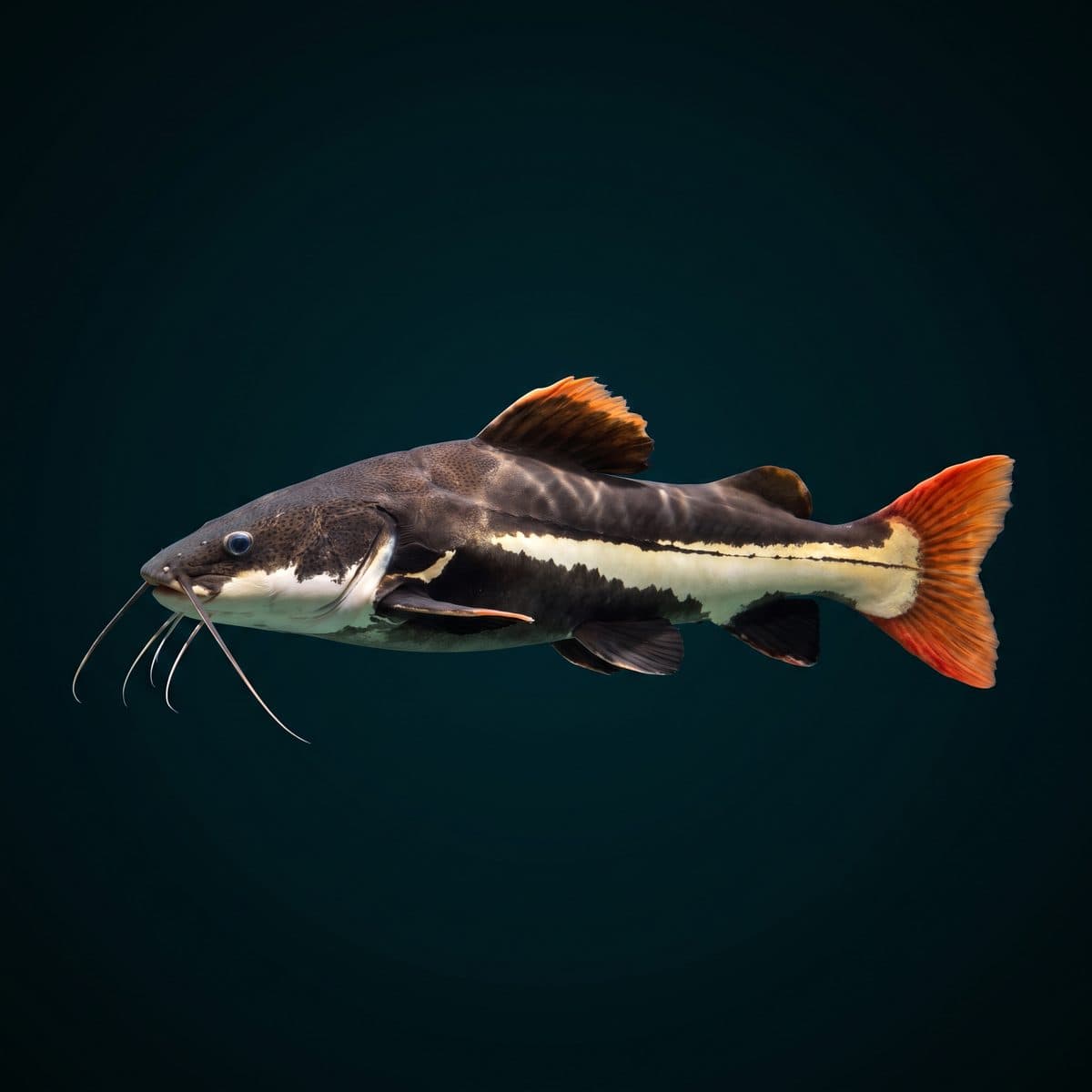
Red Tail Catfish
Phractocephalus hemioliopterus
From $180Get a quote
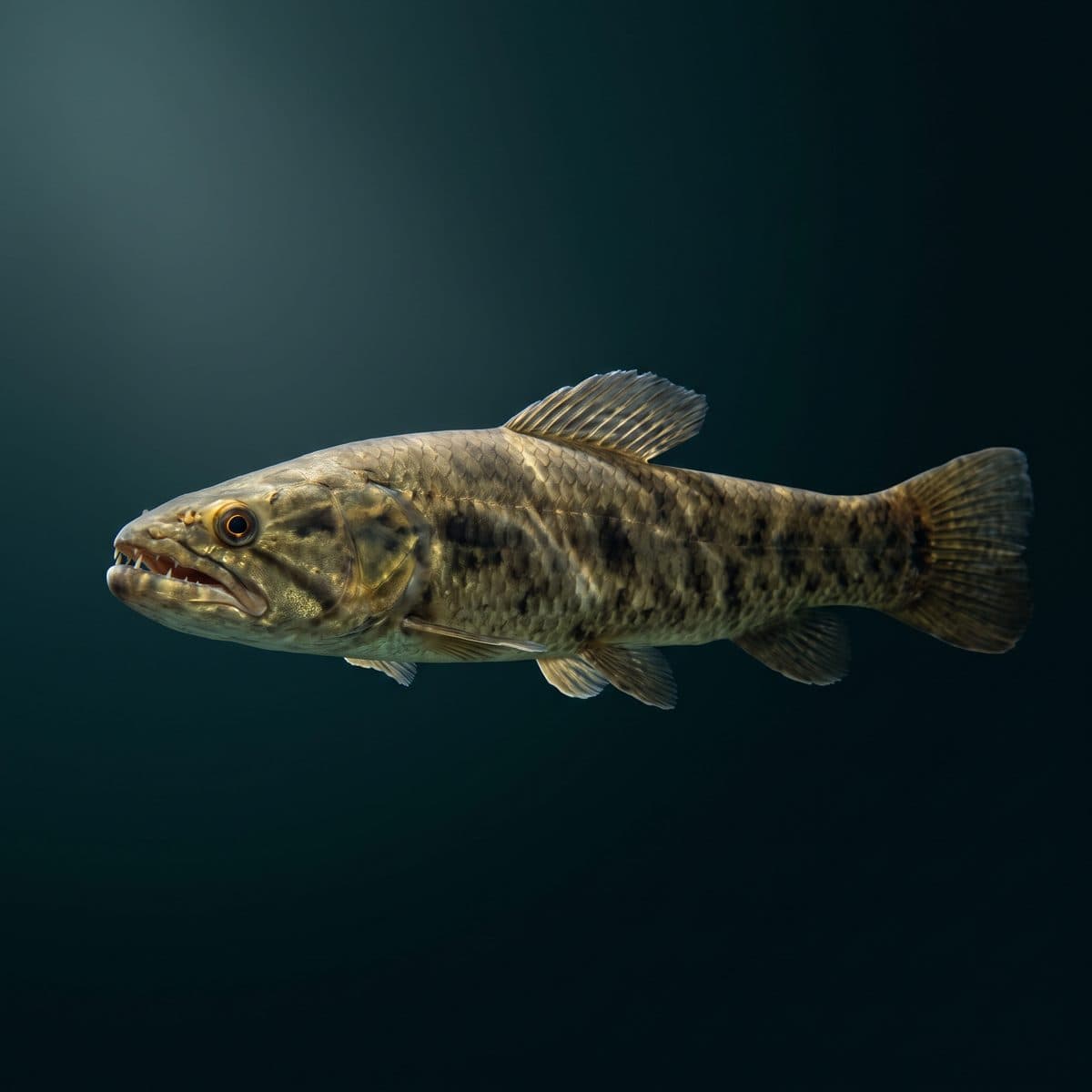
Hoplias malabaricus
The Wolf Fish is the Amazon basin's answer to the question "what would happen if you gave a largemouth bass a mouthful of fangs and the temperament of a cornered wolverine?" Hoplias malabaricus is a sit-and-wait predator of extraordinary patience and explosive violence — a fish that can remain motionless for hours, then strike with a speed and ferocity that leaves even experienced monster-fish keepers momentarily stunned. At The Fish Collection, we source our Wolf Fish from trusted South American exporters who collect sustainably from Amazonian tributaries where the species is abundant and ecologically stable.
Insulated, oxygen-packed transit · live-arrival guaranteed
Tank size
150+ gallons
Temperament
Highly aggressive
Diet
Carnivore
Water
75–82°F · pH 6–7.5
Tell us what you're dreaming of — we'll reply with a price tailored to you.
Not sure if this fish is right for you?
Our team will happily help you choose.
The Wolf Fish is the Amazon basin's answer to the question "what would happen if you gave a largemouth bass a mouthful of fangs and the temperament of a cornered wolverine?" Hoplias malabaricus is a sit-and-wait predator of extraordinary patience and explosive violence — a fish that can remain motionless for hours, then strike with a speed and ferocity that leaves even experienced monster-fish keepers momentarily stunned. At The Fish Collection, we source our Wolf Fish from trusted South American exporters who collect sustainably from Amazonian tributaries where the species is abundant and ecologically stable.
What distinguishes the Wolf Fish from other predatory species is the sheer mechanical efficiency of its feeding apparatus. The jaws are lined with interlocking, canine-like teeth that grip prey with a force disproportionate to the fish's size. A two-foot Wolf Fish can subdue prey nearly half its own length — a capability that makes tankmate selection not just important but existential. Any fish that fits in the Wolf Fish's mouth — and several that you would assume do not — will eventually be eaten. This is a species that should be kept alone or with equally large, robust predators in a tank spacious enough to establish separate territories.
Our current specimens are approximately six inches long, healthy, feeding aggressively on frozen silversides and live feeders, and displaying the characteristic mottled brown-and-olive patterning that provides camouflage in their natural leaf-litter habitat. As they grow — and they will reach 24 inches in a suitably sized aquarium — the coloration deepens and individual variation becomes more pronounced. Some specimens develop a reddish undertone that is particularly striking under warm lighting.
A 150-gallon aquarium is the minimum for an adult Wolf Fish. The tank should feature subdued lighting, a dark substrate, and ample cover in the form of driftwood tangles, rock caves, and dense plant clusters (real or artificial). Wolf Fish are predominantly nocturnal and will spend daylight hours hidden in their chosen ambush site. Watching a Wolf Fish emerge at dusk, patrol its territory with deliberate, measured movements, and then snap into strike mode is one of the most dramatic behavioral displays in predatory fishkeeping.
Water chemistry is undemanding: 75 to 82 degrees Fahrenheit, pH of 6.0 to 7.5, and soft to moderately hard water. The species tolerates a range of conditions and is generally hardy once established. Filtration should be robust — canister filters or a sump rated well above the tank's volume — as the Wolf Fish produces significant waste after large meals. Weekly water changes of 25 to 30 percent maintain the clean conditions this species deserves.
Diet consists of live and frozen fish, shrimp, and other meaty items. We begin weaning our juveniles onto frozen foods early, and most of our specimens readily accept thawed silversides, smelt, and prawn by the time they ship. Live feeders from quarantined sources can be offered as enrichment, but a Wolf Fish that accepts frozen foods is significantly easier and safer to maintain long-term.
With a lifespan of 15 to 20 years, the Wolf Fish is a long-term companion for the dedicated predatory fish enthusiast. It is not flashy, it is not colorful, and it will never beg for attention like a Flowerhorn. What it offers instead is primal, unfiltered predatory behavior — the raw mechanics of ambush hunting, distilled into an aquarium-sized package. For keepers who appreciate that, there is nothing else quite like it.
Common Questions
Expert Resources
Species Guide
The Wolf Fish (<em>Hoplias malabaricus</em>) is the apex freshwater predator of South America, found in virtually every river system from the Orinoco to the Paraná. Known in its native range as "Traíra," this robust characiform is built for one purpose: to hunt. With a mouth full of canine-like teeth, explosive strike speed, and the tenacity to survive in oxygen-depleted swamps, the Wolf Fish is the ultimate predator-keeper's fish. This guide covers everything from tank requirements and feeding protocols to breeding behaviour and safe handling practices.
Read full guide →Care Guide
A species-group-specific water parameter guide for cichlid keepers, covering African Rift Lake, South American, and Central American cichlids with exact ranges, adjustment methods, and monitoring protocols.
Read care guide →You Might Also Like
From $280
Indicative price