Overview
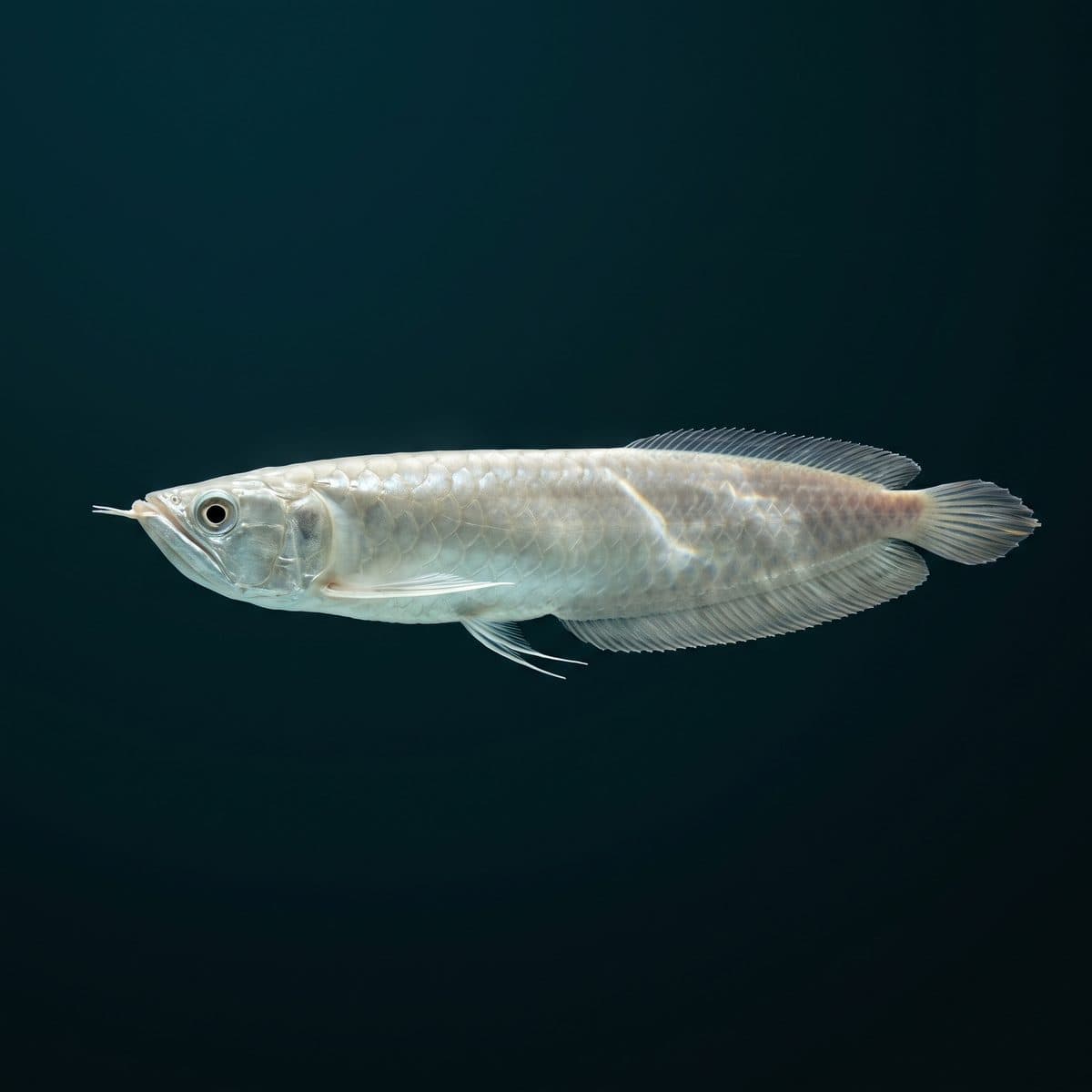
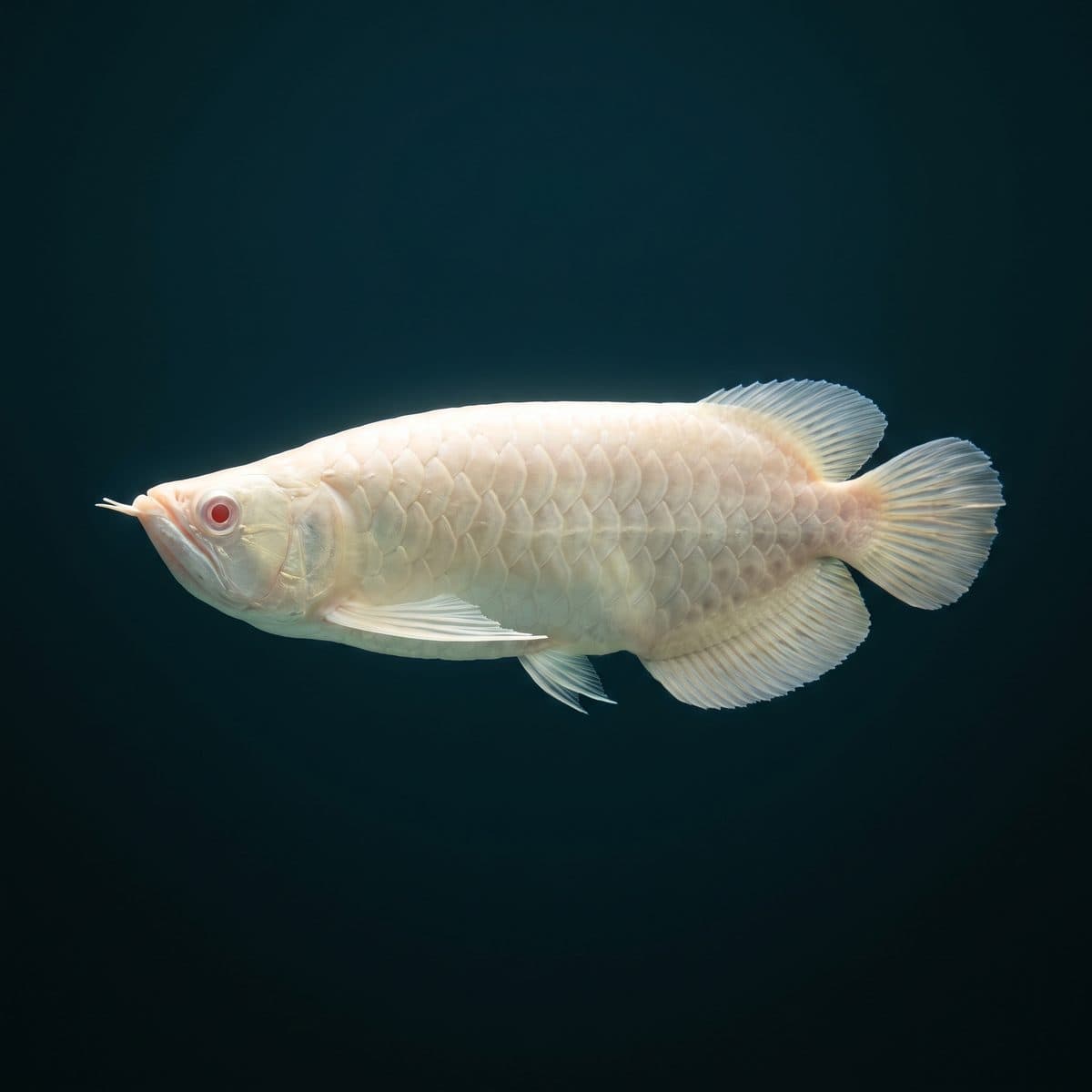
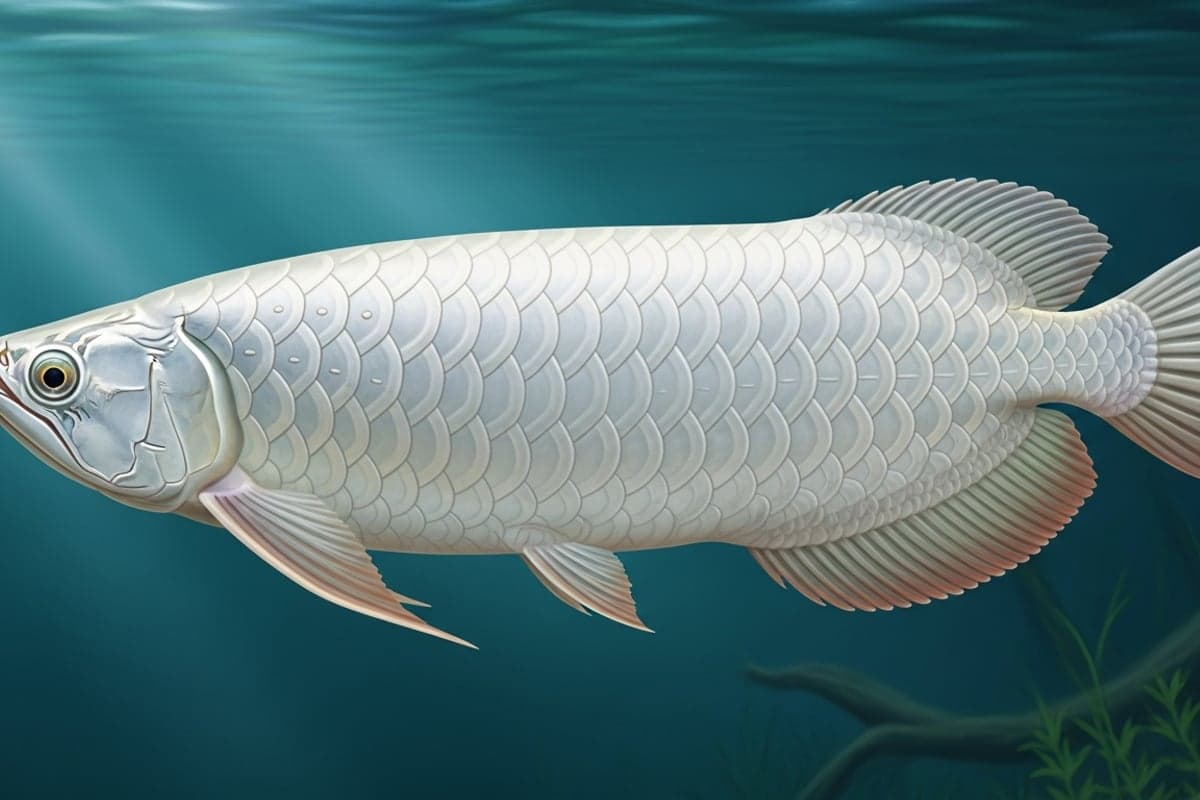
The Platinum Arowana is the leucistic expression of the Asian Arowana (Scleropages formosus), a CITES Appendix I species whose wild populations span the blackwater peat swamps of Southeast Asia. Unlike albino variants, true Platinums retain dark eye pigmentation while their body scales display a uniform, mirror-finish white-silver colouration that intensifies with age. The genetic mutation responsible is recessive, making captive production of verified Platinums extraordinarily rare — fewer than a dozen certified breeding facilities worldwide can produce them with any consistency.
At The Fish Collection, we have handled Platinum Arowana since 2012 and maintain direct relationships with CITES-licensed farms in Malaysia and Indonesia. Every specimen we sell ships with a microchip-verified CITES certificate, a DNA parentage report, and a veterinary health clearance dated within 72 hours of dispatch. This guide distils our first-hand experience into a practical care manual for collectors who understand that owning this fish is a decades-long commitment.
Because the Platinum Arowana commands prices that rival fine art, the aquarium infrastructure must be treated with equal seriousness. Cutting corners on tank size, filtration, or water quality will not only compromise the fish's health but can diminish the very colouration that makes the specimen valuable. We have seen too many collectors lose six-figure fish to preventable husbandry errors; this guide exists to ensure you are not among them.
Natural Habitat
Wild Scleropages formosus inhabit slow-moving blackwater rivers, peat swamp forests, and floodplain lakes across Peninsular Malaysia, Borneo, Sumatra, and portions of mainland Southeast Asia. These environments are defined by exceptionally soft water — total dissolved solids often below 20 ppm — with a pH that can dip as low as 4.0 during the wet season. The water is heavily tannin-stained, reducing light penetration and creating the dim conditions Arowana prefer.
Surface temperatures in these habitats range from 26 °C to 32 °C, with negligible seasonal variation owing to the equatorial climate. The substrate is typically a deep layer of decomposing leaf litter over peat, and overhead canopy limits direct sunlight. Arowana are surface-oriented predators; in the wild they patrol the upper water column, striking insects, frogs, and small birds that venture too close to the surface.
Understanding this ecology is critical because it explains the species' behavioural needs in captivity. Platinum Arowana require low-to-moderate lighting, minimal surface agitation (they are gulp-breathers that supplement dissolved oxygen with atmospheric air), and a long, unobstructed swimming lane at the surface. Aquascaping that blocks their patrol route or forces them into open, brightly lit conditions will trigger chronic stress and colour fade.
Tank Requirements
Tank Dimensions & Material
A single adult Platinum Arowana requires a minimum aquarium of 300 gallons (1,135 litres), with internal dimensions of at least 240 cm long × 75 cm wide × 60 cm tall (96 × 30 × 24 inches). Length and width matter far more than height — Arowana are surface fish that rarely venture below mid-water. For collectors housing a specimen they intend to keep for its full 20+ year lifespan, we recommend a 500-gallon (1,900 L) system measuring 300 × 90 × 70 cm.
Glass thickness should be a minimum of 19 mm (¾ in) for tanks under 400 gallons, and 25 mm (1 in) for larger builds. Many serious keepers opt for acrylic, which is lighter and offers superior optical clarity, though it scratches more easily. The tank must have a heavy, secure lid — Arowana are notorious jumpers capable of clearing 1.5 metres. Use a weighted glass or polycarbonate canopy with no gaps wider than 5 mm.
Filtration & Flow
Biological filtration capacity should target a turnover rate of 8–10× the tank volume per hour. For a 300-gallon system, this means a combined pump output of approximately 9,000–11,000 litres per hour. A large sump (80–120 gallons) housing ceramic bio-media, a fluidised K1 moving-bed reactor, and a 57-watt UV steriliser is the gold standard. Canister filters are acceptable as supplementary mechanical filtration but should not be the primary biological stage.
Surface agitation must be kept gentle. Direct the sump return along the back wall and angled slightly downward to avoid disrupting the surface film. A surface skimmer is advisable to remove the protein film that accumulates in predator tanks fed a high-protein diet. Maintain ammonia and nitrite at 0 ppm at all times — Arowana are intolerant of any measurable nitrogenous waste. Nitrate should be held below 20 ppm through a disciplined 25–30% weekly water-change regime.
Lighting
Platinum Arowana display best under low-to-moderate lighting in the 6,500–8,000 K colour temperature range. Excessive blue-spectrum lighting (>10,000 K) will wash out the fish's metallic lustre. Many keepers use dimmable LED bars set to 40–60% intensity on an 8–10 hour photoperiod. Tanning LEDs (red/amber spectrum supplementation) can intensify the reflective quality of Platinum scales without the heat output of traditional metal halide fixtures.
Water Parameters
Maintaining stable water chemistry is non-negotiable. Target the following ranges:
- Temperature: 26–30 °C (78–86 °F). Use a titanium inline heater rated for your tank volume; avoid submersible glass heaters, which Arowana can shatter.
- pH: 6.0–7.0. Stability matters more than hitting the low end. A pH swing of more than 0.3 units in 24 hours is more dangerous than a steady pH of 7.2.
- General Hardness (GH): 1–8 dGH (18–140 ppm).
- Carbonate Hardness (KH): 1–5 dKH. Low KH provides the soft conditions Arowana prefer but requires careful buffering to prevent pH crashes. Maintain at least 2 dKH for safety.
- Ammonia / Nitrite: 0 ppm — always.
- Nitrate: <20 ppm. In heavily stocked predator tanks, twice-weekly water changes may be necessary.
- TDS: 50–150 ppm. Use an RO/DI unit if your municipal supply exceeds 200 ppm TDS.
Perform water changes with temperature-matched, dechlorinated water. Arowana are sensitive to chloramine — if your water utility uses chloramine, treat replacement water with a dedicated chloramine neutraliser (sodium thiosulfate alone is insufficient). We recommend Seachem Prime or equivalent at double the label dose for chloramine-treated supply.
Diet & Feeding
Platinum Arowana are obligate carnivores. In the wild, their diet consists primarily of terrestrial insects, small amphibians, crustaceans, and surface-dwelling fish. In captivity, a varied diet is essential both for nutrition and to maintain the feeding response that keeps Arowana active and alert.
A balanced weekly feeding schedule for an adult specimen (50+ cm) might include:
- Monday/Thursday: 4–6 large market prawns (shell-on, deveined, heads removed) supplemented with a vitamin soak (Brightwell Aquatics Vitamarin-M or equivalent).
- Tuesday/Friday: 15–20 gut-loaded crickets or superworms. Gut-load with high-carotenoid vegetables (carrot, sweet potato) 24 hours prior to feeding.
- Wednesday: High-quality Arowana pellets — Hikari Arowana Sticks or Northfin Arowana Formula. Offer 8–12 pellets per session.
- Saturday: 2–3 small feeder frogs (captive-bred only — never wild-caught, which carry parasites) or a single thawed silversides fillet.
- Sunday: Fast day. Fasting supports digestive health and reduces nitrate output.
Avoid feeder goldfish entirely. They are nutritionally poor, carry disease, and their thiaminase content degrades vitamin B1 over time. If you must feed live fish, use captive-bred guppies or mollies quarantined for a minimum of 14 days.
Behaviour & Temperament
Platinum Arowana are solitary, territorial apex predators. In the confined space of even a large aquarium, they will not tolerate conspecifics — housing two Arowana together almost invariably results in severe injury or death to the subordinate fish. They are intelligent and will recognise their keeper, often surfacing to greet the person who feeds them while remaining wary of strangers.
Arowana patrol the surface in a continuous circuit. A tank that is too short forces them to turn constantly, which over time can lead to spinal deformities and the dreaded "drop eye" condition. This is why we stress minimum tank lengths of 240 cm — and strongly prefer 300 cm for adult fish.
Compatible Tank Mates
Tank mates must be large enough to avoid predation (anything under 15 cm will be eaten), robust enough to withstand an occasional territorial display, and occupy the mid-to-bottom water column so they do not compete for surface territory. Proven companions include:
- Plecostomus — Common Pleco, Royal Pleco, or Sailfin Pleco (30+ cm adults).
- Bichirs — Polypterus endlicherii or P. ornatipinnis. Their armoured scales provide protection from Arowana strikes.
- Large catfish — Red Tail Catfish (Phractocephalus hemioliopterus), though only in 500+ gallon systems.
- Freshwater stingrays — Motoro or Black Diamond rays pair well in wide tanks (90+ cm front to back).
- Silver Dollars — A school of 8+ adult Metynnis hypsauchen can serve as dither fish in very large systems.
Avoid all cichlids except the most placid species (Severums, Geophagus). Oscars are too confrontational, and Flowerhorn will actively challenge the Arowana for dominance.
Breeding
Captive breeding of Platinum Arowana is almost exclusively conducted by licensed farms in Southeast Asia operating under CITES-authorised programmes. The species is a paternal mouthbrooder: after the female deposits 30–60 large (12–15 mm diameter) eggs, the male incubates them in his buccal cavity for 60–90 days. During this period, the male does not eat.
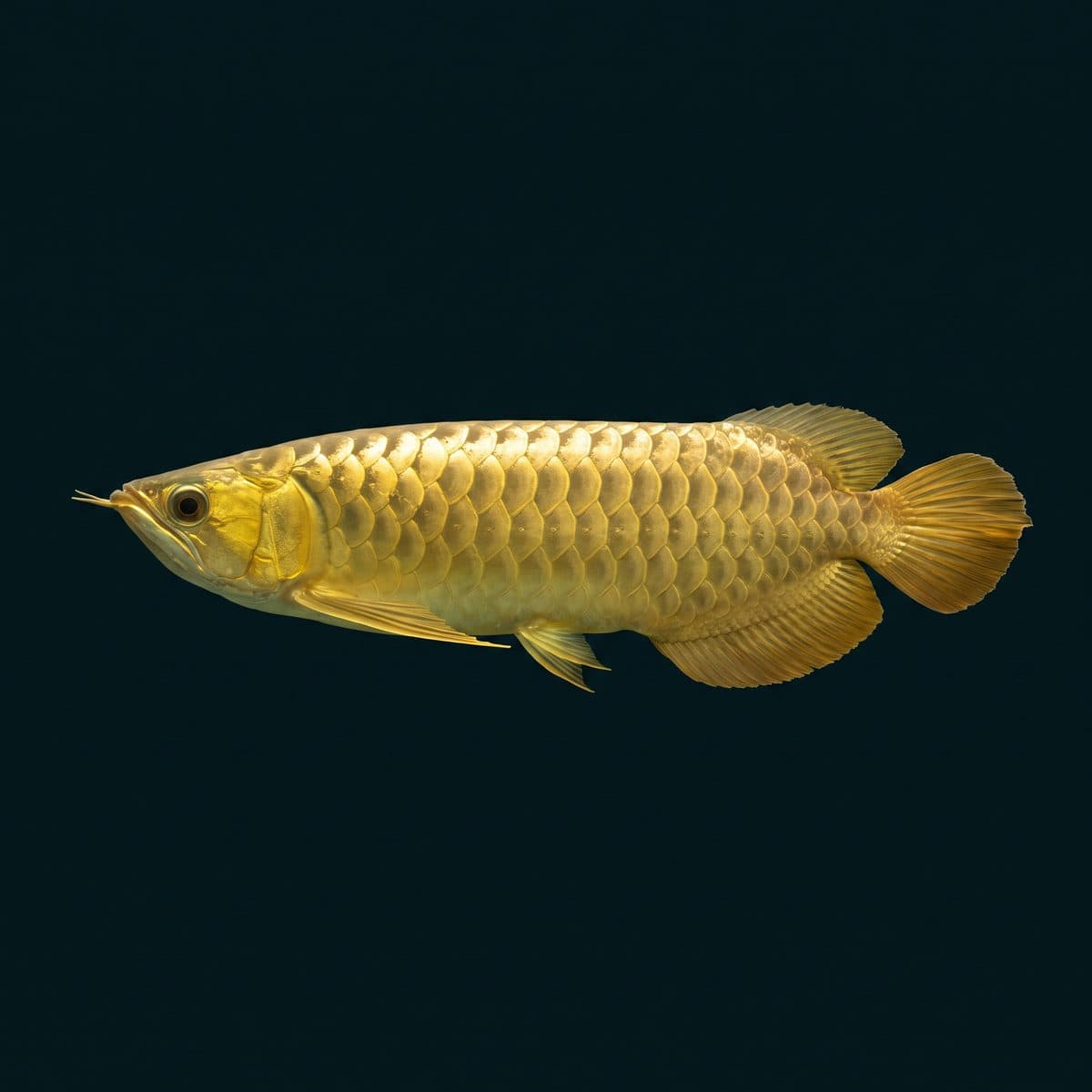
Producing Platinum offspring requires pairing two heterozygous carriers of the leucistic gene. Statistically, only 25% of the resulting fry will express the full Platinum phenotype. Farms typically raise fry to 15–20 cm before grading — specimens that fail to maintain uniform Platinum colouration are sold as standard Golden or Silver-grade Arowana.
Home breeding is not feasible for the vast majority of keepers. It requires multiple ponds exceeding 5,000 gallons, precise manipulation of seasonal flood cycles via water-level changes, and years of conditioning paired adults. If you are interested in breeding-programme investment, The Fish Collection can connect you with licensed facilities that accept partner capital.
Common Health Issues
Drop Eye
Drop eye is a condition in which one or both eyes rotate permanently downward. The exact aetiology is debated, but contributing factors include tanks that are too shallow (the fish looks down at substrate-level activity), excessive overhead lighting, and high-fat diets that cause retroorbital fat accumulation. Prevention is straightforward: maintain a minimum water depth of 55 cm, position tank mates that move in the mid-to-upper column, and avoid fatty feeder fish. Surgical correction exists but carries anaesthetic risk and is not guaranteed to be permanent.
Gill Curl
Gill curl occurs when the gill plates warp outward, exposing the delicate gill filaments. Poor water quality — specifically chronically elevated nitrate (>40 ppm) or pH instability — is the primary cause. Early-stage gill curl can sometimes be reversed by improving water quality and increasing dissolved oxygen. Advanced cases require surgical trimming of the gill plate under anaesthesia by a qualified aquatic veterinarian.
Other conditions to monitor include anchor worm (Lernaea), Aeromonas bacterial infections (presenting as red ulcers), and internal parasites from wild-caught feeder organisms. A prophylactic quarantine period of 4–6 weeks with observation is advisable for any new Arowana, even from trusted sources.