Overview
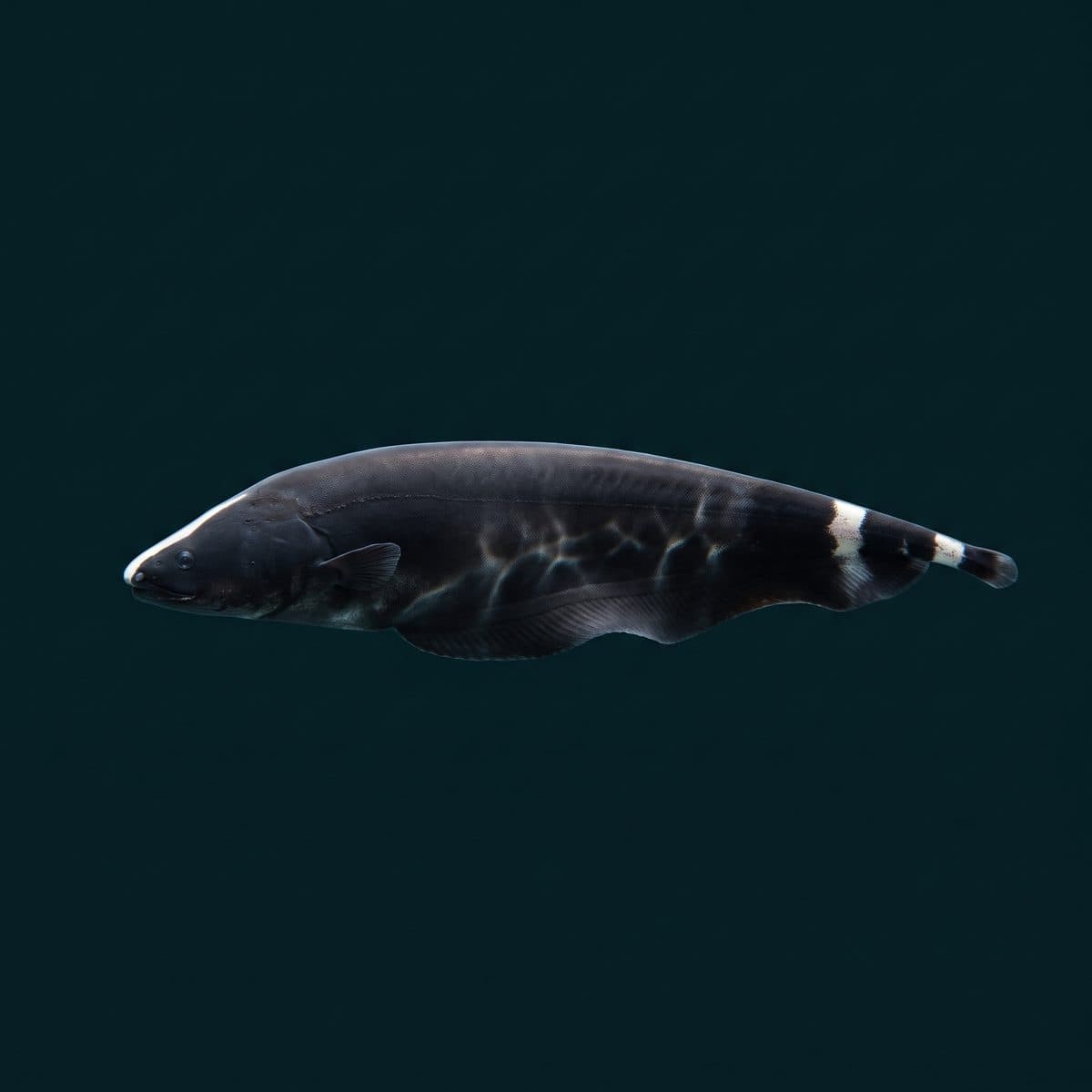
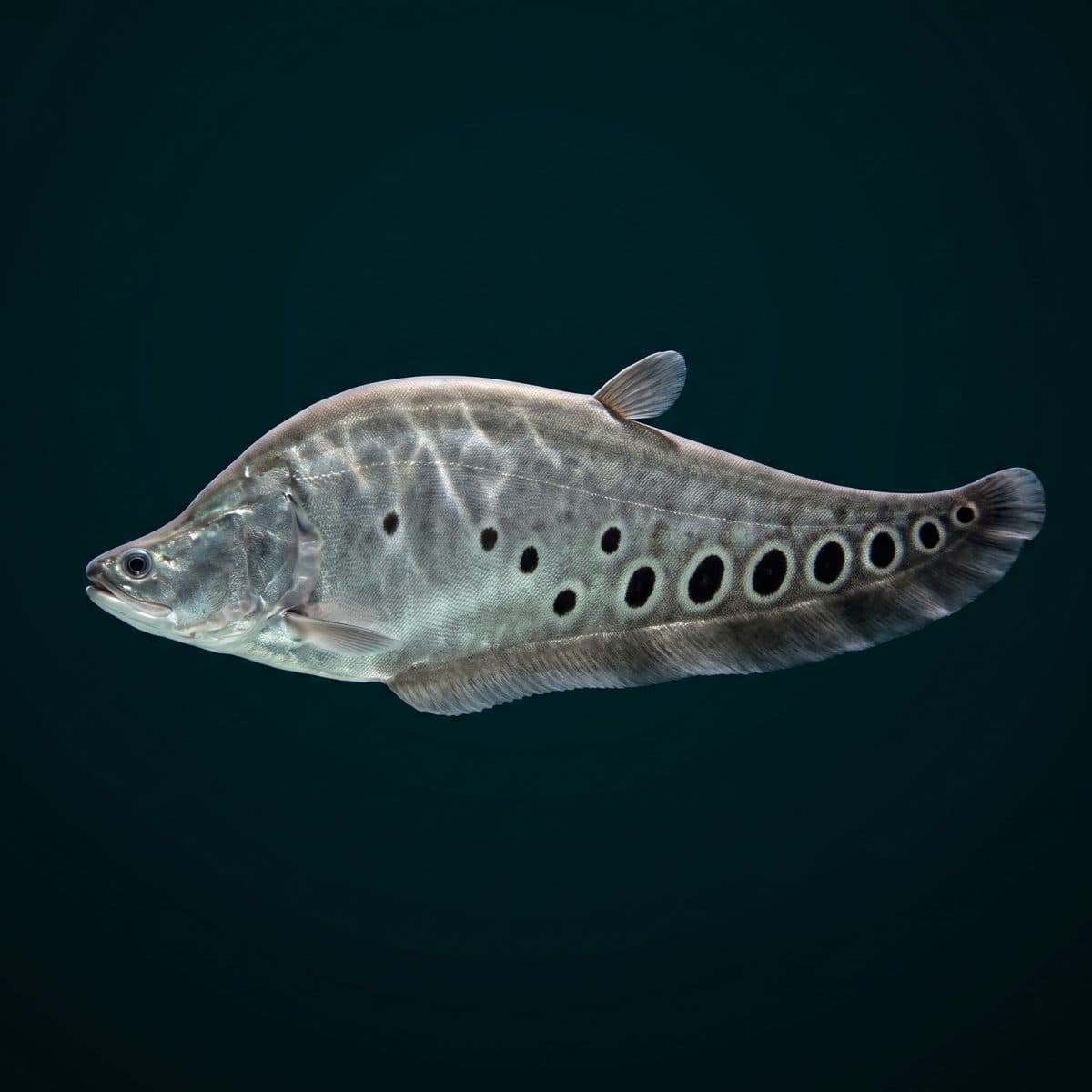
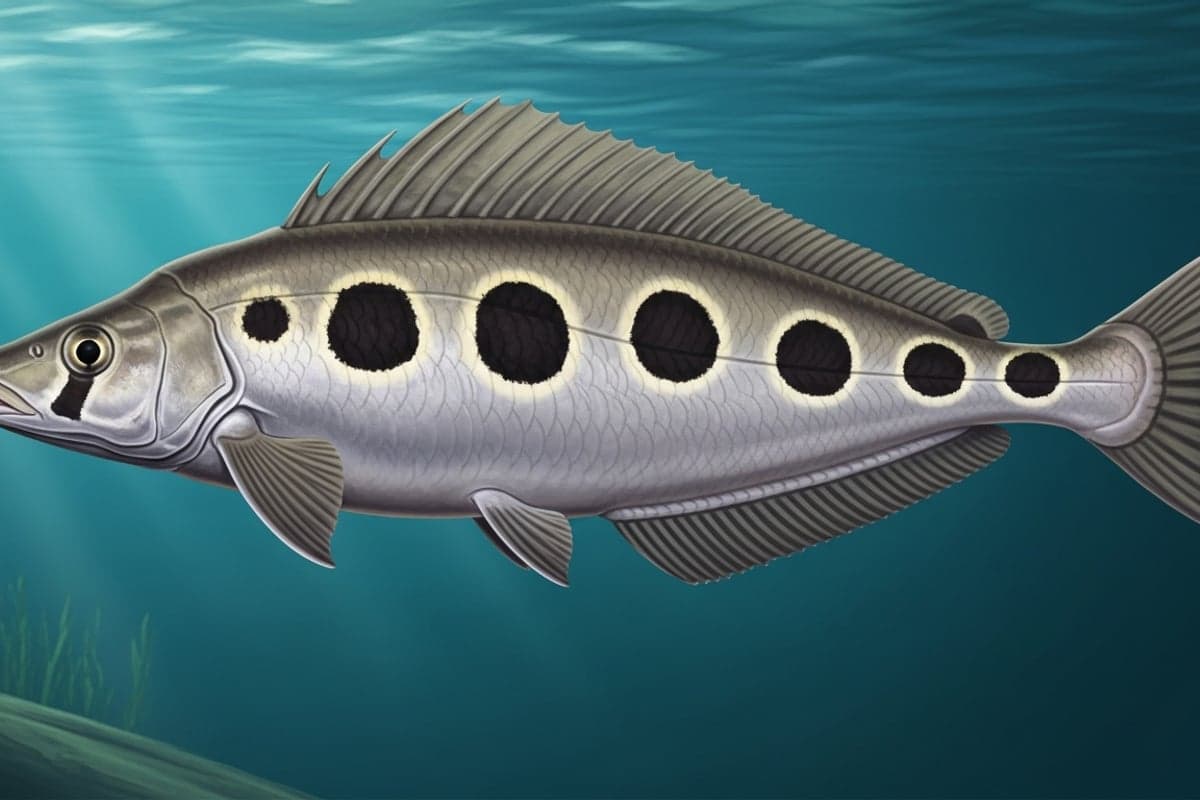
The Clown Knife Fish (Chitala ornata) is one of the most recognisable freshwater predators in the aquarium trade. Native to the river systems of mainland Southeast Asia — from the Mekong and Chao Phraya basins to the lakes and canals of Thailand, Laos, Cambodia, and Vietnam — it is characterised by a dramatically compressed, blade-like body profile, an elongated anal fin that undulates to propel the fish with eerie grace, and a row of 5–15 ocellated (eye-like) spots along the lower body that give it its common name.
In its native range, Chitala ornata is both an important food fish and a cultural icon. It features prominently in Thai and Cambodian cuisine (particularly as the base for fish balls and fish cakes) and has been introduced — often detrimentally — to non-native waterways in Florida, where feral populations are now established. In the aquarium trade, juvenile Clown Knives are widely available and inexpensive, which unfortunately leads to impulse purchases by keepers unprepared for a fish that will rapidly grow to 60–100 cm and live for over a decade.
At The Fish Collection, we emphasise responsible ownership. A Clown Knife Fish is a long-term commitment that requires a large aquarium, robust filtration, and a knowledgeable keeper. This guide provides everything you need to know to make an informed decision and, if you choose to proceed, to provide the highest standard of care for this magnificent predator.
Natural Habitat
Chitala ornata inhabits a broad range of freshwater environments across mainland Southeast Asia, from large rivers and reservoirs to canals, floodplain lakes, and even brackish estuarine zones. It shows a strong preference for slow-moving or still water with dense structure — submerged timber, root tangles, overhanging vegetation, and undercut banks provide the cover these ambush predators require. Water in their native range is typically warm (25–30 °C), neutral to slightly acidic (pH 6.0–7.5), and soft to moderately hard (GH 2–12 dGH).
Clown Knife Fish are primarily crepuscular and nocturnal hunters. During daylight hours, they rest motionless among structure, often oriented head-down or at unusual angles — a behaviour that can alarm new keepers but is entirely normal. At dusk, they emerge to hunt smaller fish, crustaceans, and aquatic insects using a combination of electroreception (they possess a weak electric organ) and lateral line detection of water displacement.
An important ecological note: Clown Knife Fish are obligate air-breathers. They possess a modified swim bladder that functions as a primitive lung, allowing them to extract atmospheric oxygen by gulping at the surface. In the wild, this adaptation enables survival in oxygen-depleted waters during the dry season. In captivity, it means the fish must always have unobstructed access to the water surface — tight-fitting lids must include ventilation gaps.
Tank Requirements
Tank Dimensions & Layout
An adult Clown Knife Fish requires a minimum 200-gallon (760 L) aquarium measuring at least 210 cm long × 60 cm wide × 60 cm tall (84 × 24 × 24 inches). For specimens exceeding 70 cm, a 300-gallon system with a 240+ cm footprint is strongly recommended. Length is the primary consideration — Clown Knives are fast swimmers when alarmed and need ample turning room to avoid injury.
Layout should provide structure along the back and sides of the tank while leaving the central area open for swimming. Large pieces of driftwood, PVC pipe sections (15–20 cm diameter), and sturdy rock formations create the sheltered resting zones the fish requires during the day. Substrate is optional — bare-bottom tanks are easier to maintain for large predators, but fine sand is acceptable. Avoid sharp gravel or rough decorations.
Filtration & Flow
A large sump system is the gold standard for Clown Knife Fish tanks. Target a turnover rate of 6–8× the tank volume per hour with a combination of mechanical, biological, and chemical filtration. For a 200-gallon system, this means a sump capable of moving 4,500–6,000 litres per hour. Include ample bio-media (ceramic, K1, or Seachem Matrix), a filter sock or roller mat for mechanical prefiltration, and a UV steriliser (36–57 W) for pathogen control.
Flow should be moderate. Clown Knives are not current-loving fish and will avoid areas with strong flow. Direct the return outlet along the back wall and use a spray bar to diffuse the output. Because these fish are obligate air-breathers, there must be a gap between the water surface and the tank lid — a minimum of 5 cm — to allow comfortable surface access for breathing.
Lighting
Clown Knife Fish are nocturnal and dislike bright lighting. Under intense illumination, they will hide constantly and may become chronically stressed, leading to reduced feeding and colour fade. Dimmable LED fixtures set to 20–40% intensity work well. Floating plants can diffuse overhead light while providing additional cover. A blue or red moonlight phase allows the keeper to observe the fish during its active nocturnal period without causing disturbance.
Water Parameters
Clown Knife Fish are reasonably tolerant of a range of water conditions but perform best within the following parameters:
- Temperature: 24–28 °C (75–82 °F). Avoid temperatures below 22 °C, which suppress appetite and immune function.
- pH: 6.0–7.5. These fish are adaptable and will thrive anywhere in this range provided stability is maintained.
- General Hardness (GH): 2–12 dGH (36–215 ppm).
- Carbonate Hardness (KH): 2–8 dKH.
- Ammonia / Nitrite: 0 ppm — always.
- Nitrate: <30 ppm. Weekly 25–30% water changes maintain this in most setups.
Water changes should use temperature-matched, dechlorinated water. Clown Knife Fish are less sensitive to medication than scaleless species like Fire Eels, but caution should still be exercised with copper-based treatments. Always quarantine new additions and avoid prophylactic use of broad-spectrum antibiotics.
Diet & Feeding
Clown Knife Fish are dedicated carnivores that require a protein-rich diet. In the wild, they consume fish, crustaceans, and large aquatic insects. In captivity, the challenge is transitioning specimens from live food to a varied diet that includes prepared foods for long-term nutritional balance.
Recommended foods:
- Market prawns — shell-on, deveined, heads removed. The staple food for most keepers. Offer 4–6 prawns per session for an adult.
- Earthworms (nightcrawlers) — highly nutritious and readily accepted. Excellent for newly acquired specimens that refuse other foods.
- Frozen silversides or smelt — whole small fish provide complete nutrition including bones and organs.
- Hikari Massivore pellets — sinking pellets that most Clown Knives can be trained to accept. Excellent for balanced nutrition.
- Live feeder fish (sparingly) — use only captive-bred, quarantined feeders (guppies, mollies). Never use feeder goldfish due to their thiaminase content and disease risk.
Feed adults every other day. Juveniles (under 20 cm) should be fed daily. A weekly fast day supports digestive health. Overfeeding is a common mistake — Clown Knives are gluttonous and will eat until they regurgitate if given the opportunity. Feed a measured amount and remove uneaten food after 10 minutes.
Behaviour & Temperament
Clown Knife Fish are nocturnal ambush predators. During the day, they rest motionless among structure, often in head-down or slightly tilted postures that can alarm inexperienced keepers but are entirely normal. At dusk, they become active, patrolling the tank with their characteristic undulating anal-fin locomotion. They are surprisingly fast when striking prey, deploying a rapid suction-feeding mechanism to capture food items at close range.
These fish are not inherently aggressive toward tank mates they cannot eat, but their large adult size means that anything under 15 cm is a potential meal. Among conspecifics, Clown Knives can be territorial, particularly in tanks under 300 gallons. If keeping multiples, provide ample structure to break sightlines and reduce confrontations.
Compatible Tank Mates
Suitable companions for Clown Knife Fish include:
- Large cichlids — Oscars, Severums, Jaguar Cichlids, and adult Geophagus are all proven companions.
- Arowana — Silver or Asian Arowana pair well in 300+ gallon systems, as they occupy the surface while the Clown Knife patrols the mid-to-bottom.
- Bichirs — Polypterus endlicherii and P. ornatipinnis are excellent bottom-dwelling companions.
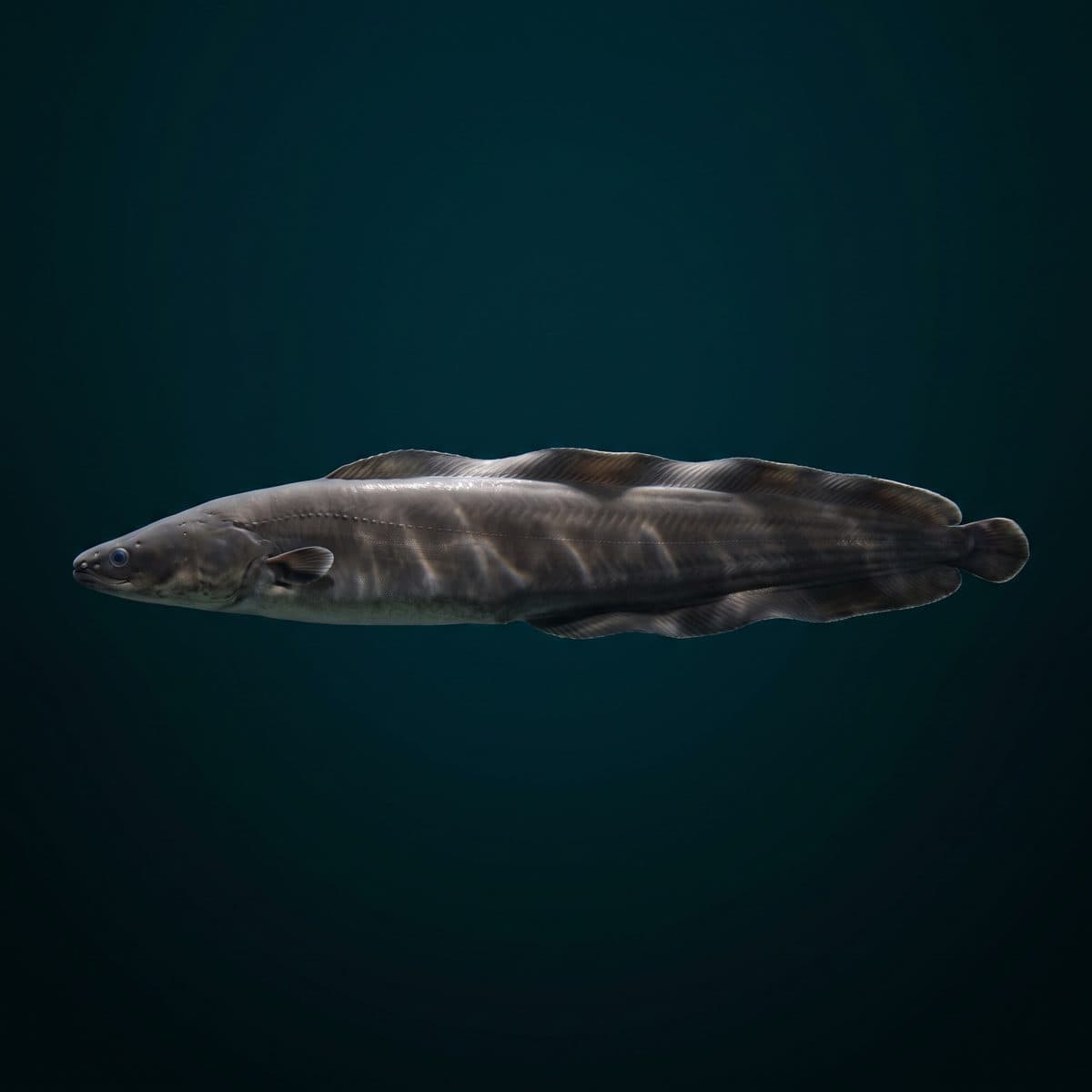
- Fire Eels and other large spiny eels — compatible in tanks with ample structure.
- Large Plecostomus — Common, Royal, or Sailfin Plecos are ignored by Clown Knives.
Avoid all small fish, aggressive fin-nippers, and territorial bottom-dwellers that might attack the resting Clown Knife during the day. Freshwater pufferfish should be avoided, as they will bite the Clown Knife's delicate fins.
Breeding
Captive breeding of Clown Knife Fish has been achieved but remains uncommon in home aquaria due to the sheer space requirements. In the wild and in commercial breeding operations (primarily in Thailand), Chitala ornata is a substrate spawner. The female deposits 2,000–10,000 adhesive eggs on a hard surface — typically submerged timber, rocks, or the walls of a pond structure. The male guards the egg mass aggressively, fanning it to ensure oxygenation and removing fungused eggs.
Eggs hatch in 5–7 days at 26–28 °C. Fry absorb their yolk sac within 3–4 days and immediately begin hunting micro-organisms. First foods in captivity include baby brine shrimp, microworms, and finely chopped bloodworms. Fry grow rapidly — reaching 10 cm within 2 months — and must be sorted by size regularly to prevent cannibalism, which is rampant among juvenile Clown Knives.
For hobbyists interested in breeding, a dedicated pond or tank of at least 500 gallons is required, along with a conditioned pair of mature adults (3+ years old). Simulating the monsoon season — a period of reduced feeding and water level followed by a large influx of cool, fresh water — is typically the trigger for spawning behaviour.
Common Health Issues
Oxygen Deprivation
Although Clown Knife Fish can breathe atmospheric air, they still rely heavily on dissolved oxygen for gill respiration. Chronic oxygen deprivation — caused by overstocking, poor surface agitation, or elevated temperatures without supplemental aeration — leads to laboured breathing, surface gasping (beyond normal air-breathing behaviour), lethargy, and eventually organ damage. Maintain dissolved oxygen above 5 mg/L at all times. An air pump or powerhead directed at the surface provides a safety margin, and never seal the tank lid without ventilation gaps that allow the fish to access atmospheric air.
Parasitic Infections
Clown Knife Fish, particularly wild-caught and feeder-fish-fed specimens, are susceptible to internal parasites including nematodes, cestodes, and flagellates. Symptoms include weight loss despite feeding, stringy white faeces, bloating, and lethargy. Treatment involves identification of the parasite type (ideally via faecal examination by a veterinarian) followed by targeted medication — praziquantel for cestodes and trematodes, levamisole for nematodes, and metronidazole for flagellates. Prophylactic deworming of all new specimens with praziquantel during quarantine is strongly recommended.
Other conditions to monitor include ich (treatable with standard protocols at full dose, as Clown Knives are scaled), bacterial fin rot (secondary to poor water quality or physical injury), and Hole-in-the-Head disease (associated with high nitrate and dietary deficiency). Regular water testing and a varied diet prevent the majority of health issues.