Advanced
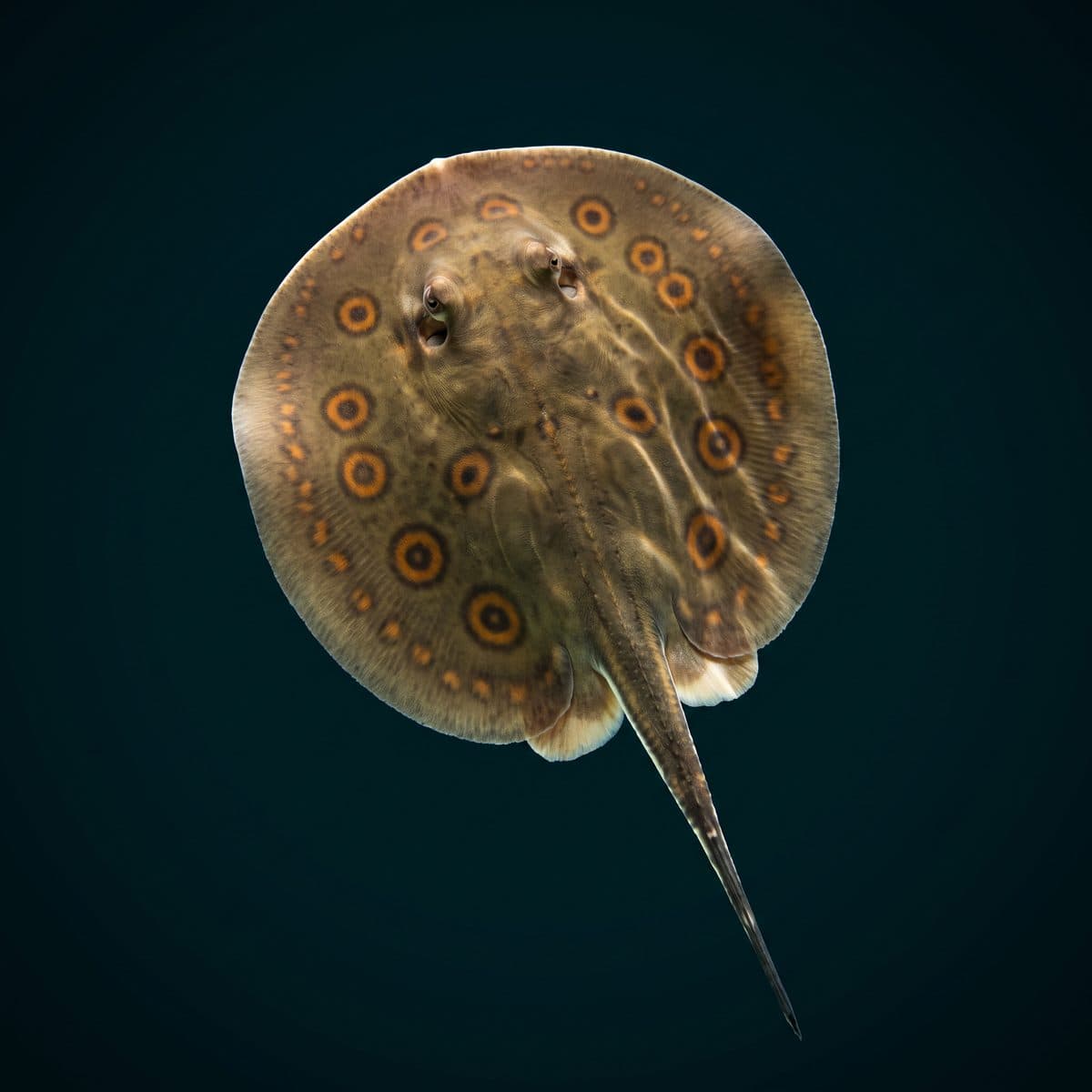
Motoro Stingray
Potamotrygon motoro
ab 598 €Get a quote
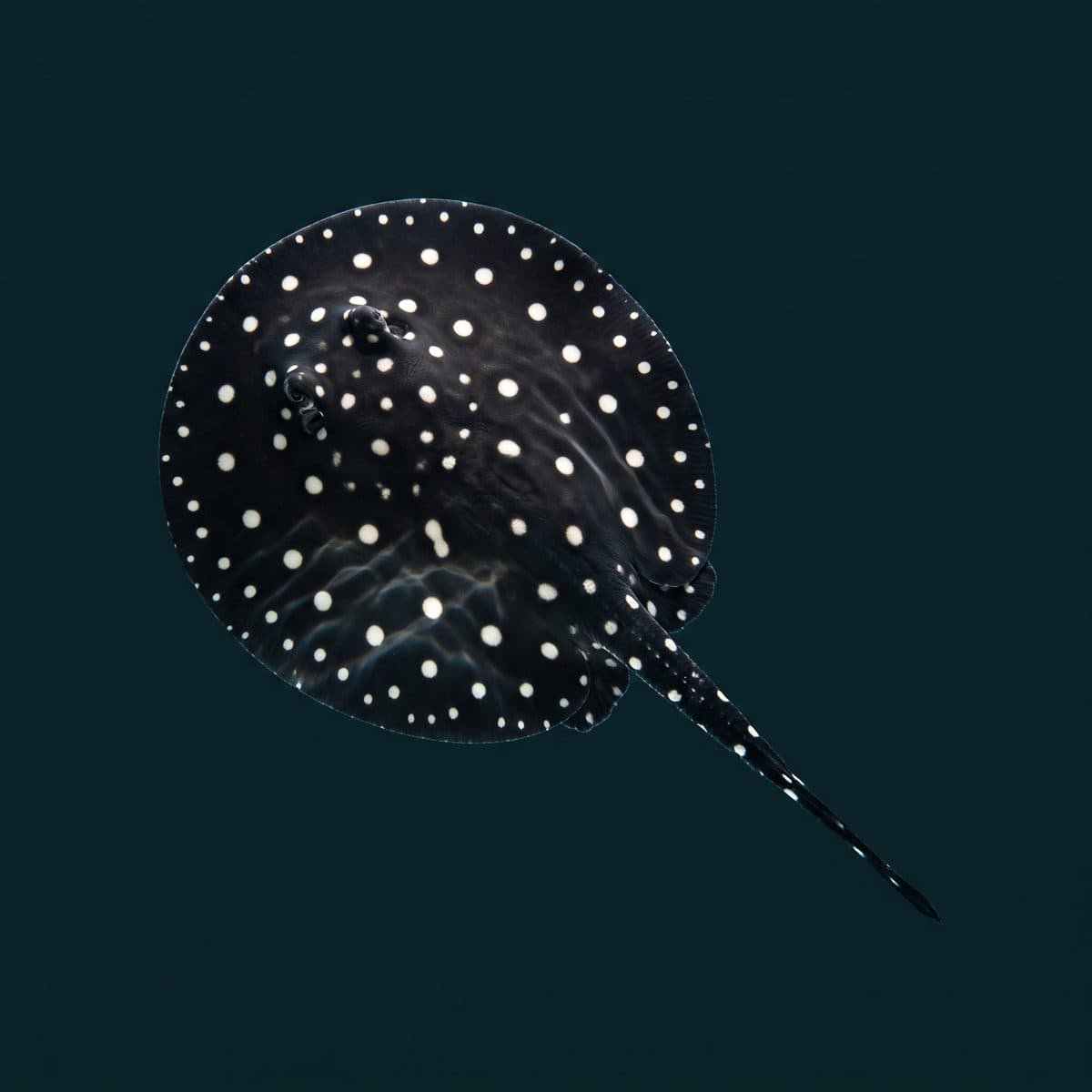
Potamotrygon leopoldi
The Black Diamond Stingray is one of the most visually arresting freshwater fish on the planet — a jet-black disc studded with brilliant white spots that look as though someone scattered diamonds across volcanic glass. Potamotrygon leopoldi hails from the Xingu River basin in Brazil, a system renowned for producing some of the hobby's most desirable species. The Fish Collection sources our Black Diamond Stingrays from licensed Brazilian breeding operations that maintain meticulous genetic records, ensuring the high-contrast patterning and disc symmetry that distinguish a premium specimen from an ordinary one.
Insulated, oxygen-packed transit · live-arrival guaranteed
Tank size
180+ gallons
Temperament
Semi-aggressive
Ernährung
Carnivore
Water
78–84°F · pH 6–7
Tell us what you're dreaming of — we'll reply with a price tailored to you.
Not sure if this fish is right for you?
Our team will happily help you choose.
The Black Diamond Stingray is one of the most visually arresting freshwater fish on the planet — a jet-black disc studded with brilliant white spots that look as though someone scattered diamonds across volcanic glass. Potamotrygon leopoldi hails from the Xingu River basin in Brazil, a system renowned for producing some of the hobby's most desirable species. The Fish Collection sources our Black Diamond Stingrays from licensed Brazilian breeding operations that maintain meticulous genetic records, ensuring the high-contrast patterning and disc symmetry that distinguish a premium specimen from an ordinary one.
What makes the Black Diamond genuinely special among Potamotrygon species is the intensity of its coloration. While many freshwater rays display spotted patterns, P. leopoldi exhibits an almost binary contrast — the deepest possible black against the purest possible white. As specimens mature, spots often become more defined and may develop subtle golden halos, adding another layer of visual complexity. Our current offering displays approximately forty to fifty well-defined spots across the dorsal surface, with clean margins and no blurring — characteristics that command the highest prices in the stingray market.
Housing a Black Diamond Stingray requires serious infrastructure. We mandate a minimum 180-gallon aquarium for a single juvenile, but strongly recommend 300 gallons or larger for an adult that can reach a disc width of eighteen inches. The tank footprint matters more than depth — rays need floor space, and a tank that is wide and shallow is preferable to one that is tall and narrow. Substrate should be fine sand to prevent abrasion of the ray's ventral surface. Avoid sharp rocks or ornaments that could injure the disc margin. Filtration must be industrial-grade; we typically recommend sump systems rated for three to four times the tank volume, as rays are both messy eaters and highly sensitive to dissolved waste.
Water parameters need careful attention. Black Diamond Stingrays thrive in soft, acidic to neutral water with temperatures between 78 and 84 degrees Fahrenheit and pH between 6.0 and 7.0. Ammonia and nitrite must remain at zero at all times — rays are among the first fish to show distress from nitrogenous waste. Weekly water changes of thirty to fifty percent are standard practice among serious ray keepers. We also recommend over-filtration and the use of high-quality activated carbon to maintain pristine water clarity.
Diet consists of meaty, protein-rich foods. In the wild, P. leopoldi feeds on invertebrates, small fish, and crustaceans buried in river sediment. In captivity, offer a rotation of live blackworms, earthworms, shrimp, tilapia fillets, and high-quality sinking pellets. Our rays are already trained to accept frozen foods, which simplifies long-term husbandry considerably. Feed daily for juveniles, tapering to every other day for adults. Overfeeding is a common mistake — a slightly hungry ray is a healthy ray.
The Fish Collection ships all stingrays in custom shallow containers designed to minimize disc folding during transit. Each shipment includes a heat pack calibrated to transit time and double-bagged oxygen-enriched water. Our live arrival guarantee covers every ray we sell, and our aquatics team provides post-purchase consultation on setup optimization and long-term care planning.
Häufige Fragen
Experten-Ressourcen
Artenleitfaden
The Black Diamond Stingray (Potamotrygon leopoldi), endemic to the Xingu River basin in Brazil, is one of the most striking freshwater rays in the hobby. Its jet-black disc adorned with bold white spots commands premium prices and demands expert-level husbandry. This guide covers every aspect of Black Diamond Stingray care — from water chemistry and tank dimensions to diet, breeding, and disease prevention — drawing on The Fish Collection's years of direct import and keeping experience.
Vollständigen Ratgeber lesen →Pflegeratgeber
A specification-level guide to building the optimal aquarium system for freshwater stingrays, covering tank dimensions, round vs rectangular tank design, sand substrate requirements, sump filtration, water chemistry, and cycling protocols.
Pflegeratgeber lesen →Das könnte Ihnen auch gefallen
ab 2.576 €
Indicative price