Moderate
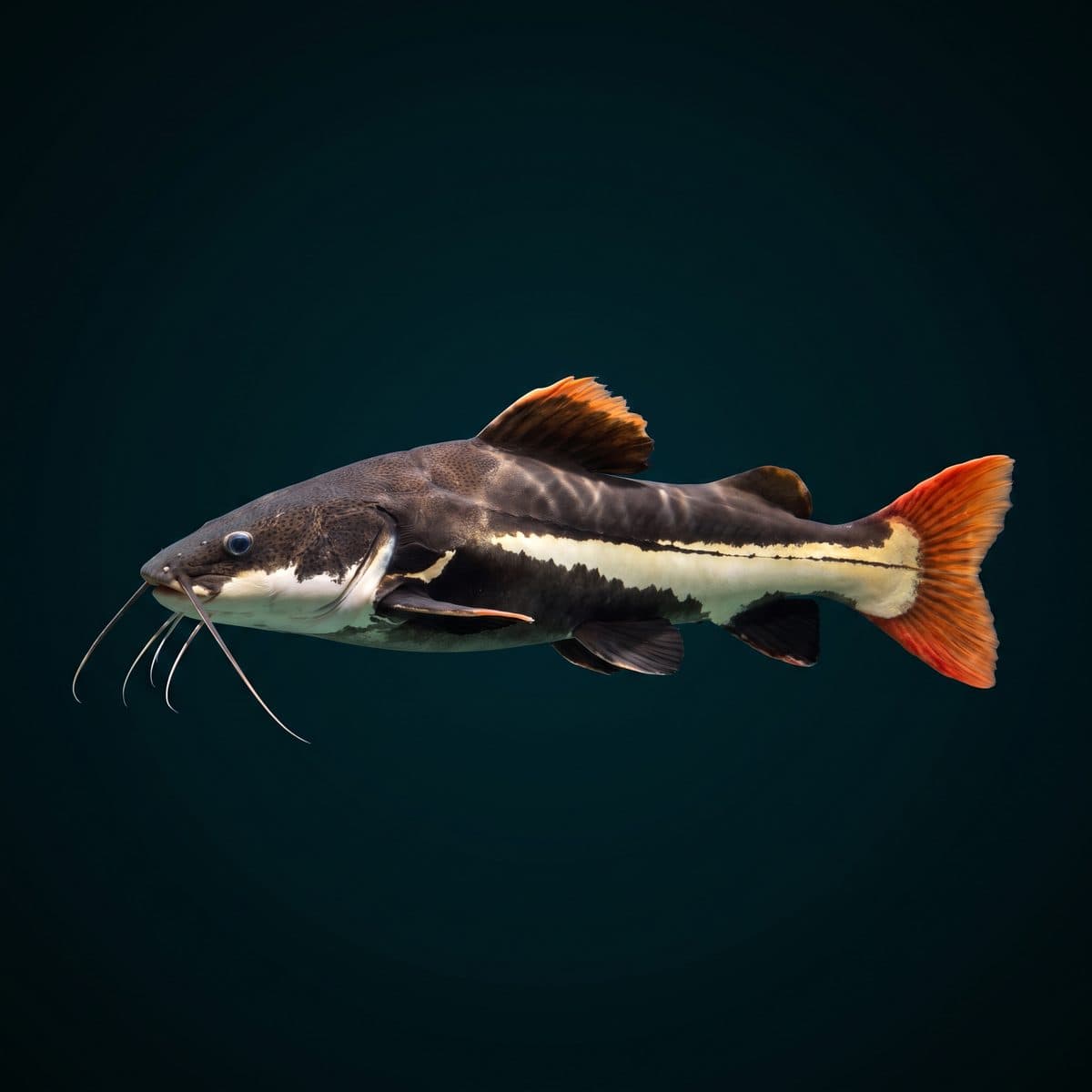
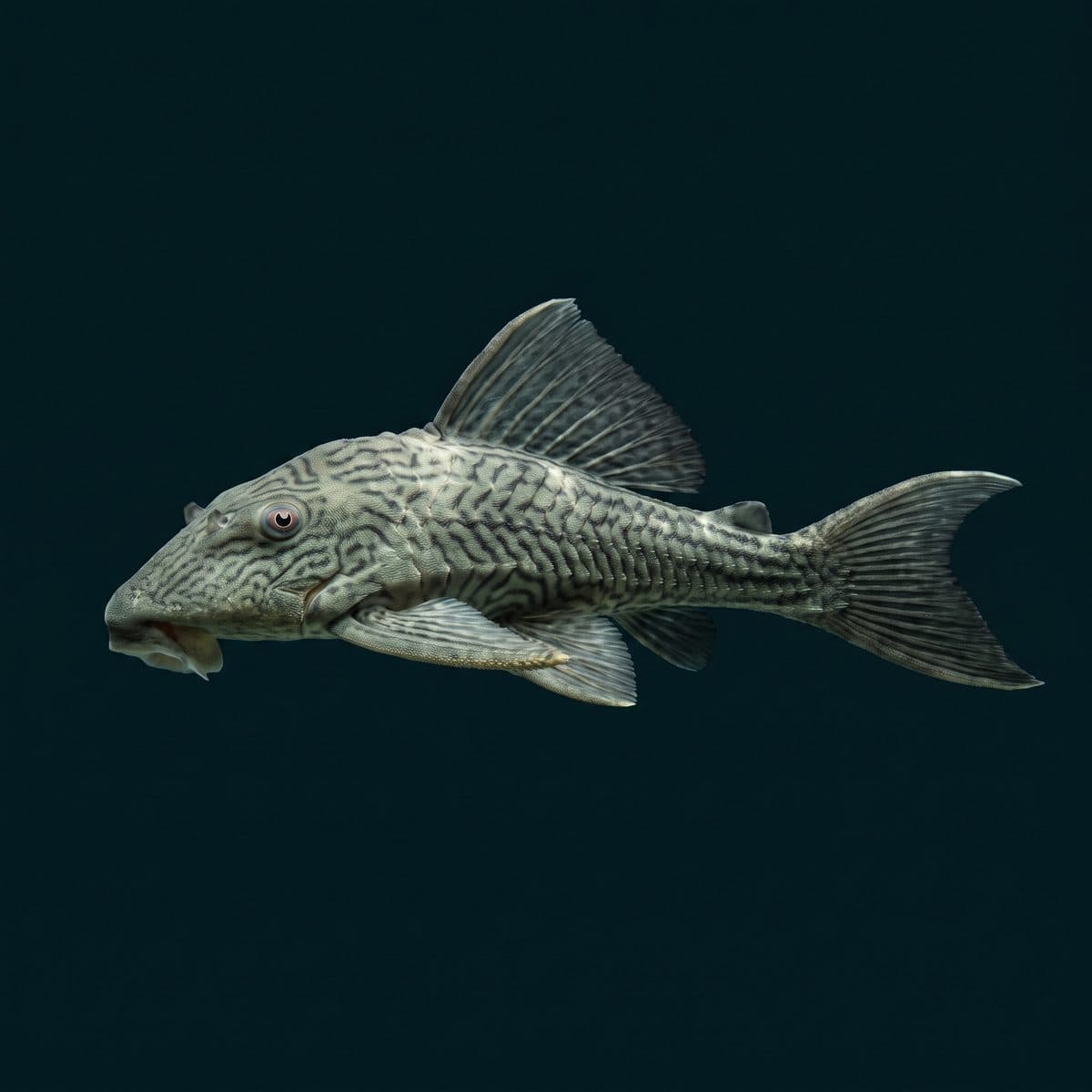
Royal Pleco
Panaque nigrolineatus
ab 78,20 €Get a quote
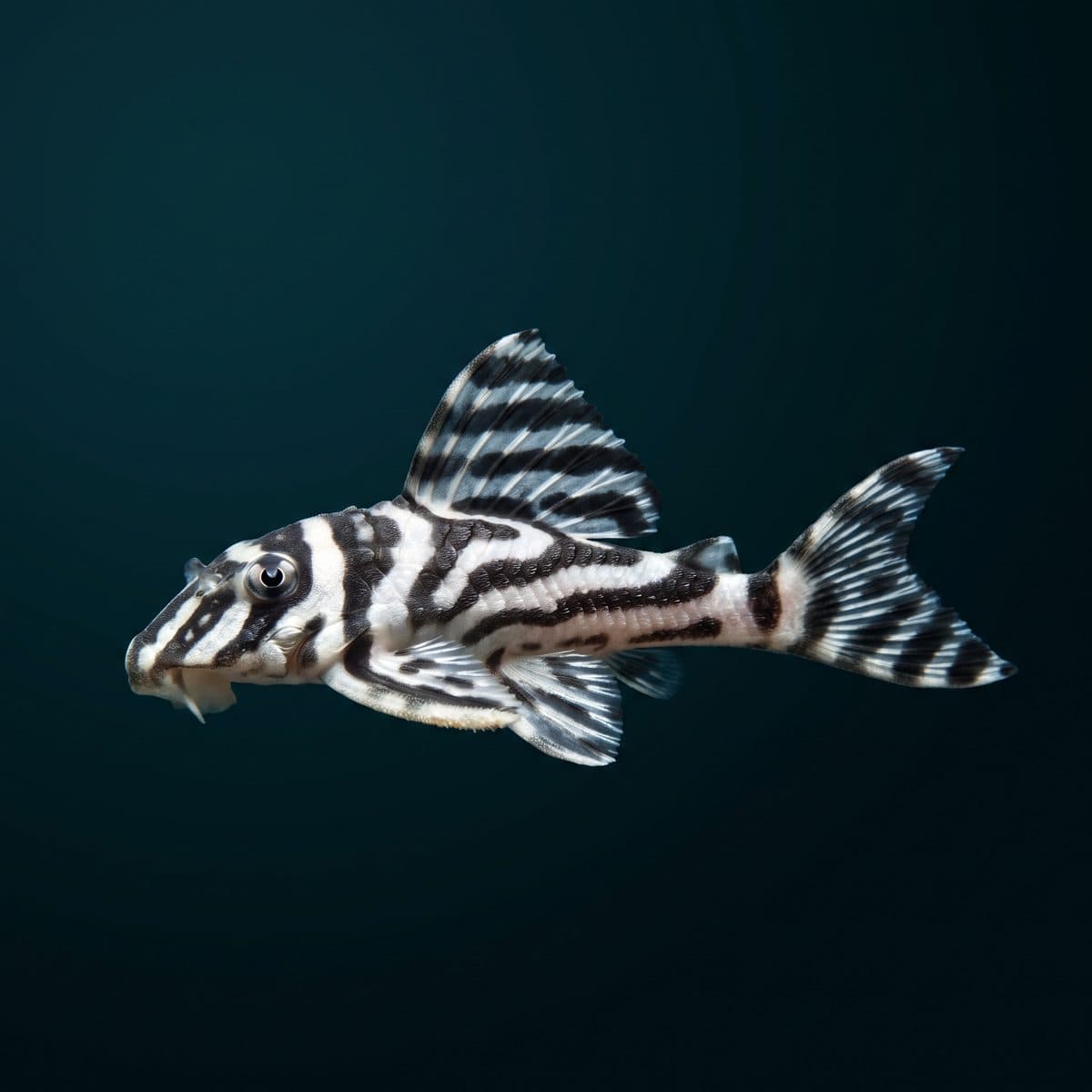
Hypancistrus zebra
The Zebra Pleco is the crown jewel of the L-number plecostomus world — a small, stunningly patterned catfish whose bold black-and-white striping has made it one of the most coveted freshwater fish on the planet. Designated L046, Hypancistrus zebra is endemic to a single stretch of the Rio Xingu in Brazil, where it inhabits warm, fast-flowing water among tumbled rocks and crevices. Export from Brazil has been banned since 2004, making captive-bred specimens the only legal source worldwide and driving prices that would have seemed unthinkable for a three-inch catfish two decades ago. The Fish Collection's Zebra Plecos come from established European and domestic breeding programs with documented lineage.
Insulated, oxygen-packed transit · live-arrival guaranteed
Tank size
30+ gallons
Temperament
Peaceful
Ernährung
Carnivore
Water
82–86°F · pH 6–7
Tell us what you're dreaming of — we'll reply with a price tailored to you.
Happy together
Not sure if this fish is right for you?
Our team will happily help you choose.
The Zebra Pleco is the crown jewel of the L-number plecostomus world — a small, stunningly patterned catfish whose bold black-and-white striping has made it one of the most coveted freshwater fish on the planet. Designated L046, Hypancistrus zebra is endemic to a single stretch of the Rio Xingu in Brazil, where it inhabits warm, fast-flowing water among tumbled rocks and crevices. Export from Brazil has been banned since 2004, making captive-bred specimens the only legal source worldwide and driving prices that would have seemed unthinkable for a three-inch catfish two decades ago. The Fish Collection's Zebra Plecos come from established European and domestic breeding programs with documented lineage.
What makes the Zebra Pleco so visually arresting is the precision of its patterning. Alternating bands of pure white and deep black run across the entire body, head, and fins with a regularity that appears almost artificial. Under magnification, the bands reveal subtle variation — slight undulations, occasional forks, and fine vermiculation at the margins — that give each specimen a unique identity while maintaining the overall geometric impact. Our specimens are selected for high band contrast and clean definition, the two criteria that most influence market value.
Housing a Zebra Pleco is more about water quality than tank size. A single specimen or breeding pair can thrive in a 20-gallon aquarium, though we recommend 30 gallons or larger for the added water stability. The critical requirement is strong water flow and high dissolved oxygen — this is a riverine species adapted to rapids, not a pond fish. Powerheads or wavemakers should generate significant current across the tank floor. Decoration should emphasize caves and crevices using smooth rocks, slate stacks, or purpose-built pleco caves. Each fish should have access to at least one cave it can call its own.
Water parameters must reflect the Xingu's warm, soft-water conditions. Temperature between 82 and 86 degrees Fahrenheit — notably warmer than most tropical fish — with pH between 6.0 and 7.0 and very soft water. The high temperature requirement means Zebra Plecos are best kept in species-specific setups or with carefully chosen tankmates that tolerate the same warmth. Filtration should be oversized with emphasis on biological media and water movement.
Contrary to popular belief, Zebra Plecos are not algae eaters. Hypancistrus species are primarily carnivorous, feeding on insect larvae, small crustaceans, and biofilm in the wild. In captivity, offer high-quality sinking pellets with animal protein content, frozen bloodworms, brine shrimp, and occasional blanched vegetables. Feeding should occur after lights-out, as Zebra Plecos are strictly nocturnal. Ensure food reaches their cave areas — competition from faster daytime feeders is a common cause of malnutrition in community setups.
Breeding Zebra Plecos is achievable but requires patience and specific conditions. Males are slightly broader-headed than females and develop bristle-like odontodes on the pectoral fins and cheeks. Cave spawning is triggered by simulating seasonal water changes — slight cooling followed by warming, combined with increased water flow. Males guard eggs and fry within the cave. The Fish Collection ships all Zebra Plecos in temperature-controlled containers with our live arrival guarantee.
Häufige Fragen
Experten-Ressourcen
Artenleitfaden
The Zebra Pleco (Hypancistrus zebra, L046) is one of the most coveted freshwater catfish in the aquarium hobby, prized for its dramatic black-and-white striped pattern. Endemic to the Xingu River in Brazil, wild populations have declined sharply due to habitat disruption from the Belo Monte dam, placing enormous value on captive-bred specimens. This comprehensive guide covers all aspects of Zebra Pleco care — from water parameters and cave design to breeding protocols and disease prevention — based on The Fish Collection's extensive experience with this iconic species.
Vollständigen Ratgeber lesen →Pflegeratgeber
A species-aware care guide for plecostomus (Loricariidae) covering the dietary requirements including critical driftwood needs, cave provision for territorial behaviour, nocturnal feeding protocols, and water parameters across popular species.
Pflegeratgeber lesen →Das könnte Ihnen auch gefallen
ab 690 €
Indicative price