Intermediate
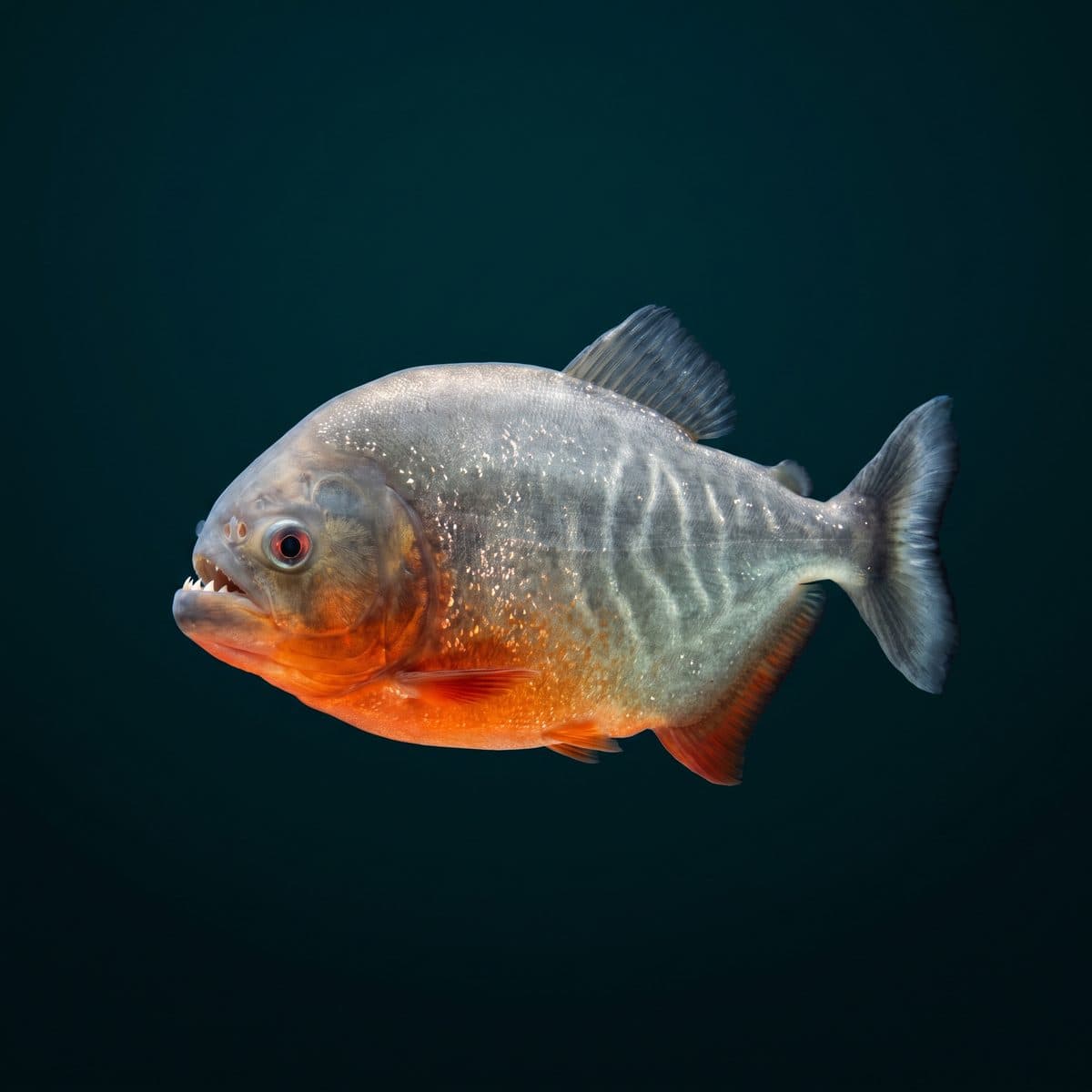
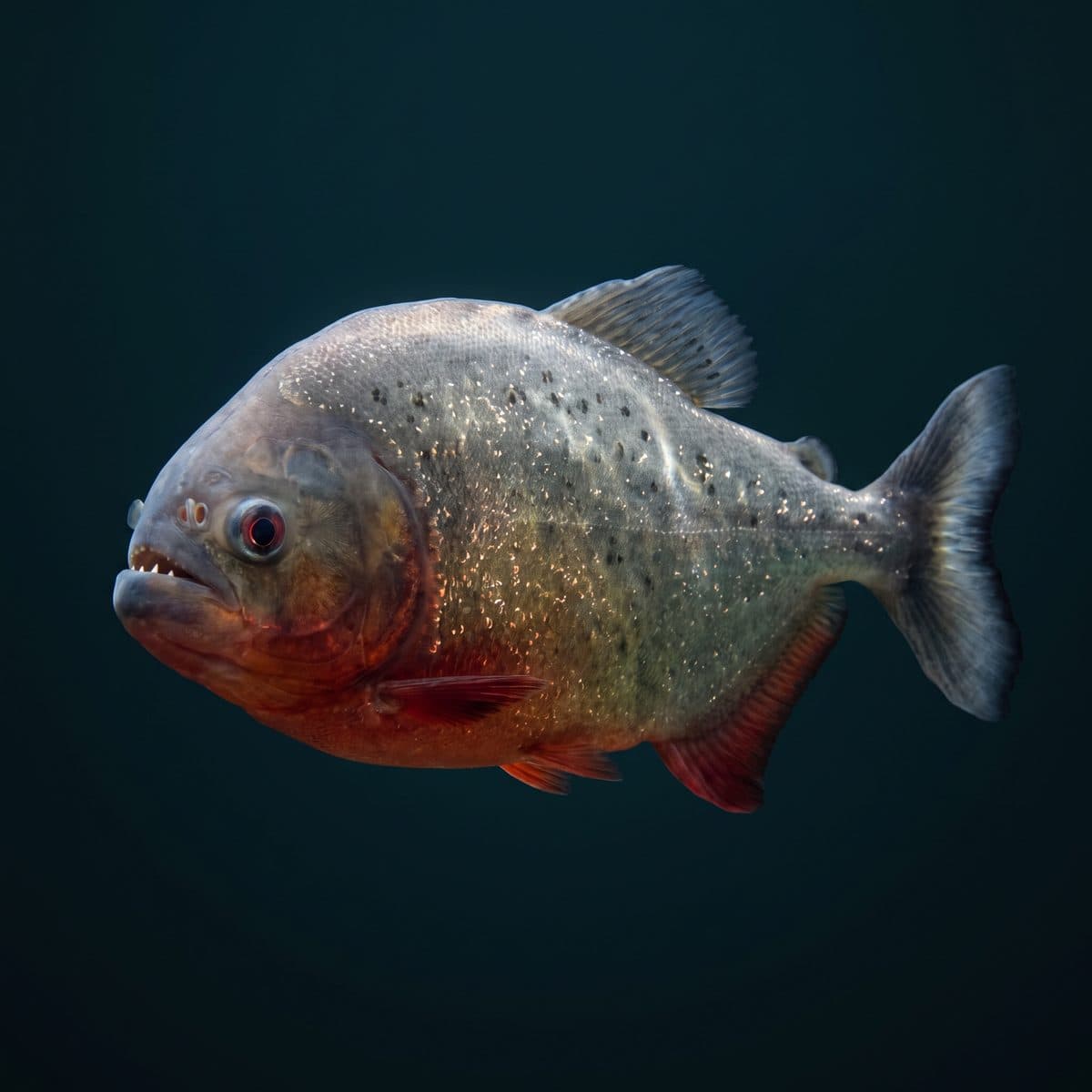
Red-Bellied Piranha
Pygocentrus nattereri
ab 69 €Get a quote
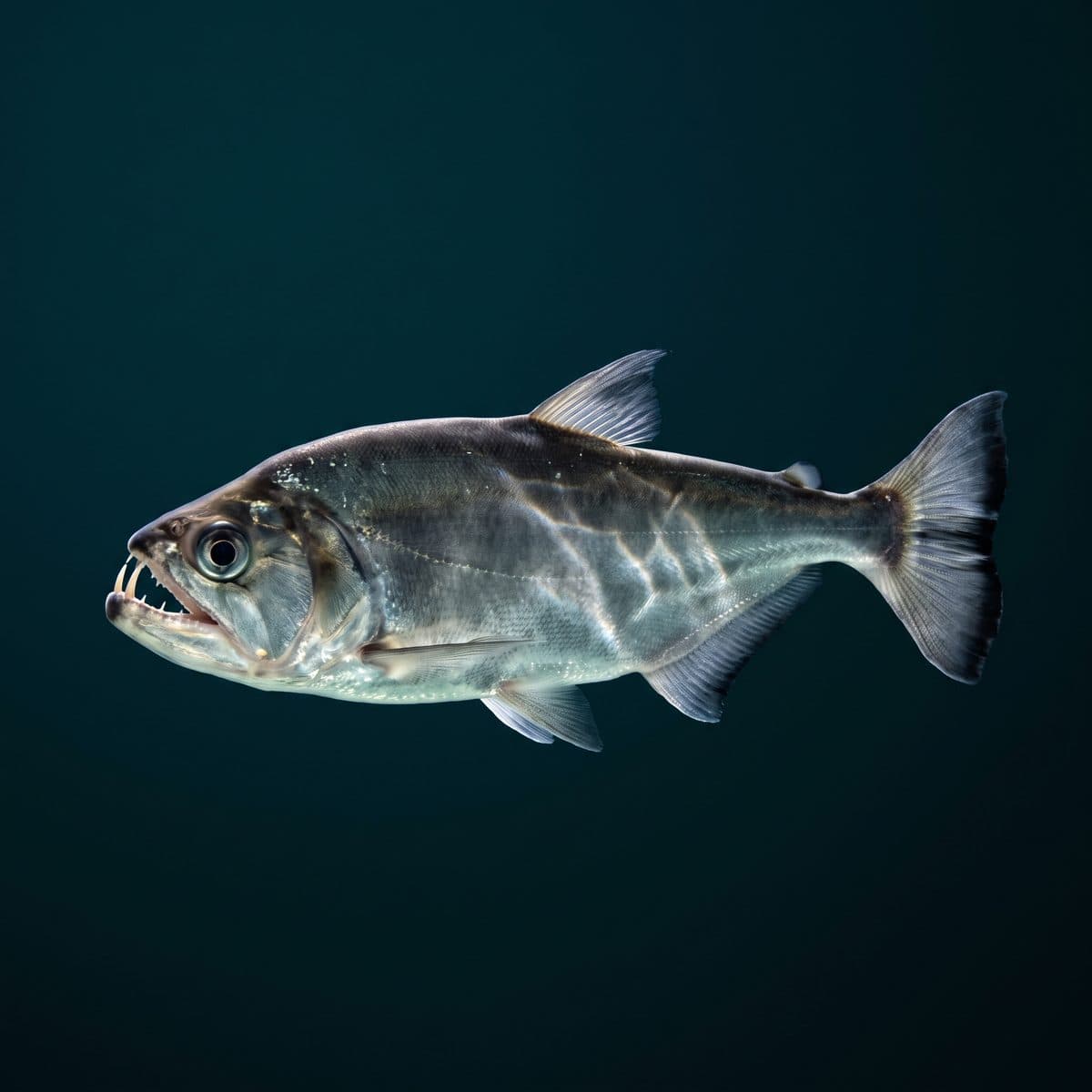
Hydrolycus scomberoides
The Vampire Fish, known scientifically as Hydrolycus scomberoides and colloquially as the Payara, is the apex predator of the Orinoco and Amazon river systems — a streamlined, silver torpedo armed with two enormous lower fangs that can exceed two inches in length and fit into specialized sockets in the upper jaw when the mouth closes. These fangs are used to impale prey fish in a single explosive strike, making the Payara one of the most efficient hunters in all of freshwater ichthyology. At The Fish Collection, we offer this extraordinary species to specialist aquarists who understand that keeping a Payara is less like traditional fishkeeping and more like maintaining a large aquatic predator.
Insulated, oxygen-packed transit · live-arrival guaranteed
Tank size
300+ gallons
Temperament
Apex predator
Ernährung
Carnivore
Water
72–82°F · pH 5.5–7
Tell us what you're dreaming of — we'll reply with a price tailored to you.
Not sure if this fish is right for you?
Our team will happily help you choose.
The Vampire Fish, known scientifically as Hydrolycus scomberoides and colloquially as the Payara, is the apex predator of the Orinoco and Amazon river systems — a streamlined, silver torpedo armed with two enormous lower fangs that can exceed two inches in length and fit into specialized sockets in the upper jaw when the mouth closes. These fangs are used to impale prey fish in a single explosive strike, making the Payara one of the most efficient hunters in all of freshwater ichthyology. At The Fish Collection, we offer this extraordinary species to specialist aquarists who understand that keeping a Payara is less like traditional fishkeeping and more like maintaining a large aquatic predator.
In the wild, Payara inhabit fast-flowing, well-oxygenated rivers and rapids, reaching lengths of 39 inches or more. Captive specimens typically reach 24 to 30 inches in home aquariums, though even at this size they require immense space. A minimum 300-gallon aquarium is mandatory, and we strongly recommend 500 gallons or larger with powerful water circulation that replicates the high-flow environments the species evolved in. Strong powerheads or closed-loop systems that generate substantial current are essential for keeping a Payara healthy and active.
Water parameters should mirror the soft, acidic conditions of the Orinoco Basin: temperature between 72 and 82 degrees Fahrenheit, pH of 5.5 to 7.0, and very low hardness. Pristine water quality is non-negotiable — Payara are sensitive to dissolved waste and require oversized filtration systems capable of handling the heavy bioload of a large carnivorous fish fed primarily on whole prey.
Diet consists almost exclusively of live fish in the wild. In captivity, Payara can be transitioned to accept fresh fish fillets, whole silversides, and large shrimp, but many specimens stubbornly refuse non-living food. A reliable source of appropriately sized feeder fish from quarantined stock is often necessary, at least during the acclimation period. Feed every two to three days for adults.
The Payara is a notoriously challenging captive — their high-speed swimming and tendency to collide with tank walls during startled flight make them prone to jaw injuries and scale damage. Rounded tank corners, minimal external disturbance, and dimmed lighting all help reduce stress. This is a fish for the dedicated specialist who views the challenge as part of the reward.
Häufige Fragen
Experten-Ressourcen
Das könnte Ihnen auch gefallen
ab 184 €
Indicative price