Moderate
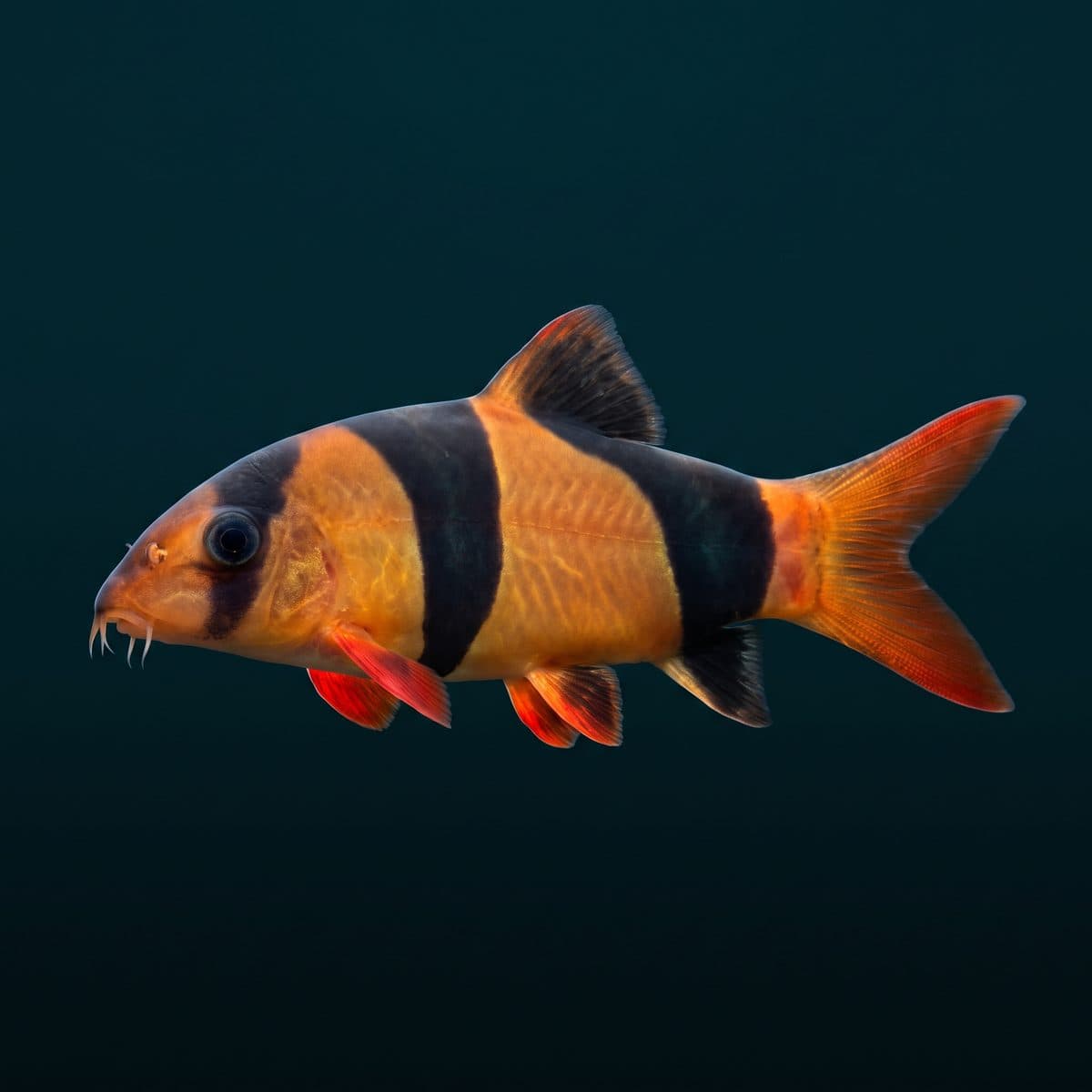
Clown Loach
Chromobotia macracanthus
16,56 €Get a quote
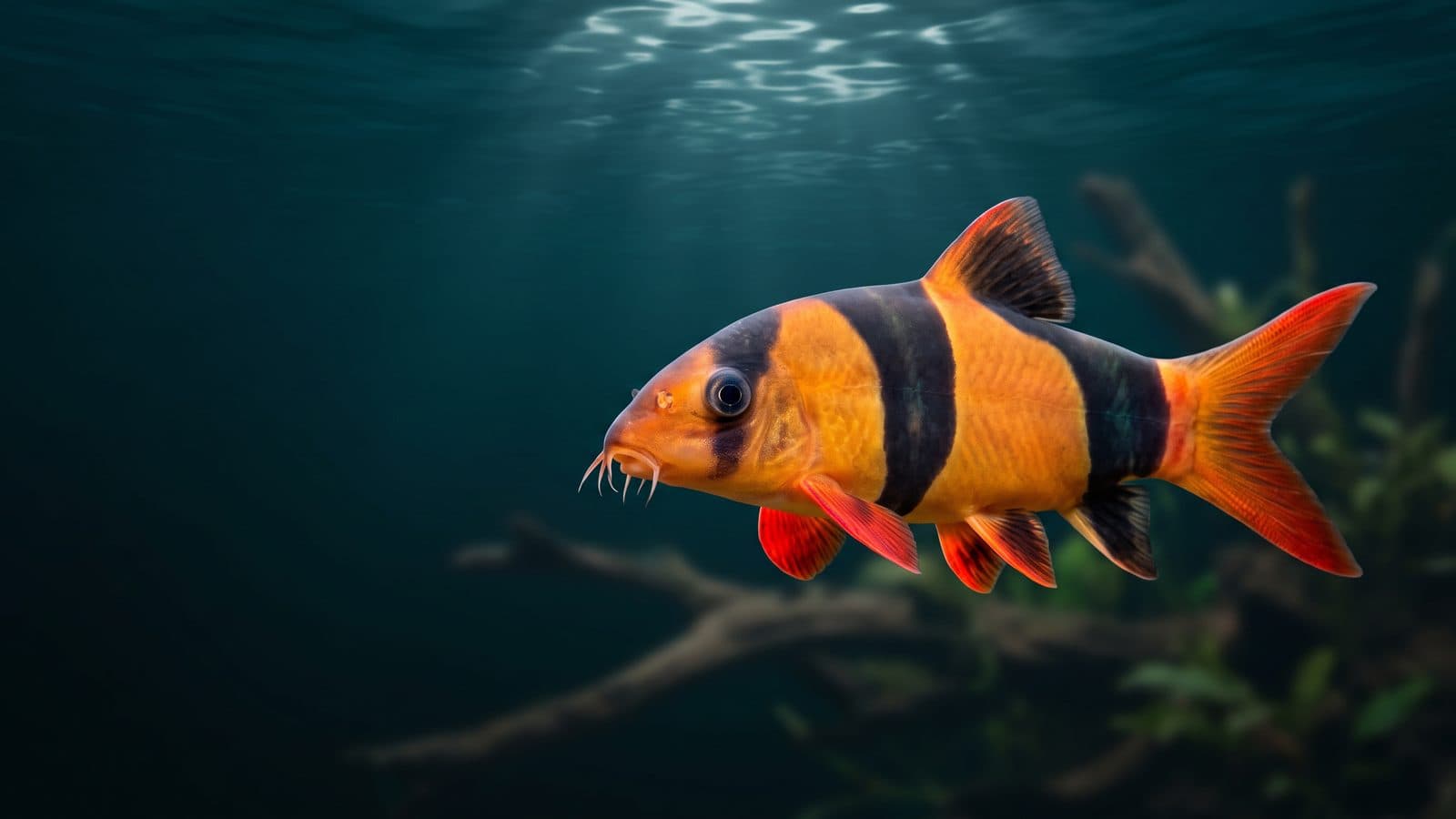
Loaches are the character actors of the aquarium — endlessly entertaining with their social behaviours and bottom-dwelling antics. We carry Clown Loach, Dojo Loach, and rare hillstream species. 3 in stock now.
Loaches are the unsung heroes of the freshwater aquarium — fish that combine genuine personality with ecological utility in a way that few other groups can match. From the boldly striped Clown Loach that clicks audibly when excited to the peculiar Dojo Loach that rests in your hand like a small snake, these bottom-dwellers have earned a passionate following. If you are browsing loach fish for sale, you are about to discover some of the most endearing and behaviourally rich fish in the entire hobby.
The suborder Cobitoidei encompasses hundreds of species with an astonishing range of body forms and ecological adaptations. Clown Loaches (Chromobotia macracanthus), the most popular aquarium species, grow to 12 inches and live in large social groups in the rivers of Borneo and Sumatra. Dojo Loaches (Misgurnus anguillicaudatus), also called Weather Loaches, are elongated, eel-like fish that reportedly become agitated before storms — a behaviour linked to their sensitivity to barometric pressure changes. Hillstream Loaches (family Balitoridae) are flattened, suction-cup-shaped fish adapted to cling to rocks in fast-flowing mountain streams, and they require specialised high-flow setups with cool, oxygen-rich water. Kuhli Loaches (Pangio kuhlii), slender and eel-like with striking orange-and-brown bands, are among the most popular nano-tank loaches.
Loaches are social fish that should ideally be purchased in groups — a solitary Clown Loach or Kuhli Loach will often hide constantly and fail to display natural behaviour. When selecting specimens, look for plump bodies without sunken bellies, intact barbels, and clear skin free of white spots or cottony patches. Clown Loaches are notoriously susceptible to ich (white spot disease), so inspect them carefully and ask about the seller's quarantine and treatment protocols. Healthy loaches are active during feeding, often engaging in playful chasing and clicking behaviours within their group. A loach lying on its side is not necessarily sick — many species, especially Clown Loaches, habitually rest on their sides, which can alarm new owners.
Most loaches prefer soft, sandy substrate that protects their sensitive barbels during foraging. Provide plenty of hiding spots with driftwood, caves, and dense vegetation — loaches that feel secure will spend more time in the open. Temperature preferences vary: tropical species like Clown Loaches need 78-86 degrees Fahrenheit, while Dojo Loaches and Hillstream Loaches prefer cooler water at 65-75 degrees. All loaches benefit from high-quality filtration and regular water changes. Tank size depends on species — Kuhli Loaches can thrive in 20 gallons, while a proper group of Clown Loaches needs 125 gallons or more at maturity.
We stock our loaches in species-appropriate social groups and quarantine all specimens with prophylactic ich treatment before offering them for sale. Our Clown Loaches are sourced from Indonesian breeders who raise them in conditions that mirror their native blackwater rivers. Hillstream species are maintained in purpose-built high-flow systems that keep them in peak condition. We ship loach groups together whenever possible, because we know that these social animals settle into new homes faster and display better behaviour when they arrive with companions. Every order includes our live arrival guarantee and free insulated shipping.
Experten-Ressourcen
Artenleitfaden
Chromobotia macracanthus
The Clown Loach (Chromobotia macracanthus) is one of the most beloved freshwater aquarium fish worldwide, cherished for its vivid orange-and-black banding, playful social behaviour, and impressive potential size of 30 cm or more. Native to the rivers of Borneo and Sumatra in Indonesia, this long-lived species demands a spacious tank, a social group of conspecifics, and careful attention to water quality. This guide covers every aspect of Clown Loach care — from tank setup and water chemistry to diet, breeding challenges, and disease prevention — informed by The Fish Collection's years of experience sourcing and maintaining these iconic fish.
Ratgeber lesen →Artenleitfaden
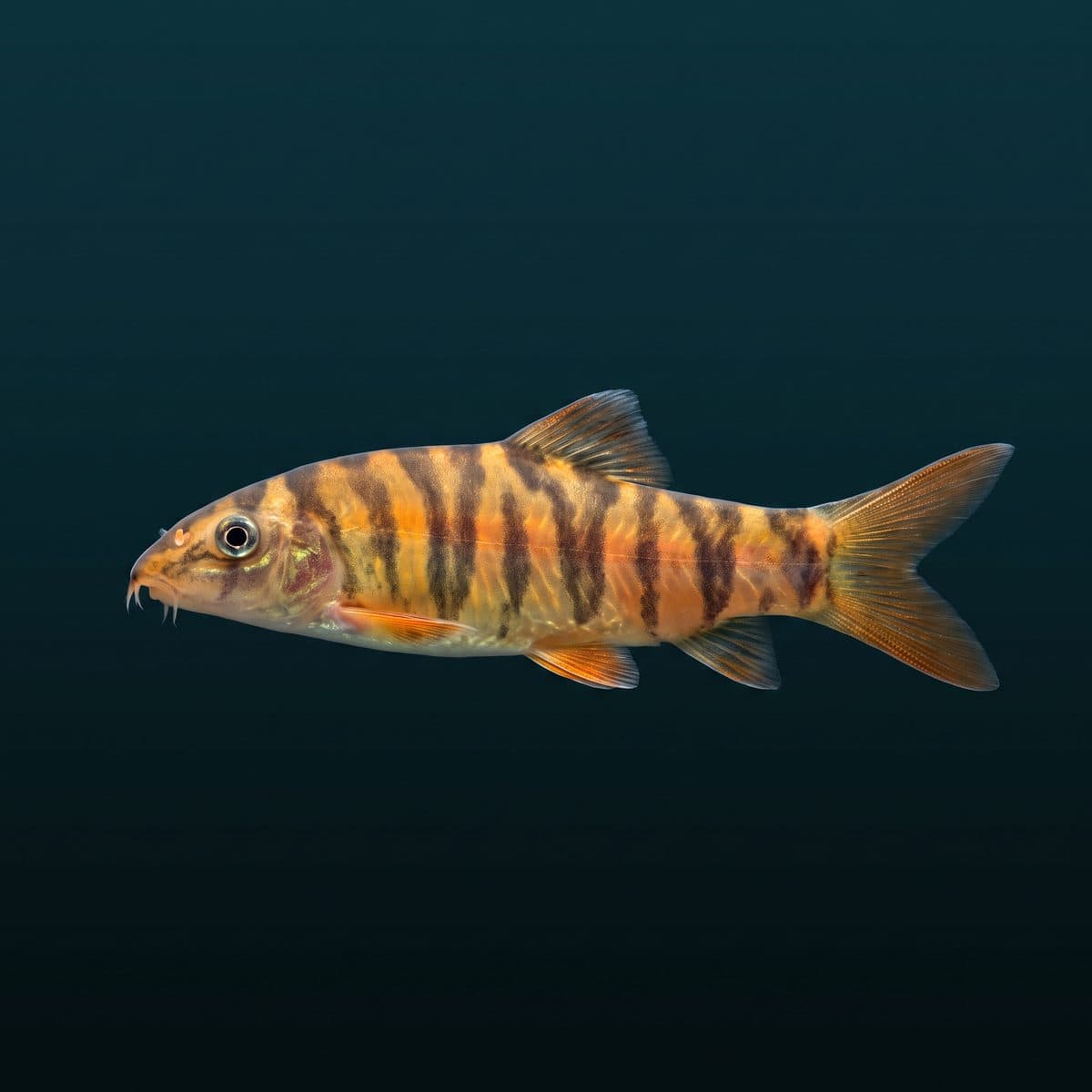
Syncrossus hymenophysa
The Tiger Loach (Syncrossus hymenophysa) is a large, boldly patterned member of the Botiidae family native to the rivers and streams of Southeast Asia (Sumatra, Borneo, and the Malay Peninsula). Growing to 25–30 cm (10–12 in), this striking fish displays bold dark vertical bars on a golden-tan body — the "tiger stripes" that give it its common name. While undeniably beautiful, Tiger Loaches are more aggressive and demanding than their popular cousin the Clown Loach, requiring larger tanks, specific social structures, and experienced husbandry.
Ratgeber lesen →Pflegeratgeber
A care guide covering the most popular loach species — clown loach, kuhli loach, dojo/weather loach, and yoyo loach. Covers their strong social needs, substrate requirements, feeding strategies for bottom-dwelling fish, and common health issues including ich susceptibility.
Ratgeber lesen →Weiter entdecken