Moderate
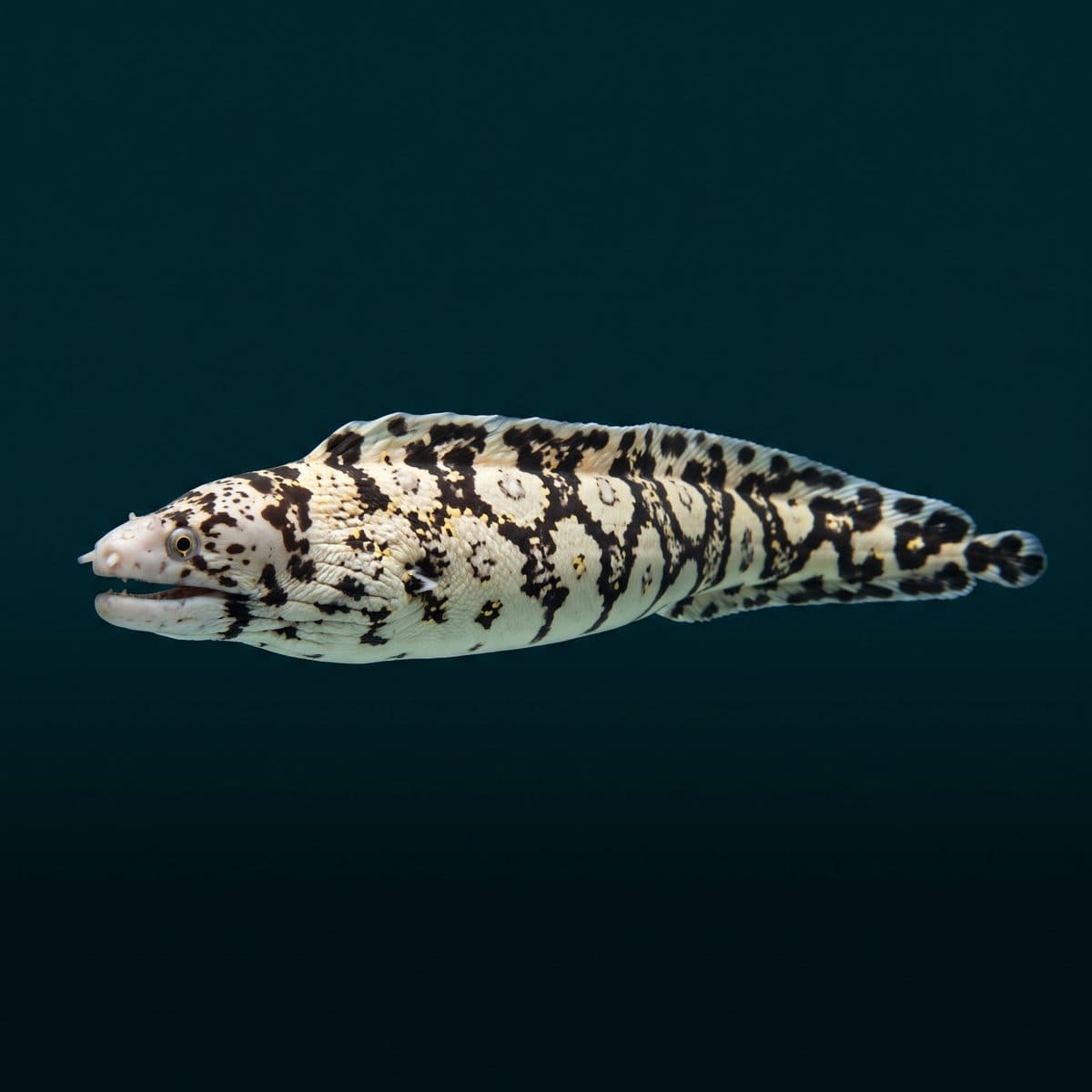
Snowflake Moray Eel
Echidna nebulosa
ab 50,60 €Get a quote
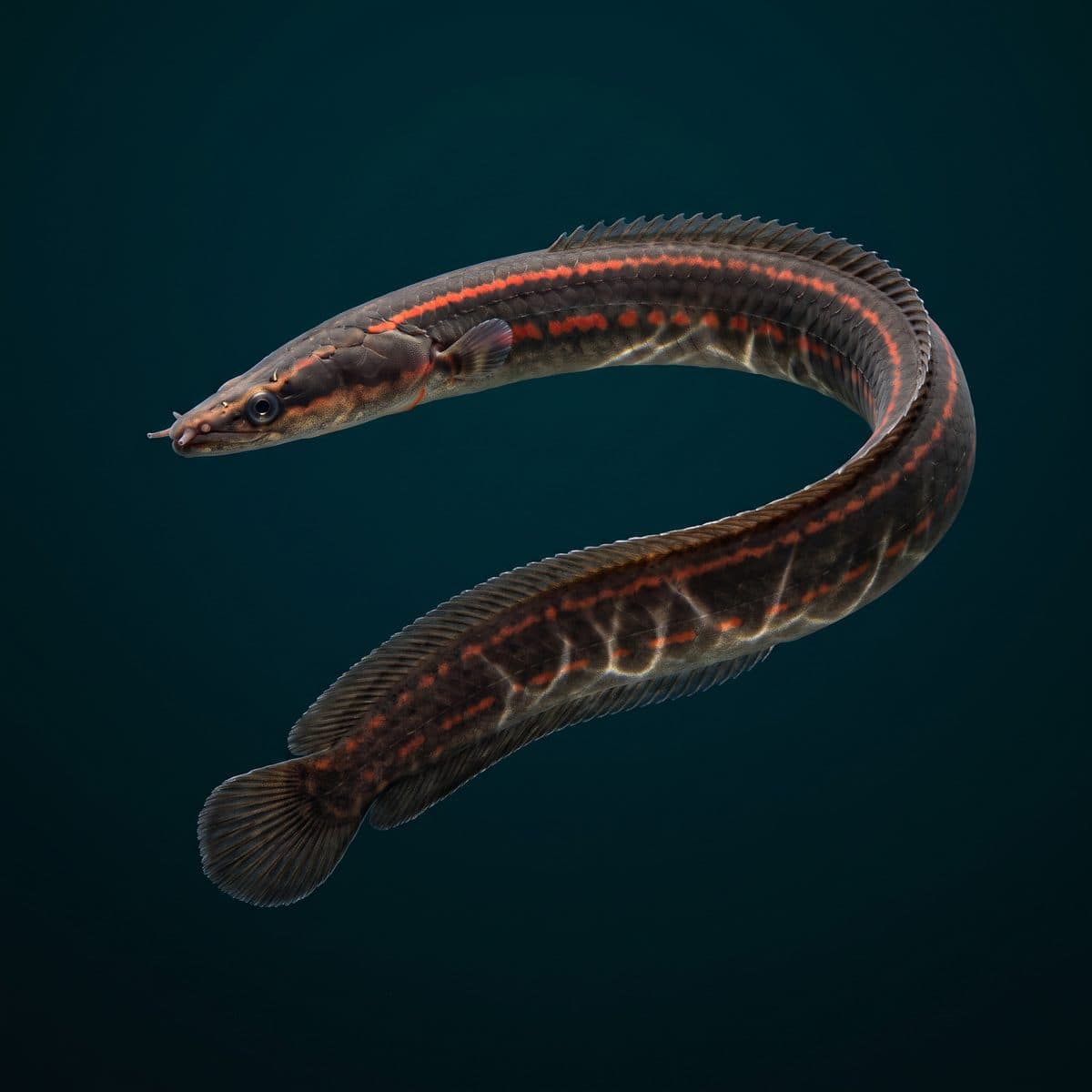
Mastacembelus erythrotaenia
The Fire Eel is the largest and most spectacular member of the spiny eel family — a serpentine predator decorated with vivid red-to-orange lateral stripes and spots that give the species its incendiary common name. Mastacembelus erythrotaenia is native to the rivers and floodplains of Southeast Asia, from Myanmar through Thailand, Vietnam, and Indonesia, where it inhabits muddy substrates and dense vegetation in slow-moving to still water. At The Fish Collection, we source our Fire Eels from established importers who maintain holding facilities with proper quarantine protocols, ensuring each specimen arrives in excellent health with strong feeding response.
Insulated, oxygen-packed transit · live-arrival guaranteed
Tank size
125+ gallons
Temperament
Semi-aggressive
Ernährung
Carnivore
Water
75–82°F · pH 6.5–7.5
Tell us what you're dreaming of — we'll reply with a price tailored to you.
Not sure if this fish is right for you?
Our team will happily help you choose.
The Fire Eel is the largest and most spectacular member of the spiny eel family — a serpentine predator decorated with vivid red-to-orange lateral stripes and spots that give the species its incendiary common name. Mastacembelus erythrotaenia is native to the rivers and floodplains of Southeast Asia, from Myanmar through Thailand, Vietnam, and Indonesia, where it inhabits muddy substrates and dense vegetation in slow-moving to still water. At The Fish Collection, we source our Fire Eels from established importers who maintain holding facilities with proper quarantine protocols, ensuring each specimen arrives in excellent health with strong feeding response.
What makes the Fire Eel so compelling is the combination of size, pattern, and behavior. This is not a small aquarium curiosity — adult Fire Eels reach 24 to 36 inches in captivity, with a muscular, eel-like body that navigates the tank with fluid, sinuous movements. The fiery markings that give the species its name run along the lateral line in a pattern of broken stripes and spots that varies between individuals and intensifies with age and good nutrition. Under subdued lighting, the red-orange markings appear to glow against the dark brown-to-black body, creating an effect that is truly dramatic.
Tank requirements reflect the species' substantial size. A minimum 125-gallon aquarium is required for an adult Fire Eel, though 180 gallons or larger is preferable. The substrate must be fine sand — spiny eels are obligate burrowers that spend significant time partially or completely buried, and coarse gravel can damage their delicate skin. Provide PVC tubes, rock caves, and dense vegetation as additional hiding spots. A secure, tightly fitted lid with no gaps is absolutely essential — Fire Eels are expert escape artists that can find and exploit openings that seem impossibly small. Even the space around filter intakes and heater cords must be sealed.
Water parameters are flexible. Temperature between 75 and 82 degrees Fahrenheit, pH between 6.5 and 7.5, and soft to moderately hard water suit the species across its range. Fire Eels are sensitive to poor water quality, particularly elevated nitrates, so efficient filtration and consistent water change schedules are important. They are also sensitive to many medications — avoid copper-based treatments entirely.
Diet is carnivorous. Fire Eels feed on live and frozen foods including bloodworms, earthworms, market shrimp, and small fish. Many specimens are reluctant to accept prepared foods initially, though patient keepers can train them onto sinking pellets over time. Our specimens are transitioned to frozen foods during quarantine. Feed after lights-out when the eel is naturally active. A well-fed Fire Eel develops a smooth, rounded body profile — visible spine or rib outlines indicate underfeeding and require immediate dietary attention.
The Fish Collection ships all Fire Eels in tall, narrow containers that accommodate their elongated body shape without forcing coiling, backed by our live arrival guarantee.
Häufige Fragen
Experten-Ressourcen
Artenleitfaden
The Fire Eel (Mastacembelus erythrotaenia) is the largest and most visually dramatic member of the spiny eel family, reaching up to 100 cm in captivity. Native to slow-moving rivers and floodplains across Southeast Asia, it is prized for its striking red-orange lateral markings against a dark body. This comprehensive guide covers tank setup, water parameters, feeding strategies, breeding, health concerns, and compatibility — drawing on The Fish Collection's extensive experience importing and maintaining these impressive fish.
Vollständigen Ratgeber lesen →Pflegeratgeber
A practical care guide for popular freshwater eel species — fire eel, tire track eel, peacock eel, and other spiny eels (family Mastacembelidae). Covers tank setup, substrate requirements, escape-proofing, feeding nocturnal carnivores, and species-specific care differences.
Pflegeratgeber lesen →Das könnte Ihnen auch gefallen
ab 59,80 €
Indicative price