Why Diet Matters for Predatory Fish
Predatory aquarium fish — Arowana, Wolf Fish, Gar, Piranha, large cichlids, and others — are metabolically demanding animals that require high-protein diets matched to their natural feeding ecology. A poorly fed predator does not just lose colour or grow slowly — it develops fatty liver disease, spinal deformities, vitamin deficiencies, and immune suppression that dramatically shorten its lifespan.
The single most important principle in predatory fish nutrition is variety. No single food item provides complete nutrition. A predator fed exclusively on one food — even a nutritious one — will develop deficiencies over time. The goal is a rotation of 3–5 food types that collectively cover all macro and micronutrient requirements.
The second principle is quality over quantity. Predatory fish in captivity are far more prone to obesity than starvation. In the wild, meals are irregular and the fish expends significant energy hunting. In captivity, food arrives on schedule with zero effort. Overfeeding is the default problem — not underfeeding.
Frozen Foods: The Staple Diet
Frozen foods form the foundation of a predatory fish diet. They are nutritionally dense, pathogen-free (flash-freezing kills most parasites), and available in sizes suitable for fish from 10 cm to 100 cm+. Stock a rotation of the following:
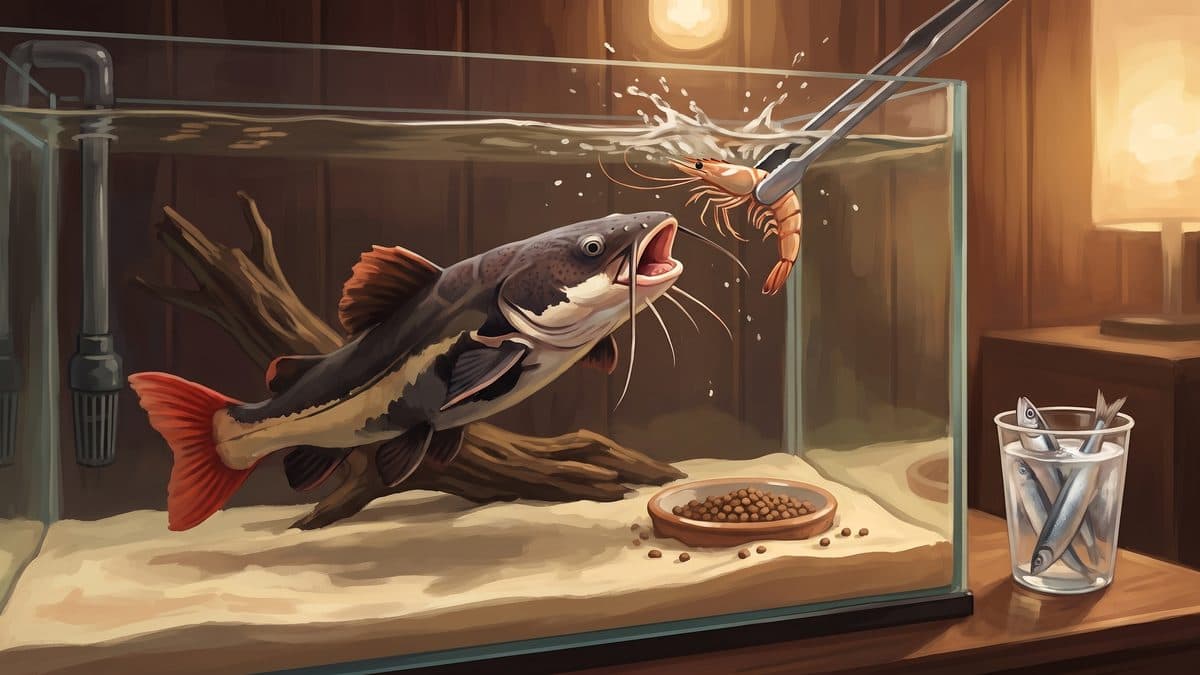
- Raw shrimp (shell-on): Excellent protein and calcium source (the shell provides calcium for bone development). Use market-grade raw, uncooked shrimp — not pre-cooked, which loses nutritional value. Remove the tail spike for smaller fish. The single best all-around food for most predators.
- Smelt and silversides: Whole small fish provide complete nutrition — protein, fat, minerals, and vitamins. The bones supply calcium. Feed whole (head, tail, and organs included) for maximum nutritional value. Size-match to your predator: 5 cm silversides for 30 cm fish, 10 cm smelt for 60 cm+ fish.
- Earthworms (nightcrawlers): Outstanding protein content and amino acid profile. Readily accepted by virtually all predatory fish. Buy from bait shops (ensure they are pesticide-free) or culture your own. Rinse thoroughly before feeding.
- Frozen bloodworms: Excellent for small predators and juveniles. Too small as a staple for fish above 25 cm but useful for variety. High in protein, moderate in fat.
- Frozen krill: Rich in astaxanthin (carotenoid pigment) that enhances red and orange coloration. An excellent supplementary food for colour development in Arowana, Flowerhorn, and Peacock Bass.
- Mussel and clam meat: Provides trace minerals (iron, zinc, manganese) not found in abundance in other frozen foods. Feed 1–2 times per week as a supplement.
Thaw frozen foods in tank water before feeding — never microwave or use hot water, which denatures proteins. Feed immediately after thawing; do not refreeze.
Pellet Diets: Nutrition Rounding
High-quality carnivore pellets serve as a nutritional "insurance policy" — they are formulated with balanced vitamin and mineral profiles that fill gaps left by whole-food diets. They should constitute 20–30 % of the total diet, not more.
Recommended pellet brands:
- Hikari Massivore: Large sinking pellet designed for predatory fish. High protein (45 %+), contains garlic (appetite stimulant), and includes vitamin C and E for immune support. One of the most widely accepted pellets among picky predators.
- Northfin Predator: Whole-ingredient formula with no fillers, artificial colours, or preservatives. High in whole krill and herring meal. Excellent amino acid and fatty acid profile.
- New Life Spectrum Large Predator: Includes spirulina and astaxanthin for colour enhancement alongside a high-protein base. Good for predators where colour development is a priority.
- Hikari Carnisticks: Floating sticks designed for surface-feeding predators (Arowana, Gar). Softens slowly, reducing the risk of bloat from rapid pellet expansion in the stomach.
Not all predators accept pellets readily. Arowana, in particular, can be stubborn about pellet conversion. Introduce pellets gradually: mix with a known accepted food (shrimp), then slowly reduce the ratio of shrimp to pellet over 2–3 weeks. Some fish require extended fasting (5–7 days) before they accept pellets out of hunger.
Live Foods: When and How
Live foods trigger natural hunting behaviour, provide enrichment, and are often the most effective way to entice a newly acquired or stressed predator to eat. However, live foods carry higher disease and parasite risk than frozen alternatives. Use selectively, not as a staple.
Recommended live foods:
- Blackworms (Lumbriculus variegatus): Clean, nutritious, readily accepted by all predators. Culture your own or buy from reputable suppliers. Rinse thoroughly and store in a shallow tray with daily water changes.
- Gut-loaded crickets: Excellent for surface feeders (Arowana, Gar). "Gut-load" by feeding the crickets a nutritious diet (fish flake, vegetables) for 24 hours before offering to the fish — the cricket's gut contents become part of the nutrition.
- Feeder shrimp (ghost shrimp): Low disease risk compared to feeder fish. Good for triggering hunting behaviour. Gut-load with spirulina flake before feeding.
- Dubia roaches: High protein, low fat, easy to culture. Excellent for large surface-feeding predators. Remove wings before offering to prevent choking.
Live foods to use cautiously:
- Mealworms: High in fat and chitin. Feed sparingly — chitin can cause intestinal impaction in fish that do not naturally consume hard-shelled prey.
- Feeder fish: See section below — generally discouraged.
The Feeder Fish Problem
Feeder fish (goldfish, rosy reds, minnows) remain popular among predatory fish keepers despite overwhelming evidence that they are nutritionally poor and medically dangerous. Here is why we advise against them:
- Disease transmission: Feeder fish from pet stores are maintained in overcrowded, poorly filtered systems. Parasites (ich, gill flukes, internal worms), bacterial infections, and viral diseases are endemic. Every feeder fish introduced to your predator tank is a potential vector.
- Thiaminase: Goldfish and many other cyprinids contain thiaminase — an enzyme that destroys vitamin B1 (thiamine). Chronic thiaminase consumption causes neurological damage, muscle wasting, and death. This is well-documented in the veterinary and aquaculture literature.
- Fat content: Goldfish are high in saturated fat. Regular consumption causes fatty liver disease (hepatic lipidosis) in predators — the leading cause of premature death in overfed captive Arowana.
- Nutritional poverty: A mass-produced feeder goldfish raised on flake food in overcrowded conditions is nutritionally inferior to frozen shrimp, smelt, or earthworms by every measure — protein quality, vitamin content, mineral profile, and fatty acid ratio.
If you absolutely must use feeder fish, quarantine them for 2–4 weeks in a separate system, treat prophylactically for parasites (praziquantel + metronidazole), and feed them a high-quality diet during quarantine to improve their nutritional value. But realistically, the cost and effort of feeder quarantine far exceeds the cost of buying frozen shrimp.
Species-Specific Diet Guides
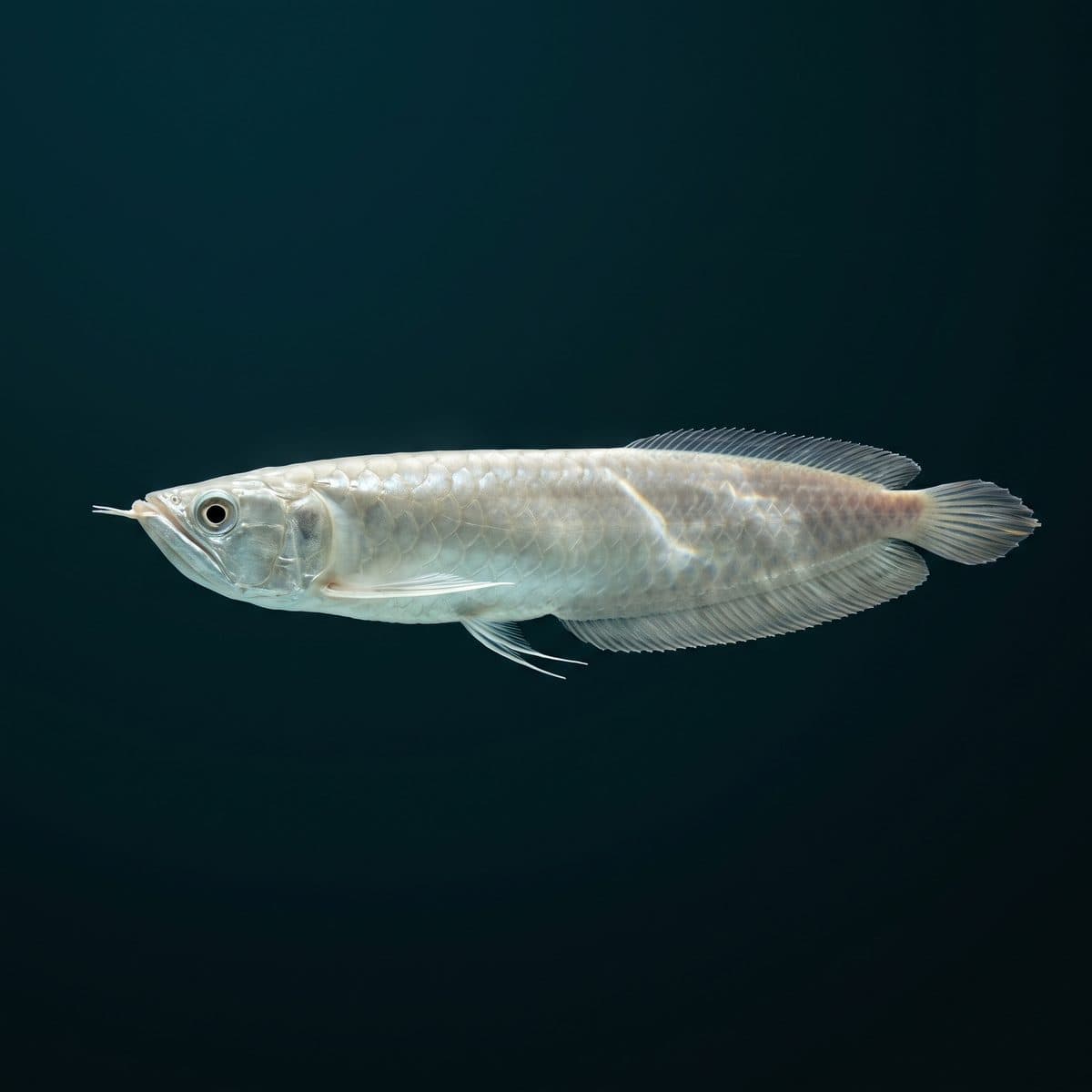
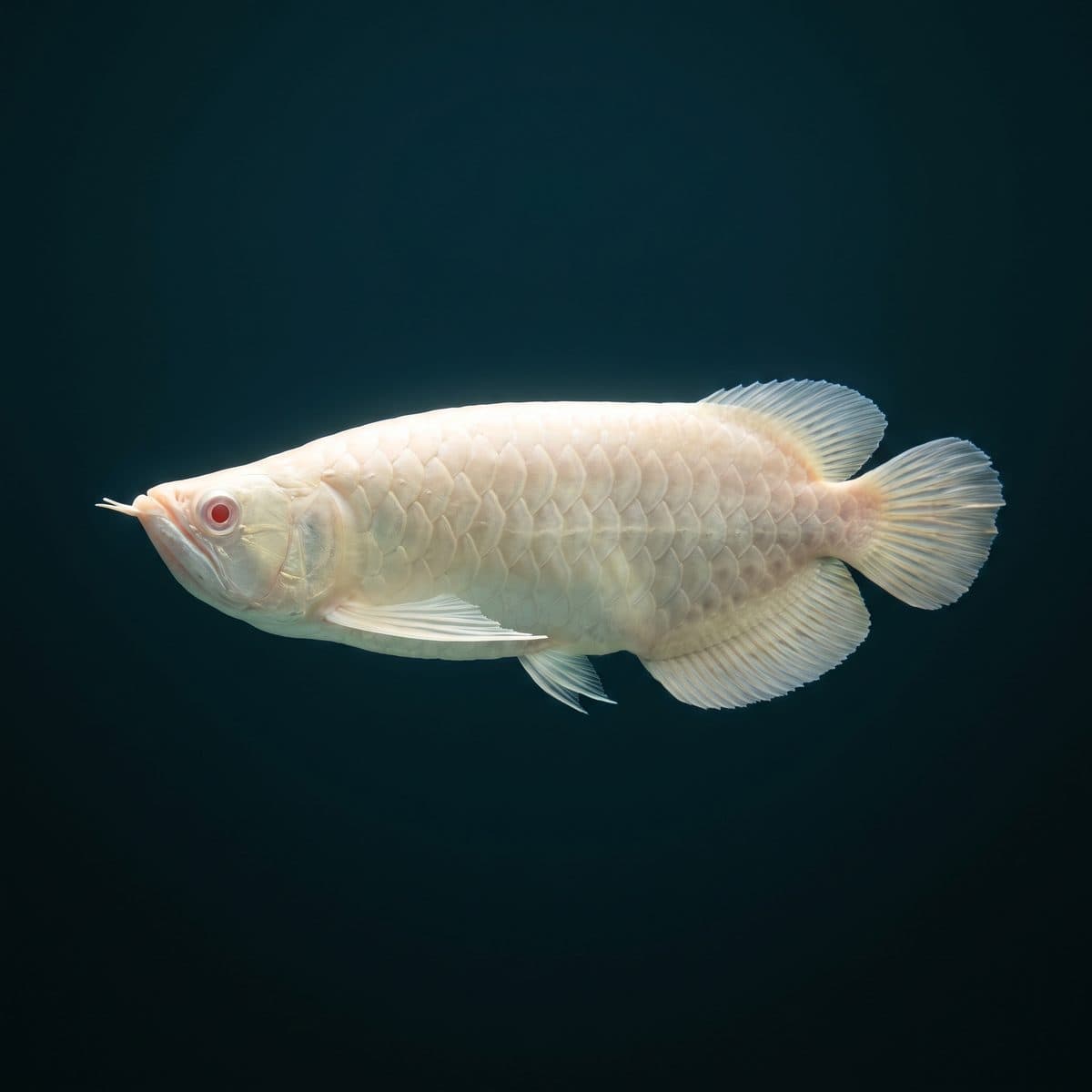
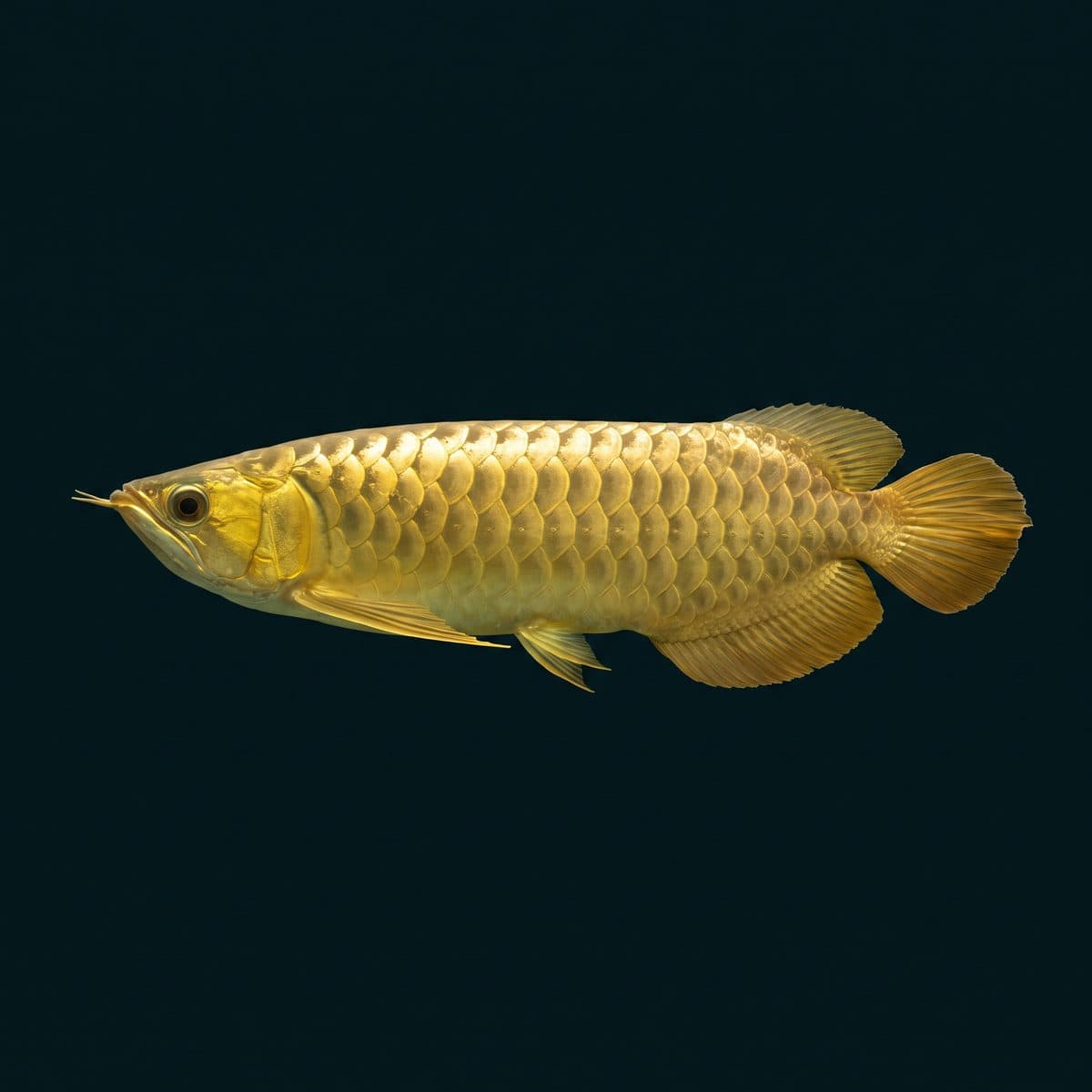
Arowana Diet
Arowana are surface predators that strike from below. In the wild, they eat insects, small birds, frogs, and fish from the water surface. In captivity:
- Staple: Frozen shrimp (shell-on), smelt, and earthworms — offered at the water surface with feeding tongs or floating in a feeding ring.
- Supplementary: Gut-loaded crickets (2–3 times weekly for variety and enrichment), floating carnivore pellets (Hikari Carnisticks, 20 % of diet).
- Colour-enhancing: Frozen krill and astaxanthin-rich pellets for Super Red and Golden varieties.
- Avoid: Feeder fish (thiaminase, fatty liver), centipedes and wild-caught insects (pesticide risk), exclusively protein-heavy diets without pellet vitamin supplementation.
- Frequency: Juveniles daily; sub-adults every other day; adults every 2–3 days.
For full Arowana care details, see our Arowana care guide and tank setup guide.
Wolf Fish Diet
Wolf Fish (Hoplias malabaricus and Hoplias aimara) are ambush predators with massive jaw strength. They eat anything they can catch and overpower.
- Staple: Frozen shrimp, smelt, and tilapia fillet — cut to mouth-sized pieces.
- Supplementary: Earthworms, frozen krill, sinking carnivore pellets (once converted).
- Live enrichment: Ghost shrimp, gut-loaded crickets (dropped on the surface).
- Frequency: Every 2–3 days for adults. Wolf Fish have slow metabolisms and are prone to obesity if overfed.
- Feeding tip: Wolf Fish often refuse to eat for days or weeks after being moved to a new tank. Patience is essential — they will feed when they are ready. Offering food via long feeding tongs (your hand should never be near a Wolf Fish's mouth) in dim lighting often succeeds when daytime feeding fails.
Gar Diet
Gar (Lepisosteus and Atractosteus species) are primitive predators with elongated snouts and armoured bodies. They are surface or mid-water ambush feeders.
- Staple: Frozen smelt and silversides — offered at or near the surface. Gar prefer elongated prey items that they grab sideways and manipulate into swallowing position.
- Supplementary: Frozen shrimp, earthworms, floating carnivore sticks.
- Live enrichment: Feeder shrimp, gut-loaded crickets, small crayfish.
- Frequency: Every 2–3 days for adults. Gar are ambush predators with low metabolic rates — they eat less frequently than active hunters like Arowana.
- Note: Gar have bony, inflexible mouths that cannot handle food items wider than their snout gap. Size food appropriately — too-large items cause jaw strain and feeding frustration.
Piranha Diet
Piranhas (Serrasalmidae) are omnivorous mesopredators, not the frenzied killers of popular imagination. In the wild, they eat fish, invertebrates, seeds, fruits, and carrion.
- Staple: Frozen shrimp, smelt, and tilapia fillet — dispersed across the tank to prevent feeding aggression within the school.
- Supplementary: Frozen bloodworms (for juveniles), sinking carnivore pellets, blanched vegetables (peas, zucchini — piranhas are more omnivorous than most keepers realise).
- Live enrichment: Ghost shrimp, blackworms, earthworms.
- Frequency: Daily for juveniles; every other day for adults.
- Important: Feed piranhas at a consistent time to establish routine and reduce feeding-associated aggression. Scatter food to prevent dominant individuals from monopolising — this is especially critical in Red Belly Piranha schools where aggression can escalate to cannibalism if subordinate fish are consistently excluded from feeding.
Feeding Schedules by Size
Feeding frequency should decrease as predatory fish grow:
- Juveniles (under 15 cm): Daily feeding. Growing fish need consistent nutrition. Feed an amount the fish can consume within 2–3 minutes.
- Sub-adults (15–30 cm): Every other day. Metabolism begins slowing relative to body mass.
- Adults (30 cm+): Every 2–3 days. Large predators in the wild may go a week between meals. Overfeeding adults is the leading cause of fatty liver disease and obesity.
Monitor body condition visually. A healthy predator has a slightly convex belly profile (not sunken, not bulging). After a meal, a visible food bulge is normal and should subside within 24 hours. If the belly remains distended for 48+ hours, skip the next feeding and assess for bloat.
One fast day per week is recommended for all predatory fish. This mimics natural feeding patterns and gives the digestive system time to fully process the previous meal.
Recognising Nutritional Deficiencies
Chronic dietary imbalance produces specific, recognisable symptoms:
- Vitamin A deficiency: Cloudy eyes, mucus overproduction, reduced immune function. Caused by diets lacking whole fish (organ meats are the primary vitamin A source).
- Vitamin B1 (thiamine) deficiency: Neurological symptoms — erratic swimming, loss of coordination, seizures. Caused by feeder fish containing thiaminase (goldfish, rosy reds). Fatal if not corrected.
- Vitamin C deficiency: Spinal deformity, poor wound healing, increased susceptibility to bacterial infection. Supplement with pellets containing stabilised vitamin C or soak frozen foods in a vitamin C solution before feeding.
- Calcium deficiency: Soft bones, jaw deformity, operculum (gill cover) erosion. Caused by diets lacking shell-on shrimp, whole fish with bones, or hard-shelled prey. Particularly common in fish fed exclusively on filleted fish meat.
- Fatty liver disease: Swollen abdomen, lethargy, loss of appetite, pine-cone scale protrusion (dropsy) in advanced cases. Caused by overfeeding — especially high-fat foods like feeder goldfish, excessive bloodworms, or mammalian meat (beef heart). Prevention: feed appropriate portions every 2–3 days, avoid feeder fish, and include weekly fasting.
The best prevention for all deficiencies is dietary variety — rotate through 3–5 food types weekly, include a quality pellet for vitamin/mineral insurance, and avoid reliance on any single food item.
Browse The Fish Collection's Arowana, cichlid, and stingray collections — every fish ships with species-specific feeding recommendations from our aquatic biology team.