Overview
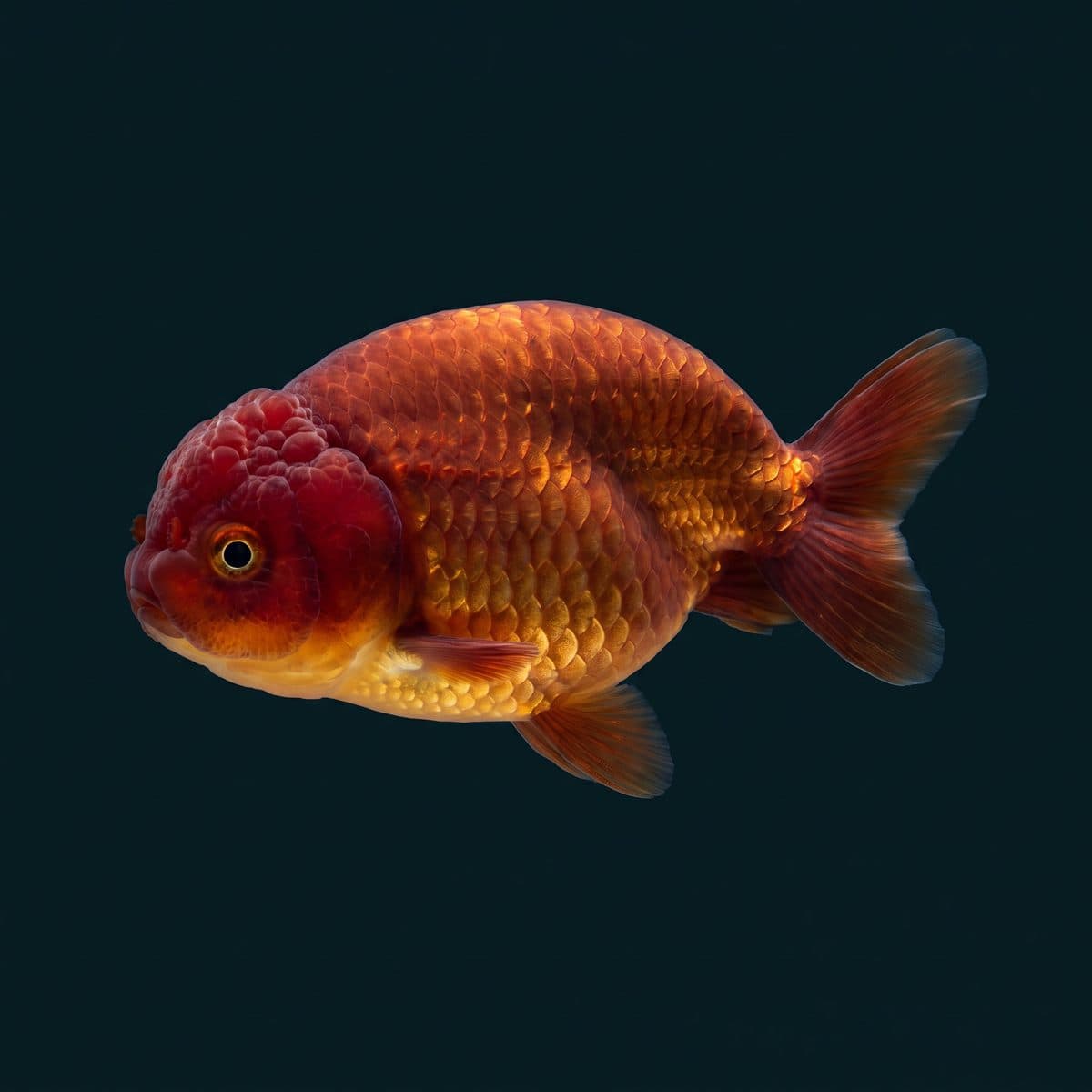
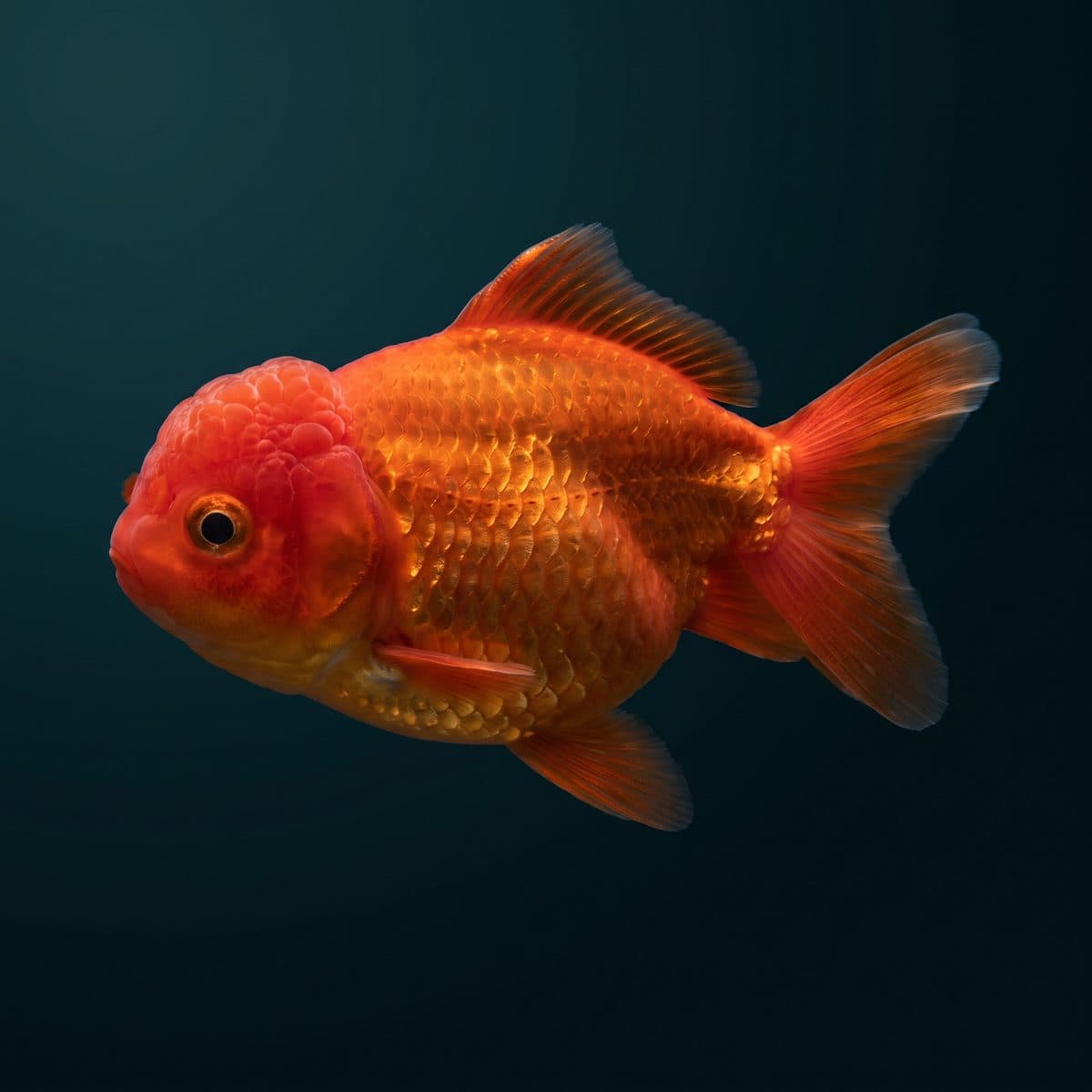
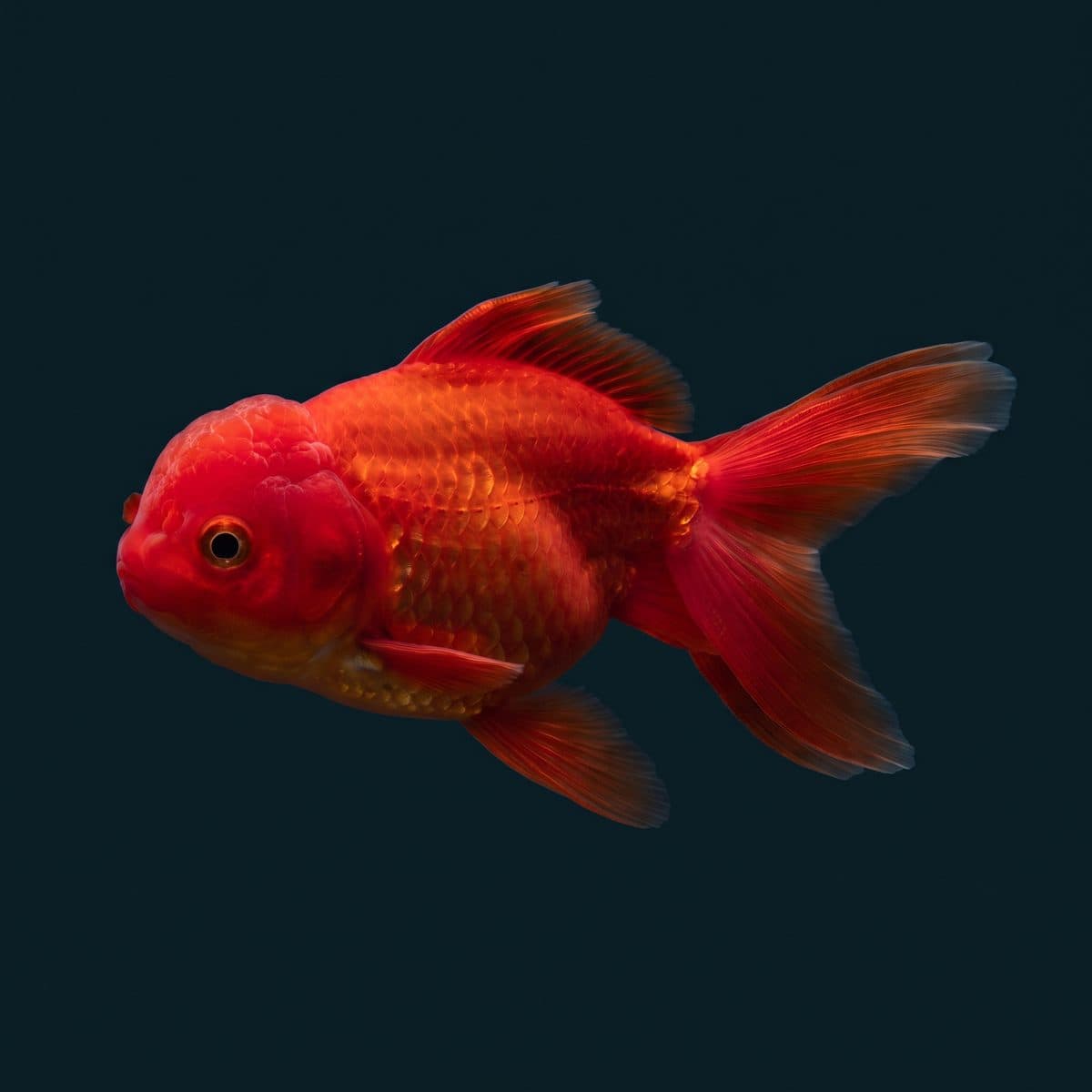
The goldfish (Carassius auratus) is the most widely kept aquarium fish in the world — and one of the most misunderstood. Originating from selective breeding of Prussian carp in China over 1,000 years ago, modern goldfish encompass dozens of varieties, from the streamlined Common and Comet to the elaborately shaped Ranchu, Oranda, and Telescope Eye. Properly cared for, goldfish live 10–15 years; exceptional specimens have reached 25+ years.
Tank Size — Why Bowls Don't Work
The single biggest goldfish care myth is that they thrive in bowls. They do not. Goldfish produce ammonia at a rate comparable to fish twice their size, and bowls lack filtration, surface area, and volume to maintain safe water chemistry. Minimum tank sizes:
- Single-tail goldfish (Common, Comet, Shubunkin): 40 gallons for the first fish, +20 gallons each additional — or a pond
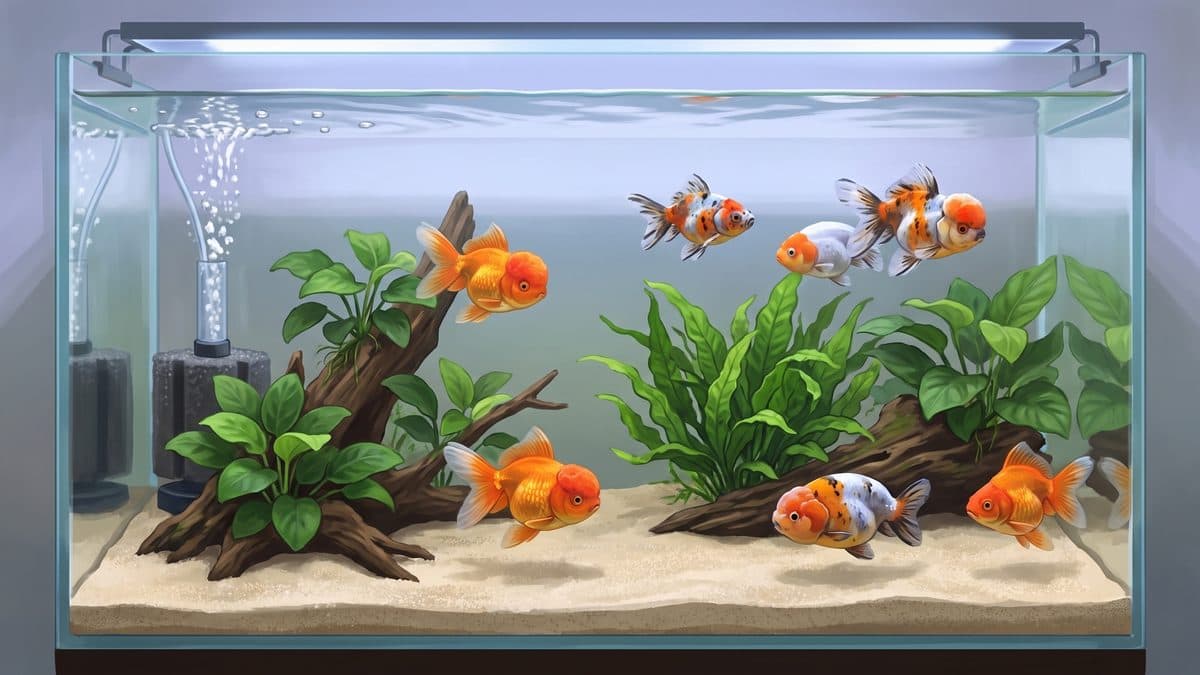
- Fancy goldfish (Ranchu, Oranda, Ryukin, Lionhead): 30 gallons for the first fish, +10 gallons each additional
Single-tail goldfish can reach 12 inches and are best suited to ponds. Fancy varieties stay smaller (6–8 inches) and adapt better to indoor aquariums.
Water Parameters
Goldfish are cold-water fish — they do not need a heater in most homes. Ideal parameters:
- Temperature: 65–72 °F (18–22 °C) — avoid sustained temperatures above 76 °F
- pH: 7.0–8.4 (they prefer alkaline, hard water)
- GH: 8–20 dGH
- Ammonia/Nitrite: 0 ppm
- Nitrate: Below 20 ppm
Filtration
Goldfish are exceptionally messy. Run filtration rated for at least 10× the tank volume per hour. HOB filters work for smaller setups; canister filters or sumps are preferable for tanks 40+ gallons. Dual sponge filters provide excellent biological filtration and gentle flow — ideal for fancy varieties with limited swimming ability.
Diet and Feeding
Feed a staple of high-quality sinking pellets or gel food (Repashy Soilent Green, Hikari Fancy Goldfish). Supplement with:
- Blanched peas (with skin removed) — excellent for digestion
- Blanched zucchini, spinach, lettuce
- Frozen or live daphnia, bloodworms, brine shrimp
Avoid floating flake food for fancy goldfish — air gulping during surface feeding contributes to swim bladder issues. Feed small amounts 2–3 times daily. Goldfish have no stomach and benefit from frequent small meals over one large feeding.
Fancy vs Single-Tail Varieties
Single-tail (Common, Comet, Shubunkin) are fast, hardy, and grow large. They belong in ponds or very large tanks (75+ gallons). Fancy varieties (Ranchu, Oranda, Ryukin, Lionhead, Telescope, Pearlscale) are slower, more delicate, and should never be housed with single-tails — they cannot compete for food and risk injury. Keep fancy varieties only with other fancy varieties.
Common Diseases
Swim Bladder Disorder
The most common fancy goldfish ailment. Symptoms: floating at the surface, sinking to the bottom, or swimming sideways. Causes include constipation (from low-fiber diet), rapid temperature changes, and genetic predisposition in round-bodied varieties. Treat by fasting 2–3 days, then feeding blanched peas. Prevent with gel food or sinking pellets and stable temperature.
Other common issues: ich (white spots, treat with salt and heat), fin rot (improve water quality), dropsy (pine-cone scales — often terminal, caused by bacterial kidney infection).
Tank Mates
Fancy goldfish can be kept with other fancy goldfish, Dojo Loaches (weather loach), Bristlenose Plecos (in heated setups above 68 °F), and large snails (Nerite, Mystery). Avoid tropical fish (incompatible temperature), small fish (will be eaten), and aggressive species. Single-tail goldfish are best with other single-tails or koi in pond settings.
Cycling Your Tank Before Adding Goldfish
More goldfish die from "new tank syndrome" than from any actual disease. A brand-new filter has none of the beneficial bacteria that convert toxic ammonia into nitrite and then into relatively harmless nitrate — and goldfish produce serious ammonia from day one. Cycling the tank before your fish arrives is the single best thing you'll ever do for its health.
The fishless cycle in brief:
- Set up the tank and filter, then dose pure ammonia (or add a pinch of fish food daily) to reach about 2 ppm.
- Test every couple of days. First ammonia falls and nitrite spikes; then, after 2–4 weeks, nitrite crashes and nitrate appears.
- When the filter clears 2 ppm of ammonia to zero ammonia and zero nitrite within 24 hours, you're cycled. Do a big water change to knock down nitrate, then add your goldfish.
You can shortcut this to under a week by borrowing seeded filter media from an established, disease-free tank, or by pairing a quality bottled bacteria starter with daily testing. Whatever you do, don't add a goldfish to a tank you filled yesterday — and if you already have, test daily and change 50% of the water any time ammonia or nitrite creeps above 0.25 ppm.
Weekly Care Routine
Goldfish tanks reward consistency far more than heroics. A 30-gallon fancy goldfish setup needs roughly 30 minutes of real work per week:
- Daily: A quick look at each fish — clamped fins, bottom-sitting, or a normally greedy fish ignoring food all warrant a water test. Confirm the filter is flowing and remove any uneaten food.
- Weekly: Change 25–30% of the water with a gravel vacuum. Goldfish waste settles into the substrate fast, and pulling it out matters as much as the fresh water itself. Match new water within 2 °F and always dechlorinate.
- Every 2 weeks: Rinse sponge and floss media in the tank water you removed — never under the tap. Trim dead plant leaves.
- Monthly: Run a full parameter test (pH, ammonia, nitrite, nitrate, KH). Falling KH is common in goldfish tanks and lets pH crash without warning — if KH drops below 4 dKH, add a bag of crushed coral to the filter.
Choosing a Healthy Goldfish
A five-minute inspection at the store saves months of trouble at home. Here's what we look at before any goldfish comes into our systems:
- Behaviour first: The fish should swim level, hold its dorsal fin erect (in varieties that have one), and come forward with the group at feeding time. Skip any fish that bottom-sits, gasps at the surface, or floats off-balance.
- Fins and body: No red streaks or white edges on the fins (early fin rot), no raised pinecone scales, no gold dust film (velvet), no white spots (ich).
- Eyes and gills: Clear eyes and gills that move evenly — not pale, swollen, or pumping hard.
- The whole tank: Look at every fish in the display, not just yours. One dead or clearly sick fish means everything in that water has been exposed — come back another week.
Then quarantine anyway. Even a perfect-looking goldfish should spend 3–4 weeks in a separate cycled tank before joining your display. Goldfish are farmed at enormous densities and routinely carry gill flukes and internal parasites that only surface after shipping stress. Quarantine is where you want to find that out — not in your main tank.