Gem Tang Pricing Overview
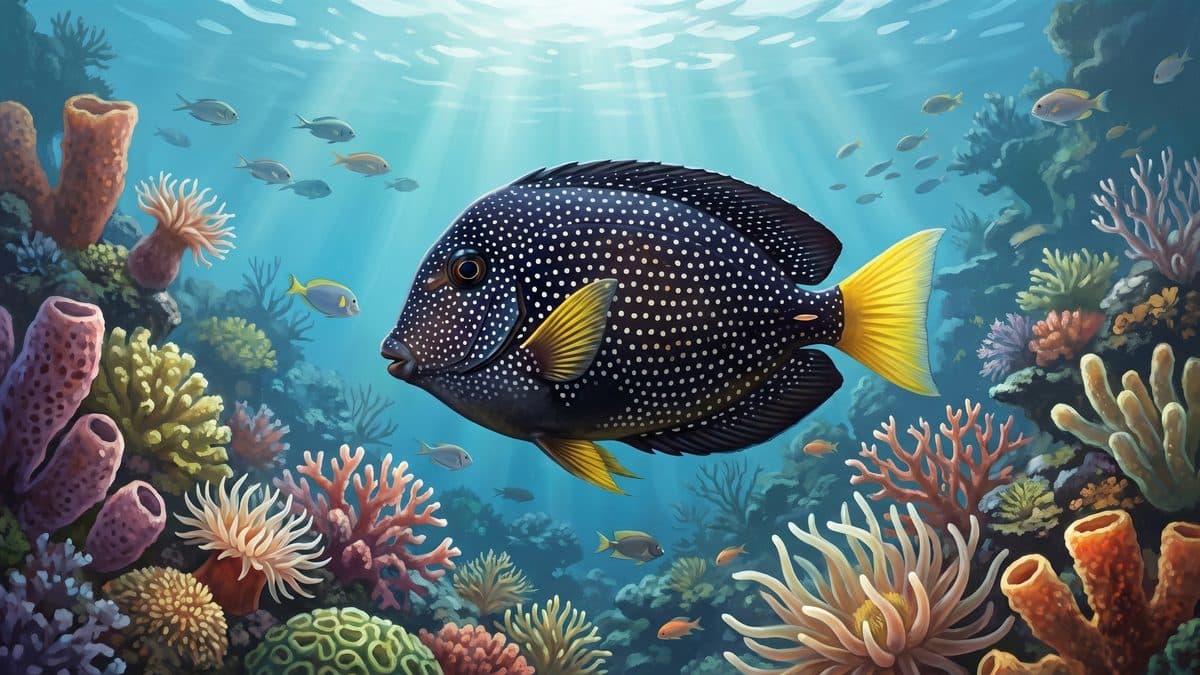
The Gem Tang (Zebrasoma gemmatum) is one of the most visually striking and expensive surgeonfish in the marine aquarium trade. Its jet-black body covered in brilliant white spots — resembling a starfield — makes it instantly recognisable and universally coveted among reef keepers. First described in 1848, the species was virtually unknown in the aquarium trade until the early 2000s, when collection from the Western Indian Ocean became sporadically possible.
What makes the Gem Tang expensive is not rarity in the wild — the species is reasonably abundant across its range from Mauritius to South Africa — but rather the difficulty and cost of collection and export. The fish inhabits deeper reef areas (15–60 metres), collection infrastructure in Mauritius and Madagascar is limited, and export logistics from these remote island nations are complex and expensive.
Price Ranges by Size and Quality
Standard Specimens ($800–$1,500)
The most commonly available Gem Tangs in the trade:
- Small juveniles (2–3 inches): $800–$1,000. The most affordable entry point. Juveniles show the characteristic spotting but with slightly less density than adults. They adapt well to captivity and grow steadily.
- Medium specimens (3–4 inches): $1,000–$1,500. The sweet spot for most buyers. The fish is large enough to display confidently in a reef tank, and spotting pattern is well-developed. This is the most commonly available size class.
At this price point, you are getting a healthy, properly acclimated Gem Tang from a reputable dealer who has quarantined and conditioned the fish after import. The premium over wholesale ($400–$700) covers quarantine, health screening, and the dealer's expertise in handling this species.
Premium and Large Specimens ($1,500–$3,000+)
Larger and exceptional Gem Tangs command premium prices:
- Large adults (5–6 inches): $1,500–$2,500. Fully developed specimens with dense spotting and established coloration. Large Gem Tangs are less common in shipments because bigger fish are harder to collect from depth and more susceptible to decompression stress.
- Exceptional specimens (6+ inches, dense spotting): $2,000–$3,000+. The most heavily spotted individuals with the best contrast between the jet-black body and white spots. These are hand-selected from shipments and priced at a premium.
- Mated pairs: $3,000–$5,000+. Extremely rare in the trade. Genuine pairs (not just two fish) that have been observed spawning or displaying pair behaviour command extreme premiums for potential captive breeding programmes.
Gem Tang Price Comparison Table
- Juvenile | 2–3 inches: $800–$1,000
- Medium | 3–4 inches: $1,000–$1,500
- Large adult | 5–6 inches: $1,500–$2,500
- Exceptional/XL | 6+ inches: $2,000–$3,000+
- Mated pair: $3,000–$5,000+
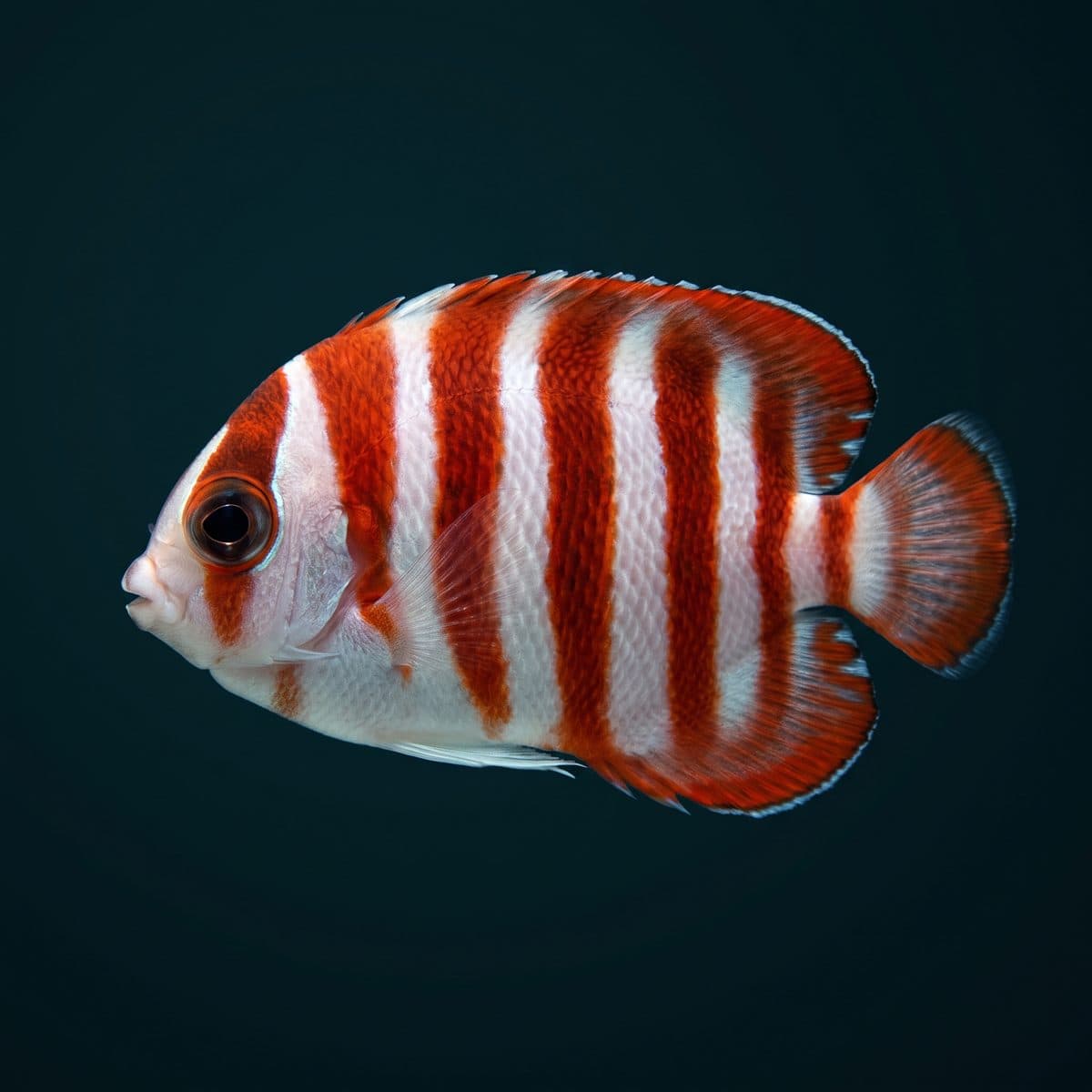
For comparison, other premium tangs: Achilles Tang $200–$500, Black Tang $300–$700, Conspicuous Angelfish $2,000–$5,000. The Gem Tang sits in the upper tier of commonly traded marine fish but well below the ultra-rare deep-water species.
What Affects Gem Tang Prices
- Supply chain logistics: The biggest factor. Gem Tangs are collected primarily from Mauritius and occasionally Madagascar. Collection requires experienced divers working at 15–60 metre depths, and the fish must be carefully decompressed. Export from these locations involves limited flight routes, strict permits, and high air freight costs.
- Seasonal availability: Shipments from Mauritius are sporadic — sometimes several arrive in a month, sometimes none for months. When supply is low, prices spike; when a large shipment arrives, prices temporarily soften.
- Size: Larger specimens are disproportionately more expensive because they are less common in shipments and more impressive in display tanks.
- Spot density: Gem Tangs with denser, more evenly distributed white spots are considered more attractive and priced higher. Some individuals have sparse or irregular spotting.
- Condition and quarantine: Fish that have been properly quarantined (2–4 weeks), dewormed, and eating prepared foods are worth the premium over freshly imported, unquarantined specimens. The survival rate difference is significant.
- Market trends: Gem Tang prices have generally decreased from their peak of $3,000–$4,000 in the early 2010s as collection has become more reliable. However, any disruption to the Mauritius supply chain (political instability, weather, permit changes) can cause rapid price increases.
Where to Buy Gem Tangs
- Premium marine fish retailers: The Fish Collection and similar specialist shops that focus on rare and premium marine fish. These retailers quarantine, condition, and photograph individual specimens, reducing buyer risk.
- LiveAquaria and similar online platforms: Major online marine fish retailers occasionally stock Gem Tangs. Sign up for stock alerts, as they sell out quickly.
- Local reef stores: Some high-end local fish stores can special-order Gem Tangs from their marine wholesalers. The advantage is seeing the fish in person; the disadvantage is typically higher prices (they add markup to the wholesale price).
- Reef forums and classifieds: Experienced reefers occasionally sell Gem Tangs when upgrading or breaking down tanks. ReefCentral, Reef2Reef, and local reef club classifieds are good sources for second-hand specimens that are already established and eating well.
Is It Worth the Investment?
The Gem Tang is one of the most universally admired fish in the marine hobby. In a mature reef tank, it is an immediate focal point — the combination of jet-black body and constellation-like white spots is unlike anything else available. For reefers who already have a 125+ gallon system with stable water parameters, a Gem Tang is a worthwhile centrepiece addition.
The key consideration is system readiness. Gem Tangs are robust once acclimated but sensitive during the initial adjustment period. They require a mature reef with established biological filtration, stable parameters (temperature 24–26 degrees C, salinity 1.024–1.026 SG, pH 8.1–8.4), and ample swimming space. Adding a $1,000+ fish to an immature or unstable system is a recipe for heartbreak.
For budget-conscious reefers who love the look, the less expensive Yellow Tang ($50–$100) or Purple Tang ($200–$400) from the same Zebrasoma genus offer a similar body shape and personality at a fraction of the cost. But for those who want the ultimate tang, the Gem has no substitute. Browse The Fish Collection for available specimens.